
What are the most invisible hair extensions for thin hair?
Discreet Hair Extension Options: Handtied Weft and Invisible Tape-In Extensions
What are the most invisible hair extensions for thin hair? Read More »

Discreet Hair Extension Options: Handtied Weft and Invisible Tape-In Extensions
What are the most invisible hair extensions for thin hair? Read More »

Importing hair extensions into the USA can look simple until customs classification becomes unclear. One wrong HS or HTS code may lead to shipment delays, document questions, duty corrections, or extra communication with your broker. For many finished human hair extension products, U.S. importers often review HTS 6704.20.00.00, which covers articles of human hair. HTS
HS Code for Hair Extensions in the USA: What Importers Should Know? Read More »
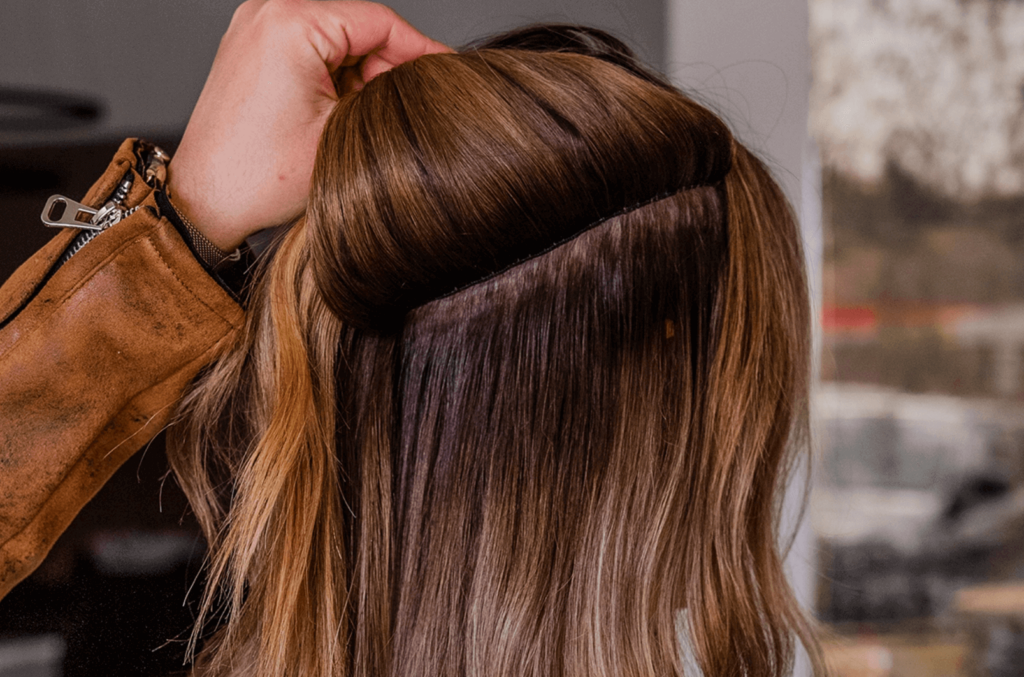
Clients often want hair that looks natural, feels light, and does not show at the seam. But the wrong weft choice can cause bulk, tension, scalp discomfort, or early complaints. Hand tied hair extensions are thin, hand-sewn wefts used in row-based installs. The main pros are a very flat seam, light feel, natural blend, and
Hand Tied Hair Extensions: Pros and Cons Read More »
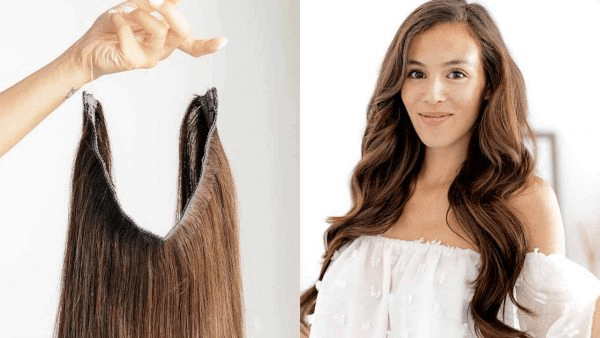
Installing halo hair extensions is straightforward:
Prepare Your Hair: Brush your hair thoroughly to remove any tangles and ensure a smooth base for the halo.
Position the Halo: Place the wire about 1-2 inches from your front hairline, allowing it to rest comfortably around your head like a headband.
Hide the Wire: Using a tail comb, gently pull your own hair over the wire, blending it seamlessly with the extensions.
Adjust for Comfort: Check the fit of the halo; it should feel secure but comfortable, without being too tight or too loose.
Style as Desired: You can now curl, straighten, or style your halo hair as you would with your natural hair, ensuring it integrates perfectly.
How to Put In Halo Hair Extensions: Step-by-Step Guide Read More »
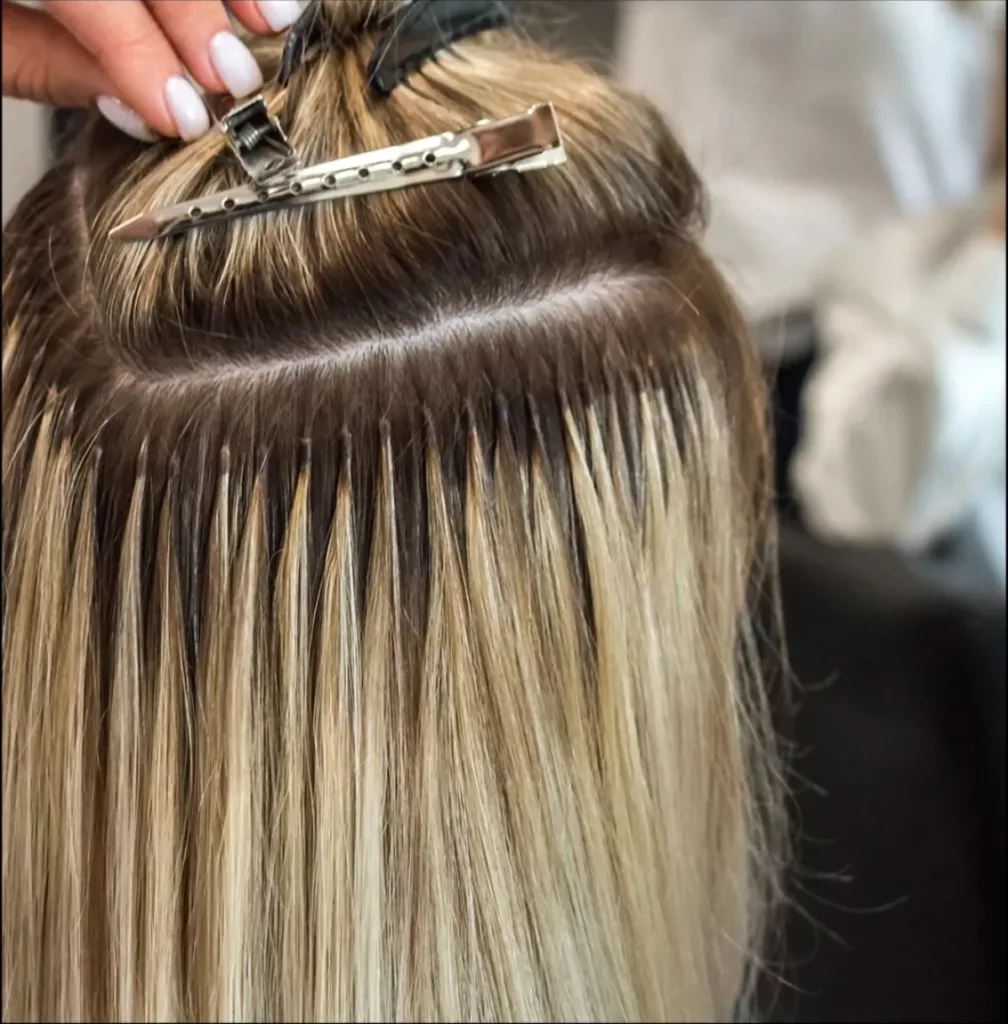
Keratin hair extensions can bring premium salon results, but poor hair quality, weak keratin tips, or incorrect removal can quickly turn a high-ticket service into a client complaint. Keratin hair extensions are strand-by-strand extensions bonded to natural hair with heated keratin tips, such as U tip, V tip, or flat tip. Their main pros are
Keratin Hair Extensions: What Should Professionals Know? Read More »
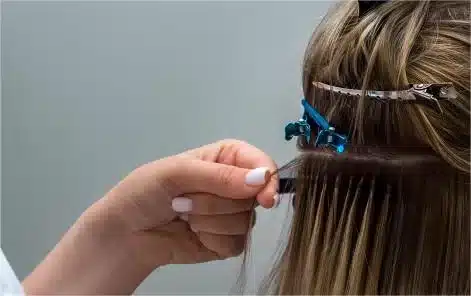
Most full-head I-tip installations need 150–200 standard 1g strands. Fine hair may need 100–150 strands, while medium-density hair usually needs 150–200. Thick hair, short blunt cuts, or major length changes may require 200–250 strands or more. Strand weight changes the final count. A full head using 0.5g or 0.8g I-tip strands will usually require more
How Many I-Tip Extensions Do I Need for a Full Head? Read More »

Halo hair extensions use a clear, adjustable wire that rests around the crown, while clip-in extensions attach with multiple small clips. Both are removable, temporary methods, but they differ in comfort, blending, placement control, and styling flexibility. Halo extensions are usually better for clients who want fast application and less direct tension on the roots.
Halo Hair Extensions vs. Clip-Ins: Which Is Better? Read More »

Wrong beaded weft placement can cause slipping, scalp tension, visible rows, and client complaints. For stylists, placement is not a small detail. It decides comfort, movement, and long-term results. Beaded weft rows should sit below the crown, away from the front hairline and temples, with each bead placed slightly off the scalp. Correct row position,
Beaded Weft Extension Placement: A Stylist’s Guide Read More »

Many clients love I Tip extensions because they look natural, but poor hair quality or weak care can shorten their lifespan quickly. I Tip extensions usually need a move-up every 6–8 weeks. Standard Remy I Tip hair may last 3–6 months. Premium full cuticle I Tip extensions can last 12–18 months with proper installation, regular
How Long Do I Tip Extensions Last? Read More »

Nano bead hair extensions look small and discreet, but the wrong hair quality, tip type, or tension can still create salon complaints. Nano bead hair extensions are strand-by-strand extensions installed with tiny beads, without glue or heat. Their main pros are discreet roots, flexible movement, reusable hair, and low heat damage. Their main cons are
Nano Bead Hair Extensions: What Should Salons Know? Read More »
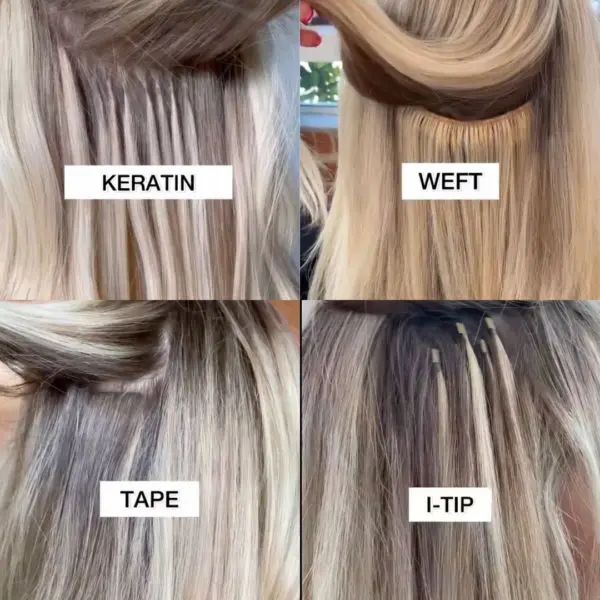
The main types of hair extensions are clip-ins, halo extensions, tape-ins, wefts, keratin bonds, I-tips, nano rings, and V-Light extensions. Each method differs in how it is installed, how long it can be worn, the maintenance it requires, and the hair types or client goals it suits best. This guide compares the pros, limitations, install
Different Types of Hair Extensions: Methods, Pros & Cons Read More »
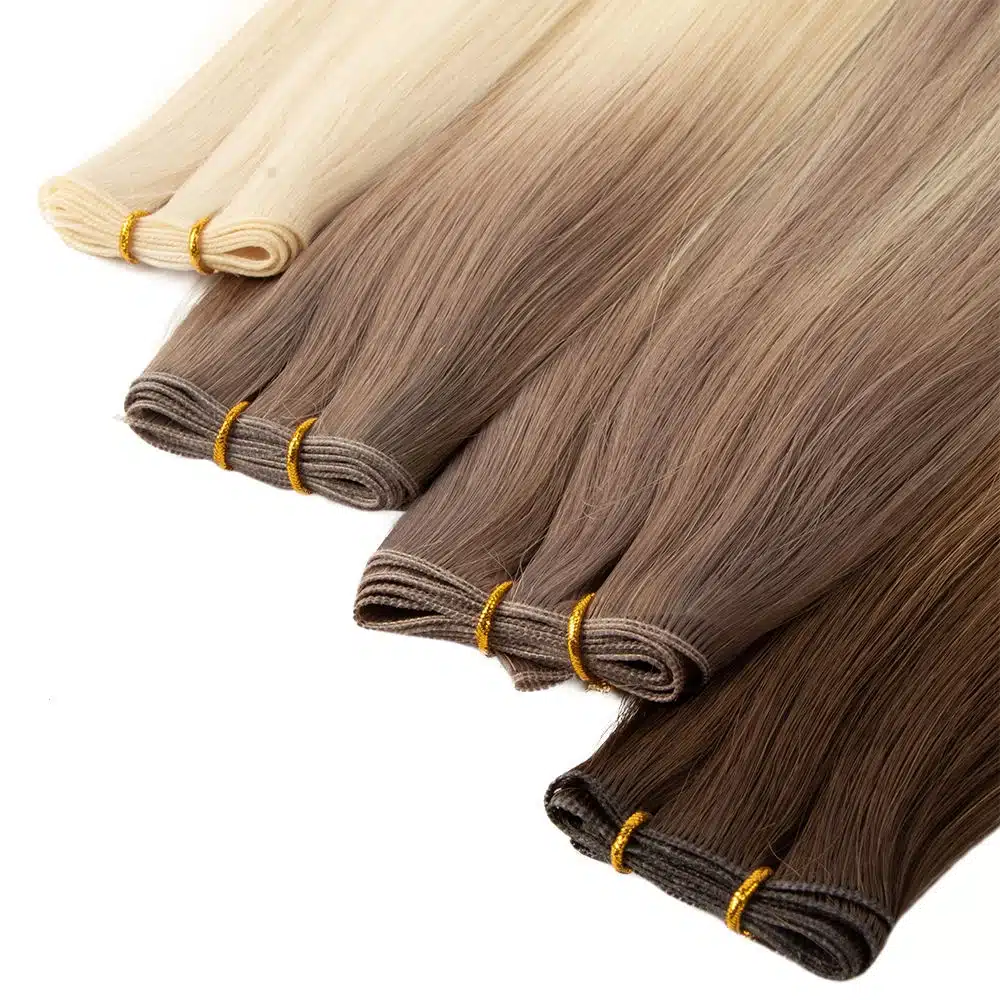
Custom hair extensions are not difficult to develop with a factory, but the process breaks down quickly when the buyer is unclear about product details, quality standards, or order expectations. The real key is not only finding a factory. The real key is managing the full process with enough precision. To custom hair extensions with
Steps on How to Custom Hair Extensions with a Factory Read More »

A lot of people ask this question because hair extensions look easy from the outside. But once real clients, scalp safety, method choice, and long-term wear come in, the issue becomes more serious. From a professional supply and factory-side view, selling extension hair is one thing. Installing it correctly is another. You do not always
Do You Need to Be Qualified to Do Hair Extensions? Read More »

Flat crowns, thin ends, and slow styling push many clients to look for fast, low-risk options. Halo hair extensions stand out because they can add visible length and volume in under a minute, with no glue, no tape, and no beads. But the result still depends on fit, blending, weight, and how well the halo
What Are Halo Hair Extensions? Read More »
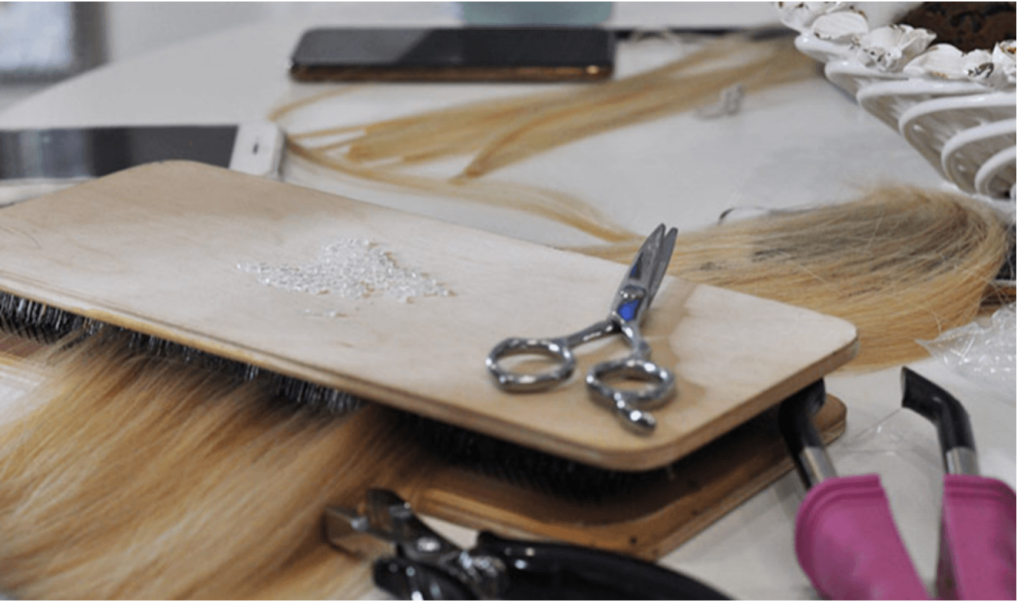
Many buyers think hot fusion keratin hair extensions are single-use only. That is not always true. The real answer depends on hair quality, removal quality, and whether the old bond can be rebuilt correctly. Hot fusion keratin hair extensions can often be reused if the hair is still in good condition, the old keratin bond
How to Reuse Hotfusion Keratin Hair Extensions? Read More »

Summer is one of the easiest seasons for hair extensions to go wrong. Heat, sweat, sunscreen, salt water, chlorine, and humidity all put extra pressure on both the hair and the attachment system. So the best summer extensions are not just the prettiest ones. They are the ones that still make sense in real summer
What Are the Best Hair Extensions for Summer? Read More »

Ultimate Discretion: Handtied Weft and Invisible Tape-In Extensions for Thin Hair
Top 10 hair extensions companies in the U.K. (2026 Buyer Guide) Read More »
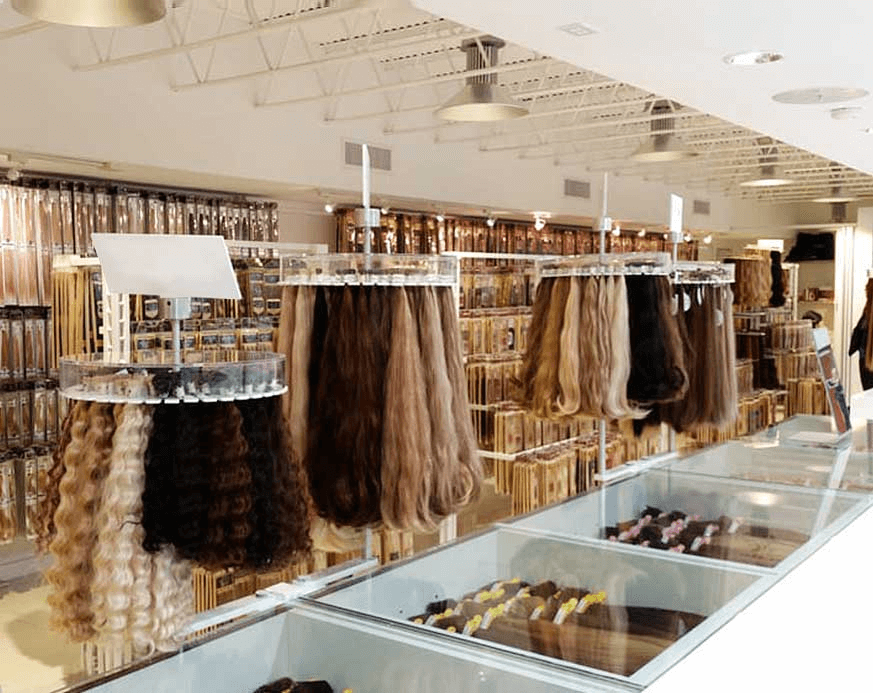
Starting a hair extension supplier business looks simple from the outside, but most new suppliers fail because they begin with products, not with positioning. From a factory-side view, the real starting point is not “what hair can U buy?” It is “who will U sell to, what quality level will U stand for, and how
How to start a hair extension supplier business? Read More »