Halo hair extensions can look natural in minutes. But poor wire placement, weak blending, or the wrong color can make them obvious and uncomfortable.
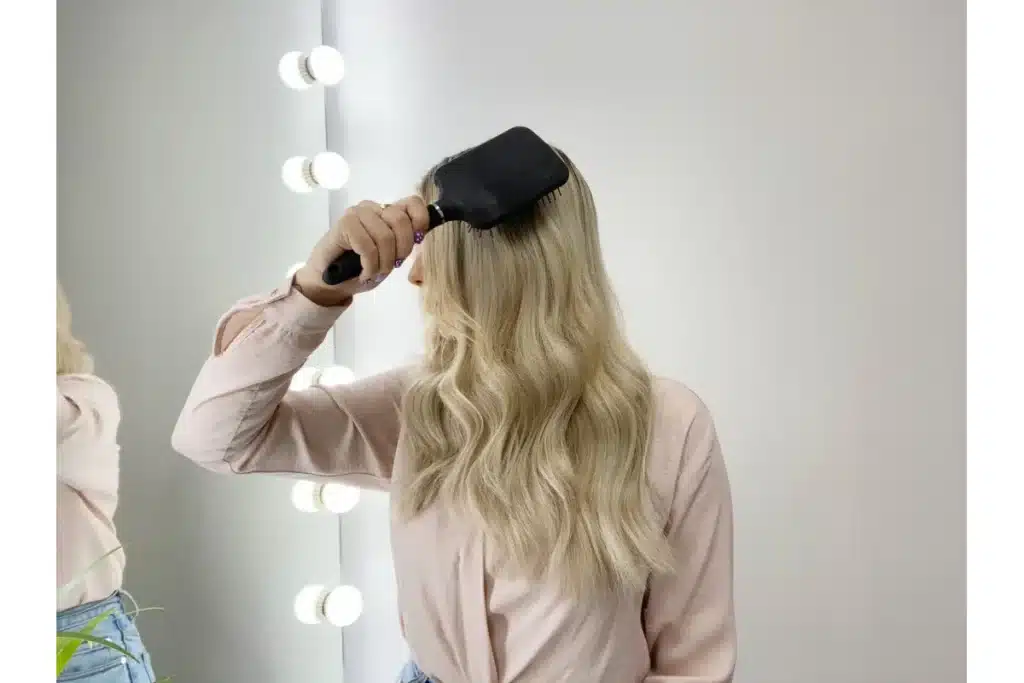
To put in halo hair extensions, brush your hair, place the wire 1–2 inches behind the front hairline, let the weft sit around the crown, pull your natural hair over the wire, adjust the fit, then blend and style both hair together.

Halo hair extensions are one of the easiest temporary methods for adding length and volume. They do not need glue, tape, beads, or root clips. This makes them useful for clients who want a quick result with lower tension.
For salons, stylists, hair brands, and wholesale buyers, the real value is not only easy installation. Wire comfort, hair quality, color match, weight balance, and after-wash softness all affect the client’s final experience.
What Are Halo Hair Extensions?
Some clients want longer hair, but they do not want a permanent method. Halo extensions solve this need with a simple one-piece design.
Halo hair extensions are temporary one-piece hair extensions attached to a thin invisible wire. The wire sits around the crown, while the client’s natural hair covers it for a more hidden finish.

How Halo Hair Extensions Work
A halo extension works like a hidden headband. The wire rests lightly on the head. The hairpiece sits around the back and sides. After the natural hair is pulled over the wire, the attachment becomes hard to see.
| Feature | Why It Matters |
|---|---|
| One-piece design | It is easy to apply and remove |
| Invisible wire | It avoids clips pulling on the roots |
| No glue or tape | It creates a lower-tension option |
| Temporary wear | It works well for events and daily styling |
| Reusable hair | Better hair can be worn many times |
I usually see halo hair as a strong product for clients who want bridal hair, photoshoot volume, quick salon styling, or simple at-home wear.
Halo extensions usually work best on medium to long hair. Very short or blunt hair may need more blending because the halo is one piece. Clip-ins can give more placement control when the natural haircut is very sharp.
If you compare temporary options, you can also review our Clip-In Hair Extensions.
How Do You Put in Halo Hair Extensions Step by Step?
A halo can look natural when the wire sits correctly. But a small placement mistake can make the wire visible.
To install halo hair extensions, brush the hair, section the crown, place the wire 1–2 inches behind the front hairline, release the natural hair, hide the wire with a tail comb, then blend and style the hair.
Step-by-Step Guide
| Step | What to Do | Professional Tip |
|---|---|---|
| 1 | Brush natural hair | Remove tangles before fitting |
| 2 | Section the top hair | Leave enough hair to cover the wire |
| 3 | Place the halo | Keep the wire 1–2 inches behind the hairline |
| 4 | Release natural hair | Let the hair fall over the wire |
| 5 | Use a tail comb | Pull small sections over visible wire |
| 6 | Adjust the fit | It should feel secure but not tight |
| 7 | Blend and style | Curl or wave both hair together |
What I Check During Installation
I always check the front hairline first. If the wire sits too close to the front, it may show. If the halo sits too far back, the sides may not blend well. The best position is usually slightly behind the front hairline, around the crown area.
The natural hair should fully cover the wire. A tail comb makes this easier because it can lift small sections without disturbing the whole hairstyle. I prefer to work in small movements instead of pulling too much hair at once.
Blending is also important. If the client’s hair is shorter, soft waves usually work better than straight styling. Waves help connect the natural hair and the halo hair visually. If the natural ends are blunt, a stylist may need to soften the line with layering or styling.
For salons and brands, I suggest testing halo hair on real client hair types before bulk selling. A product may look good on a mannequin, but the real test is how it blends with fine hair, medium hair, highlighted hair, and layered hair.
How Do You Adjust Halo Hair Extensions?
A halo should feel secure, but it should not press hard on the scalp. Comfort is part of the product quality.
Most halo hair extensions use an adjustable wire. You can shorten or loosen the wire to match the client’s head shape, crown position, and comfort level.

Common Fit Problems
| Problem | Why It Happens | How to Fix It |
|---|---|---|
| Halo feels loose | Wire is too long | Shorten the wire slightly |
| Halo feels tight | Wire is too short | Loosen the wire |
| Halo slips | Hair is too smooth or oily | Add light texture at the crown |
| Wire shows | Not enough hair covers it | Pull more hair over the wire |
| Sides do not blend | Position is too high or low | Reposition and style together |
How I Judge A Good Fit
A good halo fit should feel stable during normal movement. It should not feel like it is pulling, pressing, or sliding. The wire should rest lightly, and the weft should sit close to the head without creating a bulky line.
If the client has very smooth or freshly washed hair, the halo may slip more easily. I usually suggest adding light dry shampoo or gentle texture at the crown. This gives the wire and weft more grip. The key is to keep it light. Too much teasing can make the hair messy and harder to blend.
For fine hair, I prefer a lighter halo. Heavy halo hair may feel uncomfortable and may not blend naturally. For thicker hair, the client may need more grams or a fuller halo. This is why one weight does not fit every market.
From a B2B view, wire quality matters. The wire should be soft, adjustable, and not easy to snap. If the wire feels hard or cheap, the client will notice it quickly.
How Do You Hide the Halo Wire?
The halo wire should not be the first thing people see. If it shows, the placement or coverage needs adjustment.
To hide a halo wire, place it slightly behind the front hairline and use a tail comb to pull natural hair over it. The color should also match the mid-length and ends, not only the roots.

Wire-Hiding Tips
| Issue | Solution |
|---|---|
| Wire shows at the top | Pull more crown hair over it |
| Wire shows near the temples | Move the halo slightly back |
| Hair looks flat over the wire | Add light root volume |
| Color line is visible | Choose a better color match |
| Ends do not blend | Curl natural hair and halo together |
Why Color Match Matters
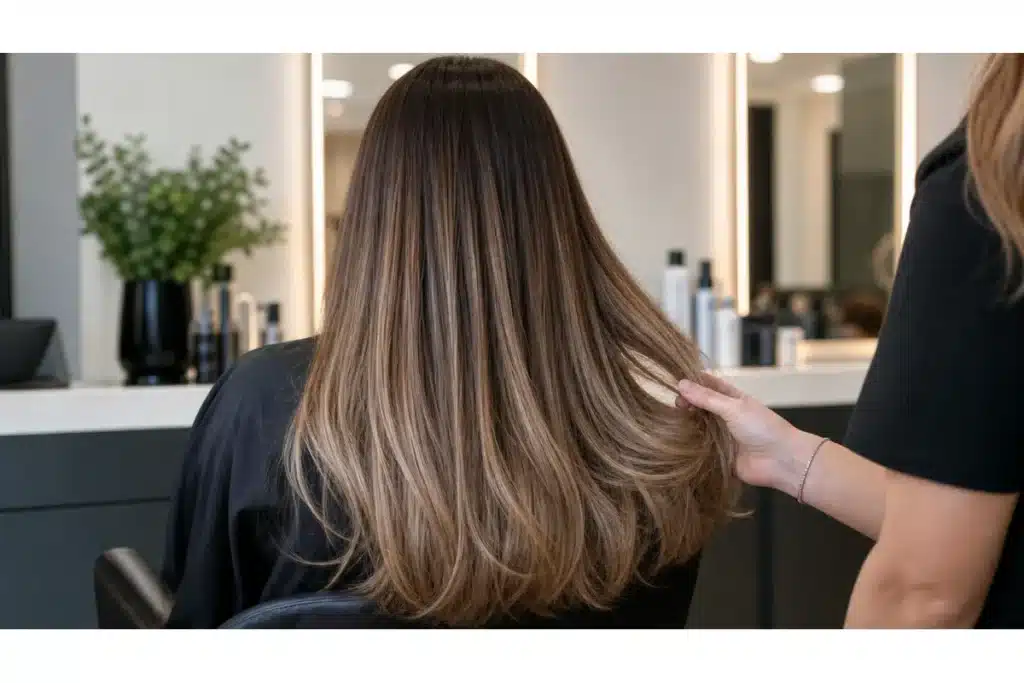
Many clients think they only need to match the root color. I do not agree. Halo hair blends through the mid-length and ends, so the color should match the visible lower part of the natural hair.
For highlighted, balayage, or rooted hair, a flat solid color may look separate. A rooted, piano, highlighted, or mixed color often blends better. This is especially true for salon clients who already have dimensional color.
The halo wire color also matters. A soft and less visible wire helps the installation look cleaner. But even a good wire can show if the halo is placed badly or if the client does not have enough top hair to cover it.
For salons, I suggest keeping a small color ring or sample set for halo products. This helps clients choose the right shade before ordering. For brands, stable color repeat is even more important. If a customer reorders the same halo shade and receives a different tone, trust can drop quickly.
What Are Common Mistakes When Putting in Halo Hair Extensions?
Most halo problems are not caused by the method itself. They come from poor placement, weak blending, or the wrong product choice.
Common halo mistakes include placing the wire too close to the hairline, not covering the wire, choosing the wrong color, using too much weight, skipping blending, and styling the halo separately from natural hair.
Mistakes And Fixes
| Mistake | Result | Fix |
|---|---|---|
| Wire too close to hairline | Wire may show | Move it 1–2 inches back |
| Not enough top hair | Wire stays visible | Pull more hair over the wire |
| Wrong color match | Hair looks separate | Match mid-length and ends |
| Halo too heavy | It feels uncomfortable | Choose suitable weight |
| No blending cut | Ends look obvious | Add soft layering if needed |
| Styling separately | Hair does not merge | Curl or wave together |
My Practical Advice
I think the biggest mistake is treating halo extensions as a “one-minute product” for every client. They are easy, but they still need correct fitting. If the natural hair is very short, blunt, or thick, the halo needs more blending work.
For fine hair, the halo should not be too heavy. The client may feel the weight quickly, and the top hair may not cover the wire well. For thick hair, a lighter halo may look too thin. The buyer should choose weight based on the target client, not only price.
Styling is another key point. I usually suggest styling the natural hair and halo together after fitting. Soft curls, loose waves, or face-framing shape can make the transition look more natural.
For professional buyers, I suggest testing the halo after washing, brushing, and styling. Some hair feels soft at first because of coating. The real quality shows after use.
How Should You Style and Care for Halo Hair Extensions?
Halo hair lasts longer when clients treat it gently. Poor brushing, too much heat, or overwashing can shorten the lifespan.
Clients should brush halo extensions gently, wash only after product buildup, dry fully before storage, use heat protectant, and avoid rough towel drying or high heat styling.
Care Guide
| Care Step | Recommendation |
|---|---|
| Brushing | Start from the ends and move upward |
| Washing | Wash only after product buildup |
| Shampoo | Use sulfate-free shampoo |
| Conditioner | Apply from mid-length to ends |
| Drying | Air dry when possible |
| Heat styling | Use heat protectant and moderate heat |
| Storage | Store dry in a silk or satin bag |
How I Explain Aftercare To Clients
Halo extensions do not sit on the scalp, so they do not need frequent washing. Overwashing can make the hair dry faster. I suggest washing only when there is product buildup, odor, or a clear need.
Clients should brush before and after wear. They should start from the ends and move upward slowly. This reduces pulling and helps protect the hair. They should also dry the halo fully before storage. Storing damp hair can create odor and tangling.
The American Academy of Dermatology recommends gentle hair care habits, including reducing heat damage and avoiding rough towel drying [1]. I think this advice is also useful for halo extensions because extension hair does not receive natural scalp oils.
For salons and brands, a simple care card can reduce complaints. The client should know how to brush, wash, dry, style, and store the halo from the first day.
Who Are Halo Hair Extensions Best For?
Halo extensions are easy, but they are not perfect for every client. The best result depends on hair type and styling goal.
Halo hair extensions are best for clients who want quick volume, low tension, easy removal, and temporary styling. They work especially well for medium to long hair, event styling, and clients who avoid glue, tape, beads, or root clips.
Client Fit Guide
| Client Type | Fit For Halo Extensions |
|---|---|
| Fine or medium hair | Good fit with suitable weight |
| Medium to long hair | Easy to blend |
| Short blunt hair | Needs extra blending |
| Thick hair | May need heavier halo or clip-ins |
| Sensitive scalp | Good because there is no glue or beads |
| Event styling clients | Good for quick volume and length |
When I Recommend Halo Hair
I usually recommend halo hair when the client wants a temporary result and does not want stress on the roots. It is also a strong choice for bridal styling, photo shoots, parties, and clients who only wear extensions sometimes.
Halo hair can also work well for salon retail. Clients can use it at home after the stylist shows them how to place and blend it. This creates a product that is easy to explain and easy to reorder.
But I do not recommend halo hair for every case. Very short blunt hair may show the transition line. Very thick hair may need more volume than one halo can provide. In these cases, clip-ins or professional weft methods may be better.
For B2B buyers, the best approach is to define the customer first. A halo made for fine hair should not be the same as a halo made for thick hair. Weight, color, length, and texture should match the buyer’s market.
What Should Buyers Check Before Ordering Halo Hair Extensions?
A halo product may look simple, but wholesale quality still needs careful testing. The client experience depends on many details.
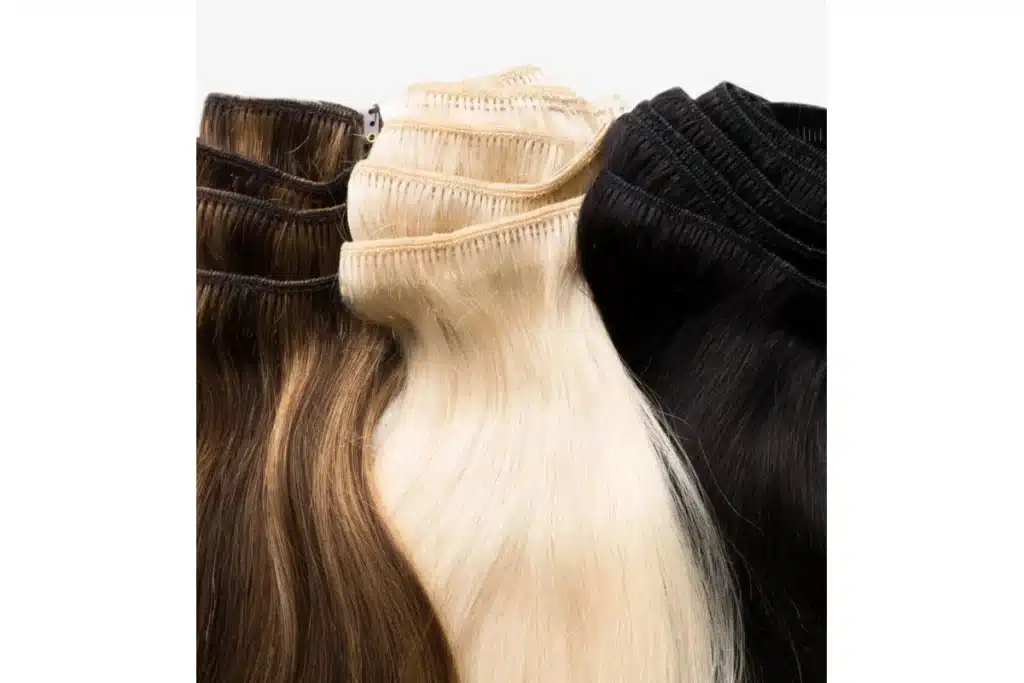
Before ordering halo hair extensions, buyers should check hair grade, wire comfort, weft construction, color matching, weight balance, after-wash softness, texture options, and private label packaging support.
Halo Buying Checklist
| Buying Point | What to Check |
|---|---|
| Hair grade | Full cuticle, Remy, or lower-grade hair |
| Wire comfort | Adjustable, soft, and not easy to snap |
| Weft construction | Flat, stable, and low-shedding |
| Color matching | Root, mid-length, and ends should blend |
| Weight balance | Secure but not heavy |
| After-wash softness | Hair should stay smooth after washing |
| Texture options | Straight, body wave, or custom texture |
| Packaging | Private label options if needed |
My B2B Buying Advice
For salons, stylists, hair brands, and wholesale buyers, I suggest testing halo hair before bulk ordering. First touch is not enough. The buyer should wash it, brush it, style it, and store it. This shows whether the hair can handle real use.
At Hibiscus Hair, we supply full cuticle halo hair extensions for professional buyers who care about long-term softness, stable color, and repeat-order quality. We can support different lengths, colors, textures, weights, and private label packaging.
If you are preparing a halo product line, I suggest starting with your most popular colors and lengths first. Then you can expand after customer feedback is stable.
You can also review our related products:
My View
From my experience with overseas salons and hair extension brands, I think halo hair extensions are a strong product when the customer wants quick styling, low tension, and easy removal.
But I do not judge halo hair only by the wire. The real value comes from the hair quality, color match, weight balance, and comfort.
A client may put the halo in correctly. But if the hair becomes dry after washing or the color does not blend, she will not feel satisfied. This is why professional buyers should test halo hair before bulk ordering.
| Test | Why It Matters |
|---|---|
| Fit test | Shows whether the wire feels comfortable |
| Color test | Shows whether the halo blends naturally |
| Wash test | Shows whether the hair depends on coating |
| Brush test | Shows tangling level |
| Heat styling test | Shows daily use performance |
| Storage test | Shows whether hair stays smooth after repeated use |
For premium salons and brands, full cuticle halo hair is usually a better long-term choice. It can stay smoother longer, reduce tangling, and support better client trust.
My suggestion is simple. Do not judge halo extensions only by first touch. Test the hair after washing, brushing, styling, and storage. That is where real product quality becomes clear.
FAQs
How do you put in halo hair extensions?
Brush your natural hair first, place the halo wire 1–2 inches behind the front hairline, pull your natural hair over the wire with a tail comb, adjust the fit, then blend and style the hair.
Where should the halo wire sit?
The halo wire should sit around the crown, usually 1–2 inches behind the front hairline. It should feel secure but not tight.
How do you hide the wire on halo extensions?
Use a tail comb to pull natural hair over the wire. Make sure enough crown hair covers the wire and the halo color blends with the natural hair.
Why does my halo extension slip?
A halo may slip if the wire is too loose, the hair is too smooth or oily, or the halo is too heavy. Adjust the wire and add light texture at the crown.
Are halo hair extensions good for thin hair?
Yes. Halo extensions can be good for thin hair because they do not use clips, tape, glue, or beads attached to the roots. A lighter halo is usually better for fine hair.
Can I curl or straighten halo hair extensions?
Yes, if the halo is made from human hair. Use heat protectant and moderate heat to protect the hair.
How long do halo hair extensions last?
The lifespan depends on hair quality and care. Standard human hair halo extensions may last several months. Full cuticle halo hair can last 1–2 years with proper care and occasional wear.
Can salons order halo hair extensions wholesale?
Yes. Salons, stylists, hair brands, and wholesale buyers can order halo hair extensions in different lengths, colors, textures, weights, and packaging options from Hibiscus Hair.
Conclusion
Halo hair extensions look natural when wire position, color match, blending, and hair quality work together.
References
[1] American Academy of Dermatology Association: How to Stop Damaging Your Hair ↩