The hair extension market looks crowded because too many names are thrown together in one place. Tape-ins, U tips, genius wefts, halo hair, V-light hair, topper hair. If these methods are not grouped in a smart way, the whole industry feels harder to understand than it really is.I think the clearest way to explain types of hair extensions methods is by installation system.
Once the methods are grouped by how they attach to the hair, the logic becomes much easier to follow. In this guide, I break the market into six method families: tape-based hair extensions, heat-based hair extensions, beaded hair extensions, sewn-in or row-based hair extensions, clip or wire hair extensions, and custom installation methods.
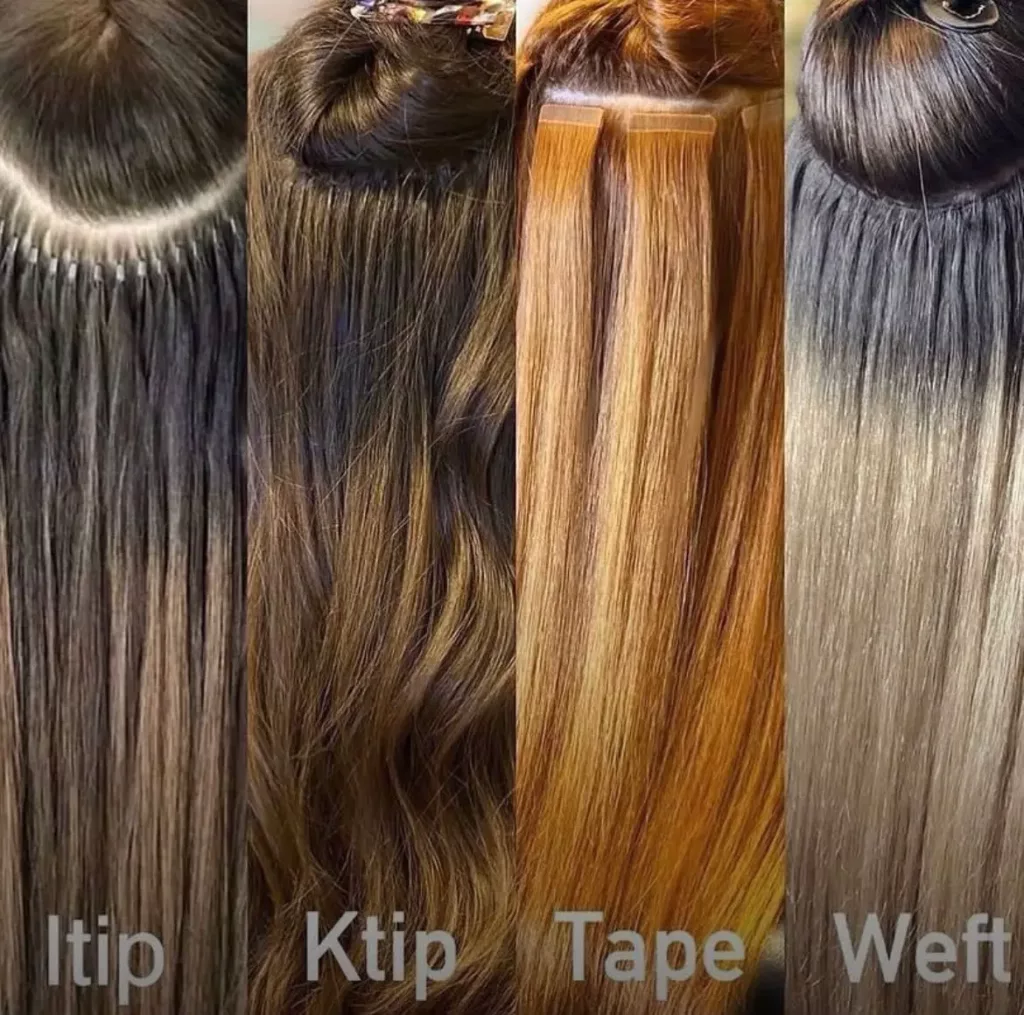
Most articles only list names. I do not think that is enough for a salon owner, wholesale buyer, educator, or hair brand. A useful guide should explain what each method family really does, who it suits, how it fits into a product line, and where the market is moving next. That is why this article focuses on method logic first, not random product names.
Heat-Based Hair Extensions
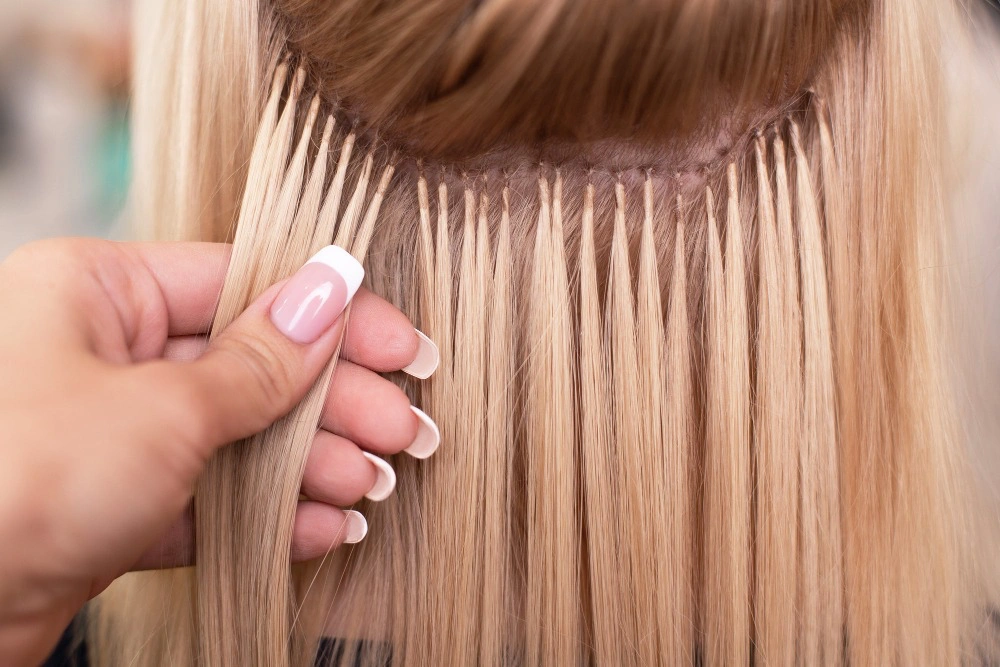
Heat-based hair extensions use melted keratin bonds to attach extension strands to the natural hair. I think this family matters because it represents a classic professional direction in the industry: strand-by-strand precision with long-wear results.
This family includes U tip hair, V tip hair, and flat tip hair. These methods are close relatives, but their bond shapes create different handling and visual effects.
U Tip Hair
U tip hair is one of the best-known bonded systems. The keratin bond is melted and fused to the natural hair with a heat tool. This creates a strong and durable connection.
I think U tip hair stays relevant because it is one of the clearest classic long-wear categories in the market.
V Tip Hair
V tip hair follows the same heat-bond logic, but the bond shape is slimmer and more refined. This usually creates a neater attachment point.
I think V tip hair is especially useful when the buyer wants a bonded category that feels slightly more delicate than a standard U tip system.
Flat Tip Hair
Flat tip hair uses a flat keratin bond. This creates a comfortable attachment point and gives a technician more flexibility in shaping the bond during installation.
I see flat tip hair as one of the most practical heat-based categories because it combines a professional bonded result with better adaptability.
Why heat-based methods still matter
Some buyers think heat-based methods are older and therefore less relevant. I do not agree. I think they still matter because they offer a very specific kind of result: detailed placement, secure long wear, and true strand-by-strand control.
What this family is best for
- longer-wear bonded services
- highly customized placement
- markets that value classic keratin systems
- salons offering more technical install services
| Heat-Based Method | Bond Shape | Main Benefit |
|---|---|---|
| U Tip Hair | U-shaped keratin bond | Strong classic wear |
| V Tip Hair | V-shaped bond | More refined top |
| Flat Tip Hair | Flat keratin bond | Comfortable and flexible |
Tape-Based Hair Extensions
Tape-based hair extensions rely on adhesive attachment. I think this is one of the most commercially important method families because it balances speed, comfort, and broad market appeal. It is often the first salon-friendly method family buyers explore when they want a professional but approachable category.
This family includes classical tape-ins, invisible tape-ins, stitched tape-ins, slim tape-ins, mini tape-ins, and tape wefts. All of them use tape logic, but they solve slightly different problems.

Classical Tape-Ins
Classical tape-ins are the standard version of this method. The natural hair is placed between two tape tabs in a sandwich structure. This creates a secure hold and a clean, flat finish.
I think classical tape-ins remain important because they are easy to explain, easy to stock, and easy to fit into a salon menu. If a buyer wants a practical tape-based category, this is usually the entry point.
Invisible Tape-Ins
Invisible tape-ins improve the top appearance by injecting hair into a thin PU strip, which helps the extension look more like hair growing from the scalp.
This makes the method more attractive for fine-haired clients and for markets where low visibility matters a lot.
Stitched Tape-Ins
Stitched tape-ins add stitched reinforcement across the tape section. I think this is useful because it gives the top more structure and helps improve long-term neatness.
This category makes sense for buyers who want tape-ins with a slightly more engineered top.
Slim Tape-Ins
Slim tape-ins use a narrower tape strip and a lighter build. That gives a flatter feel and a more flexible result, especially on fine or medium-density hair.
I think this is one of the most commercially useful upgrades inside the tape family because it answers the demand for thinner, less detectable systems.
Mini Tape-Ins
Mini tape-ins reduce the section size even more. This makes them easier to use in delicate areas or on clients with thinner or finer hair.
I see mini tape-ins as a detail-focused tape category. They are not trying to replace standard tape-ins. They are trying to solve a finer-hair problem more precisely.
Tape Wefts
Tape wefts sit at the border between tape and weft methods. I still place them here because the installation logic is tape-based, even though the structure feels broader like a weft.
This category is useful when the buyer wants faster coverage and broader application than classic tape tabs can offer.
Why tape-based methods still grow
I think tape-based methods continue to grow because they fit modern salon business well. They are fast enough for efficient appointments, comfortable enough for daily wear, and familiar enough for wide client acceptance.
Best strengths of this family
- fast application
- flat wear
- easy category structure
- broad client appeal
- strong retail and salon crossover
| Tape-Based Method | Main Strength | Best Fit |
|---|---|---|
| Classical Tape-Ins | Familiar sandwich system | General salon services |
| Invisible Tape-Ins | Hidden top area | Fine hair and discreet finish |
| Stitched Tape-Ins | Reinforced structure | Buyers wanting stronger tops |
| Slim Tape-Ins | Lighter and thinner | Fine to medium-density hair |
| Mini Tape-Ins | Smaller sections | Delicate placement areas |
| Tape Wefts | Broader taped coverage | Faster full-head work |
Beaded Hair Extensions
Beaded hair extensions use a ring or bead to hold the extension in place instead of melted keratin or adhesive tape. I think this family is one of the clearest answers for buyers who want a no-heat, no-glue method category.
This group includes I tip hair, nano ring hair, and micro ring hair. These are all strand-by-strand methods, but their attachment logic is bead-based.

I Tip Hair
I tip hair uses a stick-shaped tip inserted into a bead or micro ring. The ring is then clamped to secure the strand.
I think I tip hair is one of the most straightforward no-heat categories because it gives flexible movement and a clear installation concept.
Nano Ring Hair
Nano ring hair uses a much smaller ring than a traditional micro ring. That makes the bond more discreet and more appealing for finer hair or more hidden placement needs.
I think nano ring hair became popular because it solved one of the biggest objections to ring-based methods: visible attachment size.
Micro Ring Hair
Micro ring hair is a more traditional version of bead-based installation. It is practical, glue-free, and reusable in concept, which keeps it commercially relevant.
I see micro ring hair as a good category for buyers who want a reliable no-heat system without moving into the smallest and most delicate bead sizes.
Why beaded methods deserve their own family
I think some articles mix bead systems into keratin categories too loosely. That creates confusion. The method logic is different, and the buyer need is different. A buyer looking for a no-heat, no-adhesive system should be able to see this family clearly.
What this family offers
- no melted bond
- no tape tab
- strand-by-strand flexibility
- reusable logic in some systems
- a different service angle from fusion methods
| Beaded Method | Attachment Type | Main Advantage |
|---|---|---|
| I Tip Hair | Bead or ring | Flexible no-heat placement |
| Nano Ring Hair | Ultra-small ring | Lower visibility |
| Micro Ring Hair | Standard ring | Simple no-glue system |
Sewn-In Or Row-Based Hair Extensions
Sewn-in or row-based methods are one of the most important extension families in professional markets. I think this group carries huge business value because it controls density well, supports premium services, and covers both traditional and newer innovations.
This family includes machine wefts, hand tied wefts, genius wefts, volume wefts, butterfly wefts, and twin tab hair.

Machine Wefts
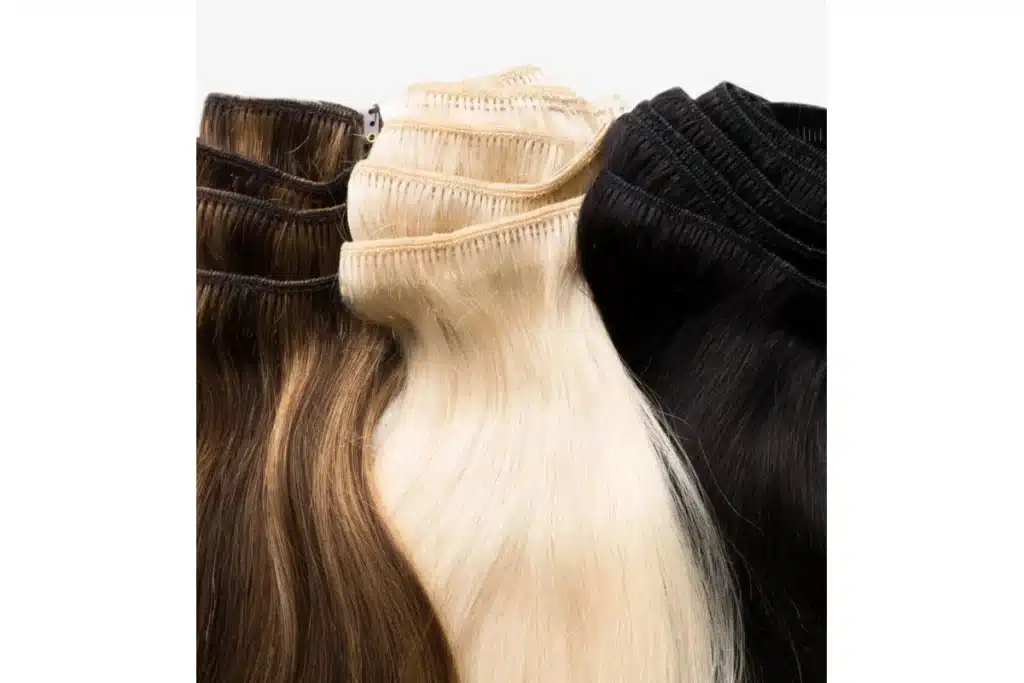
Machine wefts are the traditional sewn weft category. They are durable, practical, and usually easy to cut. This makes them one of the most versatile row-based products in the market.
I think machine wefts still matter because they remain useful, scalable, and commercially broad.
Hand Tied Wefts
Hand tied wefts are made with a much thinner, lighter top. They lie flatter and usually feel more refined than classic machine wefts.
I see hand tied wefts as one of the key luxury categories in the modern salon extension world.
Genius Wefts
Genius wefts combine the thin top feel of hand tied wefts with the cuttable convenience of machine wefts. I think this is one of the most important product evolutions in recent years because it solves both comfort and usability at once.
Volume Wefts
Volume wefts carry more hair in the same width. This helps create fuller installs without needing as many separate pieces. I think this category is especially useful for thicker hair clients and density-heavy services.
Butterfly Wefts
Butterfly wefts use evenly spaced holes across the weft strip. These holes make sewing easier and help reduce installation time.
I think butterfly wefts are important because they represent functional innovation, not just visual innovation. They improve workflow.
Twin Tab Hair
Twin Tab hair is a fast-install method with guide holes and silicone rings, designed to create cleaner sectioning and a secure, neat hold. I think its main value is faster application and a more organized installation structure, rather than acting like a classic tape or standard sewn weft system.
Why row-based methods matter so much
I think this family matters because it controls bulk and density more efficiently than many other systems. It is also where many premium salon services live.
Traditional vs modern row logic
- traditional row logic: machine wefts, hand tied wefts
- newer row logic: genius wefts, butterfly wefts, twin tab hair, volume-focused upgrades
| Row-Based Method | Main Strength | Best Fit |
|---|---|---|
| Machine Wefts | Strong traditional structure | General salon rows |
| Hand Tied Wefts | Thin luxury top | Premium flat installs |
| Genius Wefts | Thin top plus cuttability | Modern premium service menus |
| Volume Wefts | Extra density | Fuller transformation work |
| Butterfly Wefts | Faster sewing workflow | Time-saving installs |
| Twin Tab Hair | Fast and neat sectioning system | Modern speed-focused row applications |
Clip Or Wire Hair Extensions
Clip or wire methods focus on removability, convenience, and lower commitment. I think this family is essential because it serves clients who do not want multi-week attachment and buyers who want strong retail categories.
This group includes halo hair, clip-ins, and topper hair.
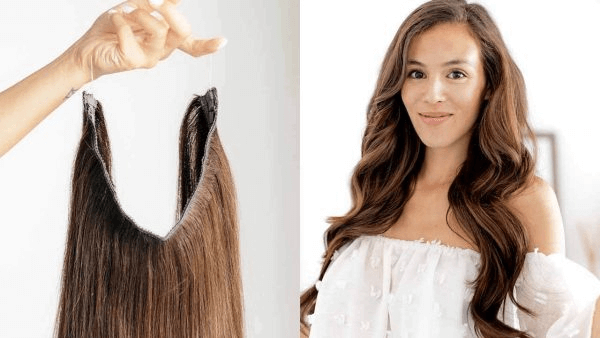
Halo Hair
Halo hair uses an invisible wire around the crown. It avoids glue, beads, tape, and sewing. I think halo hair is one of the gentlest methods because it offers easy wear without fixed attachment.
Clip-Ins
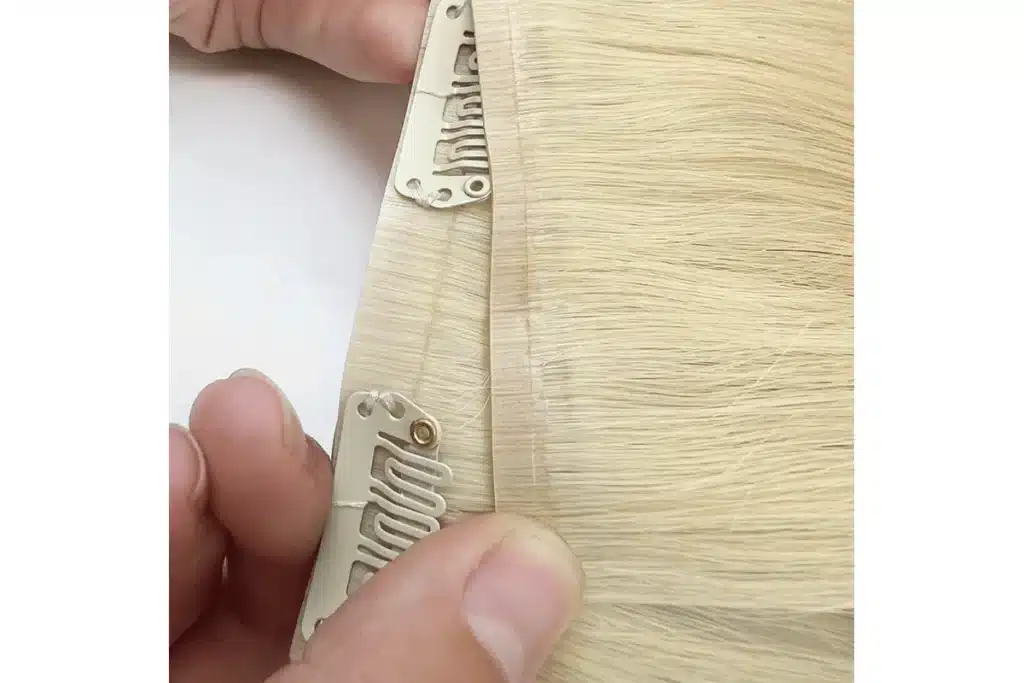
Clip-ins are the most familiar removable extension type. They can add length or volume quickly and come out just as easily. I think clip-ins remain central to the retail extension world because they are accessible and easy to understand.
Topper Hair
Topper hair is different from general volume or length extensions because it focuses on the top or crown area. It is usually attached with clips or another removable structure. I think topper hair is important because it serves a more targeted purpose than classic full-head temporary products.
Why this family is commercially important
This family supports:
- retail sales
- first-time extension users
- clients needing simple wear
- targeted top-area solutions
- fast event or photo styling
What makes it different from long-wear families
The biggest difference is commitment level. These methods do not ask the client to live inside a maintenance cycle in the same way tape, beads, bonds, or rows do.
| Clip Or Wire Method | Main Purpose | Main Benefit |
|---|---|---|
| Halo Hair | Easy full-head enhancement | No fixed attachment |
| Clip-Ins | Temporary length or volume | Fast and familiar |
| Topper Hair | Top-area support | Targeted removable solution |
Custom Installation Methods
Custom installation methods are the most flexible and often the most niche family. I think this category matters because it shows how the market keeps evolving outside the classic commercial structures.
This group includes hair bulk, V-light hair, zero feeling hair method, and cotton string installation.
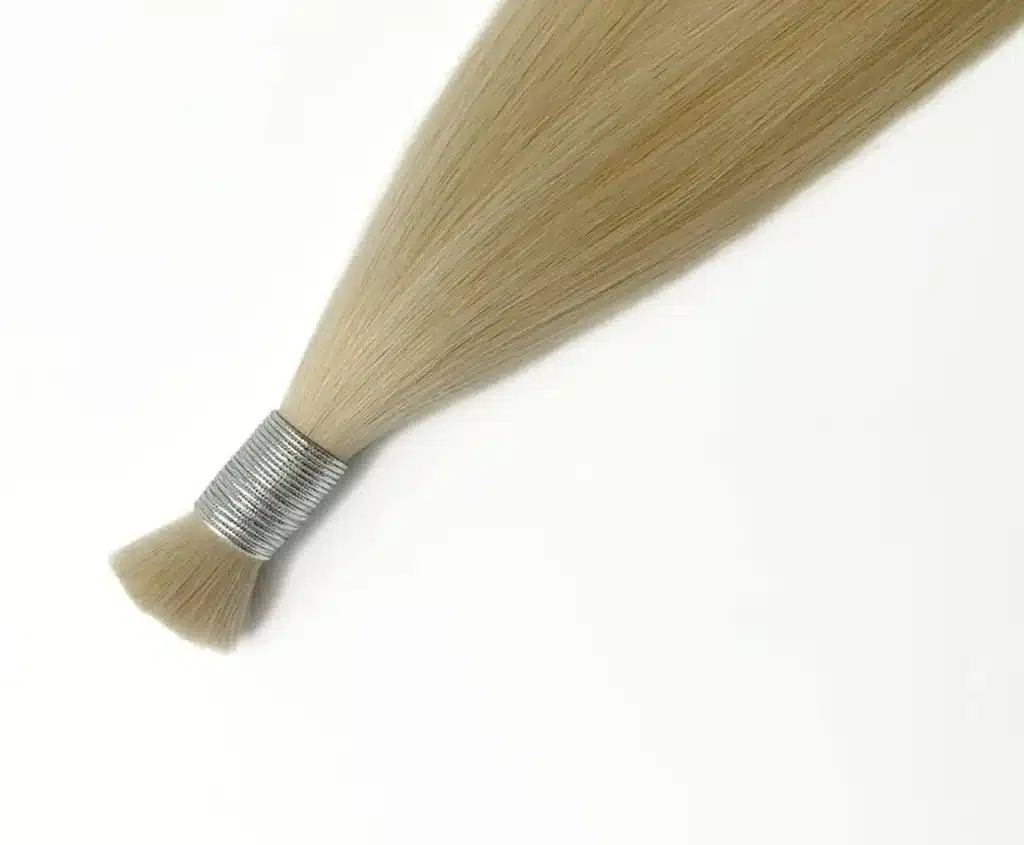
Hair Bulk
Hair bulk is loose extension hair, not pre-made into wefts, tips, or clips. I think it is the most flexible base format because the installation method is decided later.
V-Light Hair
V-light hair is a glue-based detail method often used for very light and more precise placement work. I think it matters because it represents the push toward lighter, more invisible, and more customized attachment styles.
Zero Feeling Hair Method
Zero feeling hair method installs hair by knotting hair to hair directly. It is a niche concept, but I think it is useful to mention because it shows how much the market is experimenting with lighter-feeling systems.
Cotton String
Cotton string installation uses string to tie loose hair into place. It is not the biggest commercial method, but I think it belongs in a complete guide because it reflects the broad creative range of the extension industry.
Why custom methods matter
I think custom methods are especially important for:
- educators
- niche specialists
- innovators
- brands exploring future categories
- buyers who do not want to stay inside mainstream formats only
| Custom Method | Core Idea | Why It Matters |
|---|---|---|
| Hair Bulk | Loose raw extension hair | Most flexible starting format |
| V-Light Hair | Glue-based detail placement | Lightweight modern direction |
| Zero Feeling Hair Method | Hair-to-hair knotting | Very light niche concept |
| Cotton String | String-tied install | Traditional custom logic |
How These Six Method Families Help Buyers Build Better Product Lines
I think grouping methods this way does more than teach definitions. It also helps with real product planning.
A salon, brand, or wholesaler can use these six families to build a more balanced range:
- tape-based for flat and fast installs
- heat-based for classic bonded services
- beaded for no-heat strand placement
- row-based for density and premium installs
- clip or wire for retail and low commitment
- custom methods for niche or advanced solutions
This is very different from collecting random products because they are trending. I think a stronger product line answers different service needs, not just popularity.
A smarter way to think about stocking categories
- What kind of clients are most common?
- Does the buyer need salon-install categories or retail categories?
- Is the focus on fine-hair blending, thick-hair density, or top-area support?
- Does the brand want classic methods, newer innovations, or both?
Why this matters for B2B buyers
A better organized product range makes:
- sales conversations easier
- product pages clearer
- education more structured
- reorder logic simpler
- branding more professional
| Method Family | Best Business Use |
|---|---|
| Tape-Based | Scalable salon service menus |
| Heat-Based | Technical bonded service lines |
| Beaded | No-heat professional categories |
| Row-Based | Premium density-driven services |
| Clip Or Wire | Retail and beginner-friendly ranges |
| Custom | Niche training and innovation |
The New Generation Of Method Design
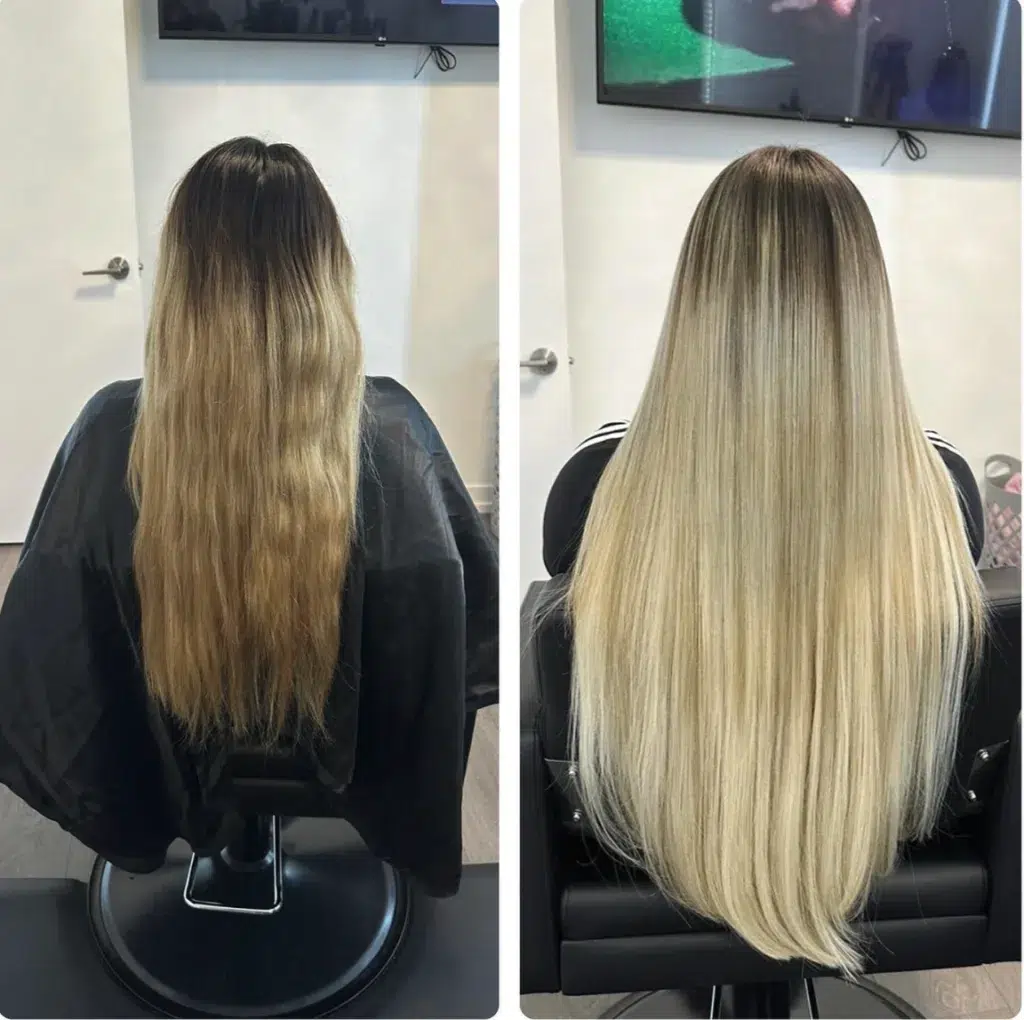
I think another fresh angle in this topic is this: the market is no longer divided only into old-school methods. There is now a clear split between traditional systems and newer engineered systems.
Traditional systems include:
- classical tape-ins
- machine wefts
- U tip hair
- micro ring hair
- clip-ins
Newer engineered systems include:
- invisible tape-ins
- slim tape-ins
- genius wefts
- butterfly wefts
- twin tab hair
- V-light hair
%traditional vs new generation hair extension methods
The new generation is trying to solve a few recurring problems:
- too much bulk
- too much visibility
- too much installation time
- too little flexibility
- too much discomfort at the top
I think this is an important angle because it helps explain why the market keeps producing new sub-types. Buyers are not just inventing new names for fun. They are trying to solve clear functional problems.
What the new generation is aiming for
- thinner tops
- cleaner blending
- faster install
- lighter feel
- easier customization
My Opinion
I think installation logic is the clearest way to explain types of hair extensions methods. It makes the whole market feel less random and much more professional.
That is why I prefer this six-family structure. Tape-based methods solve one need. Heat-based and beaded methods solve another. Row-based systems control density and premium salon work. Clip and wire methods serve flexibility and retail. Custom methods show where the market can still move next.
I also think one truth stays the same across every family: the method alone does not create premium quality. Good hair material still matters most.
FAQ
What are the main types of hair extensions methods?
The main types of hair extensions methods can be grouped into tape-based, heat-based, beaded, sewn-in or row-based, clip or wire, and custom installation methods.
Is Twin Tab hair a tape method?
I do not think Twin Tab hair should be described as a normal tape method. Its installation uses guide holes and silicone rings, so it is better understood as a modern structured row-supporting system.
What is the difference between heat-based and beaded methods?
Heat-based methods use melted keratin bonds, like U tip, V tip, and flat tip hair. Beaded methods use a ring or bead, like I tip, nano ring, and micro ring hair.
Are tape wefts and wefts the same thing?
Not exactly. Tape wefts use tape-based attachment logic, even though the structure feels broader like a weft.
What are the newest method directions in the extension market?
Some of the newer directions include slim tape-ins, genius wefts, butterfly wefts, Twin Tab hair, and V-light hair.
Conclusion
Types of hair extensions methods are much easier to understand when they are grouped by installation system, because that shows how each family works, what problem it solves, and how it fits a real product line.