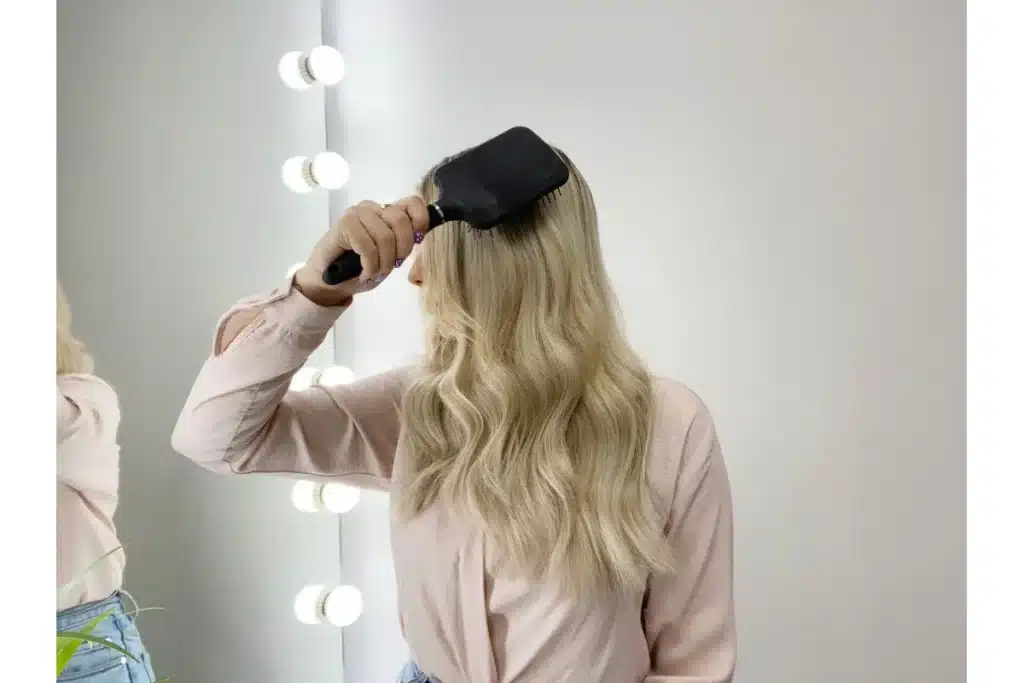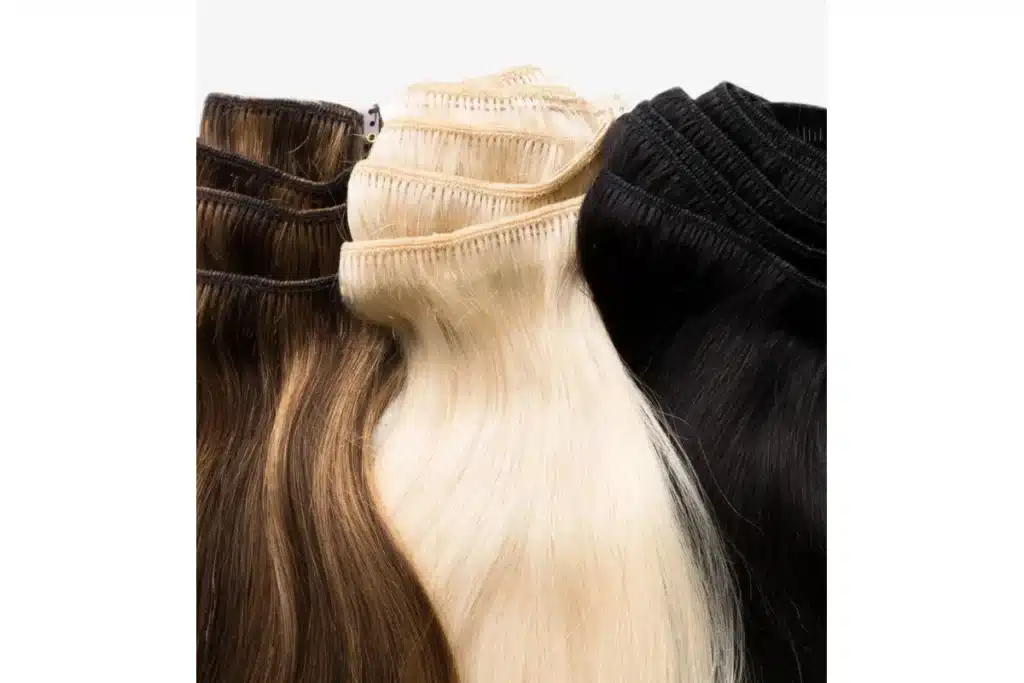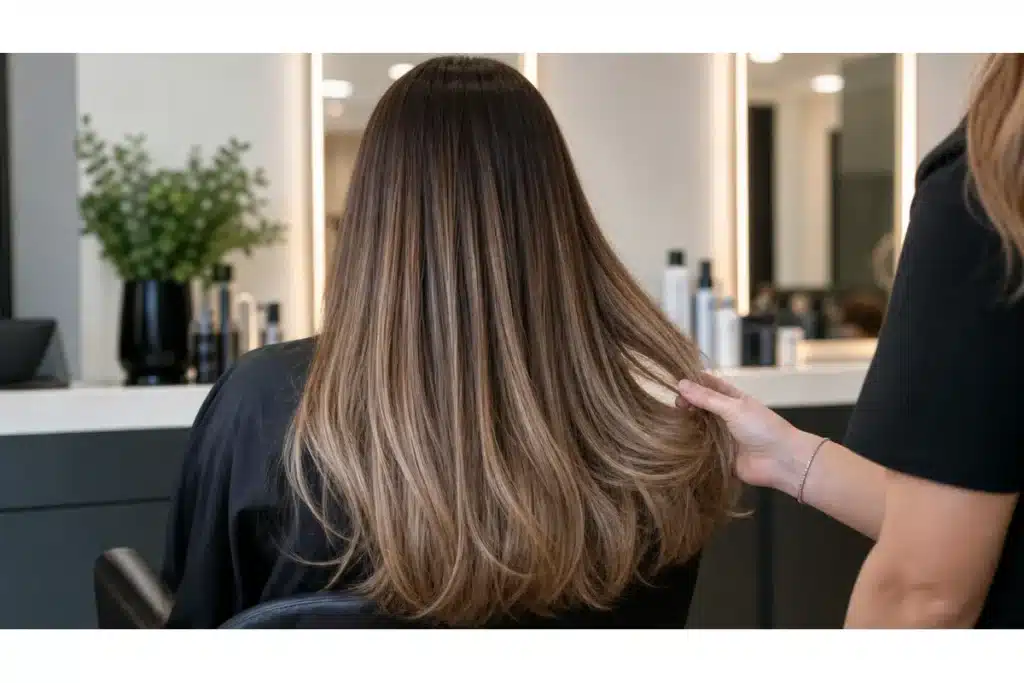
A tape-in installation can look completely seamless with the hair down, only to reveal visible tabs the moment a client pulls their hair into a half-up style.
Achieving invisible tape extensions requires matching tab placement directly to the client’s daily styling habits. While hair worn loose naturally conceals perimeter rows, half-up styles, low chignons, and high ponytails require precise crown, side, and nape clearance.
Mapping Tape-In Placement by Hairstyle
Before applying adhesive, evaluate how perimeter and sectioning lines shift during different styling movements.
Pre-Installation Movement Test
Always conduct a dry placement test prior to securing rows:
1.Have the client pull, lift, or twist their hair into their preferred style while observing attachment coverage in the mirror.
2.Have the client sit naturally and demonstrate their everyday parting.
3.Hold a single tape-in sample tab against the proposed row section.
Hairstyle Coverage & Inspection Protocol
| Desired Hairstyle | High-Risk Exposure Zones | Salon Inspection Protocol | Technical Remediation |
| Loose / Hair Down | Crown partings, outer temple sections | Shift part line dynamically while checking for tab outline visibility | Drop placement 1–2 cm lower from the main parting line |
| Half-Up Top Knots | Mid-crown, superior auricular (above ear) rows | Isolate the exact top section the client gathers daily | Use micro-tabs or narrow mini-wefts near side borders |
| Low Ponytails / Buns | Occipital perimeter, lower nape hairlines | Gather natural hair at true ponytail height without manual coverage | Maintain a minimum 2–3 cm natural hair border at the nape |
| High Sleek Ponytails | Perimeter sides, inferior nape rows | Elevate hair to full height under tension; inspect tab alignment | Avoid installing full-width tabs past the parietal ridge |
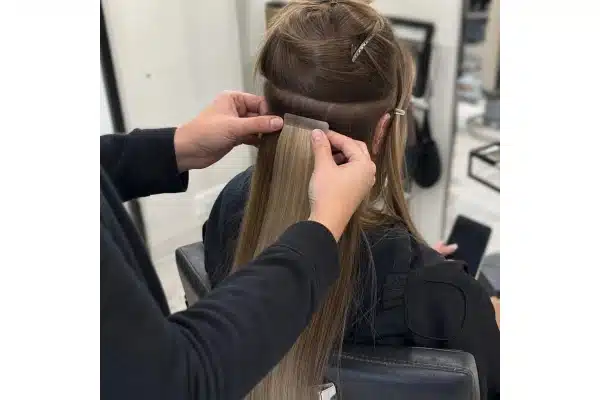
2. Adapting Placement for Half-Up Hairstyles
Wearing tape-in extensions in a half-up style depends heavily on the volume of natural hair reserved for top coverage.
Sectioning Evaluation
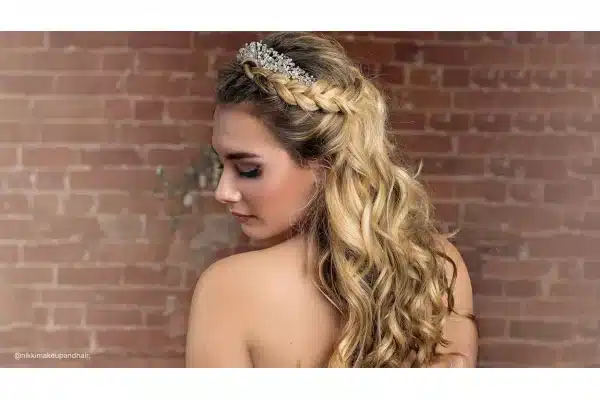
Clients pull “half-up” styles differently: some gather only a narrow crown section, while others pull back everything above the ears.
Fine Side Hair: Replace full-width tape tabs (typically 4 cm) with micro-tabs or cut mini-tapes (2 cm) along side perimeters to enhance blending without overloading fine natural hair.
Narrow Crown Gather: Exposes tabs placed high along the parietal ridge. Keep upper rows positioned lower toward the occipital bone.
Broad Side Sweep: Pulls hair tightly over the ears, exposing superior side tabs.
3. High vs. Low Updos: Perimeter Management
Updos expose hair margins that remain hidden when hair hangs naturally.
True-Height Ponytail Testing
Ask the client to tie their typical ponytail during consultation. Observe natural density along the nape and temple margins:
Sleek & Tight Updos: Pulling hair taut across the scalp flattens natural hair and elevates tab edges. If a client frequently wears sleek bridal updos or high athletic ponytails, evaluate whether micro-rings or keratin bonds may better suit their lifestyle needs.
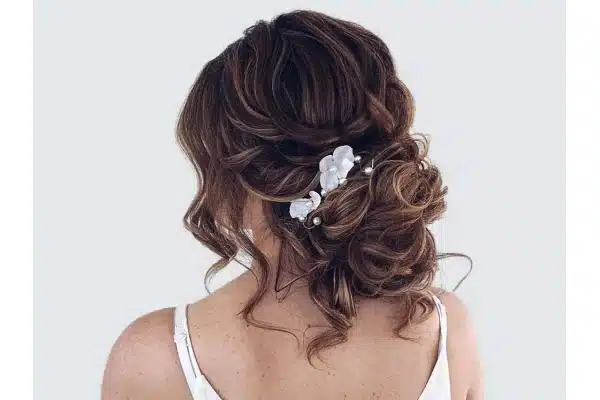
Low Ponytails & Chignons: Generally easier to conceal, provided nape tabs sit at least two finger-widths above the lowest hairline.
4. Documentation & Consultation Protocol for Repeat Visits
Documenting precise placement layouts prevents tab exposure issues on subsequent installations.
Internal Technical Mapping
Photograph the finished installation from multiple angles with client consent:
- Down View: Validates perimeter blending and end-density transition.
- Styling Tension View: Shows half-up or updo clearance at side and nape margins.
Log exact SKU details, tab widths, and row clearance metrics in the client’s technical card rather than relying on memory.
Summary & Best Practices
Designing tape-in extension layouts around actual styling habits ensures long-term client satisfaction. By evaluating tab visibility under movement during initial consultations, utilizing mini-tabs along delicate perimeters, and maintaining detailed technical placement records, salons can deliver versatile, completely hidden extension results.
Frequently Asked Questions
Can tape-in extensions be worn in a sleek high bun?
They can, but sleek high updos pull hair taut from the nape and side perimeters where tabs are most easily exposed. Always perform a tension test during consultation; if natural perimeter density is sparse, consider using micro-tabs or alternative hybrid application methods.
Does a low ponytail automatically hide tape tabs?
Not always. If lower nape rows are placed too close to the hairline, gathering the hair upward into a tie will invert the tabs and expose the edges. Maintain a clear natural hair perimeter of at least 2 to 3 cm at the nape.
Should salons use mini-tabs or half-width tape pieces for updos?
Yes, using single mini-tabs or pre-cut half-width pieces along side perimeters and crown margins allows for greater flexibility and easier concealment under lifted sections while maintaining comfortable weight distribution.
Conclusion
Tape extensions hairstyles are easier to plan when the client shows how they part and tie their hair. Test tabs in those movements before installation, not just with the hair down. Save simple style photos and row notes so the next appointment starts with a plan that matches real life.