The tape tabs disappear, but the haircut still has a hard step. More hair alone may make that line heavier, not softer.
Layering tape in hair extensions works when the stylist plans the finished outline first. Match the client’s cut, place enough hair near the visible edge, and blend the lengths with a careful finishing cut. Very blunt natural ends may still show through a light-volume pack.
This is about the visible haircut after installation. For scalp spacing and tab alignment, use a separate placement guide. Here we will look at the end line a client sees in the mirror.
Why Does Layering Tape In Hair Extensions Matter on a Blunt Cut?
A blunt natural edge can sit like a shelf over longer extension hair. Layering and enough end density help those lengths look connected.
Find the line before opening the packs
Comb the natural hair straight and ask the client to look forward. Photograph the back at the same height you will use for the finished photo. Mark where the natural ends stop. If those ends are thick and the new hair is much longer, the shelf will be visible unless the extension plan supplies enough hair below it.
The amount of hair matters, but weight alone does not tell the full story. A wider piece spreads the same weight over more space. A short side row may fill a hollow area that a long back row cannot. Before cutting anything, hold a sample against the natural edge and let the client see the gap.
| Starting haircut | What the eye may notice | First plan to test |
|---|---|---|
| Short, blunt perimeter | Sharp line above thin extension ends | Compare fuller ends and a shorter length jump |
| Soft layers already present | Less obvious step, but thin sides | Add targeted side pieces before more back weight |
| Dense hair with a heavy top | Top layer covers tabs but sits apart from new length | Build a balanced lower outline, then finish the cut |
| Fine hair with light ends | Too much added hair can look separate | Start with a modest amount and check movement |
These are fitting questions, not a promise that one pack size solves every haircut. Our tape-in pack-size guide is useful when the salon needs to turn that outline plan into a hair order.
Should We Add More Tape Pieces or Cut More Layers?
Decide which problem is visible. A thin lower edge needs hair; a hard natural shelf may need careful blending. Cutting cannot create fullness that is not there.
Compare the outline before cutting
Imagine a client with a shoulder-length bob who wants long, smooth hair for an event. The stylist installs a small amount of tape hair and sees a strong horizontal line at the natural ends. Cutting deep layers into the new hair may only make the lower outline thinner. The better consultation is to compare a fuller hair plan or a shorter finished length before taking scissors to the set. This is a general salon example, not a customer case from our records.
Once the hair amount is right, the stylist can soften the transition with a finishing cut. Do not assume every extension bundle should be cut the same way. A dense, blunt finish may need a different shape from a loose, layered style.
Our guide to cutting tape-in extensions deals with the cutting step itself. This article starts earlier: should that installed amount of hair be asked to do the job at all?
Where Should the Hair Sit for a Softer Finish?
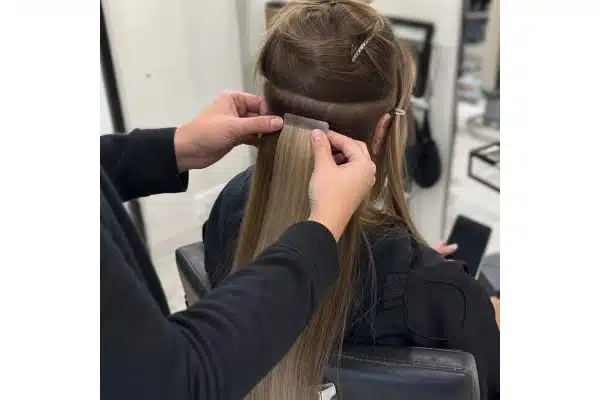
Place pieces where they fill the visible gaps in the finished style, then check the side and back together. A perfect back view can still leave a thin front edge.
Watch the hair move
After holding the test pieces, ask the client to turn slightly and bring hair forward over one shoulder. If the front looks empty while the back is full, moving some planned hair toward the side may help more than adding another back row.
The tape-in placement guide explains how to keep tabs covered and comfortable. Those rules still apply here. We would not put a tab near the hairline just to fill a front gap. First check whether a smaller piece, a different row, or a shorter length gives the desired shape without exposing the attachment.
Check under two lights
Use the salon mirror, then look near a window or in even daylight. A shade difference can make a layer line look stronger. If the length match is good but the ends look too warm, do not solve that by adding more hair. Separate the shape problem from the color problem before changing the order.
What Should a Salon Ask Before Ordering Hair for a Layered Result?
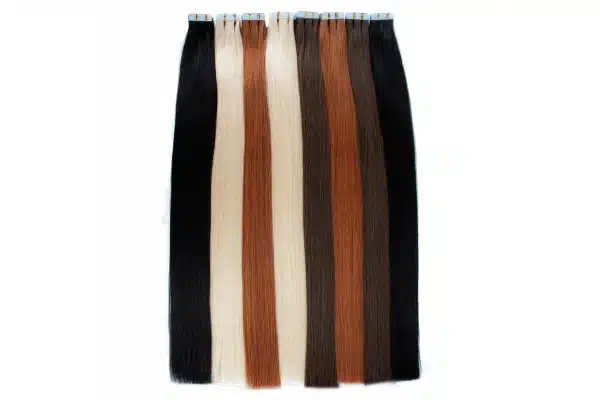
Send the supplier the natural length, target length, desired end fullness, and finished product format. Ask for a physical sample when the jump is large.
Photograph the haircut from the back and side with the client’s permission. Keep the hair unstyled in at least one image so the natural edge is visible. Add the target finished length and whether the client wants a straight or softly waved finish. A wave can hide a line in one photo, but the client may wear hair straight the next day.
We would also compare the ends of the proposed tape in hair extensions with the sample weight shown on the quote. If the sample is a thick folded piece and the order is a thinner finished pack, the client may not get the same outline. Record what was actually approved.
My View
We would solve the haircut problem before choosing a package count. The moment a stylist sees a blunt line hanging over longer hair, it is tempting to add a few pieces and hope the finishing cut will hide it. Sometimes that works. Sometimes the extra pieces only make the upper section heavier while the lower ends still look thin.
Hold the proposed hair against the client’s actual edge first. Ask the client to look from the back and both sides. If the gap is mainly at the front, plan for the sides; if the entire lower outline looks sparse, reconsider the total hair or target length. Then cut to blend, not to compensate for missing hair. We do not need one fixed gram rule for every blunt cut. We need a sample and a clear finished outline before the order is made.
Frequently Asked Questions
Can tape-ins blend with a very short blunt bob?
Sometimes, but the length jump and end fullness matter. Test a real piece against the natural edge before promising a long, smooth finish from a light pack.
Will a curled style hide the natural line?
A wave can soften the look in a photo, but the line may return when the client wears hair straight. Check both looks during consultation.
Should the salon cut the client’s own hair first?
That is a stylist decision made with the client’s consent and desired haircut. Do not cut the natural hair solely because the extension plan is too light or too long.
Conclusion
Layering tape in hair extensions is a shape decision as well as an installation decision. Find the natural edge, test enough hair to fill the lower outline, then blend the finished service carefully. If the sample cannot hide a blunt line, change the hair plan before cutting more layers into it.