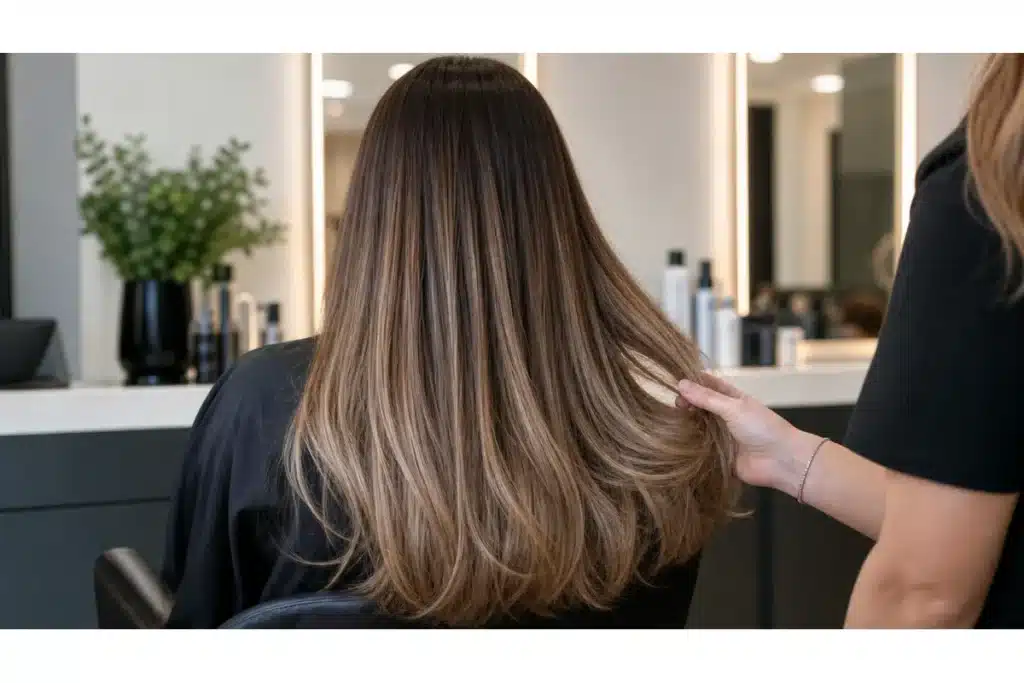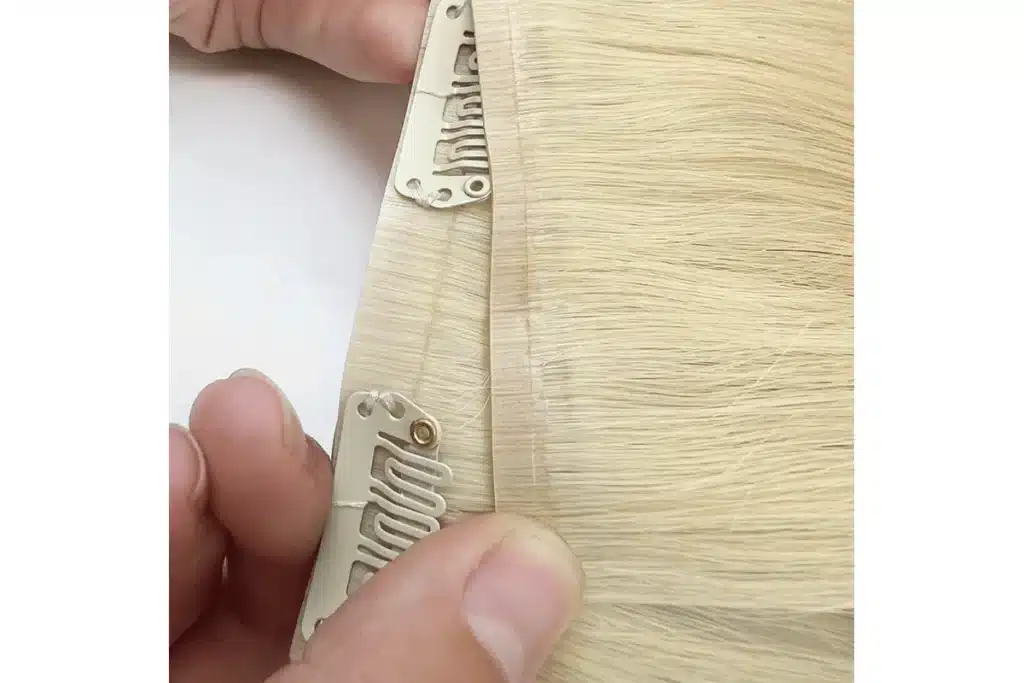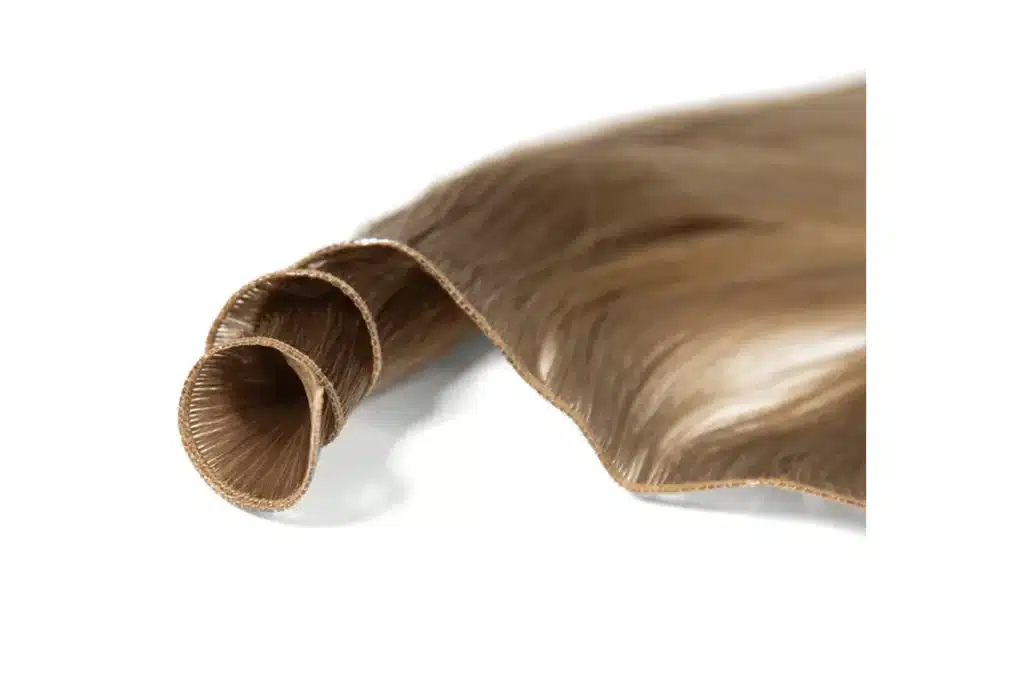
A lot of people ask this question because hair extensions look easy from the outside. But once real clients, scalp safety, method choice, and long-term wear come in, the issue becomes more serious. From a professional supply and factory-side view, selling extension hair is one thing. Installing it correctly is another.
You do not always need a formal qualification to do hair extensions, because the legal rule depends on your country, state, or local licensing system. But if you want to do extension services professionally, proper training, method knowledge, and safe installation skills are necessary.

This is not only a legal question. It is also a standards question. Someone may be allowed to offer extension services in some places, but that does not automatically mean they can do them safely, neatly, or professionally.
Why This Question Is More Serious Than It Looks
Hair extensions are often treated like a beauty add-on. In reality, they are a technical service. The installer is not only adding more hair. The installer is managing weight, tension, placement, blending, client comfort, maintenance, and removal.
That is why this question cannot be answered with a simple yes or no. The legal answer depends on location. The professional answer depends on skill.
There Are Two Different Questions Here
Most people mix these two together:
- Am I legally allowed to do hair extensions?
- Am I professionally qualified to do them well?
Those are not the same thing.
The Law Decides Permission
In some places, extension work falls under cosmetology or hairdressing licensing rules. In some places, some extension services may be treated more loosely. That part depends on local regulation, not opinion.
Real Work Quality Depends on Training
Even if someone is legally allowed to work, the result can still be poor if they do not understand:
- sectioning
- placement
- method suitability
- tension
- weight balance
- removal
- aftercare guidance
| Question | What Decides It |
|---|---|
| Can I legally offer this service? | Local laws and licensing rules |
| Can I do it safely and professionally? | Training and technical ability |
| Will clients trust me long term? | Results, safety, and consistency |
From a factory-side angle, this matters because bad installation is often blamed on the hair, even when the real problem is poor technique.
What Is the Difference Between Licensing and Certification?
This distinction is one of the most useful parts of the discussion.
Licensing usually relates to legal permission to work in a regulated beauty field. Certification usually means specialized training in a certain extension method, brand system, or technical service.

Licensing Is About Legal Right to Operate
A license usually shows that the person has met the basic legal requirements to work in a beauty profession in a certain area.
Certification Is About Method-Specific Training
A certification usually shows that the person has completed specific training in a method such as:
- tape-ins
- keratin bonds
- wefts
- micro links
- brand-specific systems
One Does Not Fully Replace the Other
A person can sometimes have legal permission without deep extension training. A person can also have extension training but still need to check whether a local license is required.
| Term | Main Meaning |
|---|---|
| Licensing | Legal permission to work |
| Certification | Specialized technical training |
| Both together | Stronger professional credibility |
For real clients, this distinction matters because a person may legally operate, but still not have enough extension-specific skill. That is where many service problems begin.

What Can Go Wrong If Someone Is Not Properly Trained?
This is the part many beginners underestimate. Poor extension work is not just a style problem. It can become a hair and scalp problem.
If someone installs hair extensions without proper training, the most common results are poor blending, discomfort, visible bonds, slippage, breakage, and unnecessary stress on the natural hair and scalp.
Hair Damage
Bad installation can cause:
- breakage
- tension stress
- uneven load on weak hair
- weak reinstallation value later
Scalp Problems
If the work is too tight, too heavy, or too rough, clients may experience:
- tenderness
- irritation
- headaches
- traction-related stress
Aesthetic Problems
Even when there is no major damage, poor extension work often leads to:
- visible tapes or bonds
- bulky top sections
- uneven lengths
- bad color blending
- unnatural shape
| Common Mistake | Likely Result |
|---|---|
| Too much tension | Discomfort and stress |
| Wrong method for the client | Poor wear and complaints |
| Bad placement | Visible bonds or awkward shape |
| Weak removal | Breakage and loss |
| Poor blending | Unnatural finish |
This is why I do not treat training as optional just because some markets may not regulate every extension service the same way.
Why Proper Training Still Matters Even If a License Is Not Always Required
This is where many people make the wrong conclusion. They hear that some places may not require a formal extension-specific license, and then they assume training does not matter. That is the wrong takeaway.
Training still matters because hair extension work is a technical service. Good results depend on method knowledge, hair judgment, installation precision, removal skill, and aftercare guidance.
Method Knowledge Changes Everything
Each method works differently:
- tape-ins sit flat and need clean adhesive placement
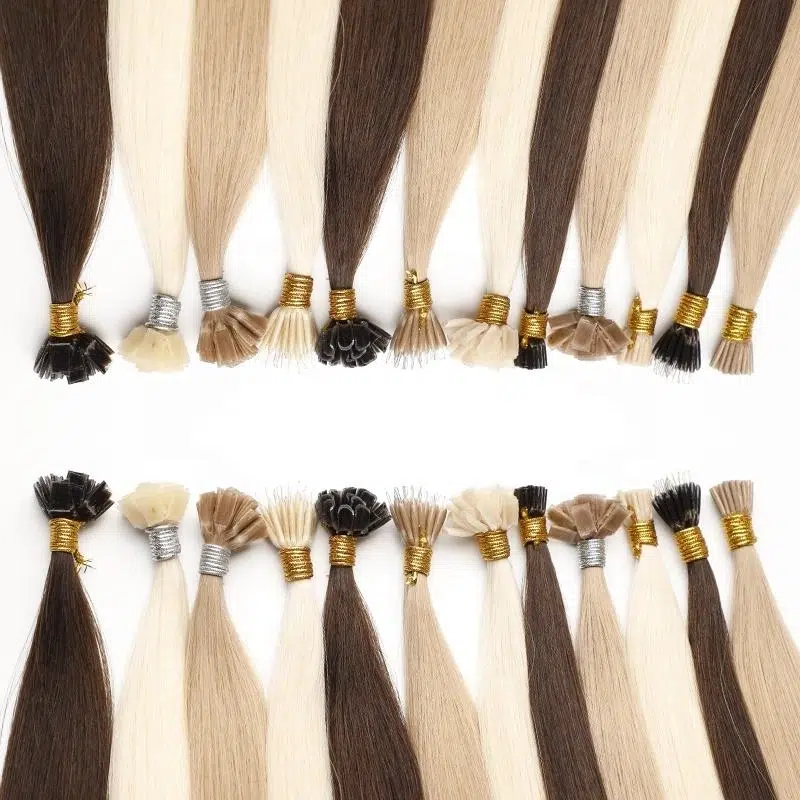
- keratin bonds need correct heat, bond size, and clean removal
- wefts need correct tension balance and secure placement
- clip-ins are easier, but still need proper blending
Product Knowledge Matters Too
A serious extension professional should understand:
- lower-grade processed hair
- standard Remy hair
- full cuticle hair
- how hair quality affects wear, softness, tangling, and reuse
Removal Is Part of Qualification Too
Putting extensions in is only half the service. If removal is rough, the service was not truly professional.
| Training Area | Why It Matters |
|---|---|
| Consultation | Prevents bad client-method matching |
| Hair quality judgment | Prevents wrong product choice |
| Installation skill | Affects comfort and durability |
| Removal skill | Protects natural hair |
| Aftercare education | Protects long-term results |
From a business angle, training protects more than the client. It protects reviews, referrals, repeat bookings, and brand reputation.
Do Different Hair Extension Methods Require Different Levels of Skill?
Yes, absolutely. And this point should not be ignored.
Different extension methods do not require the same level of technical control. Some methods are simpler and safer for beginners. Others need much stronger judgment and hands-on precision.
Quick-Install and Temporary Methods
Methods like:
- clip-ins
- ponytails
- halos
- bangs

are easier in general because they are detachable and lower-risk. They still need taste and blending skill, but they are not the same as long-wear installed systems.
Tape-In Extensions
Tape-ins look simple, but they are easy to do badly. Poor placement or rough removal can still damage the hair.

1
1
1
Keratin Bond Extensions
These usually need a higher skill level because the installer must control:

- bond size
- heat
- sectioning
- placement
- removal
Weft and Sew-In Methods
These also need technical judgment, especially around:

- tension
- base structure
- weight distribution
- scalp protection
| Method Type | Skill Demand |
|---|---|
| Clip-ins / halo / ponytail | Lower technical risk |
| Tape-ins | Medium technical demand |
| Keratin bonds | Higher technical demand |
| Wefts / sew-ins | Medium to high depending on method |
So when someone asks, “Do I need qualifications?” I would also ask back, “Which extension method are you talking about?” Because the answer is not equally serious across every category.
Do You Need the Same Qualification to Sell Hair Extensions as to Install Them?
No. These are different roles, and they should not be confused.
Selling hair extensions does not require the same hands-on qualification as installing them. But a serious supplier still needs real product knowledge, honest guidance, and enough method understanding to recommend the right hair properly.
Sellers Need Product and Market Knowledge
A professional supplier should understand:
- hair quality differences
- product categories
- who each method fits
- how salons and brands buy
- what affects longevity and reuse
Installers Need Technical Service Skill
An installer needs all of the above, plus:
- practical method skill
- placement control
- tension control
- removal skill
- real consultation ability
| Role | Main Requirement |
|---|---|
| Supplier / wholesaler | Product and market knowledge |
| Installer / stylist | Technical service ability |
| Educator / trainer | Deeper correction and method knowledge |
From a factory-side point of view, a good supplier should not pretend to be a stylist. But they should know enough to guide buyers in the right direction.

What Is the Best Practical Standard to Follow?
This is the most useful way to end the discussion.
The best practical standard is this: always check local legal requirements first, but do not stop there. Even if the law is flexible, you should still get proper training before offering extension services professionally.
Start With Local Rules
If your area requires a cosmetology or hairdressing license, that part is not optional.
Then Add Extension-Specific Training
A general license does not always mean deep extension skill. So extension-specific training still matters.
Build Real Service Readiness
Before working on paying clients, a serious professional should be able to:
- choose the right method
- install correctly
- remove safely
- explain aftercare clearly
- judge when a client is not a good fit
| Standard | Why It Works |
|---|---|
| Check law first | Protects legal compliance |
| Train in specific methods | Protects service quality |
| Practice before offering services | Protects client results |
| Keep learning | Protects long-term professionalism |
This is the more honest answer. The goal is not just to “be allowed.” The goal is to be ready.
My View
From my point of view, the answer is simple once U separate the legal issue from the professional issue.
Legally, the rule depends on where U work. Professionally, yes, U do need to be qualified if U want to do hair extensions properly. Maybe not always through one exact formal license, but definitely through training, real technical skill, and enough judgment to protect the client’s natural hair.
From a factory and professional supply angle, I would always rather work with trained extension professionals than with people who only know how to attach hair quickly. Good extension work protects the product, the client, and the business.
Conclusion
You do not always need a formal qualification to do hair extensions, because the legal rule depends on location. But if U want to do them professionally, proper training and real technical skill are absolutely necessary.
1
Hibiscus Hair Manufacturer has been dedicated to producing high-quality hair extensions for 25 years and is a recognized leader in the industry. If you are interested in finding a reliable hair extensions supplier and wholesale for your brand, please visit our website for more information: