
Importing hair extensions into the USA can look simple until customs classification becomes unclear. One wrong HS or HTS code may lead to shipment delays, document questions, duty corrections, or extra communication with your broker.
For many finished human hair extension products, U.S. importers often review HTS 6704.20.00.00, which covers articles of human hair. HTS 6703.00.30.00 is generally more related to human hair prepared for use in making wigs or similar articles. The final code still depends on product form, material, processing level, and use.
For salons, hair brands, and wholesale buyers, HS code classification is not only a paperwork detail. It affects customs clearance, landed cost, supplier documents, and import planning.
This guide explains the common U.S. HTS codes related to hair extensions, why classification can vary, and what buyers should check before shipping.

What Is an HS Code?
Many importers first hear about HS codes when a shipment is ready to move. But the code should be checked before the order ships.
An HS code is an international product classification code used in customs trade. The first 6 digits are based on the Harmonized System. In the United States, the code is extended into a 10-digit HTS code under the Harmonized Tariff Schedule of the United States.
HS Code vs HTS Code
| Term | Meaning | Used For |
|---|---|---|
| HS Code | International 6-digit product classification code | Global customs classification |
| HTS Code | U.S. 10-digit tariff classification code | U.S. import duties and statistics |
| HTSUS | Harmonized Tariff Schedule of the United States | Official U.S. import tariff classification system |

The World Customs Organization maintains the Harmonized System framework. Countries then use that system to build their own tariff schedules. This is why the first 6 digits may look similar across countries, while the final digits can differ.
For U.S. imports, buyers should not rely only on a general HS code from a supplier invoice. The U.S. importer or customs broker should check the correct HTS code before entry.
Common U.S. HTS Codes Related to Hair Extensions
This is where many hair extension importers get confused. Human hair, processed hair, wigs, wefts, tape-ins, tip extensions, and synthetic hair products may not all use the same HTS code.
For many finished human hair extensions imported into the USA, HTS 6704.20.00.00 is often the code buyers review first. It covers wigs, switches, and similar articles of human hair, as well as other articles of human hair.
HTS 6703.00.30.00 is different. It generally applies to human hair that has been dressed, thinned, bleached, or otherwise worked and prepared for use in making wigs or similar articles.
That difference matters. Finished extensions are not always classified the same way as prepared hair material.
| HTS Code | General Description | Common Relevance |
|---|---|---|
| 6703.00.30.00 | Human hair, dressed, thinned, bleached, or otherwise worked, prepared for use in making wigs or the like | Processed human hair material |
| 6704.20.00.00 | Wigs, switches, and similar articles, of human hair; articles of human hair not elsewhere specified or included | Many finished human hair extensions |
| 6704.11.00.00 | Complete wigs of synthetic textile materials | Synthetic wigs |
| 6704.19.00.00 | Other articles of synthetic textile materials | Some synthetic hair pieces or extensions |
One buyer once asked why her forwarder used 6704 instead of 6703 for finished hair extensions. The simple answer is that 6703 is more about prepared hair material, while 6704 is more often used for finished hair articles such as wigs, switches, and similar human hair products.
This is also why a product description matters. “Human hair” alone is not enough. Customs needs to know whether the shipment is bulk processed hair, weft hair, tape-in extensions, tip extensions, wigs, synthetic pieces, or another finished article.
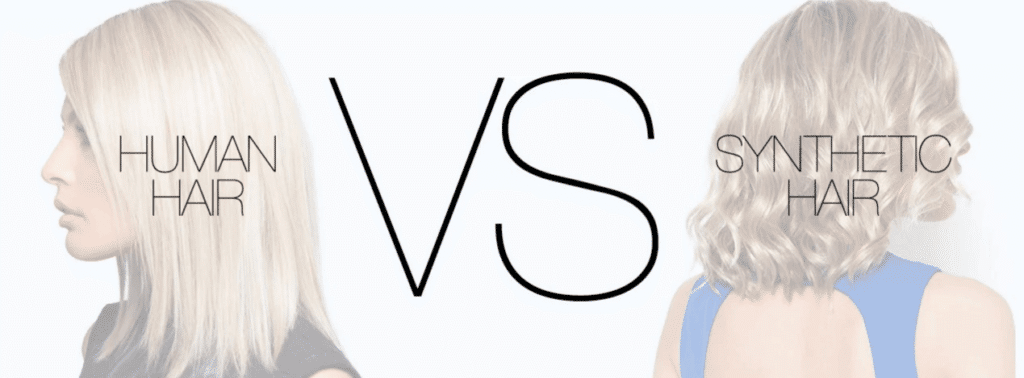
Why Can Hair Extensions Be Classified Under Different Codes?
Hair extension classification depends on material, product form, processing level, and whether the product is a finished article.
Human hair extensions may fall under different headings because customs classification looks at what the product is at the time of import. Bulk processed hair is not the same as a finished tape-in, weft, clip-in, or pre-bonded extension.
What Customs May Look At
| Factor | Why It Matters |
|---|---|
| Material | Human hair, synthetic fiber, animal hair, or mixed material may be classified differently |
| Product form | Bulk hair, weft, tape-in, tip hair, wig, ponytail, and hairpiece may need different checks |
| Processing level | Raw, cleaned, dressed, colored, sewn, bonded, or finished products may not be treated the same |
| End use | Hair prepared for making wigs is different from a finished wearable hair product |
| Packaging | Retail packs, salon packs, or bulk supply may affect how the product is described in documents |
From an export and supplier side, I see this issue most often when the commercial invoice only says “hair extensions.” That description is too broad. A better invoice description should include product type, material, and form.
For example, “100% human hair tape-in extensions” is clearer than “hair goods.” “Human hair weft extensions” is clearer than “human hair.” Clear product descriptions can help the customs broker classify the goods more accurately.

How Should Importers Confirm the Correct HTS Code?
The safest way is to confirm the code before shipping, not after the shipment reaches customs.
Importers should check the current U.S. HTS, review CBP rulings when available, and work with a licensed customs broker. Suppliers can provide product details, but the U.S. importer is usually responsible for correct customs entry.
Practical Checklist for Buyers
| Step | What to Check |
|---|---|
| Product material | Human hair, synthetic fiber, animal hair, or mixed material |
| Product type | Tape-in, weft, I-tip, K-tip, clip-in, wig, ponytail, or bulk hair |
| Processing | Colored, sewn, bonded, packaged, dressed, or unfinished |
| U.S. HTS search | Check the current code in the official HTS database |
| CBP rulings | Review similar product classification rulings when available |
| Broker confirmation | Ask a licensed customs broker before shipment |
| Invoice wording | Use clear product names, material, attachment type, quantity, value, and origin |
A wholesale buyer once told us that her shipment was delayed because the product description on the invoice did not match the broker’s classification notes. The product itself was not the problem. The description was too vague.
In that case, the better solution was not to guess another code. The solution was to prepare clearer documents: product name, material, attachment type, use, quantity, unit value, country of origin, and packing details.
What Happens If the Wrong HS Code Is Used?
Using the wrong code can create more problems than many new importers expect. It may affect duty rates, customs review, delivery time, and future import records.
If the wrong HS or HTS code is used, the importer may face customs delays, duty corrections, extra document requests, penalties, or shipment holds. Repeated classification mistakes can also make future imports more difficult.
Common Risks
| Risk | What It Means |
|---|---|
| Customs delay | The shipment may take longer to clear |
| Duty issue | The importer may underpay or overpay duty |
| Document request | The broker or customs may ask for more product details |
| Audit risk | Repeated mistakes may create compliance concerns |
| Cost increase | Storage, demurrage, correction fees, or rework costs may apply |
This is why I do not suggest choosing a code only because another supplier used it before. The product form may be different. The shipment country may be different. The current tariff schedule may also change.

FAQs
Is 6703 the HS code for human hair extensions?
Not always. HTS 6703.00.30.00 generally applies to human hair that is dressed, thinned, bleached, or otherwise worked and prepared for use in making wigs or similar articles. Many finished human hair extensions may need to be reviewed under HTS 6704.20.00.00 instead.
What is HTS 6704.20.00.00 used for?
HTS 6704.20.00.00 covers wigs, switches, and similar articles of human hair, as well as articles of human hair not elsewhere specified or included. It is often relevant when reviewing finished human hair extension products.
Are synthetic hair extensions under the same code as human hair extensions?
Usually no. Synthetic hair products are generally classified separately under heading 6704, often under synthetic textile material subheadings. The exact code depends on product form and material.
Who should confirm the final HTS code?
The U.S. importer should confirm the final HTS code with a licensed customs broker or trade compliance professional. Suppliers can provide product details, but the importer is responsible for customs entry accuracy.
Can a supplier decide the final U.S. HS code?
A supplier can share product information and past export experience, but the final U.S. HTS classification should be confirmed by the importer and customs broker.
What product description should be used for hair extension imports?
Use a clear description that includes material and product form, such as “100% human hair tape-in extensions,” “human hair weft extensions,” or “K-tip human hair extensions.” Avoid vague wording like “hair goods.”
My View
From a factory and export point of view, HS code problems are often communication problems before they become customs problems.
Many buyers focus on price, length, color, and delivery time first. These are important. But if the invoice description, product form, and customs code do not match, even a good shipment can run into unnecessary delays.
For hair extensions, wording matters. “Human hair” is too broad. A broker may need to know whether the shipment is tape-in hair, weft hair, K-tip hair, I-tip hair, clip-ins, wigs, ponytails, or processed bulk hair.
I do not suggest treating HS code advice from a supplier as a final legal answer. A supplier can provide product details, but the importer and customs broker should confirm the final U.S. HTS code.
For salon brands and wholesale buyers, a simple import document checklist before the first order can save time, cost, and stress later.
Conclusion
For U.S. hair extension imports, do not rely on a broad HS code guess. Check whether the product is processed human hair material, a finished human hair article, synthetic hair, or another product form.
Many finished human hair extensions are often reviewed under HTS 6704.20.00.00, while HTS 6703.00.30.00 is generally more related to processed human hair prepared for making wigs or similar articles.
The safest approach is to prepare clear product documents, check the current HTS, review relevant CBP rulings, and confirm the final code with your customs broker before shipment.
If you are preparing a wholesale hair extension order and need clearer product descriptions for your documents, you can contact Hibiscus Hair for product details, samples, or order support.
References
U.S. Customs and Border Protection Ruling N305621: Tariff Classification of Human Hair Extensions and Wigs ↩
USITC Harmonized Tariff Schedule: 6703.00.30.00 Human Hair ↩
USITC Harmonized Tariff Schedule: 6704.20.00.00 Of Human Hair ↩