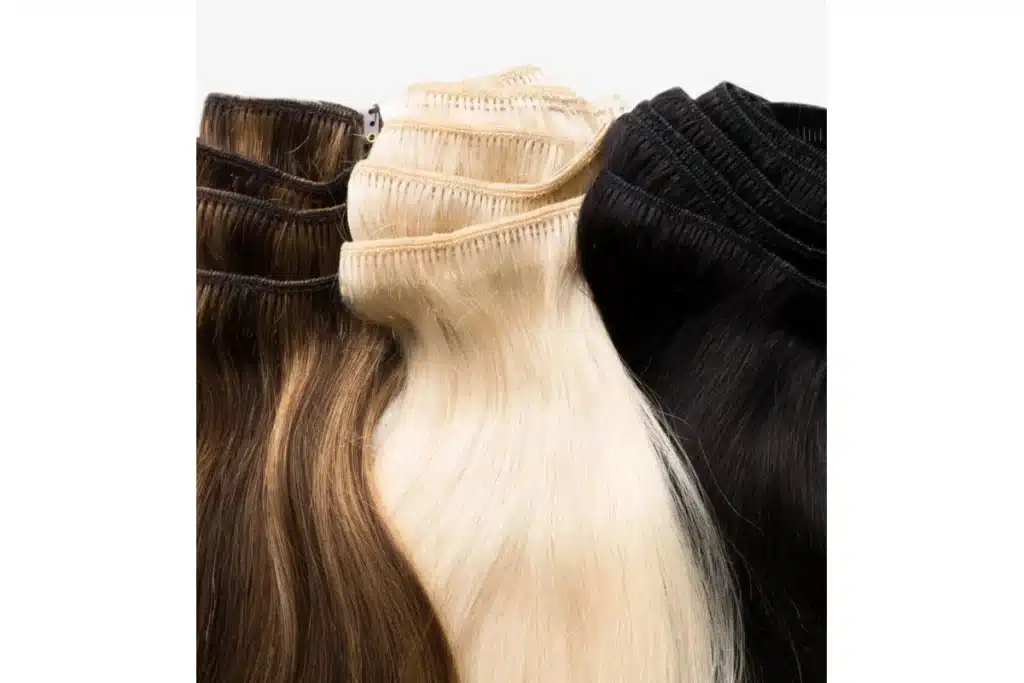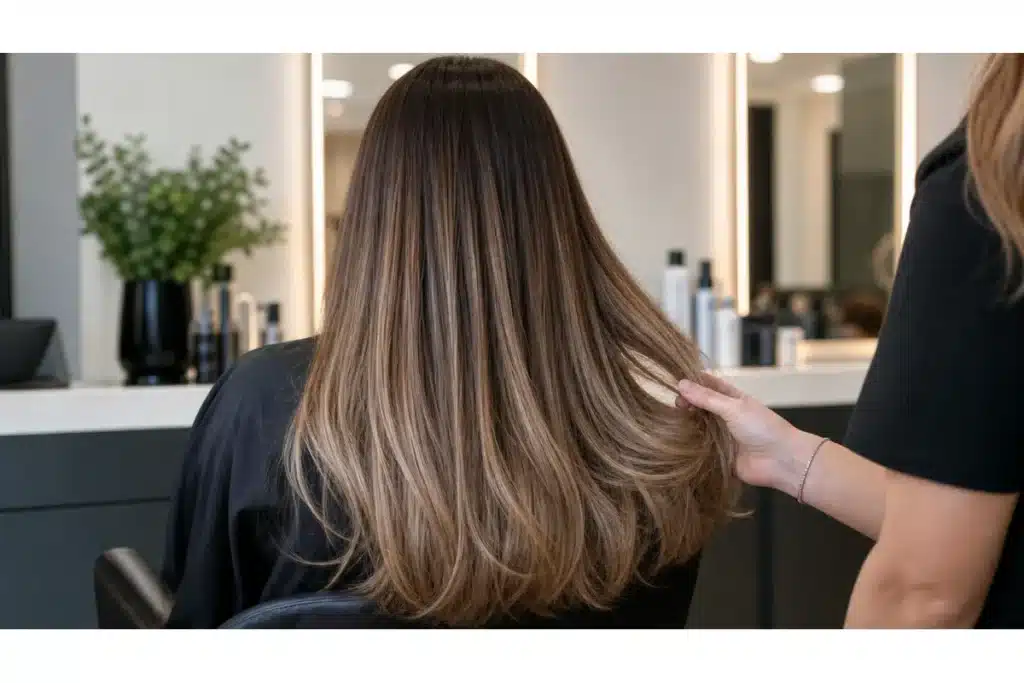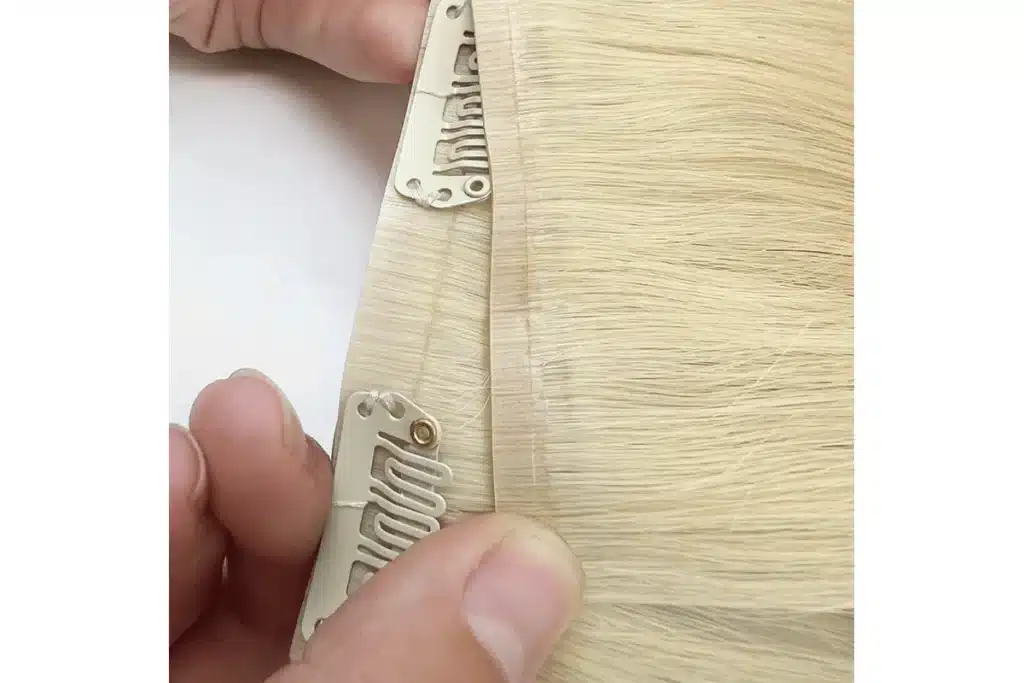
Two tape in services can use the same length and color name but look very different after installation. The usual reason is not one dramatic mistake. It is the combined effect of placement, hair density, color matching, and client care.
Tape in hair extensions can create a natural before-and-after change when tab size, placement, color, and total hair weight match the client’s density. A flatter result usually needs clean sections, balanced sandwich placement, and enough natural hair to cover the tabs. The exact result still depends on the client’s hair and salon method.
For salon owners, before-and-after expectations should be set before the order and before the appointment. A strong result is not only added length. It is an install that stays hidden, feels comfortable, and remains manageable through normal wear.
Which factors change a tape in result most?
Placement, natural density, tab visibility, color blend, and total pack weight have the largest effect on how tape in extensions look after installation.
The stylist should start with the coverage area rather than the longest extension available. Fine hair may need fewer, lighter tabs and a lower placement plan. Medium-density hair may support more volume, but it still needs a clean perimeter and a balanced distribution.
| Service factor | Product parameter | Visible result risk |
|---|---|---|
| Client density | Total grams and tab count | Too much weight can make tabs visible or create a heavy blend. |
| Color match | Undertone and blend-shade pattern | A warm or cool mismatch can show through the ends. |
| Placement | Distance from perimeter and part line | Tabs may show when the client lifts or moves the hair. |
| Aftercare | Tape condition and product buildup | Oil or residue can change hold and row appearance. |
For an online order, salon buyers should compare the client’s mid-lengths and ends in daylight. Root color alone is often not the right reference. A related clip in color matching guide explains why undertone and natural-light photos matter for any blend-focused service.

How does placement affect the before-and-after blend?
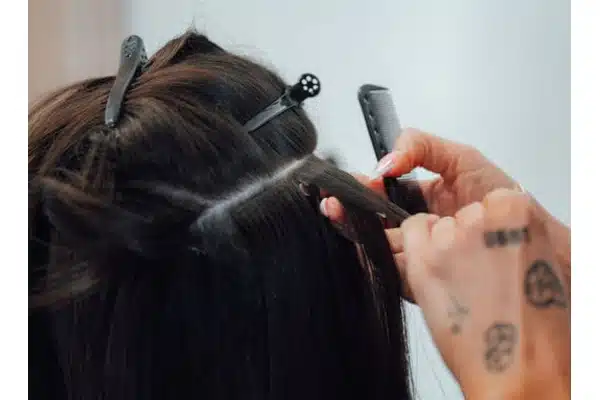
Placement affects whether the added hair looks like part of the client’s own density or like a separate layer under the natural hair.
Tabs placed too near the perimeter may be easy to see. Tabs placed too high can show near the part line. Tabs placed without enough natural hair between rows can create a stepped result that looks full from one angle but thin from another.
In salon follow-up conversations, we often find that a client describes a visible tab as a hair-quality problem. The first check should be placement, section thickness, and whether the client has changed the parting. These details help the salon decide whether a small adjustment can solve the issue before replacing the product.
When does color make the difference more obvious?
Color differences become more obvious when the extension hair is long, the client has highlights, or the ends are lighter than the root area.
For balayage or dimensional color, a blended shade may reduce a hard line. For a clean single-process color, a solid shade can look more controlled. Buyers should check the distribution of color through the tabs, not only the product label.
The salon should also consider whether the client expects the extension hair to be trimmed after installation. A light trim can help blend the cut line, but it cannot correct a strong undertone mismatch. Samples and a color ring remain useful for repeat orders and private-label color planning.
What can make a tape in result look less natural after a few weeks?
Product buildup, slippage, grow-out, poor brushing, and uneven tab placement can change the look after the first appointment.
The result may look flat and hidden at first, then become less natural as the natural hair grows. This is why salons should give a clear maintenance plan. Clients need to know which products can leave residue, how to brush near the tabs, and when to return for removal or reapplication.
Buyers can review the practical causes in this tape in maintenance timeline. It helps a salon explain that wear time is affected by hair condition, aftercare, and tape behavior rather than a single fixed number of weeks.
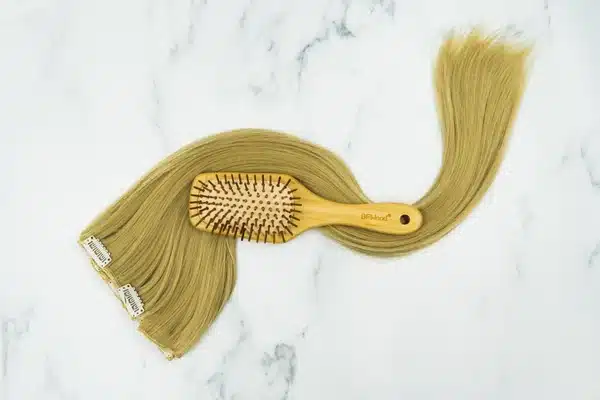
What should salon buyers check before ordering?
Salon buyers should confirm pack weight, tab size, color standard, hair feel after washing, and replacement-tape compatibility before a larger order.
A soft sample is useful, but it does not show every result. A salon should test the tape hold, color under normal light, and the effect of a gentle wash. For repeat orders, record the approved shade, grams, tab dimensions, and installation method. This gives the buyer a clearer basis for a reorder.
For clients concerned about hair stress, salons can also use this tape in damage guide during consultation. It gives a realistic explanation of why sectioning, placement, and removal matter.
My View
From our factory perspective, a tape in before-and-after result should be judged after the full service, not only after the hair is removed from the package. We usually suggest that salon buyers test the intended grams, shade, and placement on a representative client type before setting a standard menu. A result can look full and still be wrong if the client feels tension or cannot hide the tabs. The safer approach is to match the product to density, leave enough coverage, and give clear aftercare guidance. This reduces unnecessary exchanges and helps a salon make repeat orders with a more stable specification.
Frequently Asked Questions
Can tape in extensions add volume without adding much length?
Yes. A salon can use a shorter length and a controlled number of tabs when the client wants fuller ends or more density. The pack weight should still match the client’s natural hair.
Why do tape tabs show when a client puts hair up?
Tabs may show when they are too close to the perimeter, the sections are too thin, or the client has limited natural coverage. The stylist should assess the usual parting and up-style needs before placement.
Should salons use the same tape in pack weight for every client?
No. The right pack weight depends on density, desired volume, length, and the client’s coverage. A fixed pack rule can increase complaint risk for fine-haired clients.
Conclusion
The most natural tape in before-and-after result comes from matching weight, color, and placement to the client rather than copying one standard install. Before ordering in bulk, test the full service and document the product details that support a comfortable, hidden blend.