knowledge

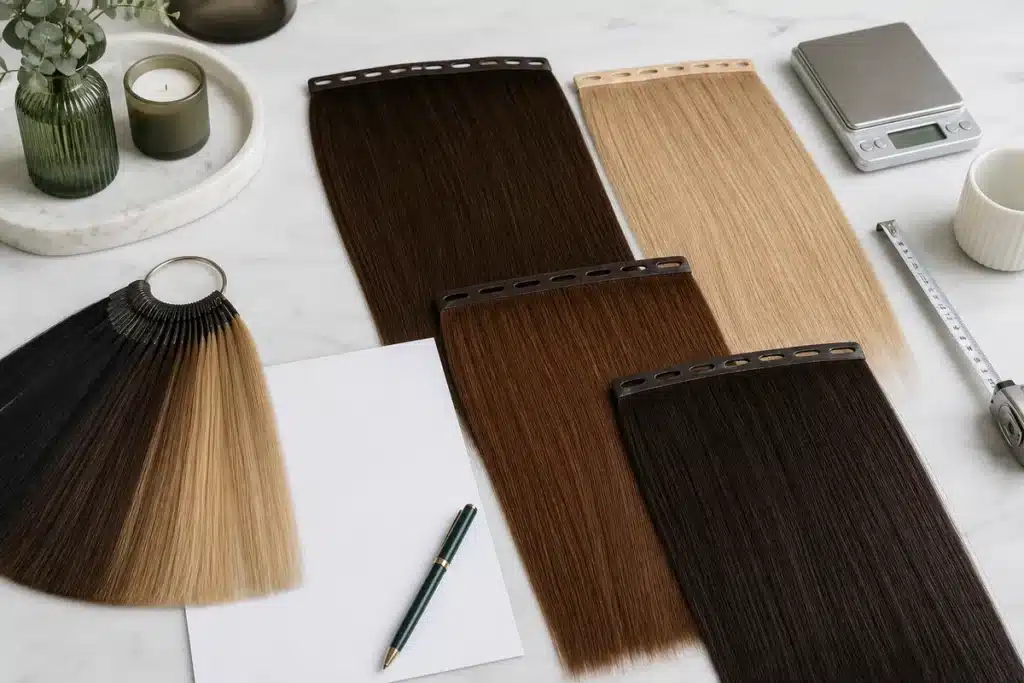
Butterfly weft hair extensions arranged with a color ring and buyer specification sheet

Where to Buy Butterfly Weft Hair Extensions

Buying from the wrong source can leave a salon with unclear construction, mismatched shades, weak ends, and no support when a repeat order changes. Buy butterfly weft hair extensions from a professional salon distributor or an established human hair extension manufacturer that provides construction details, representative samples, color support, and clear reorder standards. Compare the

Where to Buy Butterfly Weft Hair Extensions Read More »

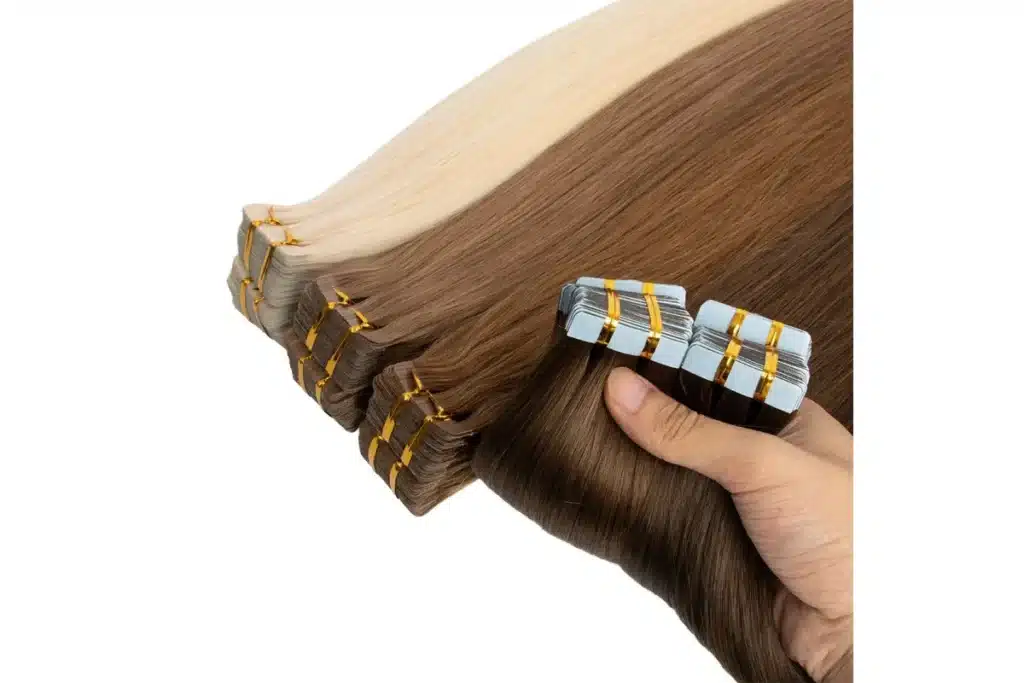
Brunette and blonde tape in extension pieces held with the attachment tabs visible.

Mini Tape In Hair Extensions: Tab Size and Placement Guide

Mini tape-ins can improve placement flexibility, but small tabs still create problems when salons overload them or install them on weak, exposed sections. Mini tape in hair extensions use smaller attachment tabs for narrower placement areas. They may suit detail work and some fine-hair services, but salons must confirm piece weight, adhesive area, natural density,

Mini Tape In Hair Extensions: Tab Size and Placement Guide Read More »

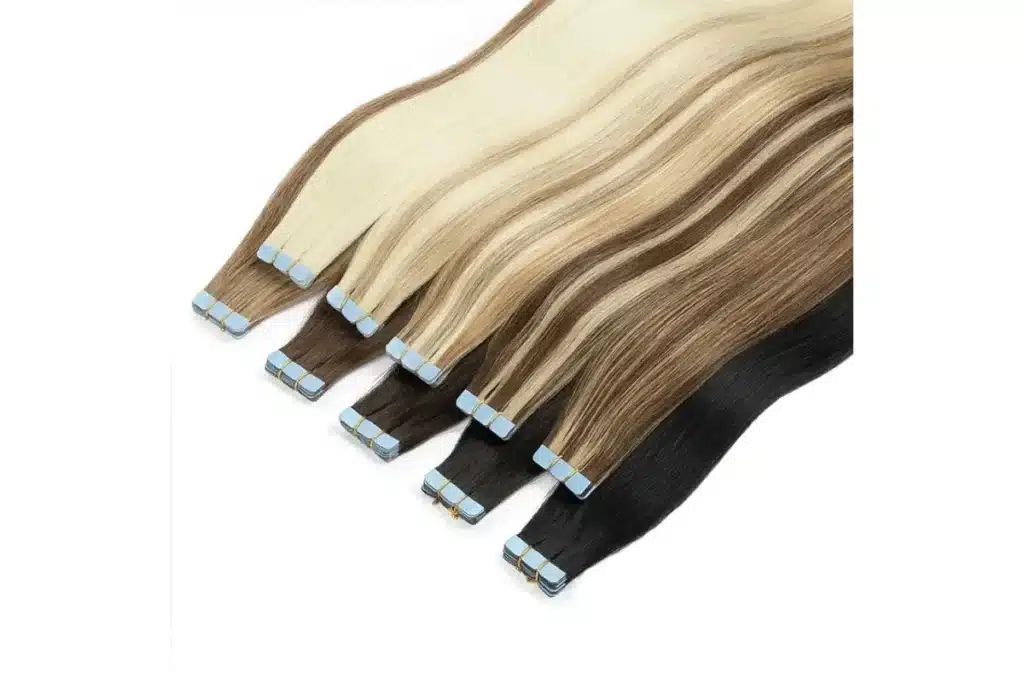
Long blonde and brunette tape in extension pieces arranged from tabs to ends.

26 Inch Tape In Hair Extensions: Weight and End Density Guide

Twenty-six-inch tape-ins can look thin, feel heavy, or require more packs than expected when salons order by length without checking grams and ends. 26 inch tape in hair extensions need enough total grams, full ends, suitable tab weight, and a realistic placement plan. Salons should test the longest target sample, calculate grams rather than packs,

26 Inch Tape In Hair Extensions: Weight and End Density Guide Read More »

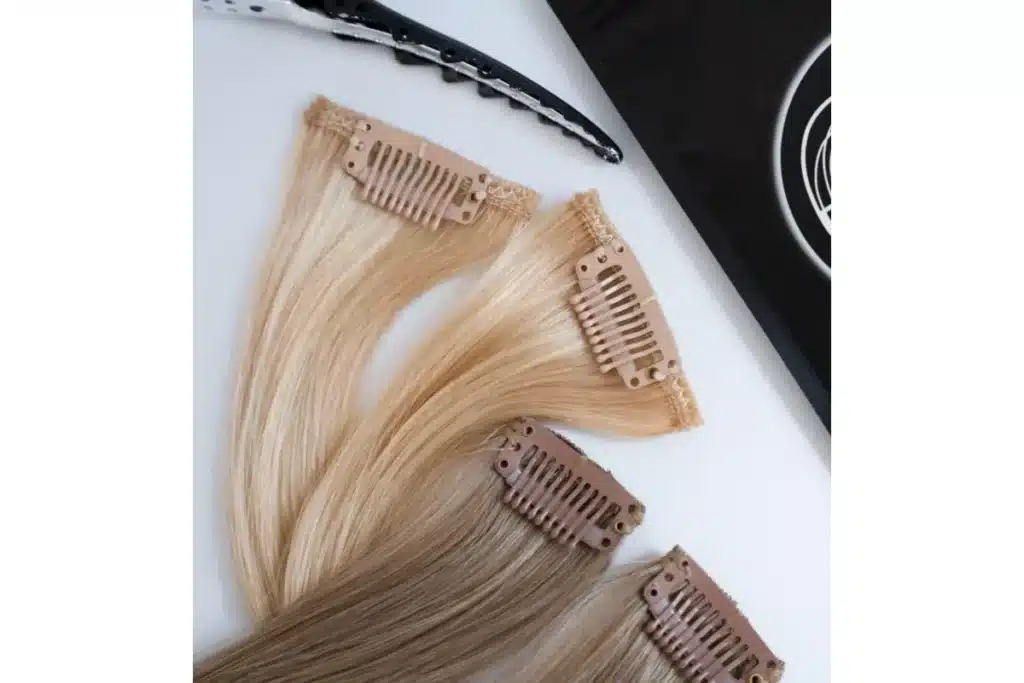
Blonde clip in extension pieces arranged with seams and pressure clips visible.

Blonde Clip In Hair Extensions: Tone and Starter Stock Guide

Blonde clip-ins create returns when the depth looks close but the tone, root, highlights, or processed ends do not match the client’s real hair. Blonde clip in hair extensions should match depth, warm or cool tone, root design, highlight pattern, set weight, and the client’s mids and ends. Retail buyers should compare physical samples in

Blonde Clip In Hair Extensions: Tone and Starter Stock Guide Read More »

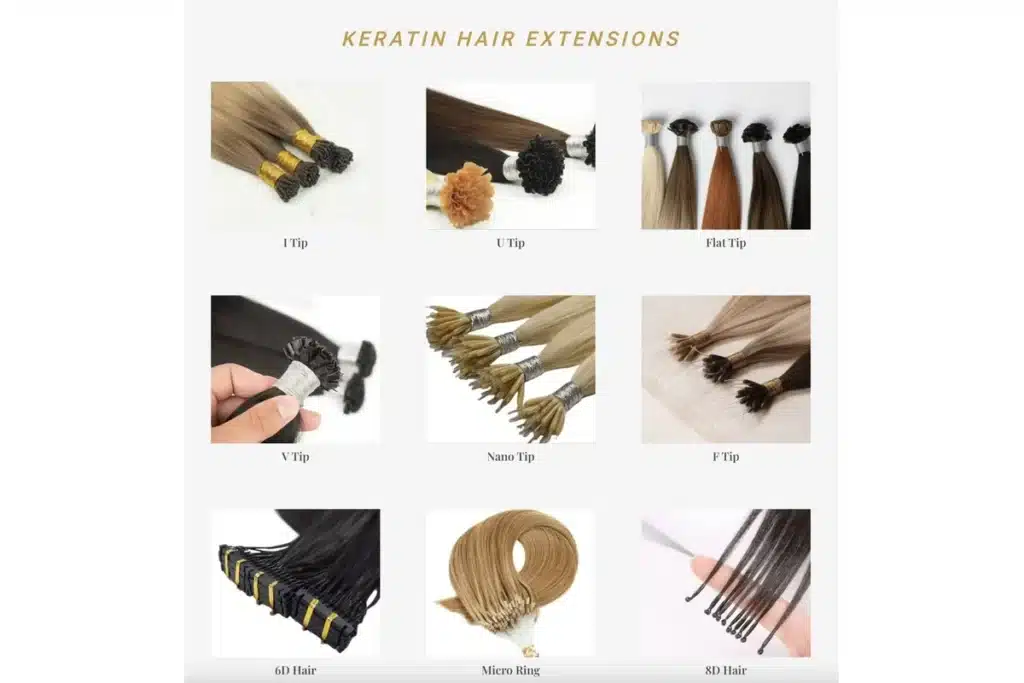
Keratin bond extension strands arranged in several salon shades for supplier review.

Keratin Hair Extension Manufacturers: Supplier Qualification Checklist

A soft keratin sample can still become a poor wholesale order when bond size, hair direction, color, packing, and lot consistency are not controlled. Keratin hair extension manufacturers should be evaluated by hair quality, bond material, strand weight, bond dimensions, color control, sample testing, production records, packaging, and after-sales response. Buyers should approve exact specifications

Keratin Hair Extension Manufacturers: Supplier Qualification Checklist Read More »

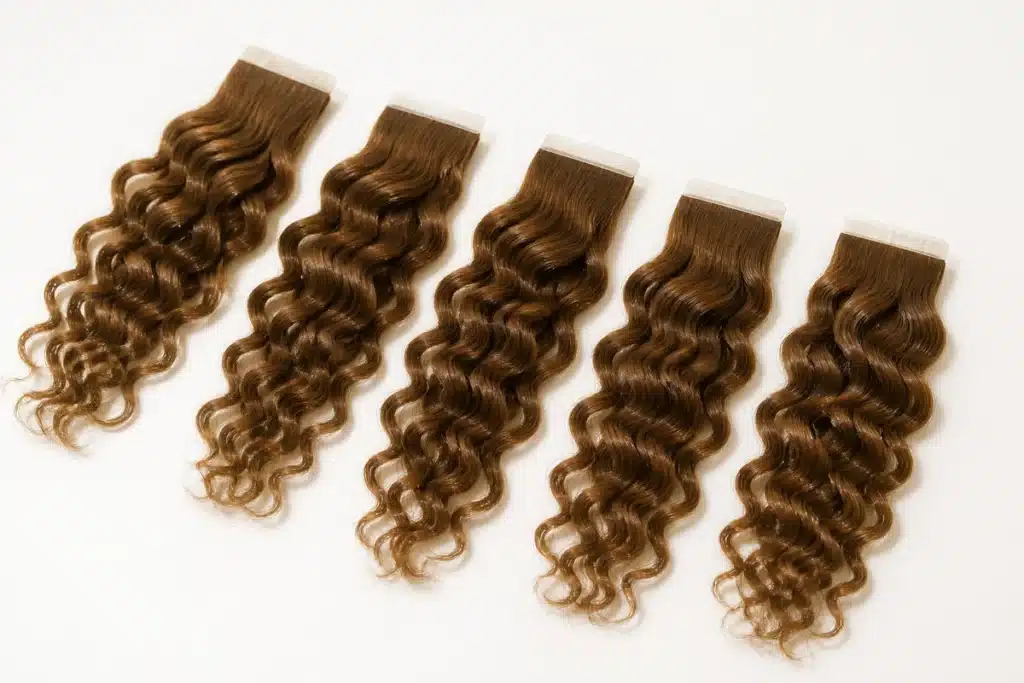
Loose-curly brown tape in extension pieces arranged on a clean studio surface.

Curly Tape In Hair Extensions: Texture and Tab Checks for Salons

Curly tape-ins can disappoint clients when the curl loosens, the tabs show, or the texture stops matching after washing. Curly tape in hair extensions work best when the curl pattern, tab size, hair density, and after-wash behavior match the client. Salons should test a washed sample, inspect the roots and ends, and plan placement around

Curly Tape In Hair Extensions: Texture and Tab Checks for Salons Read More »

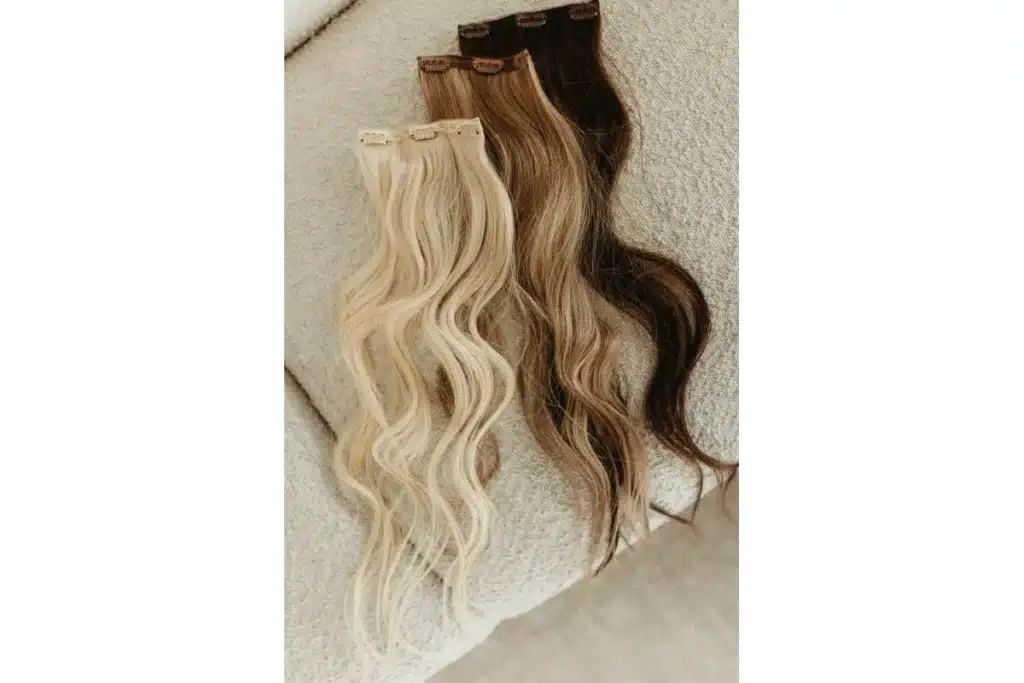
Blonde and brunette wavy clip in extension pieces arranged on a neutral surface.

Wavy Clip In Hair Extensions: Blend and Set Guide for Retail Buyers

Wavy clip-ins create returns when the wave, set weight, color, or clip layout does not blend with the buyer’s real hair. Wavy clip in hair extensions should match the natural wave size, hair density, set weight, color depth, and styling routine. Retail buyers should compare a washed sample, full set layout, end fullness, and clip

Wavy Clip In Hair Extensions: Blend and Set Guide for Retail Buyers Read More »

Light-blonde machine weft hair rolled to show a dense stitched seam.

Double Weft Hair Extensions: Weight and Density Guide for Salons

Double wefts can add efficient volume, but the wrong seam weight can create bulky rows, weak blending, and avoidable client discomfort. Double weft hair extensions combine more hair in one weft structure, so salons should compare seam thickness, grams per width, cutability, row weight, and client density. They often suit fuller volume plans, but fine

Double Weft Hair Extensions: Weight and Density Guide for Salons Read More »

Silver-gray human hair extension bundles arranged for salon color planning.

Gray Tape In Hair Extensions: Shade Matching for Salon Orders

Gray extension orders can fail when buyers treat silver, salt-and-pepper, white, and ash as one interchangeable shade. Gray tape in hair extensions should match the client’s level, tone, gray percentage, root depth, and distribution pattern. Salons often need several gray options because cool silver, natural gray, white, and blended gray reflect light differently. A physical

Gray Tape In Hair Extensions: Shade Matching for Salon Orders Read More »

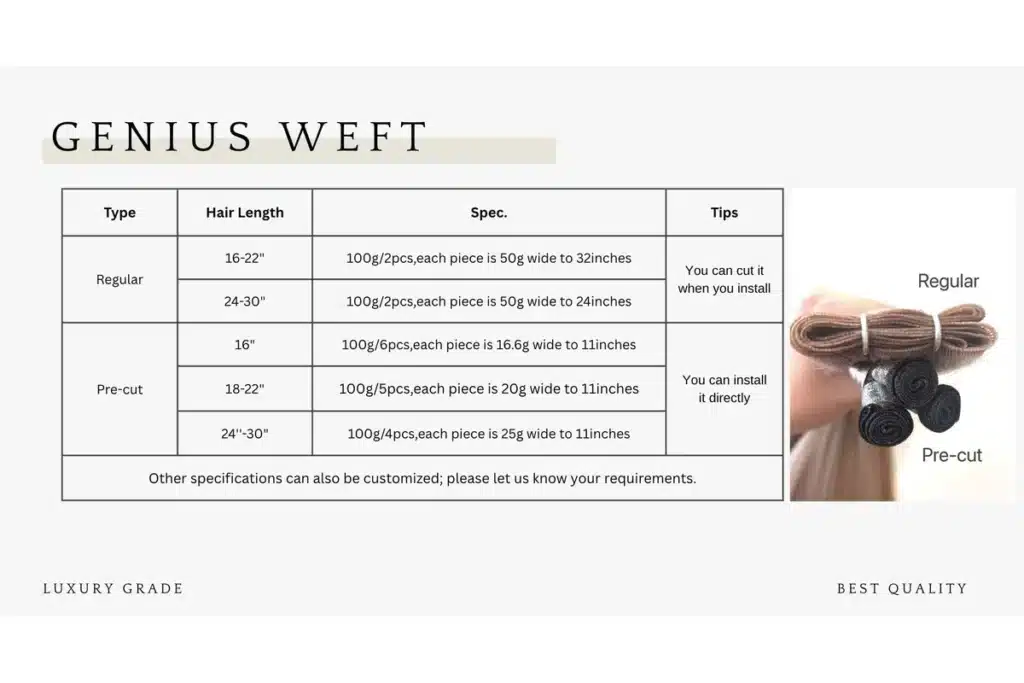
Genius weft extensions arranged for a salon seam comparison.

Genius Weft vs Butterfly Weft: Which Salon Clients Fit Each?

Two wefts can look similar in a product photo, yet create different row feel, customization limits, and client expectations after installation. Genius weft and butterfly weft can both suit salon volume services, but they are not the same construction. Genius weft is often chosen for a thin, cuttable seam, while butterfly weft can fit salons

Genius Weft vs Butterfly Weft: Which Salon Clients Fit Each? Read More »

Keratin bond hair extensions arranged for a shedding and bond-quality review.

Why Do Keratin Extensions Shed? Bond and Hair Quality Checks

Keratin extensions can look secure at installation, then shed or slip when the bond, strand, installation, or aftercare condition was not checked closely. Keratin extensions may shed when the bond does not hold the strand securely, the hair has weak processing or short return hairs, the installation is poorly matched to the natural section, or

Why Do Keratin Extensions Shed? Bond and Hair Quality Checks Read More »

Product-only hair extension image for the Sew In Hair Extensions: 2026 Service Menu Guide for Salon Owners buyer guide.

Sew In Hair Extensions: 2026 Service Menu Guide for Salon Owners

Sew-in services can add strong volume, but a poor method fit can lead to tension concerns, long appointments, and difficult maintenance expectations. Sew in hair extensions can fit a salon menu when the client has suitable natural hair, the stylist can control foundation, row tension, and hair weight, and the salon has a clear maintenance

Sew In Hair Extensions: 2026 Service Menu Guide for Salon Owners Read More »

Brunette and blonde keratin bond extensions with unbranded packaging and a blank care card.

Private Label Keratin Hair Extensions: Bond, Color, and Packaging Guide

A branded keratin range can look finished on a color card, but inconsistent bond size, strand weight, or labeling can create costly salon questions. Private label keratin hair extensions need an approved bond specification, strand weight, shade reference, pack format, packaging, and repeat-order control. A brand should test the complete product system before bulk production,

Private Label Keratin Hair Extensions: Bond, Color, and Packaging Guide Read More »

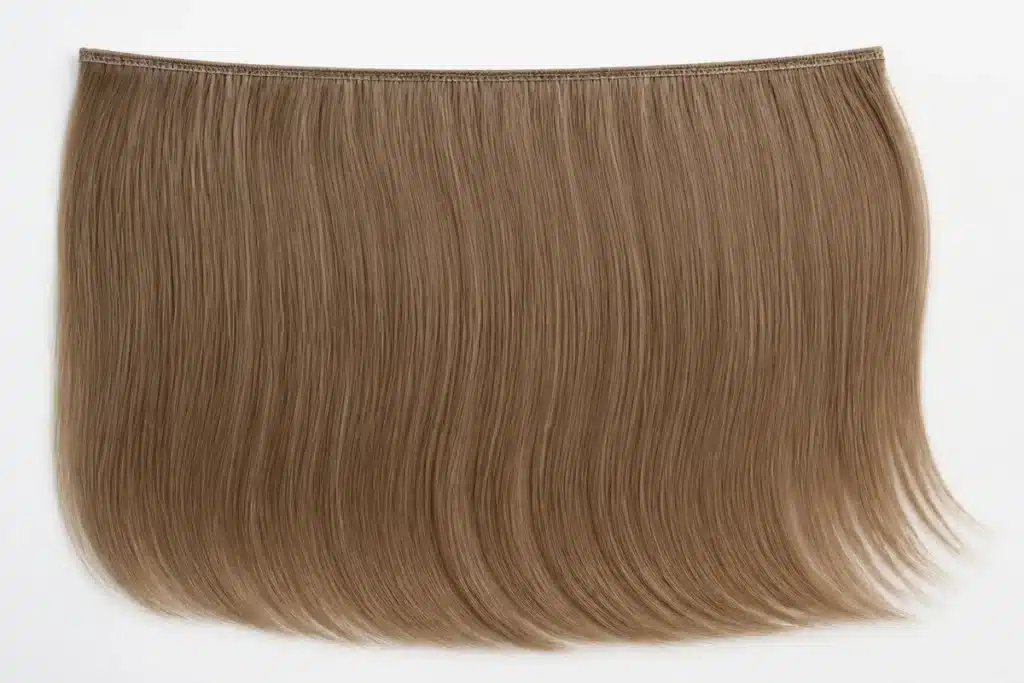
Single ash-brown hair weft with visible stitched seam and smooth aligned strands.

Why Weft Hair Extensions Tangle: Hair Direction, Cuticles, and Care

When a weft begins to tangle, buyers often blame one cause, but hair direction, processing, installation, and care can all affect the result. Weft hair extensions can tangle when cuticle direction is inconsistent, the hair is overly processed, the ends are dry, the installation creates friction, or the care routine does not suit the hair.

Why Weft Hair Extensions Tangle: Hair Direction, Cuticles, and Care Read More »

Get free quote!