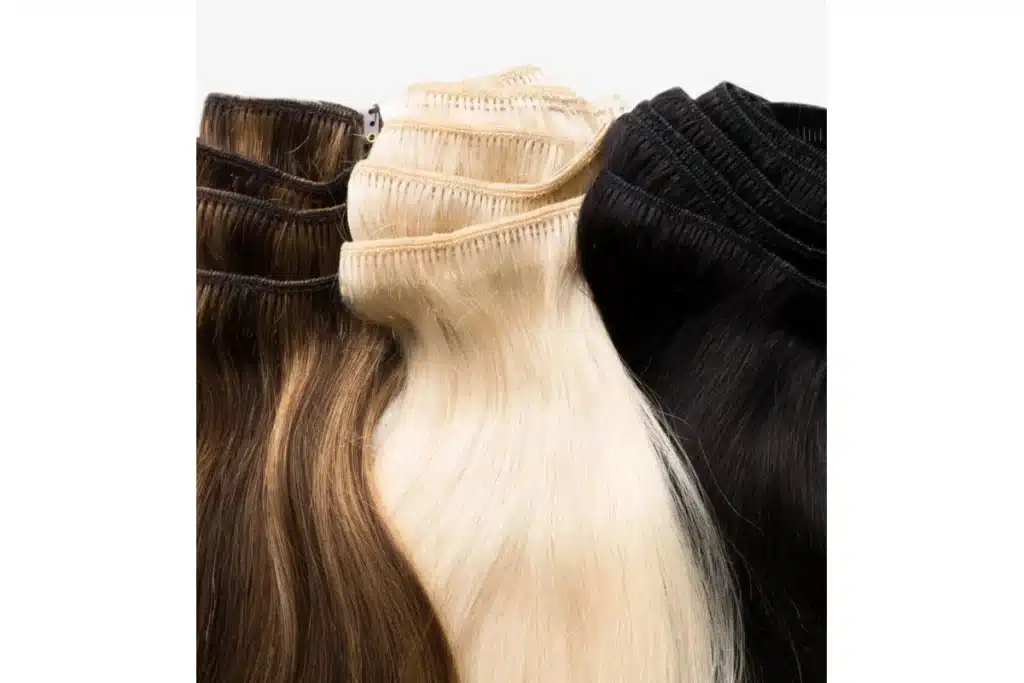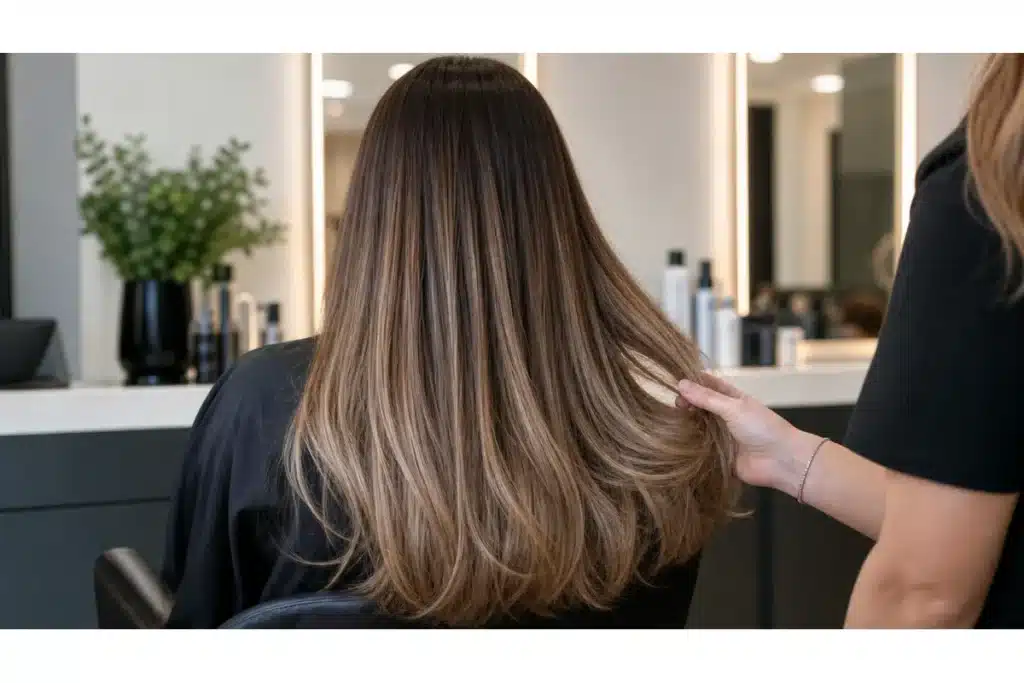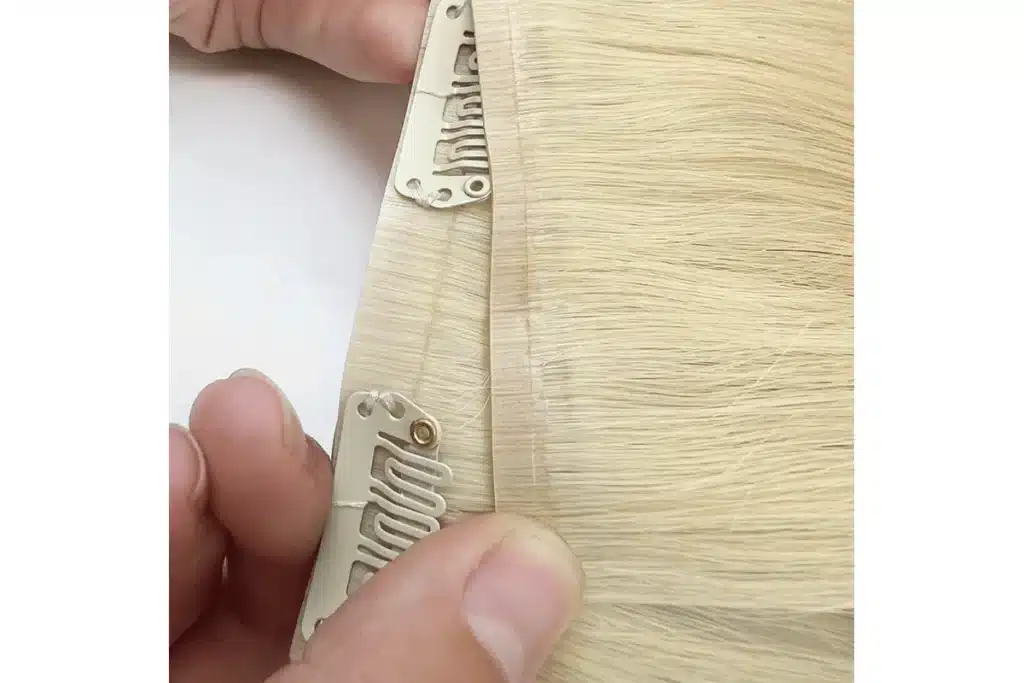
Buying too few hand tied wefts can leave thin ends, while adding rows without a plan can create bulk and unnecessary tension.
The number of hand tied wefts depends on natural hair density, target volume, desired length, row plan, and color blend. A light volume service may use fewer wefts, while a long or dense transformation often needs more hair and sometimes more than one row.
Salons should plan the finished blend first. The weft count only makes sense when it supports that plan.
What Changes the Number of Hand Tied Wefts?
Density, length, end fullness, and the amount of added volume are the main factors that change a hand tied weft plan.
| Client goal | Typical planning direction | Buyer check |
|---|---|---|
| Light volume | Fewer wefts and a limited row plan | Check whether ends still blend |
| Medium volume | More wefts or a fuller row | Match weft width to head shape |
| Length plus volume | Higher total hair need | Check density through the ends |
| Two-color blend | Split wefts by shade ratio | Record the approved mix |
A fine-hair client may need fewer wefts, but that does not mean the service needs less planning. The stylist still has to check whether the extension ends will blend without creating a visible shelf. Dense natural hair often needs more total hair for a balanced result.
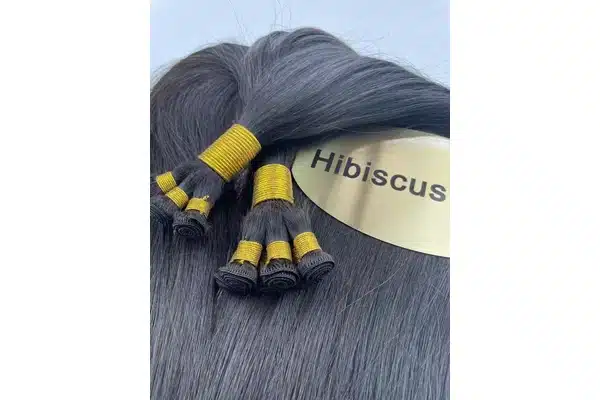
How Do Rows Affect the Weft Count?
Rows change how the hair is distributed, so the stylist should decide the placement plan before ordering more wefts.
One row can work for some light volume services. More coverage may require additional rows, but the number of rows should not be set only by the client’s desired volume. Head shape, natural density, and the space needed for a comfortable placement all matter.
The American Academy of Dermatology advises that extension styles should not feel painful or too tight [1]. This is why a salon should not solve every blending issue by adding more hair near the same area. A better solution may be a different length, a fuller weft specification, or a different color mix.
When Does Length Increase the Weft Requirement?
Longer lengths often need more total hair because the natural ends must blend with a larger amount of extension length.
For a short volume service, the natural hair may blend with a lighter weft plan. For a much longer result, the salon may need more hair through the lower sections to avoid thin-looking ends. The exact amount depends on the hair grade, end fullness, and the client’s own density.
In sample planning, we often see buyers focus on the top-row volume and overlook the end blend. We usually suggest checking the finished silhouette from the side and back before selecting the final quantity. This makes the order specification more useful than a general full-head estimate.
How Should Salons Plan a Color Blend?
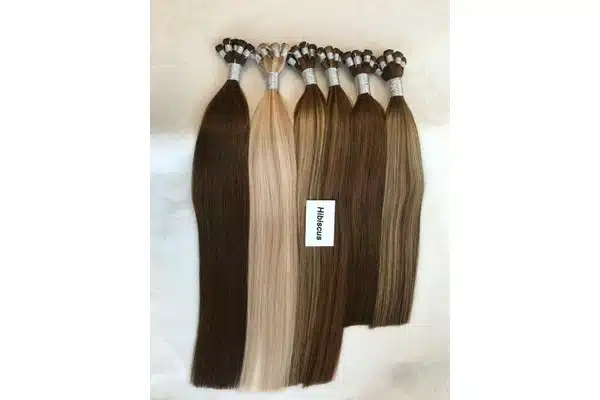
Salons should split the weft count by the intended color ratio rather than ordering equal quantities of every shade.
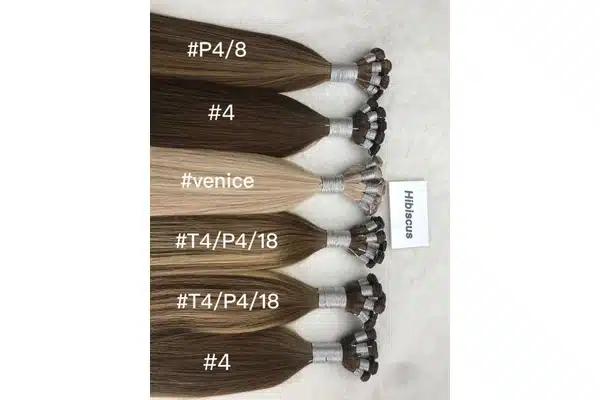
A client may need one main shade with a smaller amount of a lighter tone around the face. Another client may need a balanced blend through several rows. Record the shade code, length, weft count, and placement idea after the consultation. This gives the salon a practical starting point for a reorder.
For product review, the Hand Tied Weft category can help buyers compare the format before they set a stock plan.
What Should Buyers Confirm Before Ordering?
Buyers should confirm total grams, weft width, length, shade mix, row plan, and the client density the order is designed to serve.
A supplier quote that lists only length and color may not be enough for a salon service plan. Ask for the weight, construction, and pack details. For bulk orders, buyers should test a representative set before assuming that one weft count will fit every client.
My View
From our factory perspective, there is no fixed number of hand tied wefts that fits every full head. We usually suggest that buyers define the natural hair density and desired result first, then match the total hair and row plan to that target. This helps salons avoid thin ends, overloaded rows, and confusing client expectations. A smaller order can be enough for a controlled volume service, while a long or dense transformation may need a fuller plan. The useful check is whether the hair blends through the ends and sits comfortably at the row, not whether the salon used a standard number of wefts.
Frequently Asked Questions
Can one row be enough for hand tied extensions?
It can be enough for some light volume services. The stylist should check coverage, end blending, and comfort before deciding that one row is suitable.
Do thick-hair clients always need more rows?
Not always, but they often need more total hair or a fuller blend. The row plan should follow head shape and natural density.
Should salons order extra wefts for color blending?
Often, yes. A small supporting shade can help a stylist create a natural blend without changing the full base-color order.
Conclusion
The right hand tied weft count depends on the client’s density, length goal, color plan, and row placement. Before ordering, build the intended result into the specification instead of relying on one fixed full-head number.