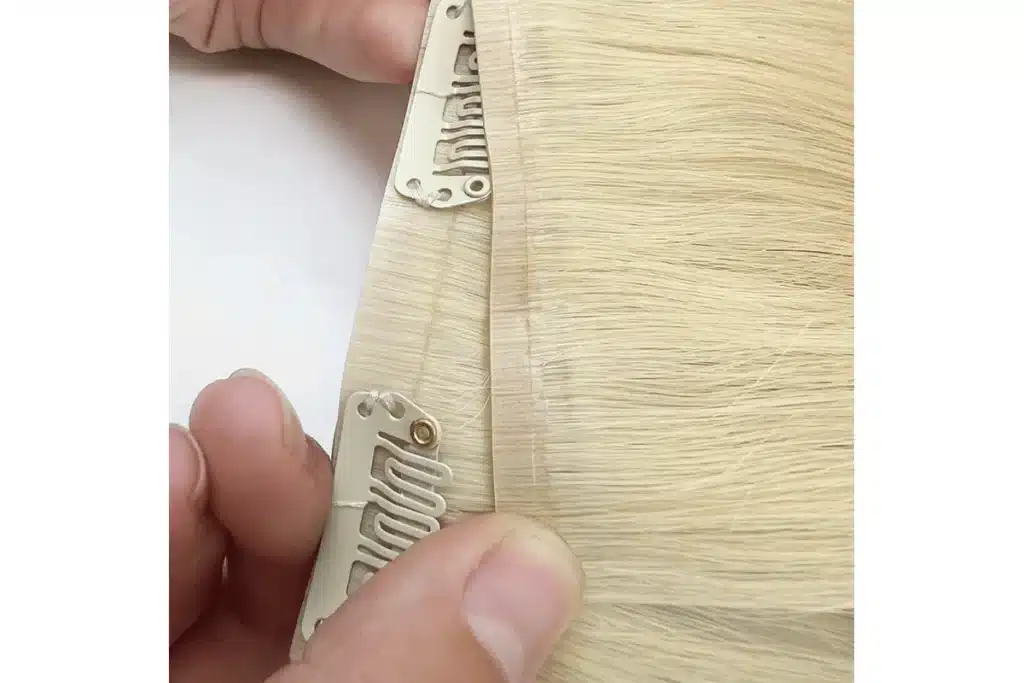
A soft keratin sample can still become a poor wholesale order when bond size, hair direction, color, packing, and lot consistency are not controlled.
Keratin hair extension manufacturers should be evaluated by hair quality, bond material, strand weight, bond dimensions, color control, sample testing, production records, packaging, and after-sales response. Buyers should approve exact specifications and washed installation samples before bulk orders.
Supplier qualification is not a logo or price comparison. It is a process for confirming what the factory can repeat.
Which Keratin Product Specifications Should a Manufacturer Provide?
A manufacturer should provide hair origin category, processing level, bond type, bond dimensions, strand weight, pieces per pack, length, color, and tolerance.
The buyer needs measurements that can be checked. “Small bond” or “premium hair” is not precise enough for repeat production. Strand weight affects installation time and total grams, while bond shape affects placement and customization.
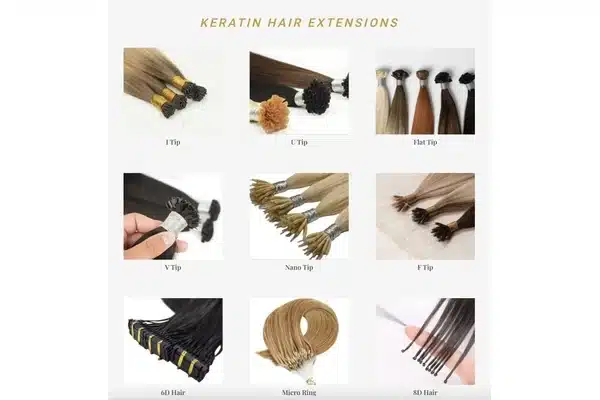
The keratin hair extensions range gives buyers a base for product formats. The final specification should identify K-tip, U-tip, flat tip, or another shape and state whether customization is required.
| Qualification area | Evidence to request | Buyer consequence |
|---|---|---|
| Hair quality | Washed samples, direction check, and end density | Affects tangling and reuse expectations |
| Bond specification | Material, dimensions, strand weight, and tolerance | Affects installation and shedding risk |
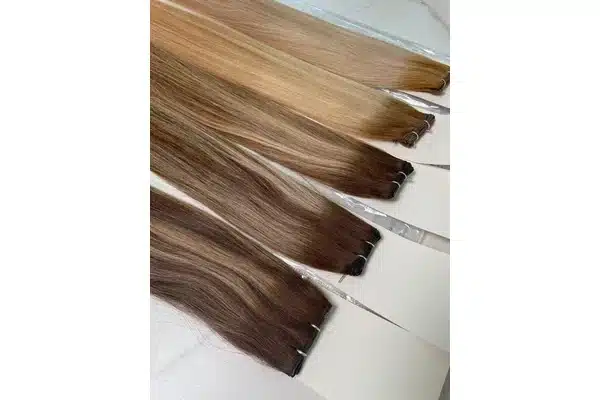
| Color control | Physical standards and lot comparison | Affects repeat-order consistency |
| Production control | Approved spec, packing record, and sample retention | Supports traceable repeat orders |
Share target bond type, strand weight, lengths, colors, pack grams, and test plan before requesting a bulk quote.
Request a keratin specification reviewHow Should Buyers Test Hair and Bond Performance?
Buyers should wash loose samples, install representative strands, test normal wear and removal, and record shedding, tangling, bond behavior, and end density.
One first-touch sample is not enough. The buyer should test a light processed color and a darker color because processing can change dryness and handling. Installed strands should use the salon’s normal tools and section sizes.
In factory work, we often receive a request for 100 grams without the strand weight. A 0.5-gram strand and a 1-gram strand create different piece counts and service times. We ask buyers to define both total grams and grams per strand before quotation.
What Production Controls Matter for Repeat Orders?
Repeat orders need an approved specification, retained samples, color standards, tolerance records, packing checks, and clear change communication.
The supplier should identify what will be compared before shipment. Buyers should also agree on how deviations are reported and what photos or samples are required. A retained reference gives both sides a concrete basis for review.
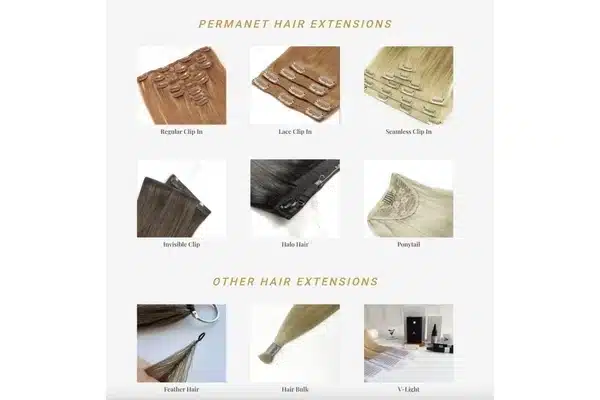
The private label keratin guide explains how product and packaging decisions belong in one approval process. Packaging should protect bond shape and keep colors and lengths separated.
How Should Buyers Evaluate Safety and Salon Fit?
Manufacturers can provide product specifications, but trained professionals must decide strand weight, sectioning, heat, placement, maintenance, and removal for each client.
The American Academy of Dermatology warns that hairstyles that pull can contribute to hair loss. [1] Small bonds do not remove tension risk when too many strands or unsuitable weights are placed on weak hair.
A clinical review describes traction alopecia as hair loss caused by prolonged or repetitive tension. [2] Buyers should ask whether the supplier can provide multiple strand weights and bond sizes for different salon plans.
Which Commercial Questions Should Buyers Ask?
Buyers should confirm MOQ, lead time, sample policy, customization limits, packaging, payment terms, inspection process, and after-sales documentation.
Hibiscus Hair’s current standard lead-time planning is about 15 days for many regular orders, but the exact schedule depends on color, length, quantity, and customization. Buyers should request the confirmed production timeline for each order instead of treating one estimate as universal.
The keratin wholesale guide provides a bulk-order framework. A low quote should be compared with grams, strand count, end density, bond specification, and included packaging before a decision.
My View
From our factory perspective, keratin supplier qualification should turn product names into measurable specifications. We usually ask buyers for bond shape, dimensions, strand weight, total grams, length, color, and packaging before preparing a useful sample. The buyer should test the sample with the same tools and sectioning used in the salon. They should also keep approved bond and color references for repeat orders. Price comparisons become clearer when every supplier quotes the same grams, piece count, and specification. The safer supplier is not simply the one with the softest first sample. It is the one that can explain the product, record approval details, communicate changes, and repeat the agreed standard across later orders.
Frequently Asked Questions
What MOQ should a keratin manufacturer offer?
MOQ varies by color, length, packaging, and customization. Buyers should ask for both sample and bulk requirements.
Is a smaller keratin bond always better?
No. Bond size, strand weight, client density, installation method, and service time must work together.
Should buyers test blonde keratin hair separately?
Yes. Light processing can affect dryness, tangling, color, and bond-area handling.
What should be retained for repeat orders?
Keep approved hair, bond, color, packaging, written specifications, and test records.
Conclusion
Keratin hair extension manufacturers should be qualified through measurable specifications, controlled samples, production records, and repeat-order evidence. Compare suppliers on what they can document and reproduce, not claims alone.