knowledge

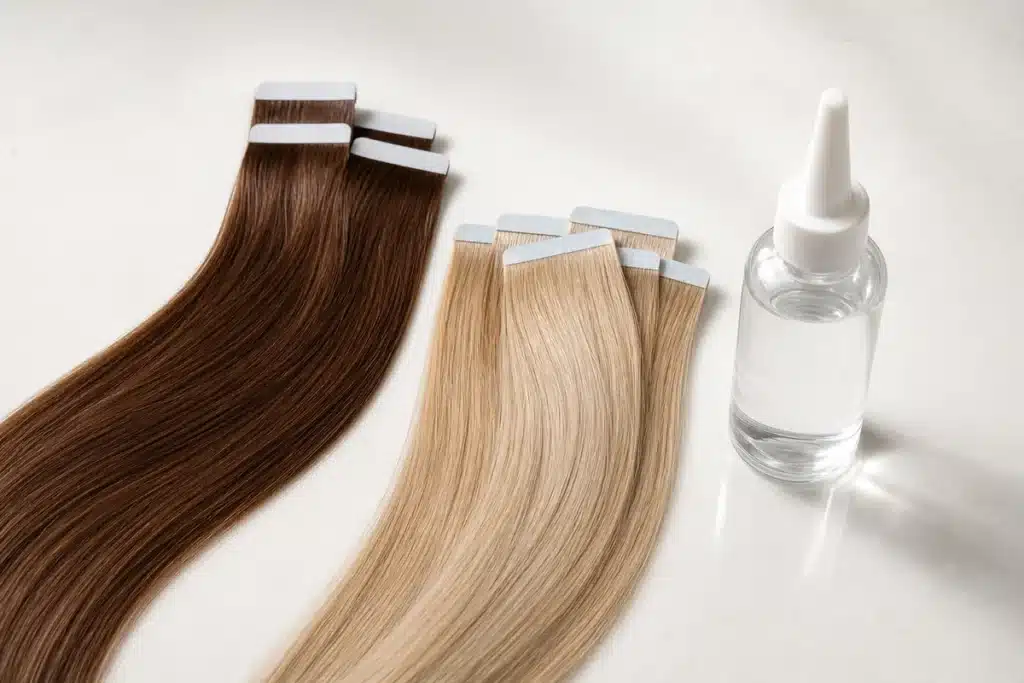
Brown and blonde tape-in tabs beside an unbranded clear remover bottle on a clean studio surface.

Tape In Extension Glue: How to Avoid Sticky Roots and Residue

Sticky roots and residue can turn a routine tape-in removal into a slow, frustrating salon appointment and a preventable after-sales question. Tape-in residue is often linked to product buildup, incomplete remover use, rushed cleanup, adhesive transfer, or retaping before the hair and tab are clean. A good review checks the removal process, root products, placement, […]

Tape In Extension Glue: How to Avoid Sticky Roots and Residue Read More »
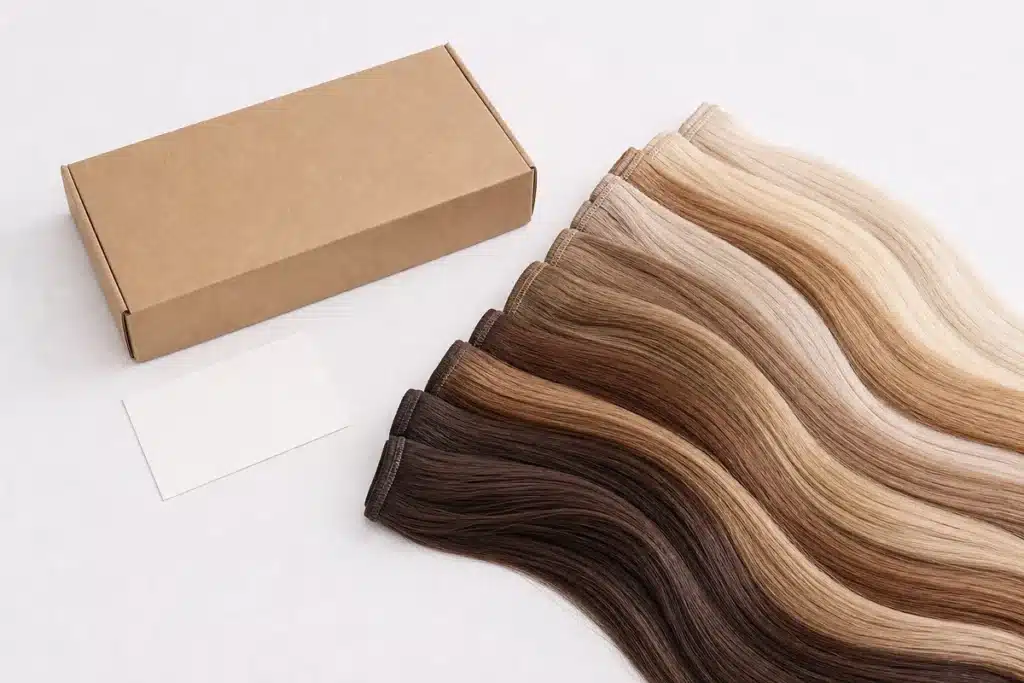
Unbranded kraft box beside blonde and brunette weft hair extensions for private-label planning.

Private Label Weft Hair Extensions: Packaging and Quality Checklist

A branded weft can look polished in a box, but inconsistent seams, unclear labels, or weak reorder controls can damage a new collection quickly. Private label weft hair extensions need a written product specification, an approved sample, clear packaging, reliable color references, and repeat-order controls. The brand should define what customers receive before it focuses

Private Label Weft Hair Extensions: Packaging and Quality Checklist Read More »

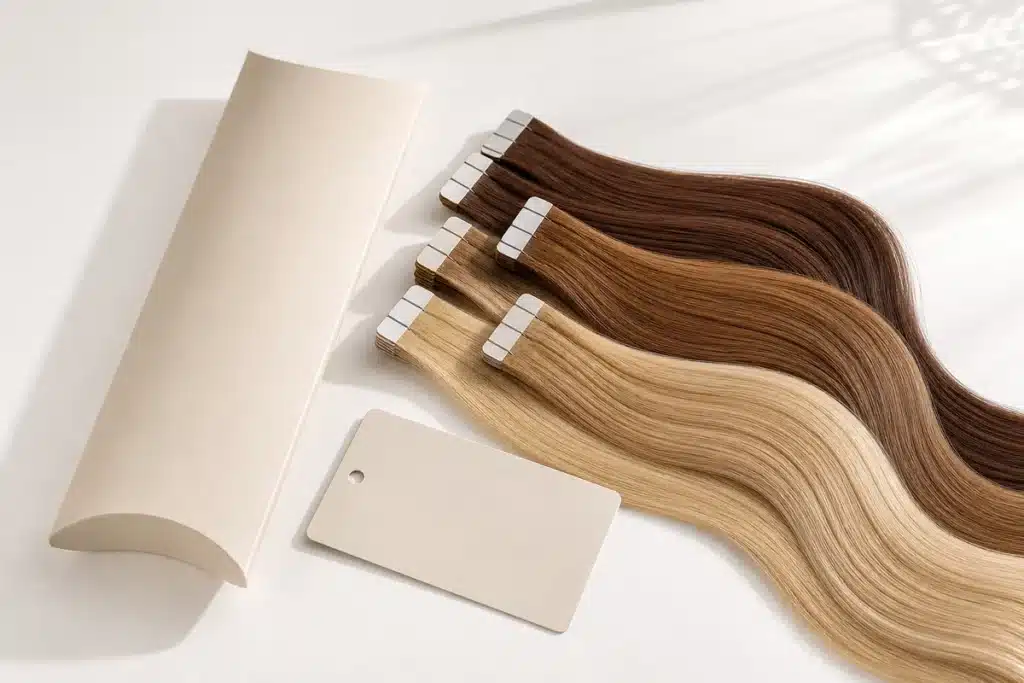
Unbranded sleeve beside brown and blonde tape-in hair extensions with visible adhesive tabs.

Private Label Tape In Hair Extensions: What Brands Should Confirm

A tape-in range can look ready for launch, but unclear tabs, shade labels, pack formats, and care instructions can create problems after the first retail order. Private label tape in hair extensions need a defined tab type, pack configuration, shade reference, packaging plan, care guidance, and repeat-order standard. Brands should approve the full product system,

Private Label Tape In Hair Extensions: What Brands Should Confirm Read More »

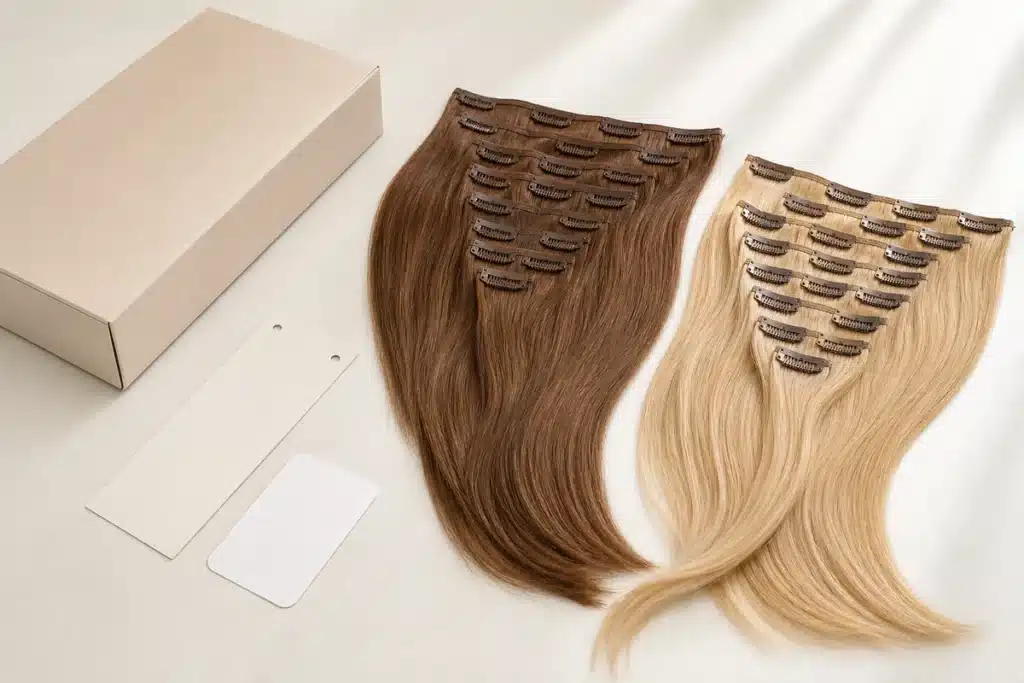
Unbranded box beside brown and blonde clip-in hair extension sets with visible clips.

Private Label Clip In Hair Extensions: Building a Starter Collection

Launching too many clip-in options at once can leave a new brand with confusing sets, weak shade coverage, and expensive retail returns. A private label clip in hair extension starter collection should use a focused set of weights, practical piece layouts, clear shades, accurate packaging, and simple customer guidance. A smaller launch often gives brands

Private Label Clip In Hair Extensions: Building a Starter Collection Read More »

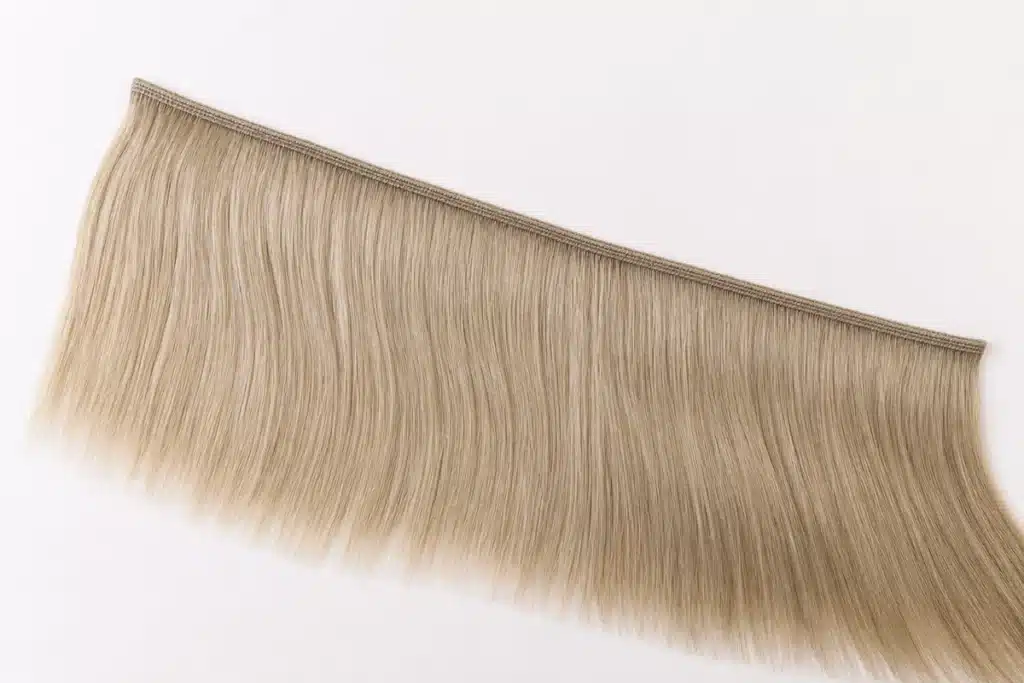
Ash-blonde human hair weft with a visible stitched seam for wholesale sample testing.

Wholesale Weft Hair Extensions: Sample Tests Before a Bulk Order

A soft sample can look convincing, but a weak seam, thin ends, or unstable color can create costly bulk-order complaints later. Wholesale weft hair extensions should be approved only after buyers test seam strength, wash response, end fullness, color consistency, and reorder control. A soft first touch matters, but it does not show how the

Wholesale Weft Hair Extensions: Sample Tests Before a Bulk Order Read More »

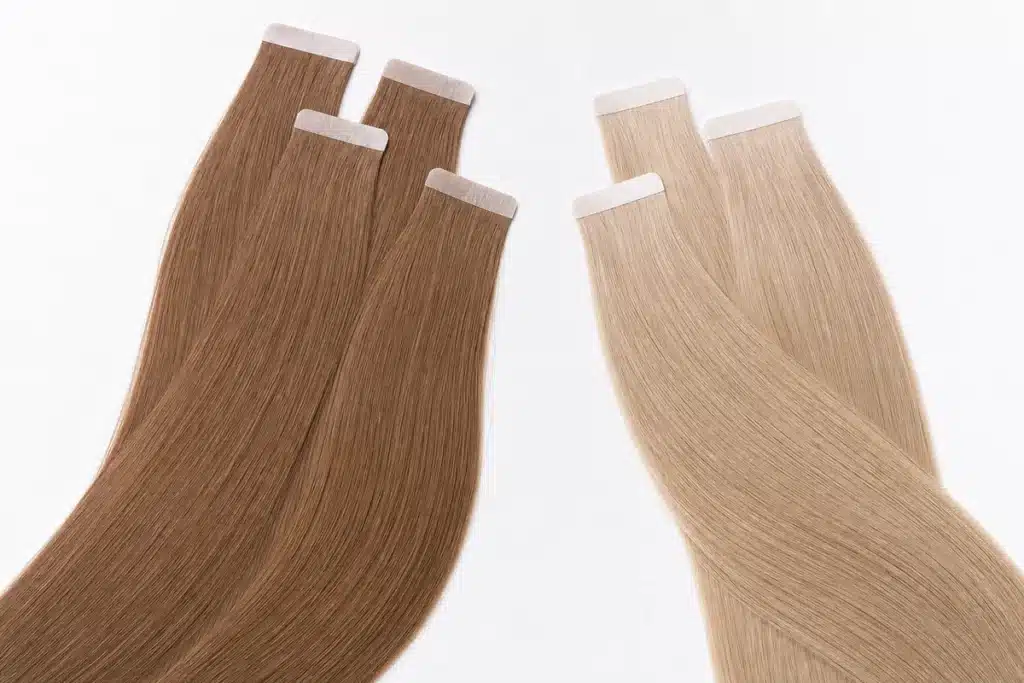
Brown and beige-blonde tape-in hair extensions arranged to show the adhesive tab finish.

Wholesale Tape In Hair Extensions: What Salons Should Test First

Tape-in samples can look flat and clean at first, but poor tab finish, color mismatch, or adhesive problems can create avoidable salon complaints. Wholesale tape in hair extensions should be tested for tab finish, adhesive behavior, hair quality, color match, and retaping before a salon buys in bulk. The right sample check helps buyers see

Wholesale Tape In Hair Extensions: What Salons Should Test First Read More »

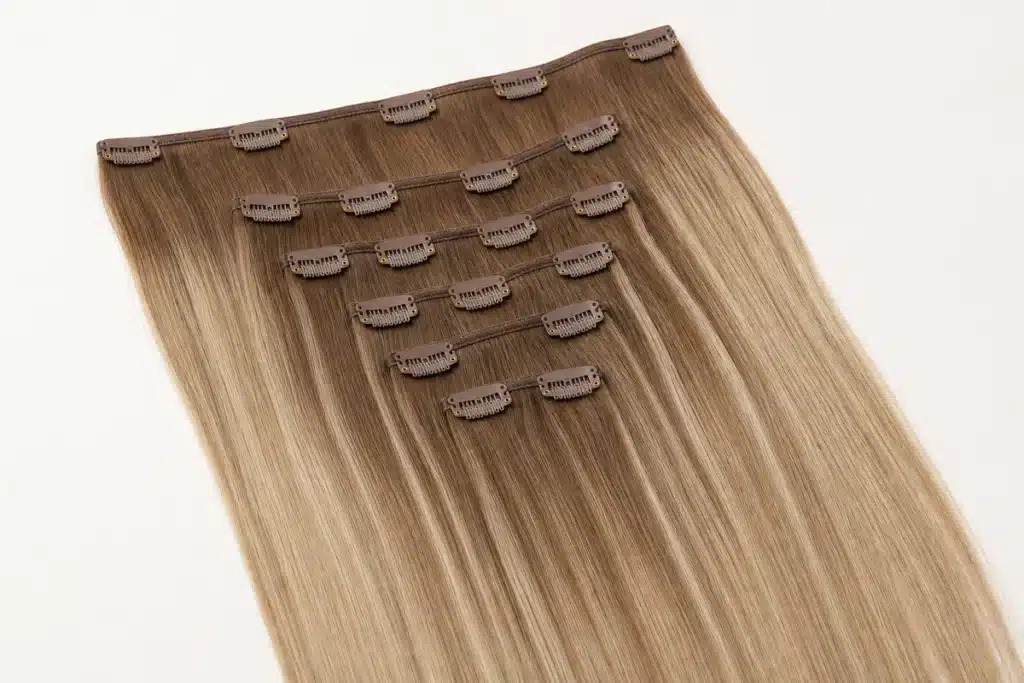
Warm-blonde clip-in human hair extension set with visible pressure clips on the wefts.

Wholesale Clip In Hair Extensions: What Retailers Should Check

A clip-in set can look attractive in a product photo but still create returns when the clips, weft layout, shade plan, or instructions do not match buyer expectations. Wholesale clip in hair extensions should be checked for set structure, clip pressure, weft width, hair density, shade planning, and retail instructions before a retailer orders in

Wholesale Clip In Hair Extensions: What Retailers Should Check Read More »

Product-only hair extension image for the Weft Hair Extensions vs Tape In Extensions: Which Fits a Salon Service Menu? buyer guide.

Weft Hair Extensions vs Tape In Extensions: Which Fits a Salon Service Menu?

Choosing one extension method for every client can create visible rows, poor comfort, and difficult maintenance conversations. Weft hair extensions often fit salon menus that need flexible volume and fuller transformations, while tape in extensions often suit clients who want a flatter, lighter result. The better choice depends on natural hair density, appointment time, styling

Weft Hair Extensions vs Tape In Extensions: Which Fits a Salon Service Menu? Read More »

Product-only hair extension image for the Invisible Tape In Extensions vs Regular Tape Ins: What Should Salon Buyers Compare? buyer guide.

Invisible Tape In Extensions vs Regular Tape Ins: What Should Salon Buyers Compare?

Two tape products can look similar in a box but create different visibility, blending, and stock-planning questions in a salon. Invisible tape in extensions often use a hair-like top finish that can make tabs less noticeable near a visible parting, while regular tape ins use a clearer or more standard tab construction. The right choice

Invisible Tape In Extensions vs Regular Tape Ins: What Should Salon Buyers Compare? Read More »

Product-only hair extension image for the Seamless Clip In Hair Extensions vs Regular Clip Ins: What Changes for Retail Buyers? buyer guide.

Seamless Clip In Hair Extensions vs Regular Clip Ins: What Changes for Retail Buyers?

Retail buyers can choose a clip-in set that looks full in packaging but feels bulky, visible, or hard to blend after the first try-on. Seamless clip in hair extensions often use a thinner, flexible base that can sit flatter against the head, while regular clip ins usually use a fabric weft base. The right set

Seamless Clip In Hair Extensions vs Regular Clip Ins: What Changes for Retail Buyers? Read More »

Genius Weft Shedding Quality Check

Genius Weft Shedding: What Is Normal and What Is a Quality Problem?

Some loose hairs after handling a genius weft can concern a salon, but not every strand is proof of a construction problem. The important question is whether the shedding is isolated, increasing, or connected to a cut edge or installation method. A small amount of loose hair can occur during handling, but repeated shedding from

Genius Weft Shedding: What Is Normal and What Is a Quality Problem? Read More »

Get free quote!