Choosing one extension method for every client can create visible rows, poor comfort, and difficult maintenance conversations.
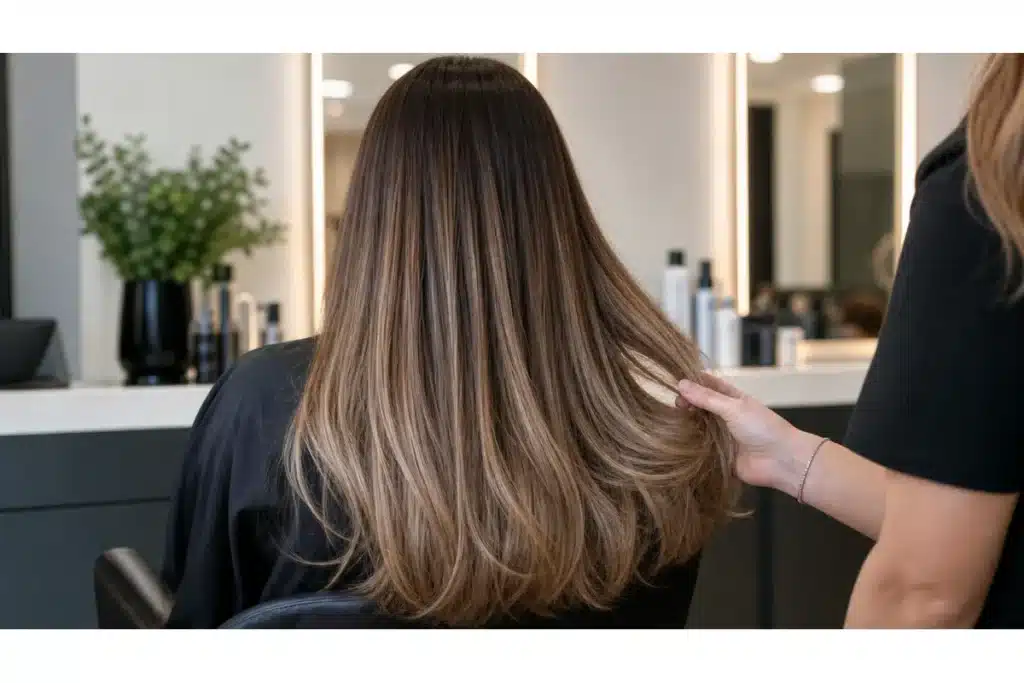
Weft hair extensions often fit salon menus that need flexible volume and fuller transformations, while tape in extensions often suit clients who want a flatter, lighter result. The better choice depends on natural hair density, appointment time, styling habits, and the salon’s move-up or reapplication process.
For salon owners and wholesale buyers, the useful question is not which method is better in general. It is which method fits the service result, client profile, and aftercare system that the salon can support consistently.
What is the practical difference between weft hair and tape in extensions?
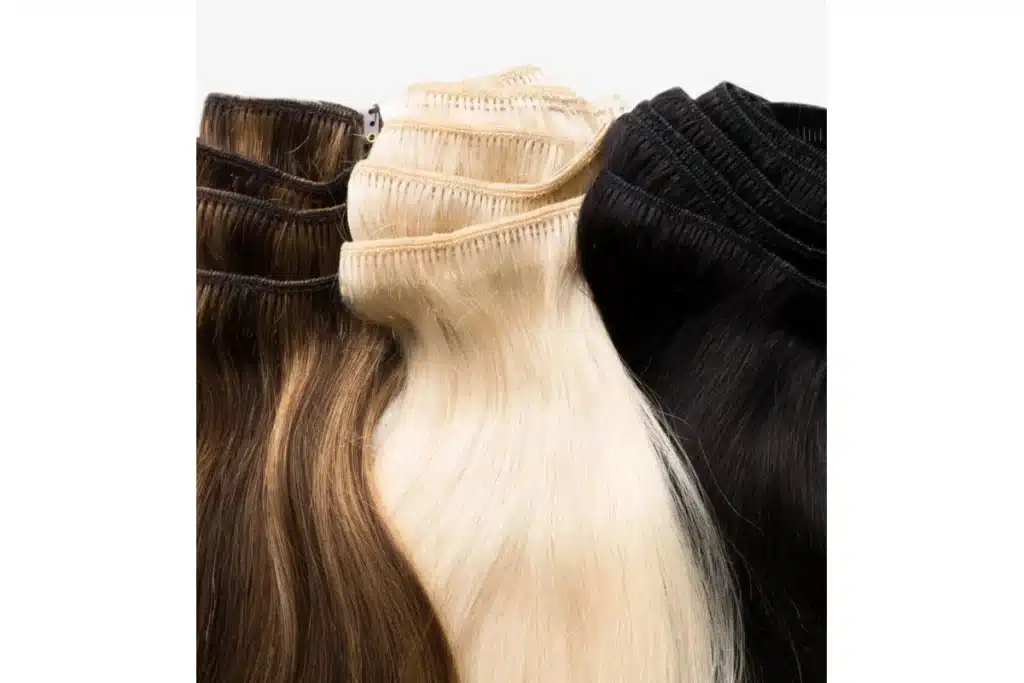
Weft hair is installed in rows, while tape in hair is installed as paired adhesive tabs, so they create different weight distribution and maintenance needs.
Weft systems give stylists room to build volume across selected sections. They can work well when a client wants more density, longer lengths, or a stronger before-and-after change. Tape in extensions are often chosen when the salon needs a low-profile method that sits close to the head.
| Buyer check | Weft hair extensions | Tape in extensions |
|---|---|---|
| Structure | Hair is attached to a weft seam and installed in rows | Hair is attached with paired adhesive tabs |
| Best salon use | Volume-focused services and flexible row planning | Flat, lightweight services with controlled tab placement |
| Maintenance point | Row tension, bead position, and move-up timing | Root product control, tab adhesion, and retaping |
| Common complaint risk | Bulky or tight rows when weight and placement do not match | Slipping or visible tabs when placement and aftercare are poor |
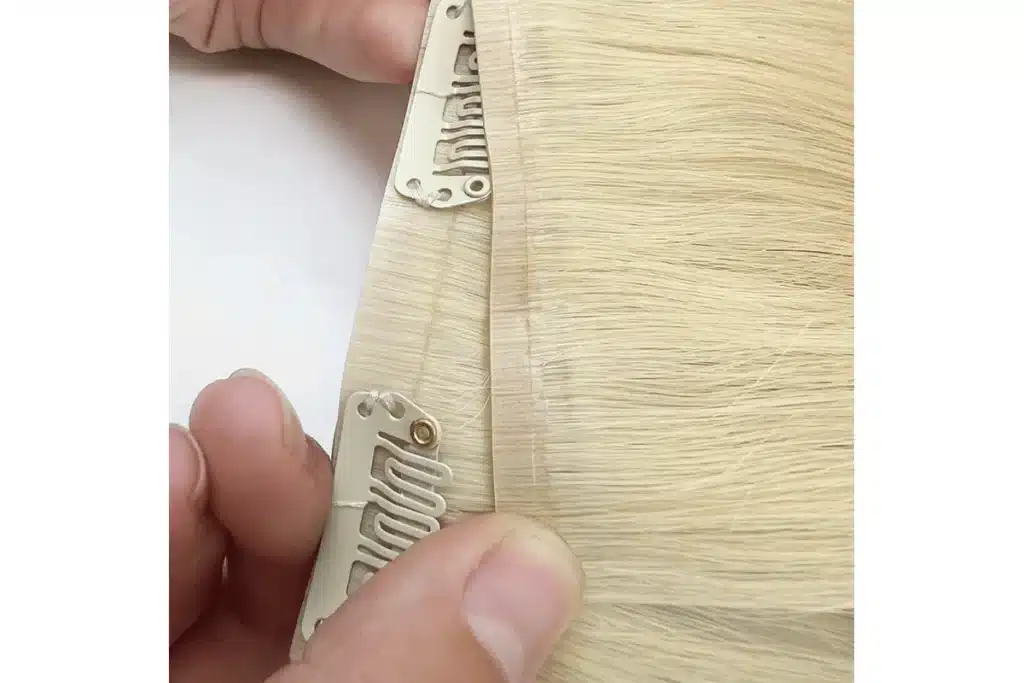
From the factory side, construction matters because a soft bundle alone does not show how the method will feel after installation. A salon should look at seam thickness, tab finish, hair density, and the planned installation method before it decides which service belongs on the menu.
Use a simple sample check to compare row thickness, tab visibility, client hair density, and maintenance timing before you place a repeat order.
Request a salon method spec check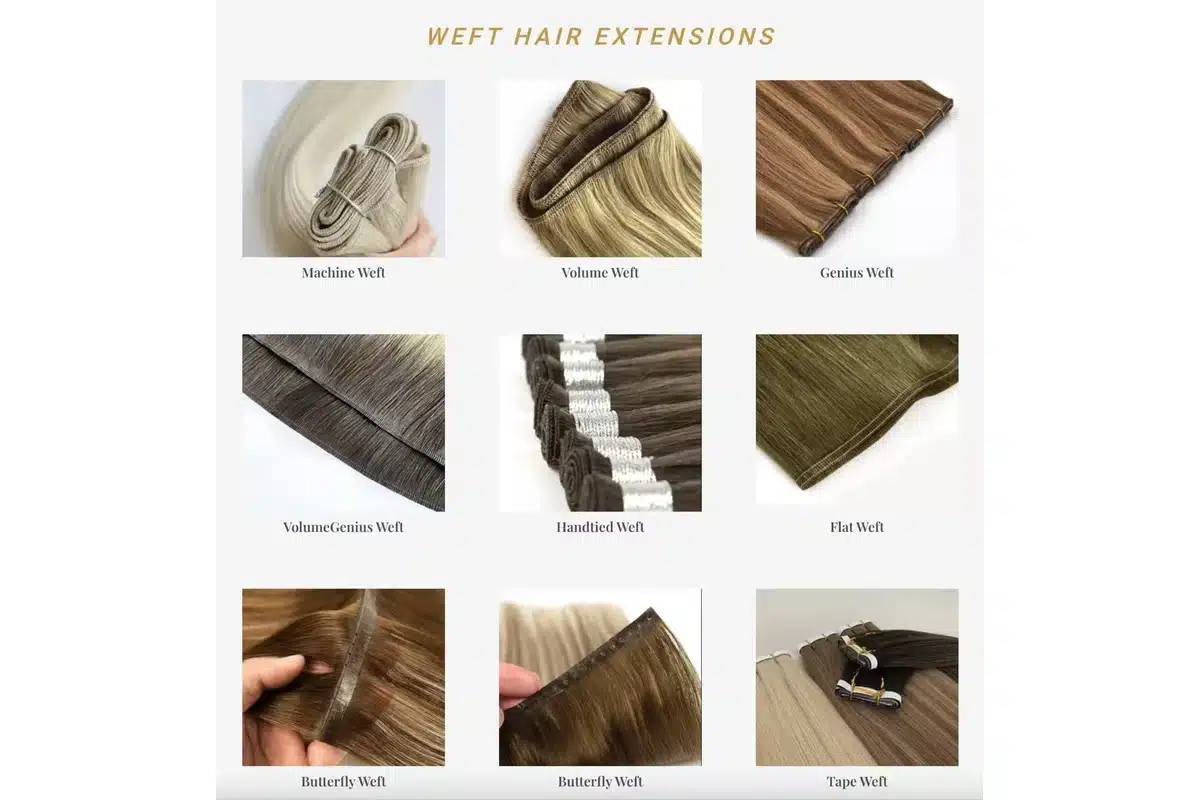
Which clients often fit weft hair extensions better?
Weft hair extensions often fit clients who need more volume or a broader density change, provided the stylist can distribute row weight carefully.
Clients who want visible volume
Many salon orders use wefts when the client wants a fuller perimeter or a stronger length-and-volume result. The stylist can decide how many rows are needed and where the density should sit. That flexibility can be useful, but it also means the row plan needs more judgment.
Clients with enough natural hair to cover a row
The top layer must cover the seam naturally. Fine hair does not always rule out a weft, but a heavy row near a sparse crown may create visibility or comfort concerns. Buyers should confirm weft height, gram weight, and the client profile before choosing a standard set for every consultation.
For salons comparing row structures, our weft installation guide explains why beaded, sewn, and hybrid installations need different planning.
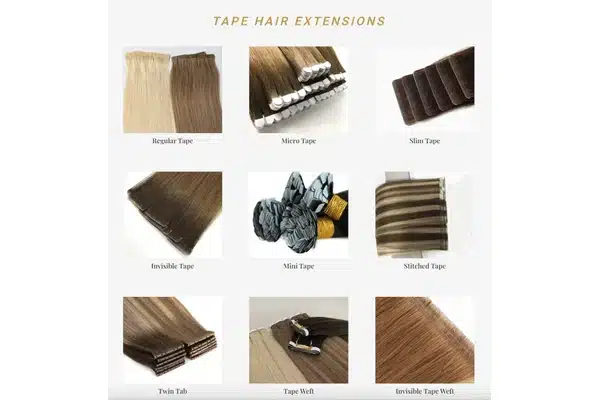
When can tape in extensions be the safer salon choice?
Tape in extensions can be a safer choice when the client needs a flatter result and the salon can control tab size, root products, and reapplication care.
Tape tabs spread weight across a small, flat area. This can suit clients who do not want the feel of a row, especially when their hair is fine but still has enough density for clean placement. It does not mean tape in hair fits every fine-hair client. Oily roots, thin perimeter areas, and unsuitable aftercare can increase slipping or visibility risk.
In after-sales communication, we usually ask about dry shampoo, root oils, conditioner placement, and first-week washing before we judge a tape complaint. That simple check often shows whether the issue is adhesive performance, placement, or product buildup.
The tape in maintenance timeline can help salons set a more realistic reapplication conversation before the service begins.
What should a salon buyer test before ordering either method?
Salon buyers should test the construction, density, color consistency, and care fit before they use either method in a bulk service menu.
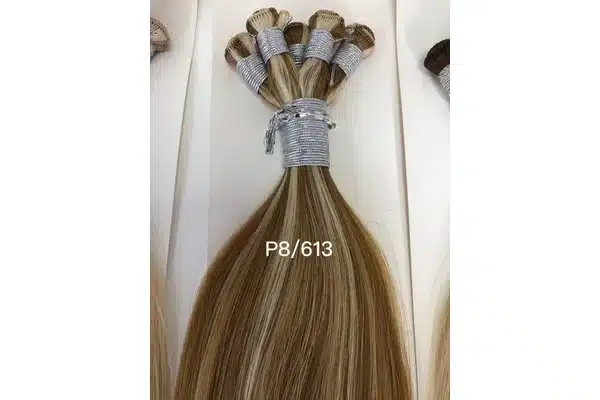
Start with the exact hair length, color family, and gram option that the salon plans to reorder. A very soft sample in one shade does not always prove that a light blonde, longer length, or larger repeat order will behave in the same way. For wefts, inspect seam finish and how the hair looks when folded into a planned row. For tape, inspect tab alignment, adhesive cleanliness, and how the hair lays when paired.
Buyers should also ask the supplier how the product will be packed, labeled, and matched across repeat orders. This matters for salons because a change in color tone or end fullness can make a familiar service harder to sell.
How should salons decide which method to stock first?
A salon should stock the method that matches its most common client goals and the maintenance support it can deliver consistently.
A volume-focused salon may start with a clear weft selection. A salon that receives many fine-hair consultations may need tape in options with careful placement rules. Some salons stock both, then explain the decision through a short consultation checklist rather than a product preference.
The safer buying process is to sample each method under realistic conditions. Confirm natural-hair coverage, appointment timing, removal process, and the service price the salon can support. The Hibiscus Hair contact team can help buyers compare product specifications before a bulk order.
My View
From our factory perspective, weft hair and tape in hair should not compete only on a product name or a first-touch softness test. We usually suggest that salon buyers begin with the client result they need to deliver, then work backward to structure, weight, and maintenance. A weft can give useful volume when rows are planned for the client’s density. Tape in hair can look very flat when tabs are placed on clean, suitable sections and the client follows the right care routine. The risk rises when a salon tries to use one method for every hair type. For repeat orders, buyers should test the same lengths, shades, and service steps they expect to use in the salon. This gives the salon a clearer basis for choosing inventory and reducing later questions.
Frequently Asked Questions
Are weft hair extensions more damaging than tape in extensions?
Neither method is automatically more damaging. Risk depends on row or tab placement, installed weight, removal, natural hair condition, and aftercare.
Do tape in extensions work for clients who want more volume?
They can add volume when tab placement and pack weight match the client’s hair. A client who needs a major density change may need a different method or a mixed service plan.
Should a salon carry both weft and tape in hair?
Often, yes. Carrying both can help a salon match the method to hair density and client goals instead of forcing one service onto every consultation.
Conclusion
Weft hair extensions and tape in extensions serve different salon needs. Compare client density, desired volume, comfort expectations, and maintenance support before selecting a method. A sample-led decision can help the salon choose stock that fits its real service menu.