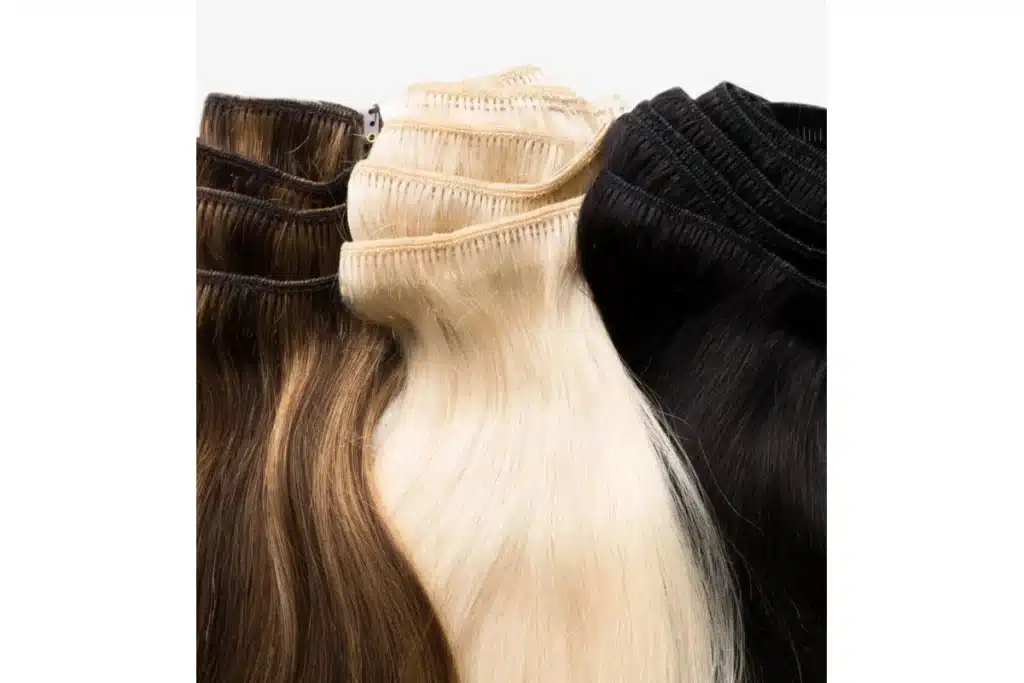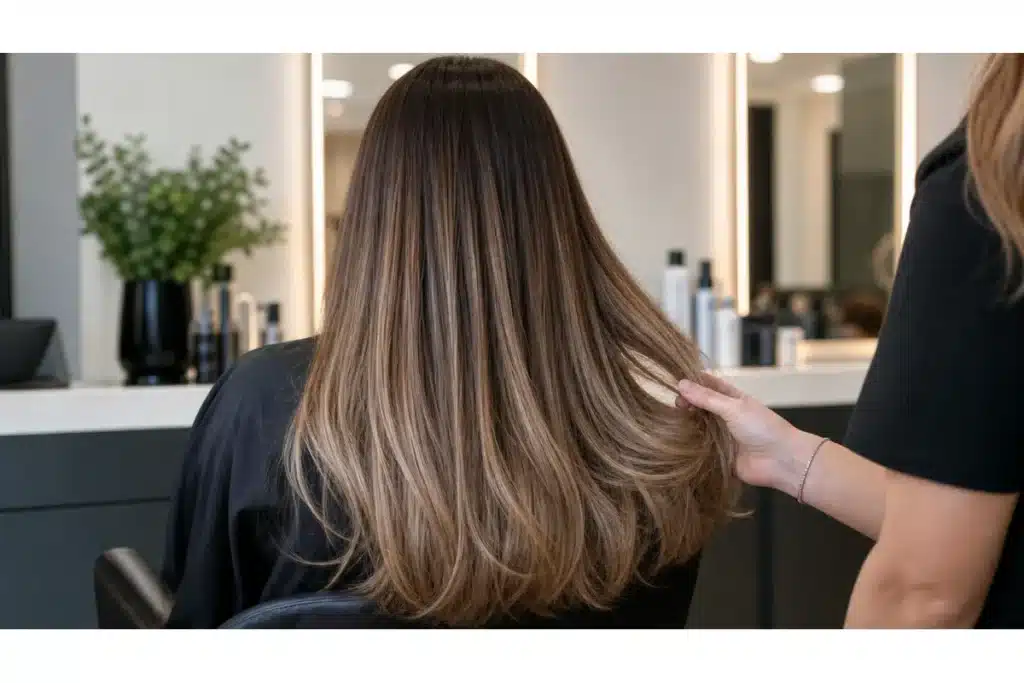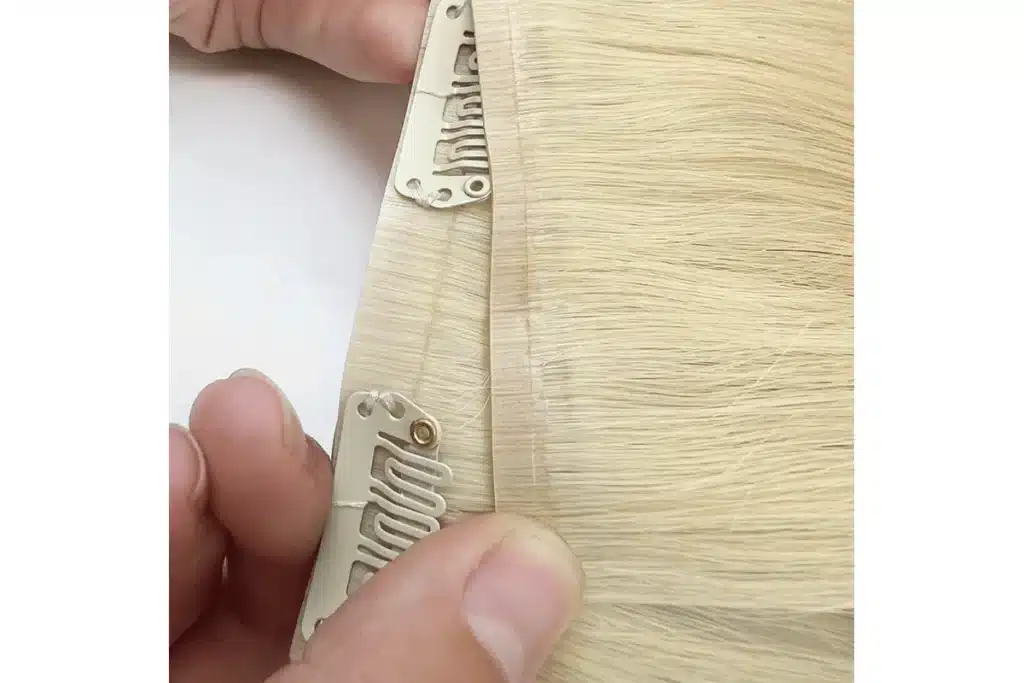
A clip-in set can look attractive in a product photo but still create returns when the clips, weft layout, shade plan, or instructions do not match buyer expectations.
Wholesale clip in hair extensions should be checked for set structure, clip pressure, weft width, hair density, shade planning, and retail instructions before a retailer orders in bulk. A clear buying standard helps stores choose sets that are easier for customers to wear, understand, and reorder.
For retail buyers, clip-in quality is not limited to the hair itself. The set needs to make sense when a customer opens the package at home. The number of pieces, clip placement, color system, and care information all affect the chance of a smooth first use.
What should retailers check in a wholesale clip-in set?
Retailers should check the number of pieces, weft widths, clip attachment, set weight, color range, and customer instructions before approving a bulk order.
| Set detail | What to inspect | Retail effect |
|---|---|---|
| Weft layout | Piece count and width of each weft | It affects whether buyers can build a balanced result without guessing |
| Clip pressure | Opening, closing, and grip on a test section | Clips that feel too loose or too harsh can increase returns and support questions |
| Set weight | Total grams and hair distribution across the pieces | It helps retailers match the set to the expected volume result |
| Shade plan | Color names, swatches, root blends, and photos | Clear shade information can reduce mismatch claims after delivery |
In sample testing, we usually ask a retailer to have someone outside the buying team open and place the set using only the proposed instructions. This can show whether the layout is clear for a first-time customer and where the packaging or guide needs more detail.
Confirm piece layout, grams, clip count, shade codes, packaging, and customer instructions before a bulk clip-in order.
Request a clip-in set specification checkHow does weft layout affect a customer’s first result?
A clear weft layout helps customers place each piece in a balanced order and can reduce confusion about volume, coverage, and blending.
Check the width and purpose of each piece
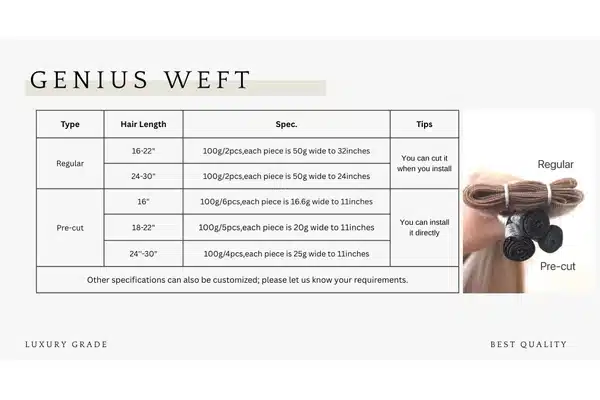
A complete clip-in set often includes wider back pieces and narrower side pieces. The exact layout should match the set’s gram weight and intended use. A retailer selling a volume-focused set may need a different distribution from a retailer selling a length-and-volume set.
The clip-in hair extension set design guide can help retail buyers compare clip count and weft width before they settle on a private-label layout. More pieces are not always better if the set becomes difficult for customers to place.
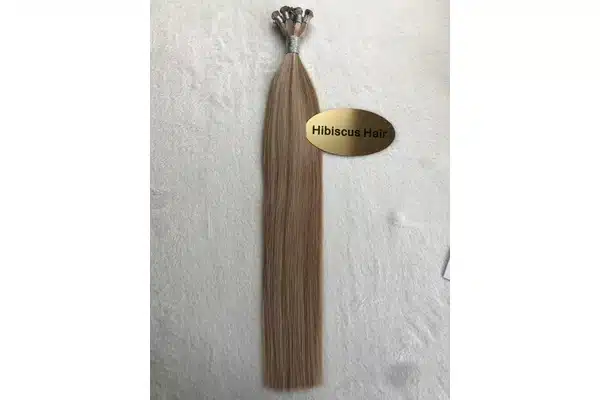
Test the full set on a realistic hair density
Retailers should test the set on the client density they expect to serve. A heavy set can be useful for a thicker-haired customer who wants volume, but it may feel unnecessary or harder to hide for finer hair. This is why the pack weight and weft distribution should be explained clearly on the product page and in the packaging.
What should retailers test about clips and comfort?
Retailers should test whether the clips open smoothly, close securely, and sit comfortably when the set is placed with a normal amount of natural hair.
Open and close each clip several times. Check the stitching around the clip and the position along the weft. The clip should hold without forcing the user to take an overly small or overly large section of hair.
From the production side, we know that clip complaints are often about placement expectations as well as hardware. A good retail guide should explain where to create a secure base section and when a customer should reduce the number of pieces for comfort.
Why does shade planning matter for retail returns?
Shade planning matters because customers often judge a clip-in set first by the blend around the face and top layer, where a mismatch is easiest to see.
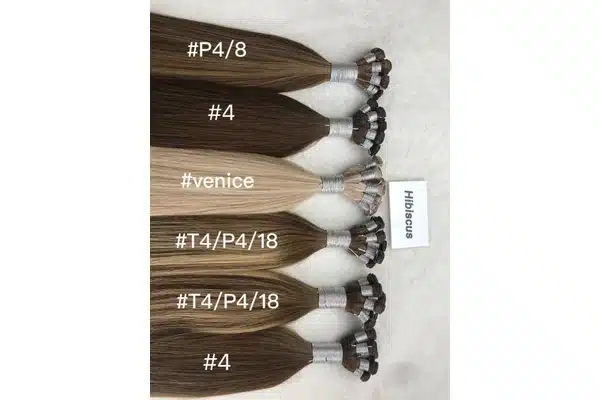
Retailers should assess the shade range in daylight and under the lighting used for their product photos. Rooted shades, mixed blondes, and cooler browns need clear naming and images that show the blend rather than only a flat color swatch.
The clip-in color matching guide can support a retailer’s customer guidance. It is useful to state whether a customer should match the mid-lengths, ends, or a blended highlight pattern, depending on the collection.
What should wholesale packaging and instructions include?
Wholesale clip-in packaging should state the set weight, piece count, color code, basic placement order, care notes, and return conditions in clear customer language.
For private-label buyers, the packaging should also match the product page. A customer should not receive a set with a different stated gram weight, clip count, or shade name from the one used online. This does not mean every instruction must be long. It means the customer needs enough information to understand what is in the box and how to assess the fit before altering the set.
Retailers should keep one approved sample set and package as a reference for reorders. This is useful when teams change, new staff join, or a product photo needs to be checked against the actual item.
My View
From our factory perspective, wholesale clip-in buying works best when retailers test the product as their customer will receive it. We usually suggest checking the piece layout, clip pressure, hair distribution, shade labeling, packaging, and first-use instructions together. A soft set with a good color can still create support work if the wefts are difficult to place or the guide does not explain the grams and clip count. The safer choice is often to approve a complete sample set, including packaging, instead of approving hair swatches alone. For repeat orders, keep the approved set and written specification so the next batch can be compared with the same retail standard.
Frequently Asked Questions
How many clips should a wholesale clip-in set include?
The right number depends on the set weight, weft widths, and intended result. Buyers should test the layout instead of selecting a clip count only because it is common in another collection.
Should retailers sell one clip-in weight for every customer?
Usually not. A lighter volume set and a fuller length-and-volume set can serve different hair densities and expectations. The product information should make that difference clear.
What is the best way to reduce clip-in return risk?
Retailers can reduce risk by testing a complete sample set, using clear shade guidance, stating the weight and piece count, and giving simple placement and care instructions before purchase.
Conclusion
Wholesale clip in hair extensions should be selected as a complete retail product, not only as a bundle of hair. When retailers check the set layout, clips, weight, shades, packaging, and customer instructions before ordering in bulk, they can build a clearer offer and reduce avoidable return questions.