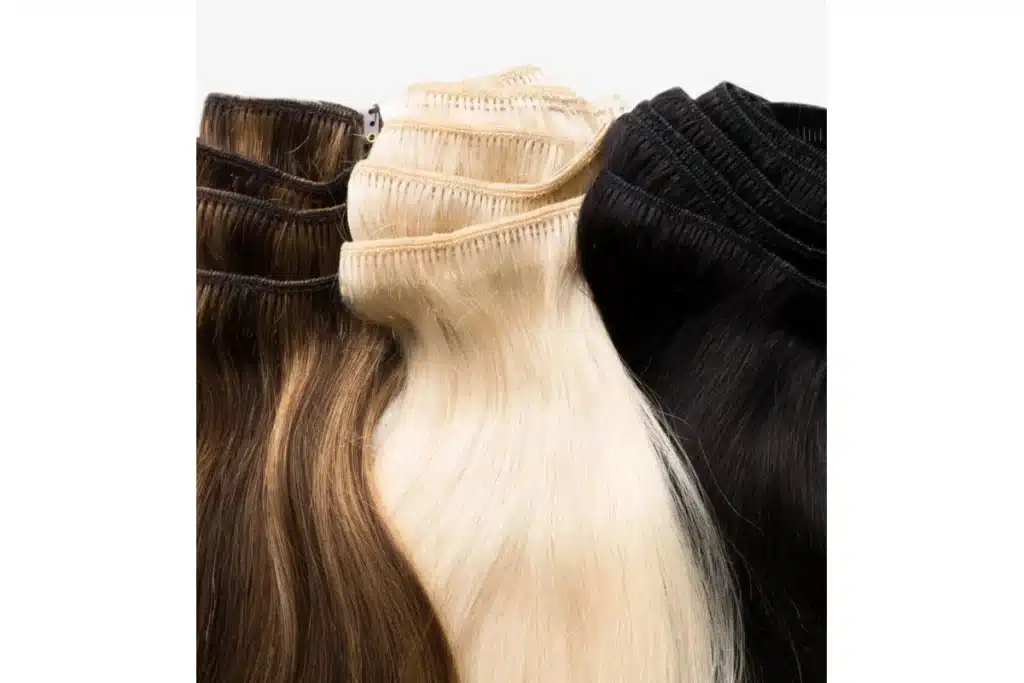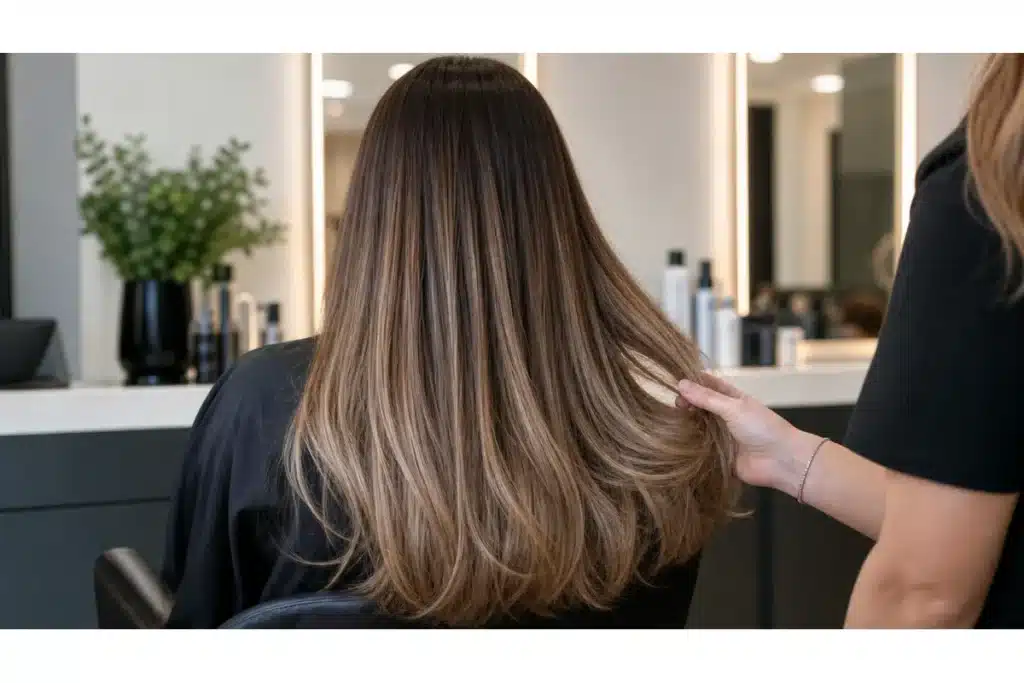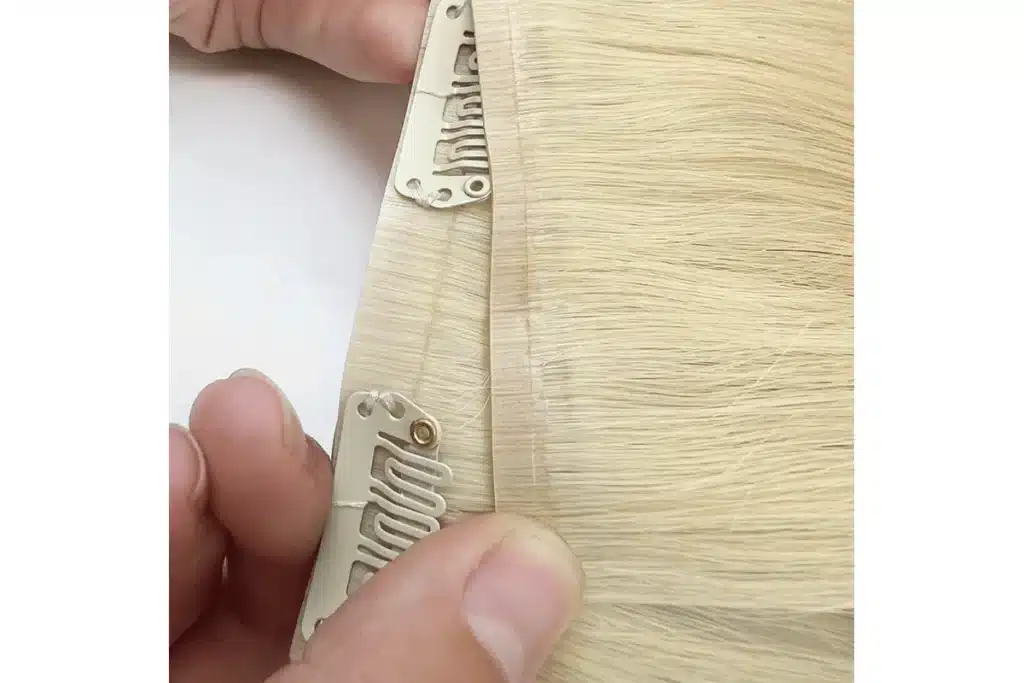
Tape-in samples can look flat and clean at first, but poor tab finish, color mismatch, or adhesive problems can create avoidable salon complaints.
Wholesale tape in hair extensions should be tested for tab finish, adhesive behavior, hair quality, color match, and retaping before a salon buys in bulk. The right sample check helps buyers see whether the tabs fit their service method, client coverage needs, and aftercare plan.
For salon owners and wholesale buyers, tape-in selection is not only about a smooth-looking tab. The hair, adhesive, placement routine, and color range need to work together for the clients and services the salon expects to handle.
What should salons inspect on a tape-in sample first?
Salons should inspect tab finish, adhesive edge, hair density, color behavior, and the result after careful removal before approving a bulk order.
| Sample check | What to inspect | Why it matters for salons |
|---|---|---|
| Tab finish | Tab shape, edge seal, and thickness | It affects how flat the placement can sit near the root area |
| Adhesive behavior | Initial hold and clean removal with the intended remover | It can affect service time, residue, and retaping work |
| Hair density | Fullness from top to end across the tab set | It affects how many packs the salon may need for a result |
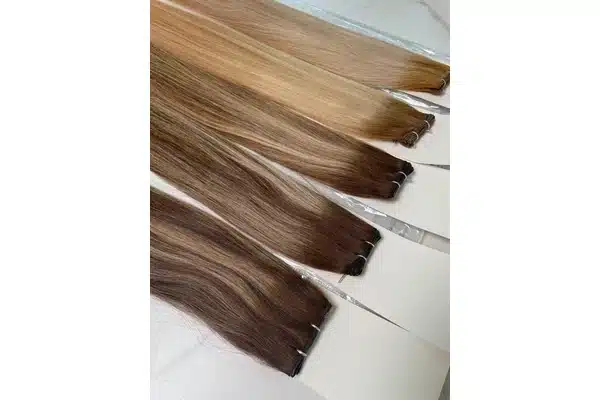
| Color match | Root shadow, blend, and tone in salon lighting | It can reduce visible tabs and color-correction pressure |
When a salon buyer asks us about a tape-in sample, we usually ask which remover, shampoo routine, and root products the salon uses. Adhesive results can change when the service routine changes, so a sample should be tested with the process the salon plans to repeat.
Confirm tab size, pack weight, shade code, adhesive expectation, and retaping routine before your first salon bulk order.
Request a tape-in sample specification checkHow should a salon assess the tab finish and adhesive?
A salon should check whether the tab is evenly finished and whether the adhesive works with its own removal and retaping process.
Look at the edge, not only the center
Inspect the tape tab under good light. The adhesive should sit within a neat edge, and the tab should not have obvious lifting or irregular thickness. A clean tab can support a flatter placement, but it still needs enough natural hair coverage for the client.
The tape-in hair extension maintenance timeline can support the salon’s timing plan after installation. A suitable sample should fit the maintenance interval that the salon can explain and deliver consistently.
Remove and retape a test section
Use the intended remover on one test pair. Check whether the tab removes without unnecessary pulling and whether residue can be cleaned before retaping. A very strong hold is not automatically better if it makes the salon’s removal process harder or leaves more cleanup work.
In after-sales communication, we often ask about oils, silicone-heavy root products, and placement too close to the scalp before we judge a slipping issue. These factors can affect the result even when the original tape is suitable.
Why should buyers test color and coverage together?
Color and coverage should be tested together because a well-matched shade can still look visible when the client has limited root coverage or the tab placement is too exposed.
Check the sample beside a natural top layer in daylight and under the salon’s usual indoor lighting. Root shadows, lowlights, and cool blonde blends often need more care than a single solid shade. A color ring is useful, but a physical sample can show whether the blend sits naturally near the attachment area.
For finer hair clients, tab placement and row spacing are just as important as the shade. The tape-in extensions slipping guide can help a salon separate placement and product-buildup issues from a tape selection question.
What should a bulk tape-in specification include?
A bulk tape-in specification should include hair length, pack weight, tab size, shade reference, adhesive expectation, and the approved sample.
For a 50g or 100g pack plan, the buyer should state how many tabs are expected in each pack and what service result the pack is intended to support. This matters because salon teams often calculate a full-head order by both grams and tab count.
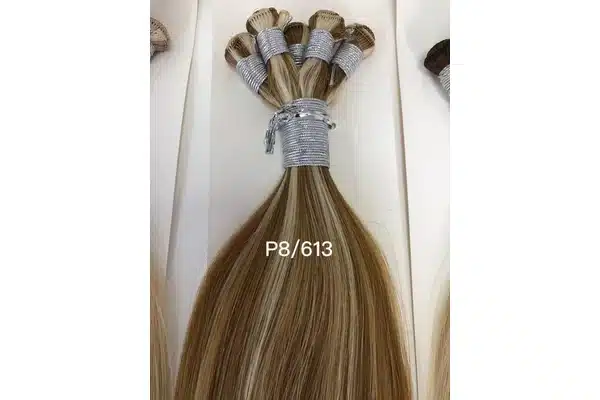
From the factory side, we recommend that buyers keep the approved sample and the exact color reference for every repeat order. The same shade name may not be enough when the collection includes rooted, blended, or light blonde colors.
When should a salon reject a tape-in sample?
A salon should pause approval when the tab finish is inconsistent, removal is unusually difficult, color is unstable, or the hair does not match the planned service level.
The buyer does not need to reject a sample because it is different from another method. Tape-in hair is designed for a specific attachment style. The key is whether it performs consistently within the salon’s own service process. Buyers should record what they tested and request clarification before they place a larger order.
My View
From our factory perspective, tape-in samples should be tested as a service tool, not only as a hair swatch. We usually suggest that salons check the tab edge, removal routine, retaping process, color blend, and coverage on the client profile they plan to serve. A flat tab can be useful, but it may not fit every natural density or placement area. The safer choice is often to define the salon’s routine first, then select the tab size, pack weight, and shade range that match it. For bulk orders, buyers should keep the approved sample, color code, and tab specification together so the next order can be checked against the same standard.
Frequently Asked Questions
Should a salon test tape-in adhesive on every client type?
Not every client type, but the sample should be checked on the hair density and service routine the salon expects to handle most often. Fine hair, heavy root products, and frequent swimmers may need more specific guidance.
Can tape-in extensions be retaped after sample removal?
Often, yes, when the hair quality remains stable, the old tape is removed carefully, and the salon uses suitable replacement tape. The final result also depends on cleaning and aftercare.
Is a 50g pack enough for a tape-in sample order?
A 50g pack can be useful for checking color, tab finish, and hair behavior. A full service test may need more hair, depending on the client’s density and the salon’s target result.
Conclusion
Wholesale tape in hair extensions should pass a salon-specific sample check before a bulk order. When buyers test tab finish, adhesive behavior, color, coverage, and retaping with their own service routine, they can make a clearer purchase decision and set better expectations for clients.