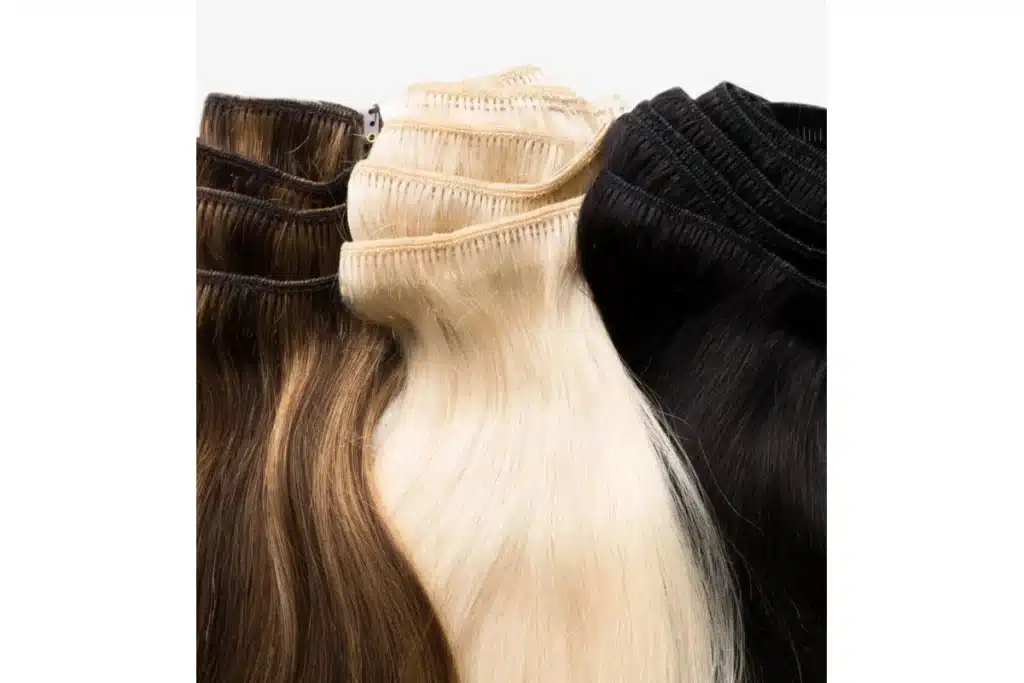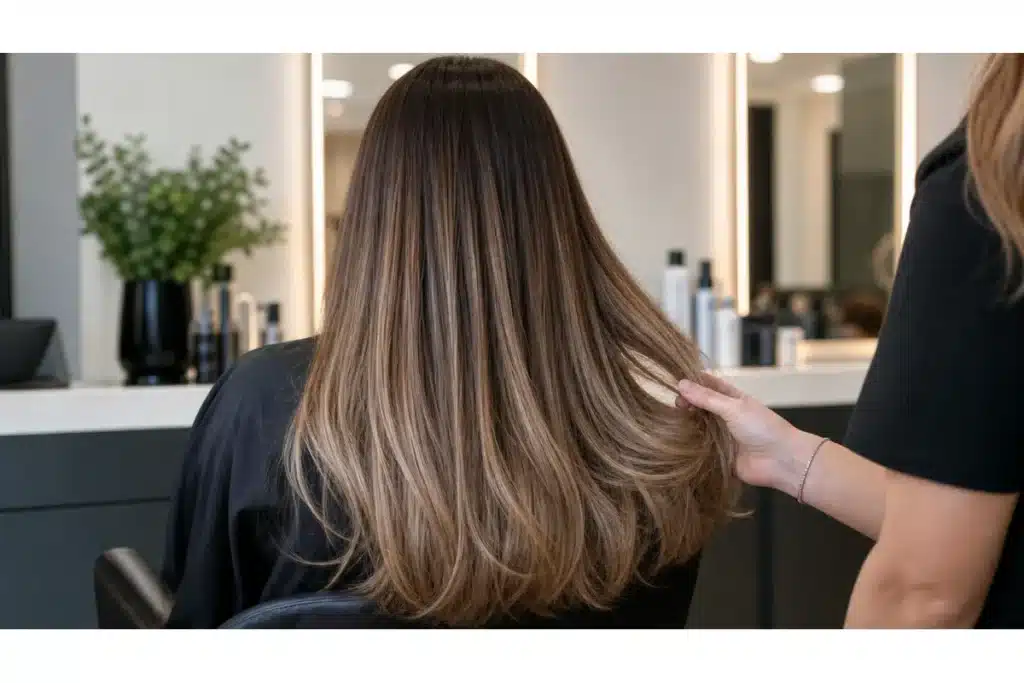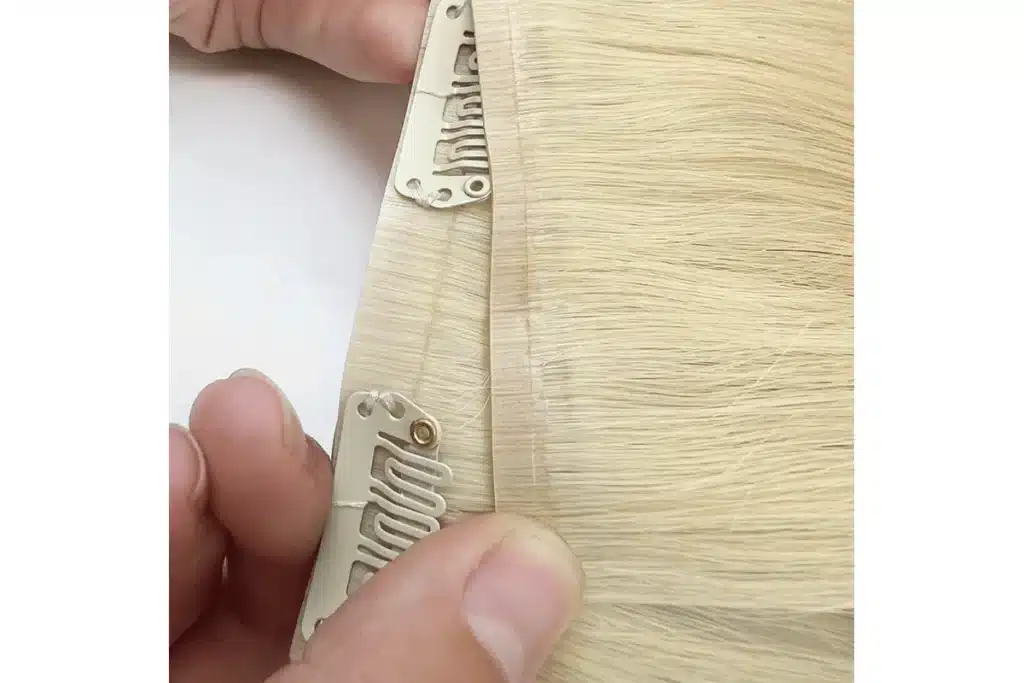
A soft sample can look convincing, but a weak seam, thin ends, or unstable color can create costly bulk-order complaints later.
Wholesale weft hair extensions should be approved only after buyers test seam strength, wash response, end fullness, color consistency, and reorder control. A soft first touch matters, but it does not show how the hair will perform after normal salon handling or across a repeat production run.
For salon owners, distributors, and private-label brands, the useful question is not whether a sample looks good on day one. The question is whether its construction and hair behavior can support the client range, service method, and reorder standard you plan to sell.
Which sample checks should wholesale buyers complete first?
Buyers should start with seam construction, hair direction, end fullness, wash response, and color before they approve a larger weft order.
| Sample check | What to inspect | Bulk-order consequence |
|---|---|---|
| Weft seam | Stitching, sealing, and edge thickness | A weak or bulky seam can slow installation and increase shedding questions |
| Wash response | Detangling, softness, and drying behavior after a controlled wash | It shows whether the sample remains suitable for salon reuse expectations |
| End fullness | Density through the final third of the length | Thin ends can make a finished install look underweighted |
| Color consistency | Root, mid-length, and end tone under neutral lighting | Variation can make color-ring planning and repeat orders harder |
In factory work, we often see buyers approve a sample by touch alone. We usually suggest a second check after washing and air drying. This gives the buyer a clearer view of the seam, end behavior, and cuticle direction under normal use.
Ask for a clear specification before your first bulk order: length, weight, color code, seam type, and approved reference sample.
Request a weft sample specification checkHow should buyers inspect the weft seam?
A weft seam should feel secure and consistent, while still matching the salon’s intended installation method and comfort target.
Check the seam before cutting or installing
Buyers should inspect the seam along the full width, not only at one end. Look for uneven stitching, loose thread, visible gaps, or an edge that changes thickness. A wide machine weft can be practical for a volume service, while a flatter seam may fit a salon that needs a lower-profile row.
The human hair weft extensions buyer checklist can help buyers compare structure and hair quality before they set a bulk specification. The right seam depends on the product plan. It is not always the thinnest seam.
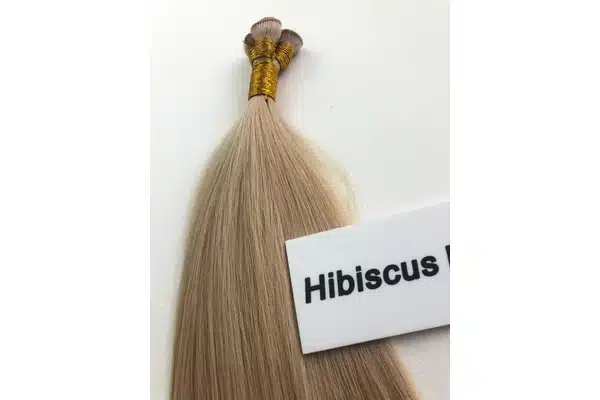
Test cutability with the intended salon method
Some salons cut wefts to fit different head shapes. If that is part of the service, test one short cut section with the same sealing method the stylist plans to use. A cut edge may need extra attention to avoid later shedding. The weft hair extension installation guide gives a useful reference for planning the installation before the buyer confirms a seam style.
What can a controlled wash test reveal?
A controlled wash test can reveal tangling, coating loss, color release, and end dryness that a new sample may not show immediately.
Use a small sample section and keep the routine simple. Record the shampoo, water temperature, drying method, and any heat used. Then compare the hair before and after drying. This is more useful than an aggressive test, because it shows how the product may behave during ordinary salon care.
For a lighter shade or a longer length, this check becomes more important. Those options may show processing pressure sooner than a darker, shorter sample. This does not mean every blonde or long weft will create a problem. It means the buyer should approve the most demanding specification they intend to sell.
Why should end fullness and color be checked together?
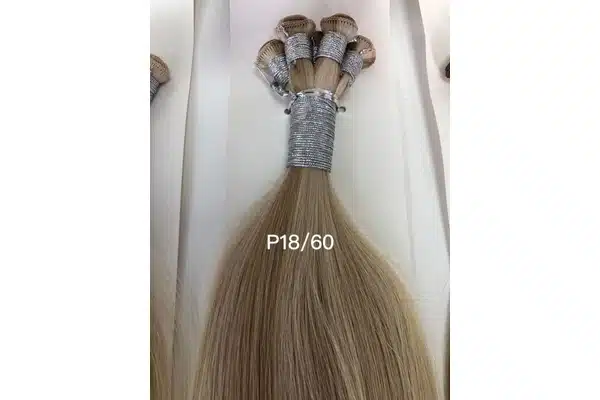
End fullness and color should be checked together because a thin or uneven end becomes more visible when the shade contrast is high.
Buyers should lay the hair flat under neutral salon light and inspect the lower third without stretching it. Then compare the root, middle, and ends to the approved color reference. A natural variation can be acceptable when it matches the requested blend. Random warm, cool, or dark shifts can make matching harder for a salon or a retail color ring.
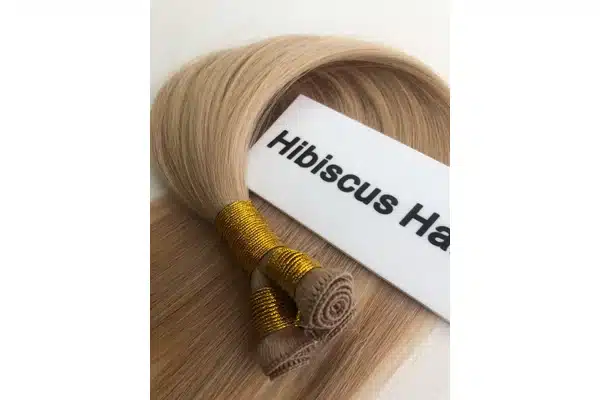
From the production side, we keep an approved reference sample for repeat orders because a written shade name alone does not always capture the exact tone, blend, or end density. For bulk orders, buyers should keep the same reference with the purchase specification.
What should buyers confirm before a repeat order?
Before a repeat order, buyers should confirm the approved sample, production specification, color code, pack weight, length, and inspection standard.
One successful sample does not automatically prove that every later batch will be identical. For wholesale buyers, a simple repeat-order sheet can reduce variation. It should include the approved sample date, hair type, length, gram weight, seam type, color reference, and any wash-test observations.
This process is especially useful for private-label brands and distributors who need several team members to make the same purchase decision. It gives production and sales teams a shared standard before the order is released.
My View
From our factory perspective, a good weft sample should answer more than whether the hair feels soft. We usually suggest that buyers check the seam, hair direction, wash behavior, end fullness, and color under conditions that resemble their own salon or retail plan. The safer decision is often to approve the lightest shade, longest length, or most demanding weft option that will be included in the order. That sample can show risks that a darker or shorter option may hide. For repeat orders, the approved physical sample and written specification should stay together. This does not remove every variation risk, but it gives the buyer a practical reference for production checks and after-sales communication.
Frequently Asked Questions
How long should a wholesale weft sample be tested?
Buyers should allow enough time for a controlled wash, dry, detangle, and seam inspection. A short test is useful, but it should include the handling the salon expects during normal service.
Should buyers test every color before a bulk weft order?
Not always. Buyers should at least test the lightest shade, the key selling shades, and any color that uses a more demanding process. Those options can show color and dryness differences more clearly.
Can one sample approve a repeat order?
One sample can become the reference, but buyers should also confirm the repeat-order specification. The approved sample, color code, length, weight, and seam type should all be recorded.
Conclusion
Wholesale weft hair extensions need a sample process that checks construction as well as first appearance. When buyers test seam quality, wash response, end fullness, color, and repeat-order controls before buying in bulk, they have a stronger basis for selecting a stable weft range.