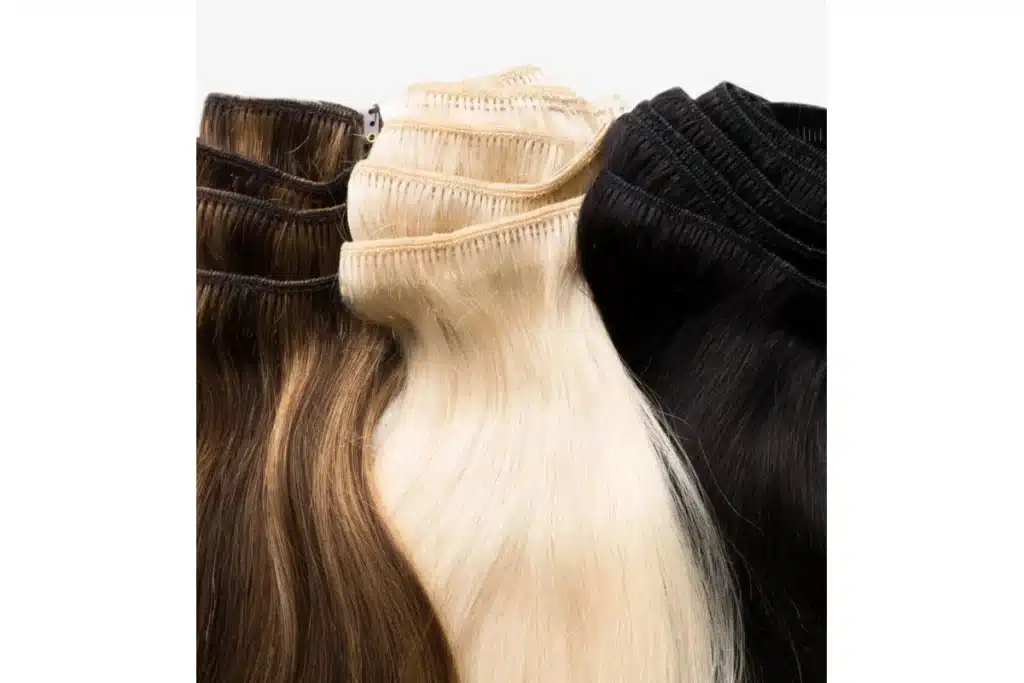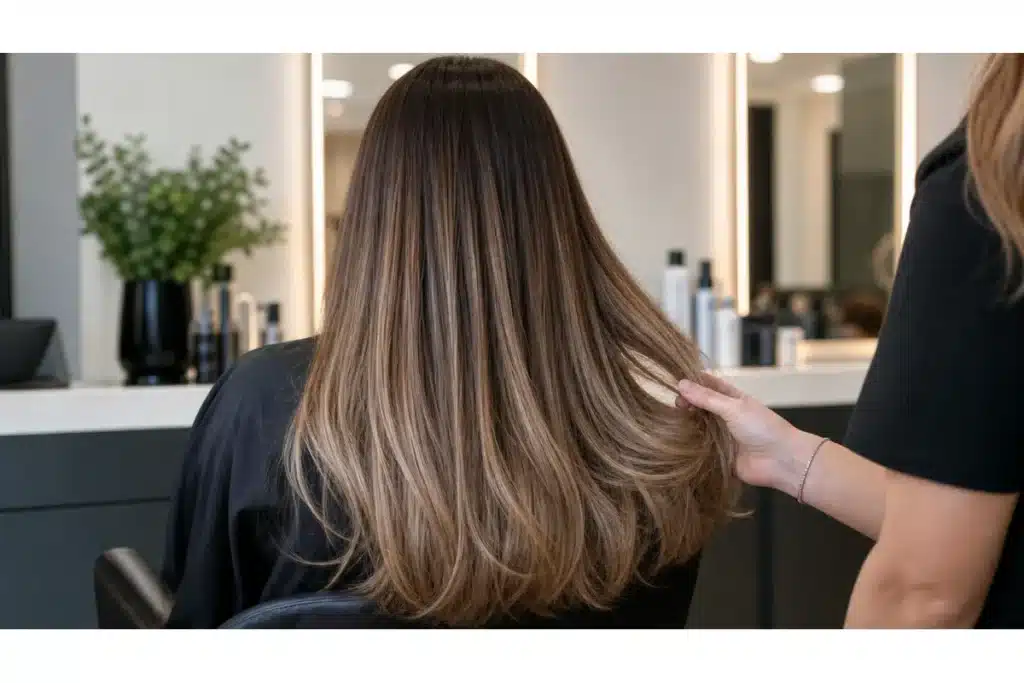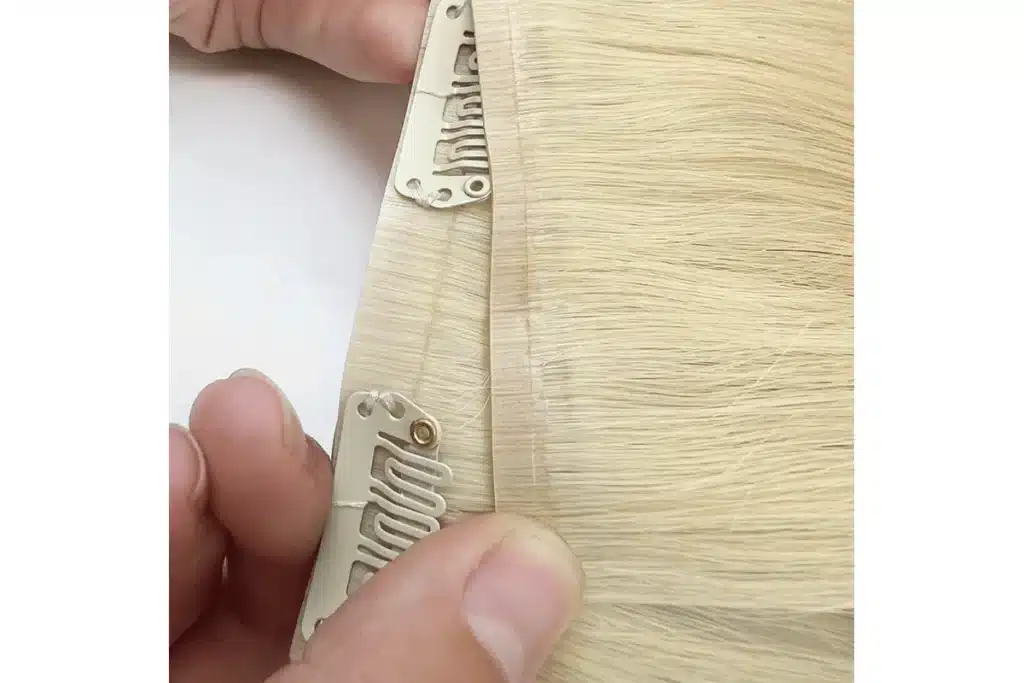
A tape-in range can look ready for launch, but unclear tabs, shade labels, pack formats, and care instructions can create problems after the first retail order.
Private label tape in hair extensions need a defined tab type, pack configuration, shade reference, packaging plan, care guidance, and repeat-order standard. Brands should approve the full product system, not only a loose hair sample, before they invest in a branded bulk order.
For salon brands and distributors, tape-in products require clear choices before packaging starts. The tab is part of the product experience. So are the number of pieces, total grams, color labels, removal expectations, and the information a customer receives after purchase.
What details should a private-label tape-in specification cover?
A private-label tape-in specification should cover tab size, adhesive type, hair length, pack weight, piece count, shade system, packaging, and aftercare information.
| Product area | What the brand should define | Buyer consequence |
|---|---|---|
| Tab type | Regular, invisible, micro, or another approved construction | It affects the intended placement and coverage message |
| Pack format | Total grams, piece count, and length per pack | It helps buyers plan services and compare value |
| Shade system | Color code, root blend, and approved physical reference | It reduces mismatch between online selection and delivered hair |
| Care insert | Removal, retaping, product, and maintenance guidance | It can reduce preventable support questions |
When a private-label buyer asks us to prepare a tape-in range, we usually ask how the brand will describe a pack to its customer. A 50g pack and a 100g pack can serve different client needs, so the label and product page need to make that clear.
Confirm tab type, piece count, grams, color codes, packaging copy, and approved sample before branded production begins.
Request a tape-in private-label specification checkHow should brands select a tape-in tab type?
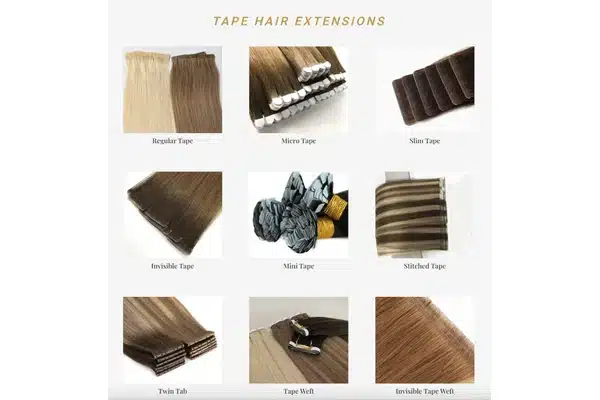
Brands should select a tab type based on the client coverage, placement approach, service training, and visual promise they can support consistently.
Define the product position before naming the tab
Some collections use a regular tab for a practical salon service. Others use an invisible-style tab when the brand wants to focus on a lower-visibility attachment area. The name should match the actual structure and should not promise that every client will have the same result.
The tape in hair extensions product category can help brands compare the available format before they choose their collection. Brands should still approve a physical sample, because the final decision depends on the hair, tab, and service plan together.
Test the tab with the planned salon routine
A sample should be tested with the remover and retaping process the brand expects salons to use. This does not mean every customer will have the same wear time. Root products, placement, and aftercare can change the result. It does help the brand give a clearer care message and avoid an adhesive claim it cannot support.
What should the pack and label tell the buyer?
The pack and label should state total grams, piece count, length, shade code, tab type, and simple care or removal information.
For a 50g or 100g format, the product page should explain what the pack is intended to support. A lighter pack can be useful for testing color or adding limited volume. A fuller pack may suit a larger service plan. The brand should not imply that one pack gives a universal full-head result.
The tape-in maintenance timeline can support the maintenance information a brand gives to its salon partners. The care insert should be practical and short enough that it will be used.
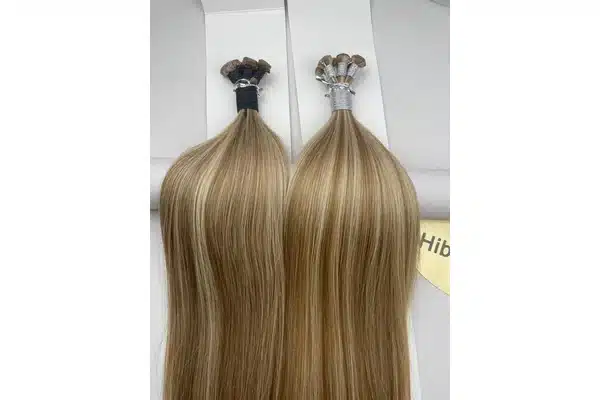
Why do color references matter for tape-in brands?
Color references matter because the top area and face-framing sections can make a small tone difference easy to notice after installation.
Brands should approve rooted, blended, and light shades with a physical reference as well as product photography. A shade label can support inventory, but it cannot show every highlight or root transition. This is why color codes, product photos, and the approved sample need to agree.
From the factory side, we usually advise a brand to start with a controlled shade list rather than too many similar blondes. A smaller, clearly differentiated range is often easier for a new sales team to explain and restock.
What should be checked before a repeat private-label order?
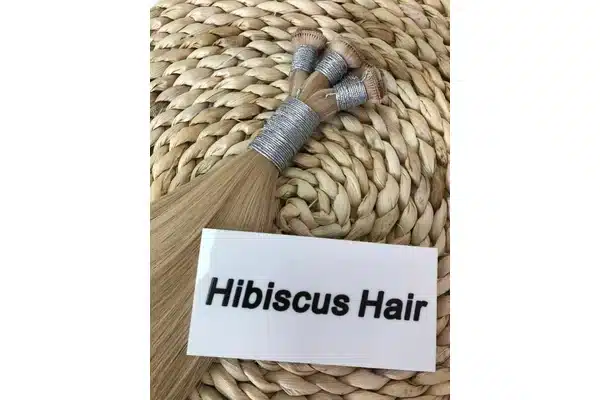
Before a repeat order, brands should compare the new production with the approved tab, hair, color, pack, label, and packaging sample.
One beautiful initial order does not automatically create a repeatable collection. The brand should maintain an item record with the sample date, tab specification, color code, grams, piece count, packaging version, and care-insert version. This helps production, marketing, and customer support refer to the same product.
In after-sales work, we often need the batch code, color reference, and placement details before we can separate a product question from a care or installation issue. A simple record makes that process faster.
My View
From our factory perspective, private label tape in hair extensions should be launched as a complete service product. We usually suggest that brands approve the tab, hair quality, grams, piece count, shade system, and care information as one package. The product can look premium in a photo but still create problems if the customer does not know what is in the pack or how it should be maintained. A narrow range with clear specifications is often a safer first launch. Once the brand has stable sample feedback and reorder controls, it can expand colors or pack formats with more confidence.
Frequently Asked Questions
Should a private-label tape-in range offer both 50g and 100g packs?
It can, but the brand should explain the purpose of each pack clearly. A smaller format can support a limited-volume or color test plan, while a larger format may fit a fuller service.
Can brands use the same care insert for every tape-in tab?
Not always. The core advice can be similar, but the insert should match the tab type, removal process, and maintenance guidance the brand approves.
What should a tape-in brand keep for a repeat order?
Keep the approved physical sample, color reference, tab specification, pack details, packaging version, and customer care text together in the product record.
Conclusion
Private label tape in hair extensions need a controlled product plan before a branded bulk order. When brands confirm the tab, pack, shade, packaging, and repeat-order standard together, they can build a clearer range for salons and reduce preventable questions after launch.