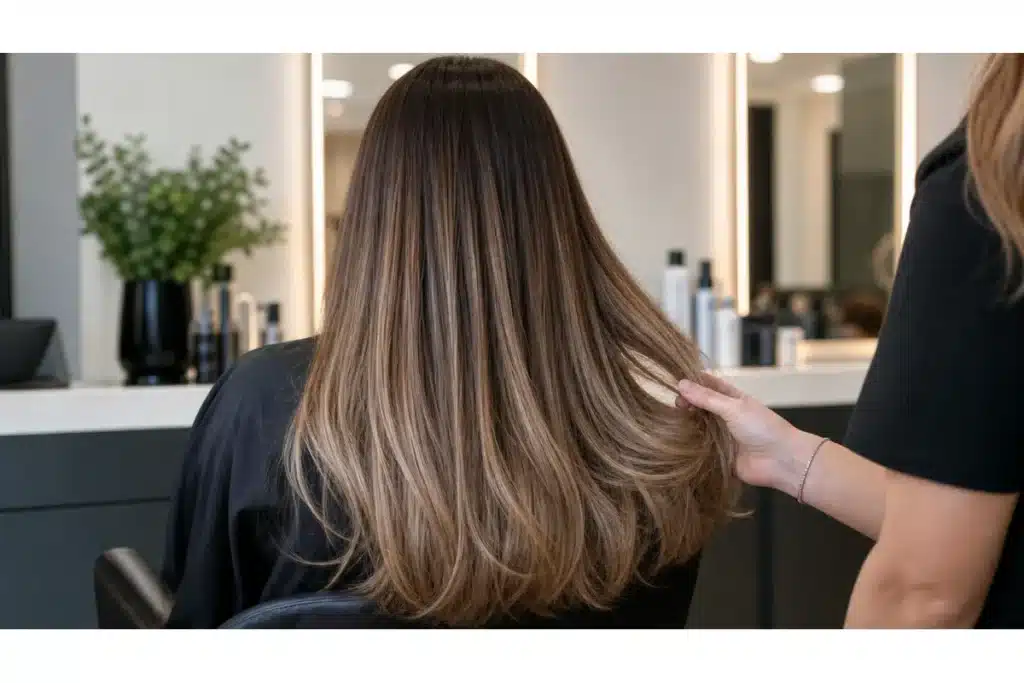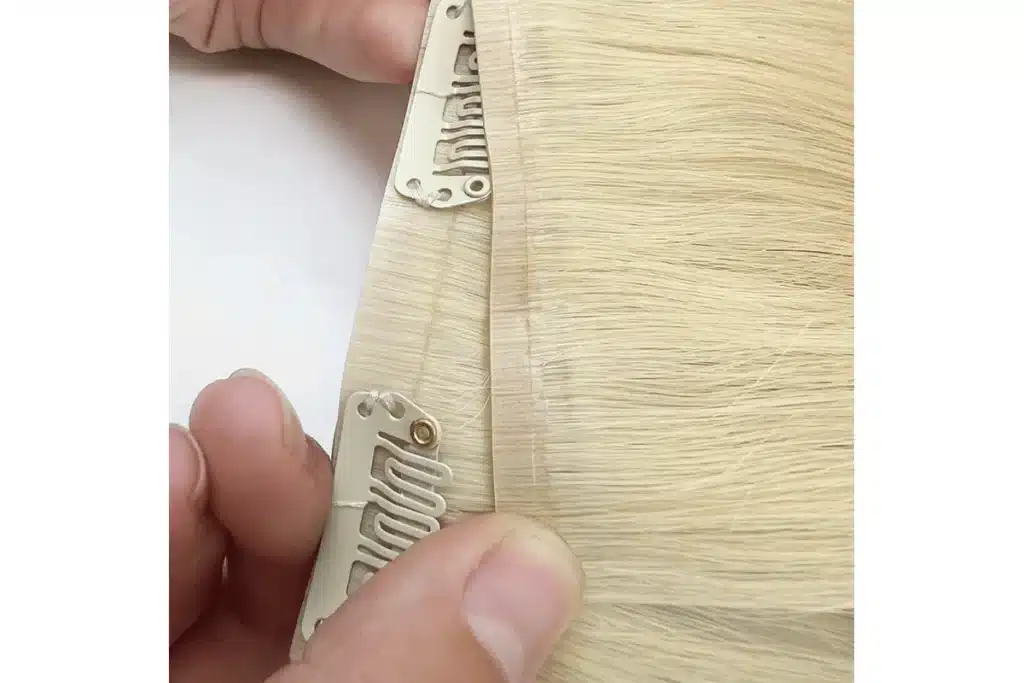
Mini tape-ins can improve placement flexibility, but small tabs still create problems when salons overload them or install them on weak, exposed sections.
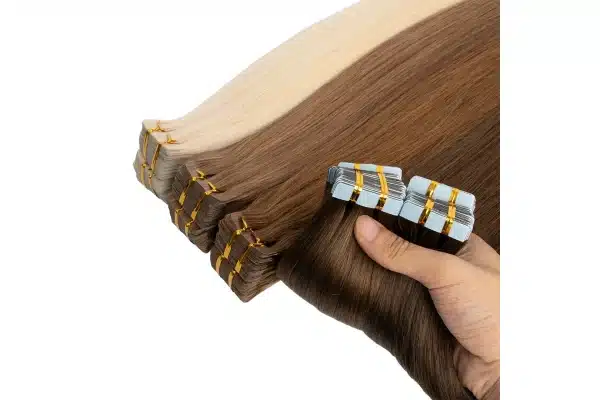
Mini tape in hair extensions use smaller attachment tabs for narrower placement areas. They may suit detail work and some fine-hair services, but salons must confirm piece weight, adhesive area, natural density, coverage, and removal method before installation.
Smaller does not automatically mean invisible or safer. The complete piece and placement plan determine the result.
How Are Mini Tape-Ins Different From Regular Tape-Ins?
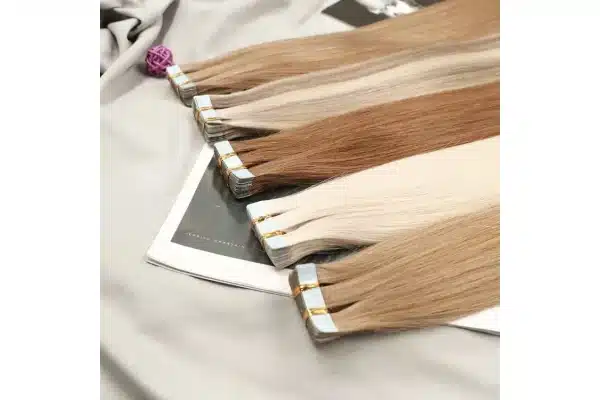
Mini tape-ins usually have a smaller tab and less hair per piece, giving the stylist more placement options in narrow areas.
The buyer should compare tab width, height, adhesive area, grams per piece, and pieces per pack. Two products with similar-looking tabs can carry different amounts of hair. Pack count alone does not show total weight.
The tape in hair extensions range provides a base for comparing formats. Buyers should request exact dimensions and packing specifications before setting salon prices or stock quantities.
| Parameter | Mini tape check | Salon consequence |
|---|---|---|
| Tab size | Measure width, height, and adhesive area | Controls placement flexibility |
| Piece weight | Record grams per sandwich and pack | Affects section strength and total quantity |
| Coverage | Check natural hair above every tab | Controls visibility during movement |
| Removal | Test approved remover and cleanup process | Affects reuse and residue risk |
Share tab dimensions, piece weight, length, pack grams, and target placement before approving salon stock.
Request a mini tape-in reviewWhich Placement Areas May Benefit From Smaller Tabs?
Smaller tabs may help in narrow side areas or detail sections where a regular tab is difficult to hide, provided the natural hair is strong enough.
The stylist should avoid the hairline and fragile sections unless the product and client assessment support the placement. Mini pieces can create a smoother distribution, but using many pieces in one area can recreate the same total weight as larger tabs.
The invisible tape in extensions page shows another visibility-focused format. Invisible and mini tapes solve different problems, so salons should compare coverage, adhesive area, and piece weight.
How Should Salons Control Weight and Tension?
Salons should match each piece to a clean section that can support its weight and calculate total grams across the complete installation.
The American Academy of Dermatology warns that styles that pull can contribute to hair loss. [1] A smaller tab does not remove tension if the section is too thin, the piece is overloaded, or maintenance is delayed.
In sales communication, we often hear that a salon wants mini tapes because a client has fine hair. We ask for the intended grams and placement map. Fine hair may need fewer or lighter pieces rather than simply a larger number of small tabs.
What Should Buyers Test Before Ordering Mini Tapes?
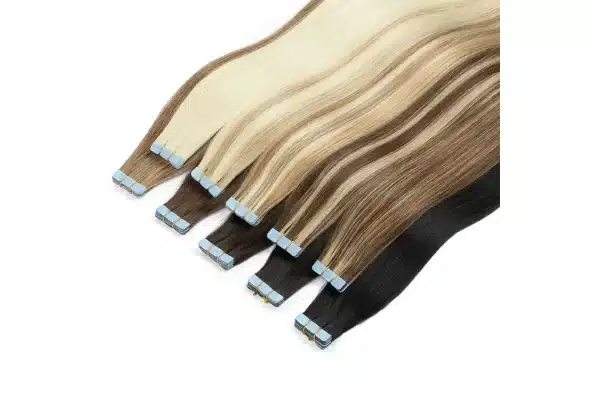
Buyers should test tab dimensions, piece weight, adhesive hold, residue, removal, hair quality, shedding, end density, and pack consistency.
The wholesale tape-in sample guide provides a broader approval process. Mini formats need an additional count check because a small packing difference can affect the salon’s full-head plan.
A clinical review describes traction alopecia as hair loss caused by prolonged or repetitive tension. [2] Salons should tell clients to report pain, persistent tenderness, or visible pulling and should review placement during maintenance.
How Many Mini Tape Pieces Does a Client Need?
The number depends on grams per piece, natural density, target volume, length, head shape, and the number of regular pieces used with them.
Buyers should calculate total grams first. A 50-gram pack with many small pieces does not create more hair than a 50-gram pack with fewer regular pieces. The consultation should define where mini tabs add value rather than using them everywhere.
My View
From our factory perspective, mini tape-in planning starts with measurements. We usually ask for tab size, grams per piece, pieces per pack, length, and the salon’s placement goal. Small tabs can give stylists useful control around narrow sections, but they should not become a reason to install more total weight on fine hair. Buyers should test adhesive hold and removal on the actual tab format because the adhesive area is smaller. They should also keep a complete approved pack for count, weight, and color comparison. The safer service uses mini pieces only where their size solves a real placement problem and uses regular pieces or another method where more support is needed.
Frequently Asked Questions
Are mini tape-ins better for fine hair?
They can help in some placements, but the client’s density, piece weight, total grams, and coverage still decide suitability.
Do mini tapes hold as long as regular tapes?
Wear time depends on adhesive, preparation, piece weight, care, and placement. Buyers should test the exact product.
Can mini and regular tape-ins be mixed?
Yes, some salons mix formats to match different areas. The complete weight and maintenance plan must remain clear.
Are mini tapes reusable?
They may be reusable when the hair, tab, removal, and replacement tape support reuse. The supplier’s instructions should be followed.
Conclusion
Mini tape in hair extensions offer useful placement flexibility when tab size, piece weight, coverage, and removal are controlled. Use them for specific sections, not as an automatic answer for every fine-hair client.