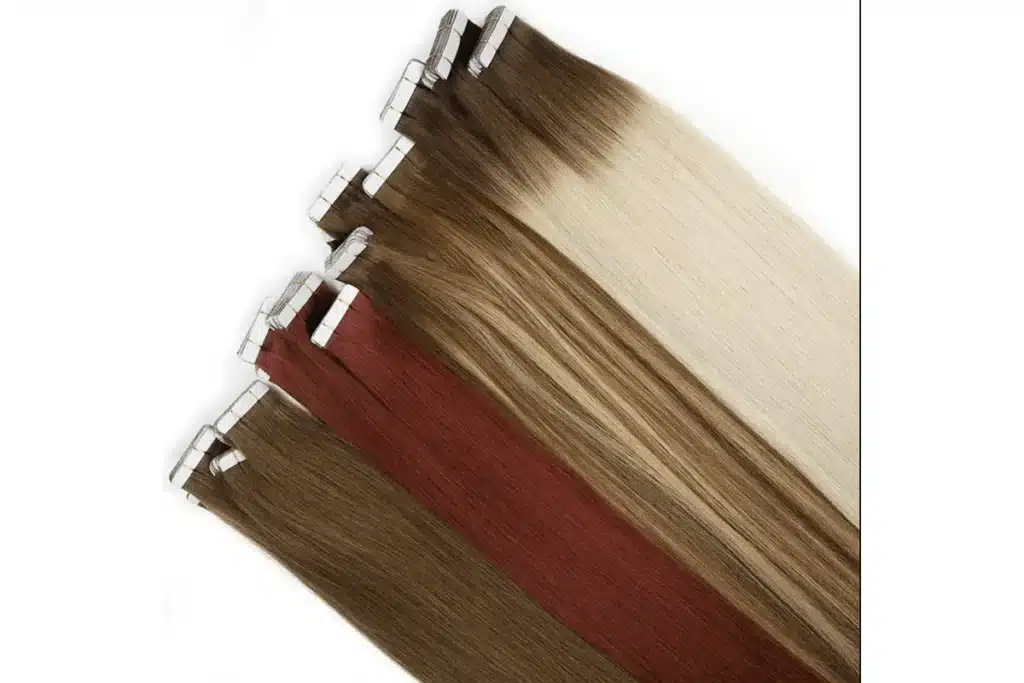
Two tape products can look similar in a box but create different visibility, blending, and stock-planning questions in a salon.
Invisible tape in extensions often use a hair-like top finish that can make tabs less noticeable near a visible parting, while regular tape ins use a clearer or more standard tab construction. The right choice depends on placement area, client hair density, color match, and the salon’s retaping process.
Salon buyers should compare more than the word invisible. The top finish, tab thickness, hair return, adhesive behavior, and intended client profile all affect whether an invisible option adds value to a tape-in range.
What is the construction difference between invisible and regular tape ins?
Invisible tape ins usually aim to disguise the top edge with hair-like coverage, while regular tape ins focus on a standard tab structure and clean adhesive contact.
The visible difference is usually at the top of the extension. An invisible-style tab may look softer when it sits under a thin top layer. A regular tape tab can still blend well when placement is correct and the client has enough hair coverage. Neither structure removes the need for a careful consultation.
| Comparison point | Invisible tape in | Regular tape in |
|---|---|---|
| Top appearance | Hair-like finish designed to soften tab visibility | Standard tab edge with a more direct construction |
| Useful client profile | Clients with a visible parting or limited top-layer coverage | Clients with suitable coverage and standard tape placement |
| Buyer check | Inspect hair return, top finish, and adhesive edge | Inspect tab alignment, adhesive finish, and hair distribution |
| Risk if selected poorly | Extra cost without a meaningful visibility benefit | Tabs may show if the placement area lacks coverage |
In sample testing, we usually look at a tab from the front, back, and side before we compare only the hair feel. This shows whether the construction matches the intended placement area and whether the finished edge looks clean.
Compare top finish, tab alignment, hair return, and adhesive edge before you choose an invisible or regular tape-in range.
Request a tape tab specification check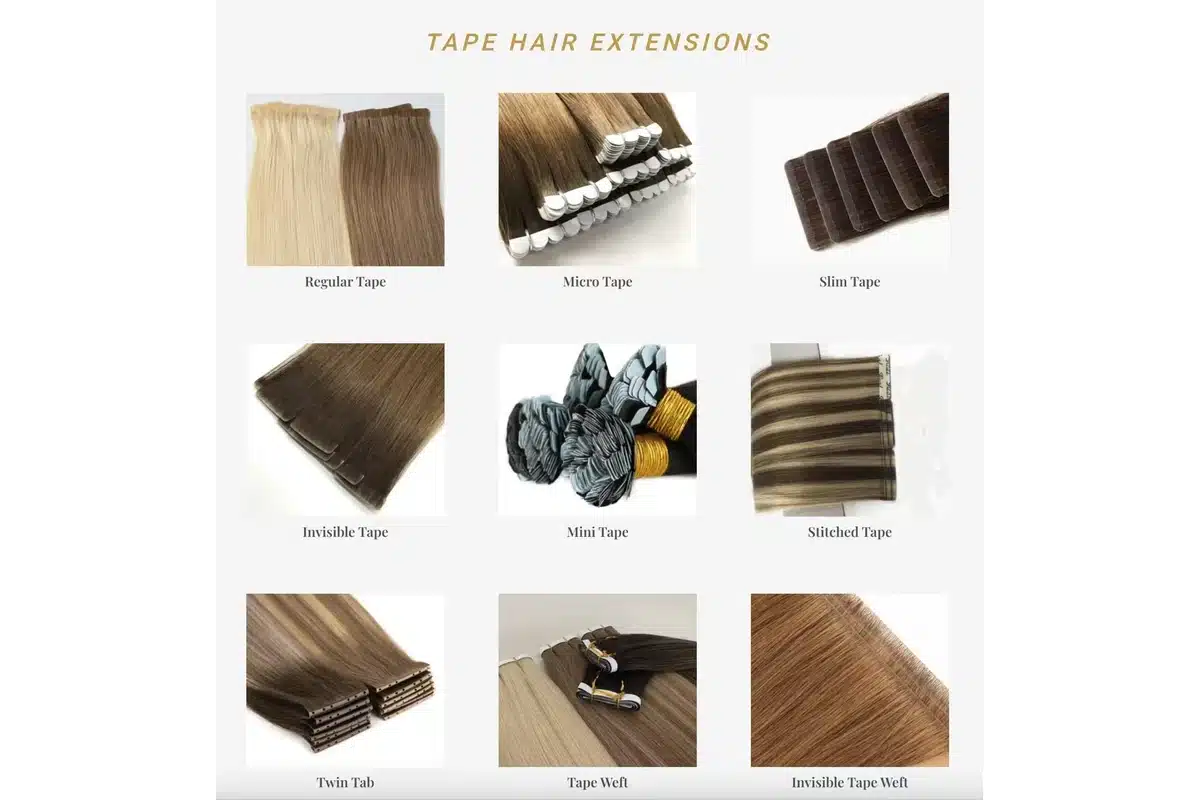
When can invisible tape in extensions add real value?
Invisible tape in extensions can add value when the salon needs a softer-looking tab near a visible parting and the client has suitable hair for careful placement.
Fine or limited top-layer coverage
Some clients have enough hair for tape in extensions but less coverage around the parting or upper sides. An invisible-style top can be useful in these areas. It is not a fix for very sparse hair, poor color matching, or tabs placed too close to a part line.
High-visibility color services
Light colors and dimensional blends can make a top edge easier to notice. A salon should confirm both the hair shade and the tab finish. A good color match reduces contrast, but it does not replace placement planning.
For a fine-hair consultation, the tape in extensions for fine hair guide gives a practical starting point for discussing density and tab visibility.
When can regular tape ins be the better buying choice?
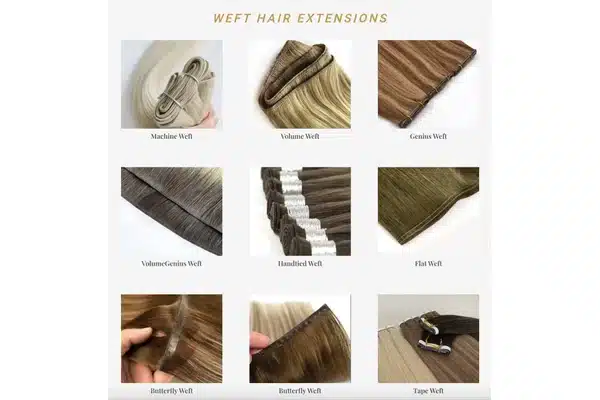
Regular tape ins can be the better choice when the salon needs a straightforward tape system for clients with adequate coverage and a consistent retaping routine.
Regular tabs often make sense for salons that need stable inventory across common shades and lengths. They can be easier to explain in a standard consultation. The salon should still check tab size, adhesive finish, and hair distribution because a standard construction is not automatically the right fit for every client.
From the production side, a buyer should compare the finished tab rather than assuming that a label tells the full story. A neat tape edge, even hair distribution, and controlled adhesive area matter for both invisible and regular products.
The tape in hair extensions before and after guide can help buyers explain how color, placement, and client density change the final blend.
What should wholesale buyers ask a supplier before ordering?
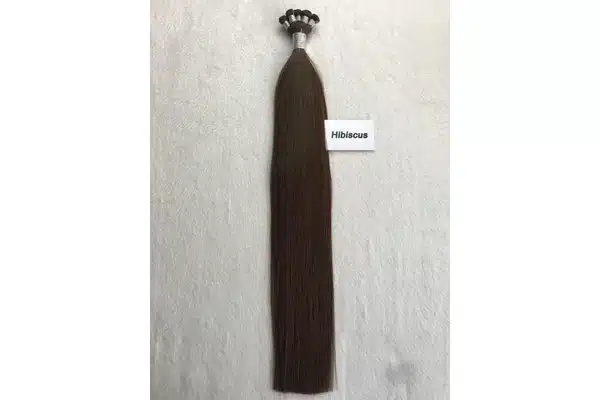
Wholesale buyers should ask for samples that show the exact tab construction, shade range, length, and adhesive specification planned for repeat orders.
Ask whether the product is sold as invisible tape in, regular tape in, or both, and request clear samples rather than relying on edited listing photos. Check the tab against a clean, light background and on a hair section. Buyers should also confirm whether the hair return at the top changes the feel, whether the tape uses the same replacement process, and how the supplier controls color across larger orders.
In many wholesale orders, the issue is not that one tape style is poor. The issue is that the buyer ordered a product for a client profile it does not fit. A small pre-order comparison can reduce that risk.
How should salons explain the choice during a consultation?
Salons should explain the choice through visibility, coverage, and maintenance instead of presenting invisible tape as an automatic upgrade.
Show the client where tabs would sit and explain why the top layer matters. If the client has enough coverage, regular tape may give a clean result. If the placement area is more exposed, an invisible option may be worth testing. This language is clearer than promising that one construction will disappear on every head.
For aftercare, the salon can use the tape in maintenance timeline to set expectations about product buildup, grow-out, and reapplication.
My View
From our factory perspective, invisible tape in extensions should be treated as a construction choice, not a universal quality upgrade. We usually suggest that buyers compare the actual top finish, adhesive edge, hair return, and color match under the same salon lighting. That is more useful than judging from a catalog label. Regular tape ins can suit many salon orders when placement is controlled and the client has enough natural hair coverage. Invisible tape can be valuable when the salon has a clear need for a less noticeable top edge. Before a bulk order, buyers should test the product on the placement areas they expect to serve most often. This helps the salon build a tape range around practical client needs rather than a broad product claim.
Frequently Asked Questions
Are invisible tape in extensions thinner than regular tape ins?
Not always. The key difference is usually the top finish and hair return. Buyers should compare the actual tab thickness and edge finish in samples.
Can regular tape ins work for fine hair?
They can when the client has enough coverage and the stylist uses careful placement. Fine hair still needs an individual density and scalp-area check.
Do invisible tape ins use different aftercare?
The basic tape-in care is often similar, but the salon should confirm the supplier’s adhesive and retaping guidance for the exact product.
Conclusion
Invisible tape in extensions and regular tape ins can both fit a professional salon range. Compare visibility needs, client coverage, tab construction, and sample performance before selecting stock. The better option is the one that fits the planned placement and service process.