Fine hair clients want soft volume, but heavy tabs, weak coverage, or poor maintenance can turn a simple tape-in service into a complaint.
Tape in extensions can work for fine hair when the panels are light, flat, well spaced, and installed on hair with enough density to cover the tabs. They may not work well for active shedding, very sparse hairlines, oily bases, or clients who cannot maintain adhesive care.
For salon buyers, the safer decision is not only about choosing tape-ins. It is about checking hair density, tab type, gram weight, adhesive behavior, and the client’s care habits before offering the method.
Use this checklist to compare tape size, PU thickness, gram weight, and adhesive risk before adding a tape-in option to your salon menu.
Request a Tape-In Sample PlanWhen do tape in extensions for fine hair work?
Tape-ins usually work best for fine hair when the client still has enough natural density to cover flat, lightweight tabs and can follow oil-control and maintenance rules.
Fine hair means the strand diameter is small. It does not always mean the client has low density. A client can have fine strands but still have enough coverage for tape-in panels. In that case, a flat tape base can sit close to the head and create soft volume without the bulk of a heavy row.
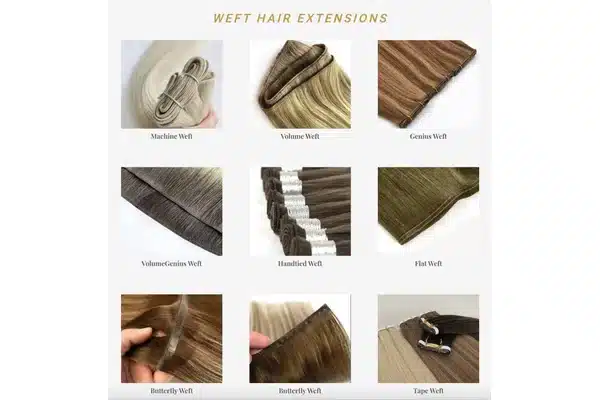
The product structure also matters. Smaller tabs, invisible tape, micro tape, and lighter gram planning can reduce visibility. For salons comparing product options, the tape in hair extensions page shows the main tape-in structures used for professional orders.
From the factory side, we usually ask buyers to confirm the tab width, piece weight, and adhesive type before bulk orders. A tape that feels secure on medium hair may still be too visible or too heavy for a fine-hair service.
When should salons avoid tape-ins on fine hair?
Salons should avoid tape-ins when the client’s hair cannot cover the tabs, when shedding is active, or when the base becomes oily enough to weaken the adhesive.
Fine hair has less margin for error. If the section is too thin, the tab can show. If the panel is too heavy, the natural hair carries more stress. If the client uses oils, heavy conditioner, or sweat-heavy styling near the roots, the adhesive can soften and slip.
A careful consultation should separate fine hair from thinning hair. Thin hair means lower density. Active thinning, sparse temples, visible scalp areas, or recent shedding can make tape-ins risky even if the product itself is light.
Buyer Check: ask the stylist to test one small placement area before planning a full head. If the natural hair does not fully cover the tab in normal daylight, the method should be changed or the placement should be reduced.
Which tape-in type is safer for fine-hair clients?
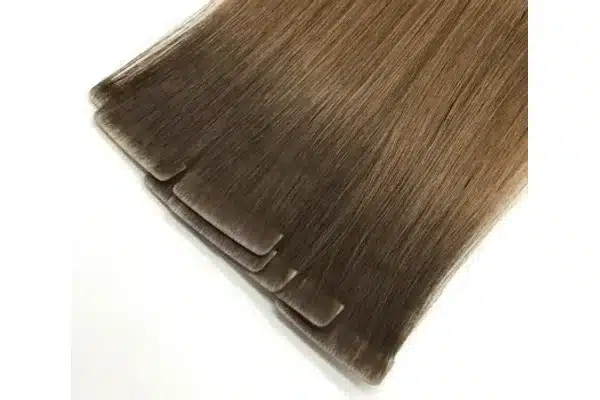
The safer option is usually the lightest flat tape structure that gives enough hold without adding unnecessary tab size or gram weight.
Different tape-in types solve different problems. A standard sandwich can work when the client has enough coverage. Invisible tape can help the root area look softer. Micro or mini tape can help around sides and targeted areas. Long tape wefts may be efficient for fuller areas, but they can be too much for fragile fine hair if the total weight is not controlled.
| Core product parameter | Fine-hair target | Buyer risk to check |
|---|---|---|
| Tab size | Smaller or micro tabs for side and temple areas | Large tabs can show when natural coverage is limited |
| Piece weight | Lighter grams per panel for fragile sections | Heavy panels can pull on fine root areas |
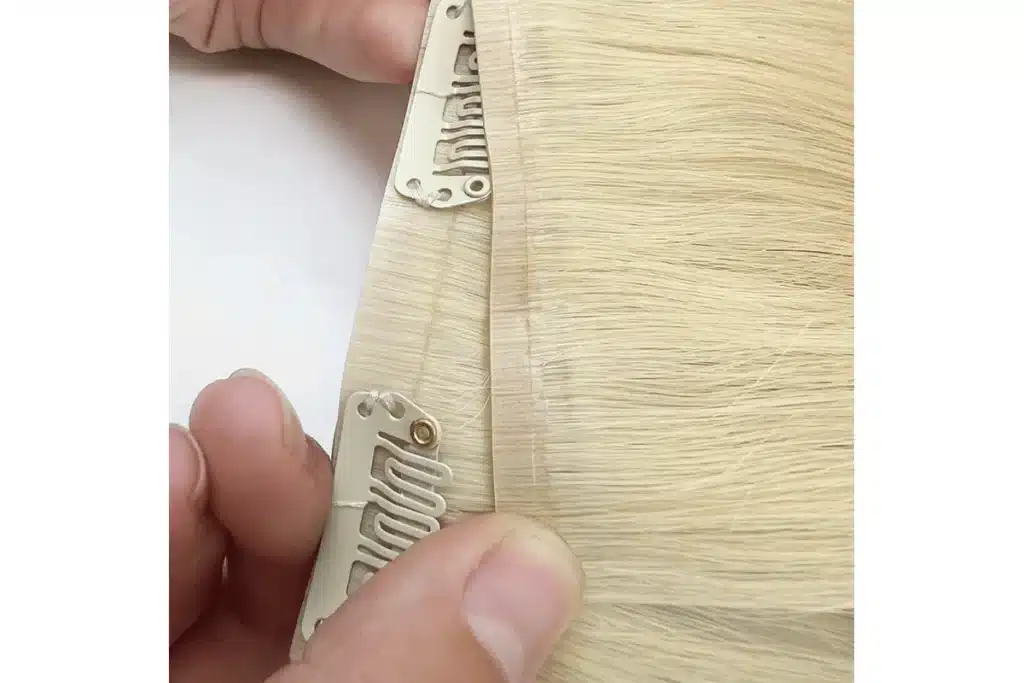
| PU/base thickness | Flat, flexible base that lies close to the scalp | Thick edges can create visible ridges after brushing |
| Adhesive behavior | Stable hold with clean removal and limited residue | Oil exposure, sweat, or poor removal can raise complaints |
In sample checks, this detail can show quickly. If the tape lies flat but the edge is visible after brushing the top layer down, the problem is not only color match. The buyer may need a thinner tab, a smaller piece, or a different method.
How do installation and maintenance change the result?
Installation and maintenance often decide whether fine-hair tape-ins stay comfortable, hidden, and reusable.
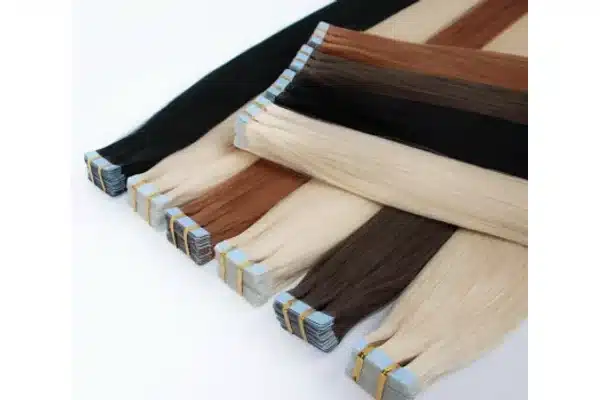
Tape-ins should not be placed too close to the scalp. The section should be clean, dry, and strong enough to hold the panel. The stylist should avoid stacking too much weight near the crown, hairline, or fragile side areas. For more risk detail, salons can compare the causes in our guide on what actually causes tape-in damage.
Maintenance timing also changes the result. As the natural hair grows, the tape moves farther from the scalp and can twist or pull. Fine-hair clients should not stretch maintenance too long just to save a visit. The tape-in extension maintenance timeline gives a practical way to explain this to salon clients.
Factory Tip: when an after-sales question involves slipping, we usually ask about shampoo, conditioner, oil exposure, install spacing, and move-up timing before judging the tape quality. Adhesive problems are often a mix of product, placement, and care.
What should wholesale buyers test before ordering?
Wholesale buyers should test tab thickness, piece weight, adhesive hold, removal residue, color consistency, and after-wash softness before ordering tape-ins for fine-hair clients.
A sample order should not be checked only by hand feel. Buyers should test the tape after washing, drying, and light styling. They should also check whether the tab stays flat after retaping, because reuse is part of the business value for many salons.
For fine-hair services, gram planning is especially important. A soft sample can still create complaints if the total grams are too high for the client’s density. We usually suggest that salons test a small service plan first, then decide whether the product should be offered as a full-head service, side-fill service, or subtle volume option.
My View
From our factory perspective, tape-ins should not be sold to fine-hair clients as a simple yes-or-no product. They can be a good choice when the base is flat, the weight is controlled, and the stylist respects the client’s density. They can also create avoidable problems when a salon uses the same product plan for every client. For professional buyers, the best decision is to test the tape structure, installation behavior, and aftercare pressure before placing a larger order. A lighter tape that reduces complaints can be more valuable than a heavier product that looks fuller only on the sample card.
Frequently Asked Questions
Are tape in extensions good for fine hair?
They can be good for fine hair when the client has enough natural coverage and the panels are light. They are not suitable for every fine-haired client.
Are invisible tape-ins better for fine hair?
Invisible tape-ins can help because the top lies flatter and looks softer. The section still needs enough natural hair to hide the tab.
How many tape-in pieces should fine hair use?
There is no fixed number for every client. Fine hair often needs fewer, lighter panels and more careful placement than medium or thick hair.
What causes tape-ins to slip on fine hair?
Common causes include oil near the adhesive, poor washing before install, heavy conditioner, too little natural hair inside the sandwich, or overdue maintenance.
Conclusion
Tape in extensions for fine hair work best when the product is light, flat, and matched to the client’s real density. They should be avoided when the hair cannot hide the tabs, when shedding is active, or when adhesive care will be hard to control. For salons and wholesale buyers, the practical next step is sample testing, tab comparison, and a clear maintenance plan before bulk ordering.