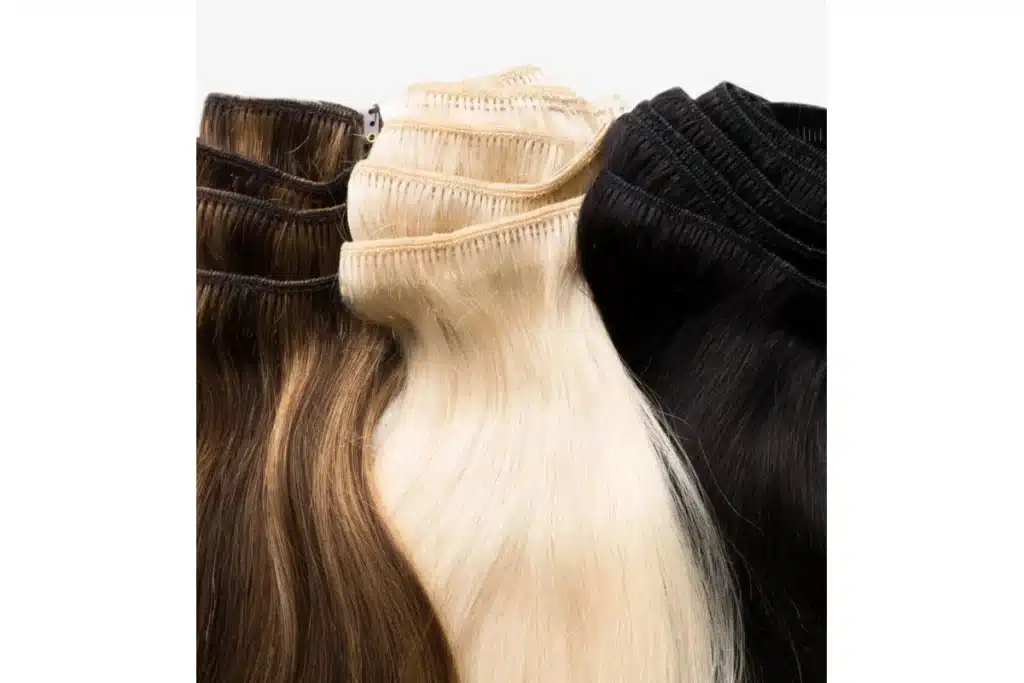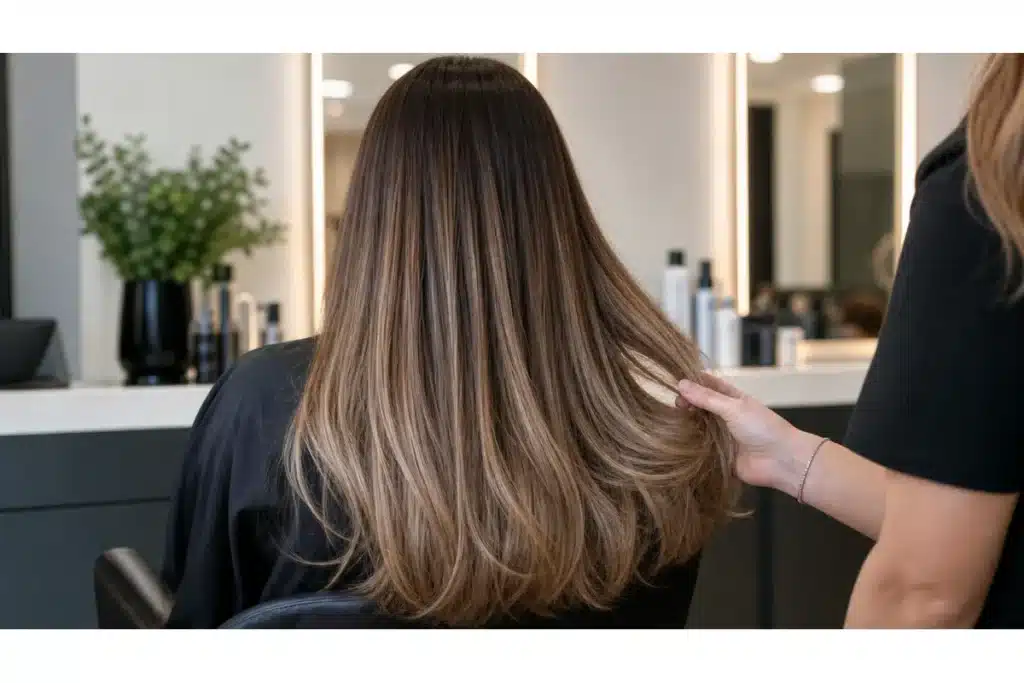
Thin hair can make clips show, pull, or feel heavy, so the wrong clip-in set can create returns even when the hair feels soft.
The best clip in hair extensions for thin hair are lightweight, flat, and easy to hide under limited natural coverage. Buyers should check weft width, clip pressure, total grams, base thickness, color match, and whether the set is meant for occasional wear rather than daily tension.
For salon buyers and brands, this is a product-design question. A thin-hair clip-in set should not simply copy the same grams, clip count, and weft layout used for thick-hair clients.
Compare grams, weft width, clip count, base type, and color range before adding a thin-hair clip-in set to your product line.
Request a Clip-In Set RecommendationWhat makes the best clip in hair extensions for thin hair?
A thin-hair clip-in set should spread weight gently, stay flat at the base, and use enough pieces to blend without overloading weak sections.
Thin hair gives less coverage over clips and weft bases. If the top weft is too bulky, the client may see a ridge. If the clip pressure is too strong, the client may feel pulling. If the grams are too high, the natural hair may not support the look comfortably.
For professional buyers, the first check is product structure. The clip in hair extensions category shows the broader product family, but thin-hair buyers should still compare base type, clip count, and set weight before ordering.
Factory Tip: in sample checks, a clip-in set can look full on the table but too heavy on a thin-hair client. We usually suggest testing the set on a model or mannequin with similar density before approving bulk packaging.
How many grams should thin hair clip-ins use?
Thin hair usually needs a lighter total gram plan than thick hair, but the right number depends on the client’s density, haircut, length goal, and wear time.
More grams do not always create a better result. Heavy clip-ins can pull on small root sections and make the clips harder to hide. A lighter set may create a more natural result when the goal is subtle volume, side filling, or soft length blending.
| Core product parameter | Thin-hair target | Buyer risk to check |
|---|---|---|
| Total set grams | Lightweight plan for subtle volume or side filling | Too much weight can pull on weak root sections |
| Base thickness | Flat seamless or low-bulk base where coverage is limited | Thick bases can create a visible ridge under thin hair |
| Clip pressure | Secure grip with a comfortable silicone-lined clip | Sharp or stiff clips can feel heavy during wear |
| Weft width layout | Balanced back pieces plus smaller side pieces | Wide side pieces can show near temples or sparse areas |
For a deeper product-layout discussion, salons can compare our guide on clip-in hair extension set design. The same logic becomes more important when the client’s natural coverage is limited.
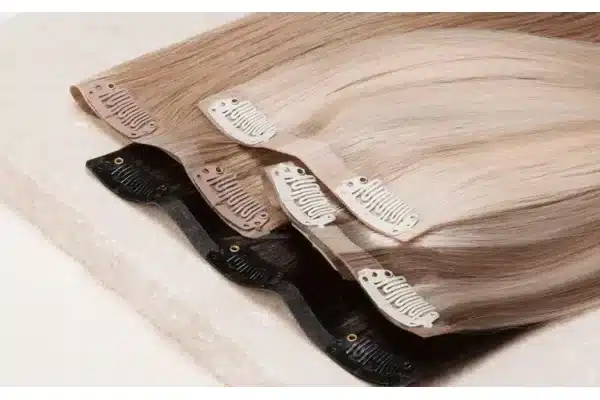
Which base and clip details should buyers check?
Buyers should check whether the base lies flat, whether the clips grip without harsh pressure, and whether the weft width matches the client’s coverage area.
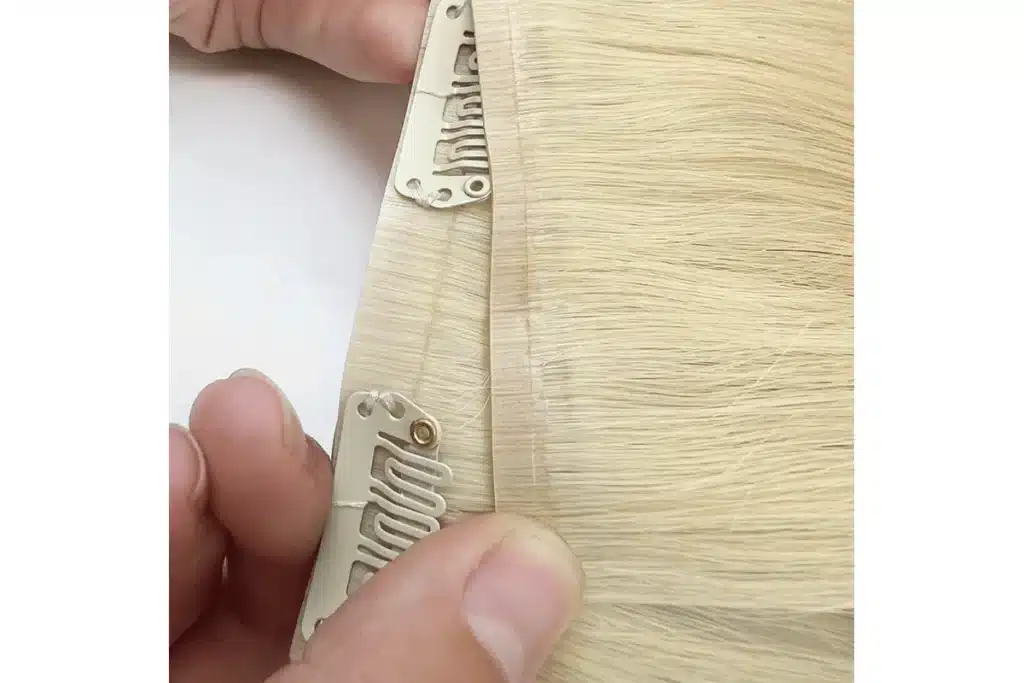
A classic weft base can work for many clients, but it may feel bulky on thin hair. Seamless or PU-based clip-ins often sit flatter, but the buyer still needs to check flexibility, edge finish, and how the base behaves after brushing and styling.
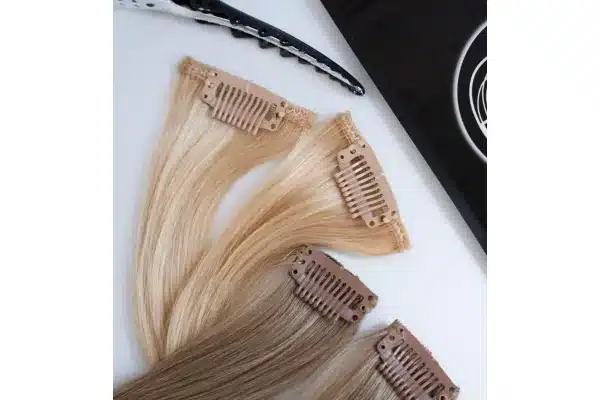
Clip quality is also important. A clip should hold securely without feeling sharp or stiff. Silicone lining can help grip, but it should not create too much pressure on fragile areas. The set should be easy to remove without pulling small sections of natural hair.
Stylist Note: thin-hair clients often notice comfort before they notice technical details. If the set feels heavy after ten minutes, it may not become a repeat-purchase product, even if the hair quality is good.
How does color matching affect thin-hair clip-ins?
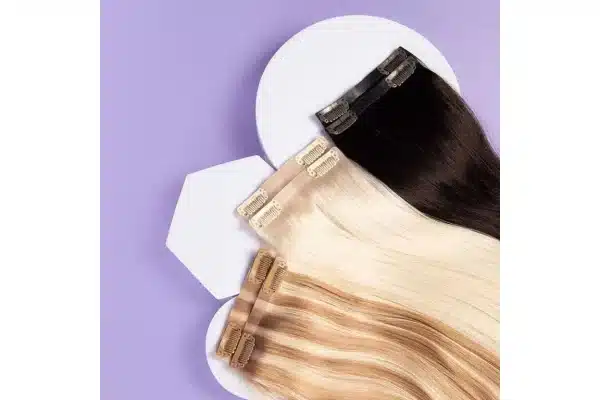
Thin hair often needs a closer color match because less natural hair covers the extension pieces.
With thick hair, the natural hair can sometimes soften a small shade difference. With thin hair, the transition may show faster, especially near the sides or ends. Buyers should test the sample in daylight, indoor light, and under brushing movement before confirming the color range.
Rooted, mixed, or blended shades can help when the client’s natural hair has dimension. But color planning should stay practical. Too many similar shades can create inventory pressure for salons and brands. A focused core shade range with approved samples is usually easier to manage.
For shade planning, buyers can use our clip-in hair extensions color matching guide as a support article for sales teams and salon clients.
When are clip-ins not the best option for thin hair?
Clip-ins may not be the best option when the client wants daily long-hour wear, has very fragile roots, or cannot hide the clips comfortably.
Clip-ins are temporary. That is one reason they are attractive. But temporary does not mean risk-free. Daily heavy wear can put repeated pressure on the same areas. Clients with active shedding, weak temples, or very sparse crown coverage may need another solution.
Salon buyers should also separate thin hair from hair loss. If the main concern is crown coverage or visible scalp, a topper or halo-style solution may be more suitable than clip-ins. If the client only needs occasional length or side fullness, a lighter clip-in set may still work well.
Buyer Check: ask what problem the client wants to solve. Volume at the ends, side filling, crown coverage, and full transformation are different needs. One clip-in set should not be sold as the answer to every thin-hair problem.
My View
From our factory perspective, the best clip in hair extensions for thin hair are not always the fullest sets. A thin-hair buyer usually needs balance: enough hair to improve the look, but not so much weight that the clips pull or show. For salons and brands, this makes sample testing important. Check how the set feels after wearing, how the clips hold, how the shade blends, and how easily the customer can remove it. A lighter, flatter set can create fewer complaints than a heavy set that looks impressive only in product photos.
Frequently Asked Questions
Are clip in hair extensions safe for thin hair?
They can be safe for occasional wear when the set is light and the clips are placed on strong enough sections. Daily heavy wear can increase tension risk.
Are seamless clip-ins better for thin hair?
Seamless clip-ins can be better when the base lies flatter and the client has enough hair to cover it. The total weight still needs checking.
How can salons reduce clip visibility?
Use flatter bases, smaller side pieces, closer color matching, and placement below enough natural coverage. Avoid placing clips too high near sparse areas.
Should thin-hair clients wear clip-ins every day?
Some clients can, but many should treat them as occasional styling pieces. Daily use should be light, carefully placed, and removed gently.
Conclusion
The best clip in hair extensions for thin hair are lightweight, flat, comfortable, and carefully matched to the client’s density. Buyers should check grams, weft width, clip pressure, base thickness, color match, and wear habits before ordering. For B2B buyers, the safest path is to approve samples by real fit, not only by fullness in photos.