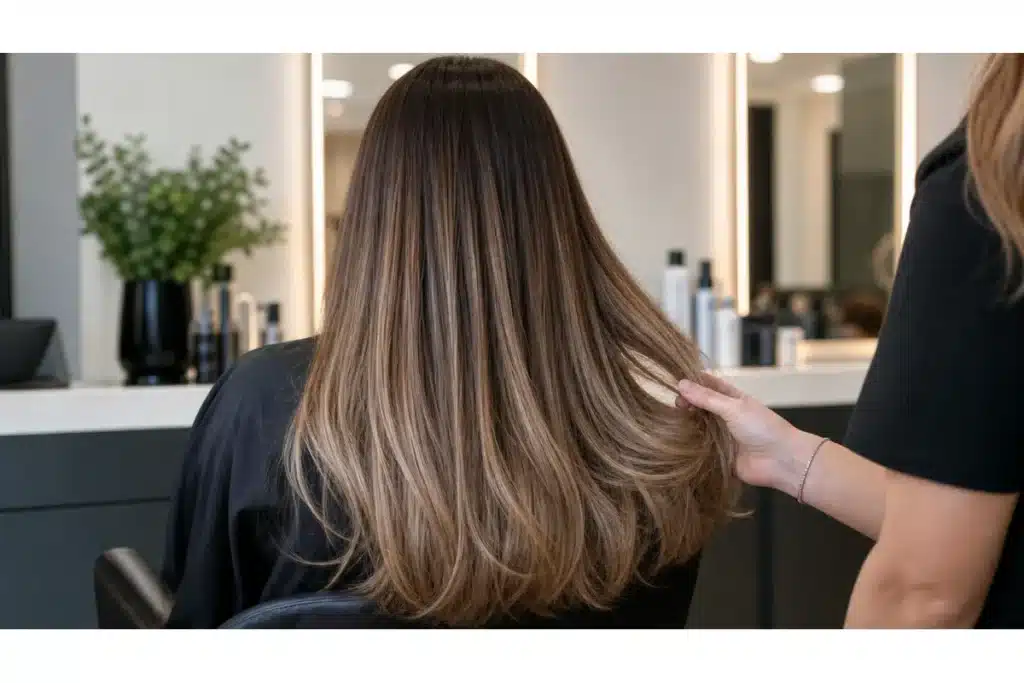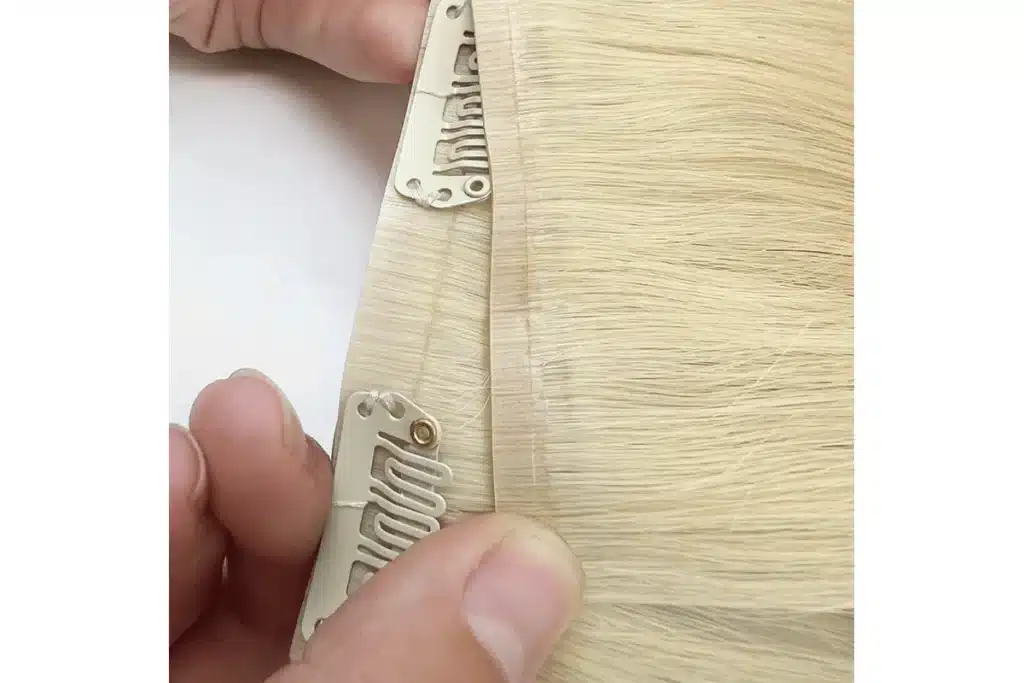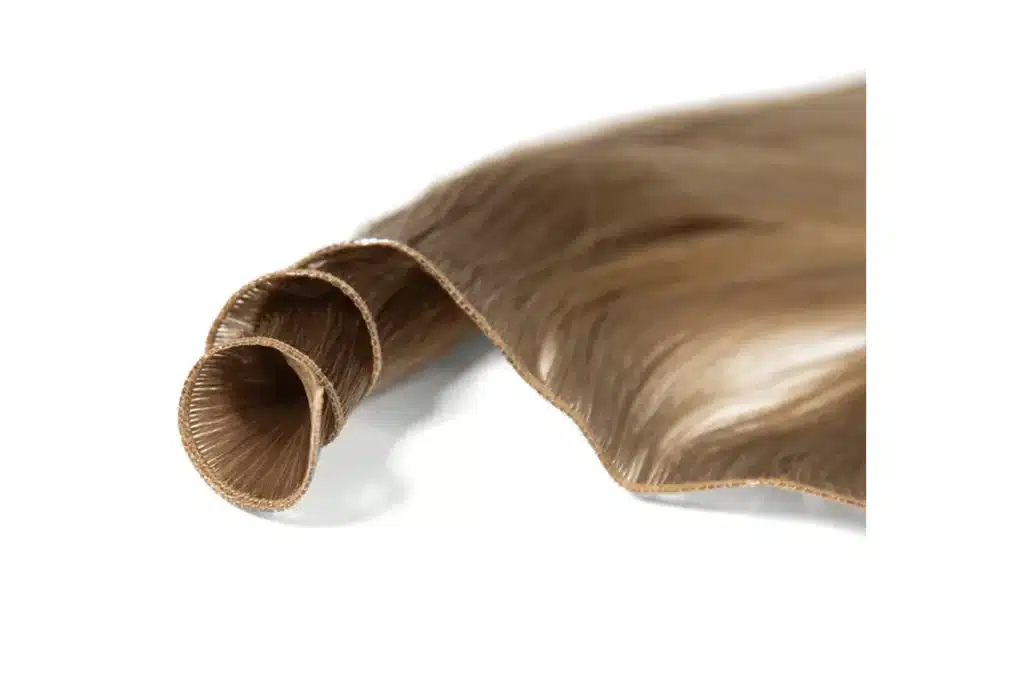
Tape-in extensions are popular because they are flat, fast to install, and easy to maintain. But many clients still ask the same question before booking: will tape-ins damage my natural hair?
Tape-in extensions do not automatically damage your hair. They may cause breakage, thinning, slipping, or root stress when they are installed too close to the scalp, too heavy for the client’s hair, removed roughly, or cared for with the wrong products.
For salons, the real issue is not whether tape-ins are “safe” or “bad.” The real issue is method matching, section control, tape quality, removal technique, and client aftercare.
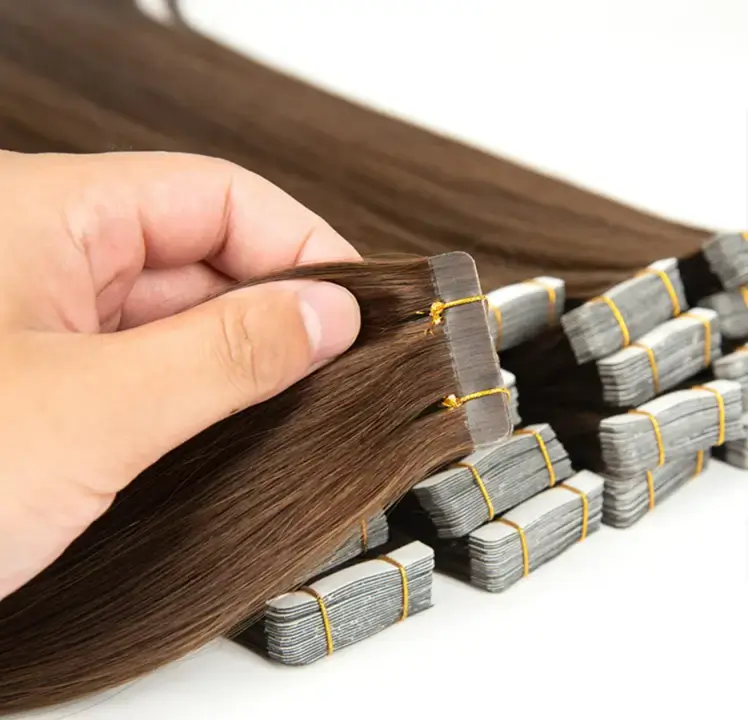
Do Tape-In Extensions Damage Your Hair?
Tape-in extensions can be one of the safer semi-permanent extension methods when they are applied correctly. The tape lies flat, the weight is spread across a wider section, and the installation does not require heat, beads, or keratin bonding.
But tape-ins can still damage natural hair if the service is rushed. The most common problems come from poor sectioning, too much weight, placing the tapes too close to the scalp, using low-quality adhesive, or removing the panels by pulling instead of dissolving the tape bond.
A better way to explain it to clients is simple: tape-ins are not damaging by themselves. Bad installation, poor maintenance, rough removal, and unsuitable hair condition create the damage.
How Tape-In Extensions Can Cause Damage
| Damage Cause | What Happens | How Salons Prevent It |
|---|---|---|
| Tape placed too close to scalp | Pulling, discomfort, restricted movement | Leave proper space from the scalp |
| Section too thin | Natural hair cannot support the tape weight | Match section size to tape weight |
| Tape panel too heavy | Breakage around the attachment area | Use lighter tape or smaller panels |
| Rough removal | Hair breakage or adhesive residue | Use professional remover and slow separation |
| Poor aftercare | Slippage, tangling, dryness | Give clear washing, brushing, and product rules |
| Low-quality tape or hair | More tangling and pulling | Test adhesive and hair after washing |
1. Improper Application
When tape-in extensions are applied incorrectly, they can cause damage to the natural hair. If too much hair is taken between the tapes or the application is too close to the scalp, the natural hair can be pulled, resulting in breakage or even traction alopecia (hair loss caused by tension). Proper sectioning and ensuring the tape is not too close to the scalp is key to avoiding damage.
2. Tension and Weight
Although tape-in extensions are lighter than other types of extensions, they still add some weight and tension to the natural hair. This additional load can put stress on fine or fragile hair. Over time, if the extensions are too thick or heavy for the hair, it can lead to hair breakage at the point where the extension is attached. For clients with thinner or weaker hair, even the lightest extensions can cause strain.
3. Repeated Application and Removal
Tape-in extensions typically need to be reapplied every 6–8 weeks, depending on the rate of natural hair growth. If the extensions are repeatedly reapplied without allowing enough time for the natural hair to recover, damage can occur. Improper removal—such as pulling or tugging—can cause breakage at the root or damage the hair shaft.
4. Poor Aftercare Practices
Maintenance is essential when it comes to avoiding hair damage. Harsh shampoo, excessive heat styling, or neglecting gentle detangling can cause strain on the hair and weaken both the natural hair and the extensions. Additionally, if your client is not using the right products or engaging in proper washing techniques, it could lead to slippage or hair breakage.
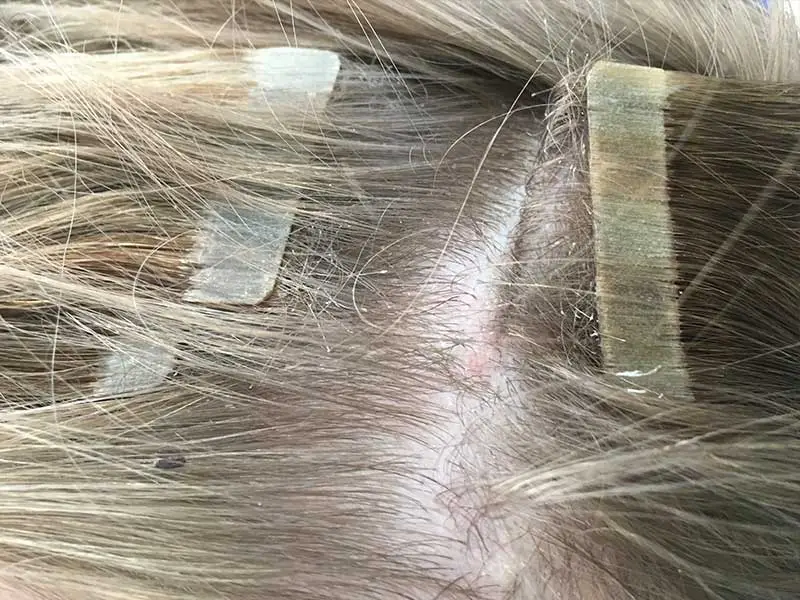
Are Tape-In Hair Extensions Safe?
Now that we’ve established some potential issues, let’s take a closer look at the factors that will determine whether tape-in hair extensions will damage your client’s hair. If applied correctly and cared for properly, tape-ins can be very safe and leave no lasting damage.
1. Correct Application Is Crucial
The most important step in ensuring tape-in extensions don’t damage the hair is correct application. As a stylist, you need to make sure that the hair section taken for each extension is not too large, and the tapes should be placed in a way that doesn’t cause tension on the hair follicles. The tapes must not be applied too close to the scalp, as this can result in irritation and potential hair loss.
2. Choose High-Quality Tape-In Extensions
When selecting tape-in extensions, make sure to use high-quality hair. Poor quality extensions can lead to damage faster. Full cuticle tape-ins, made with real human hair, are the best option for long-term wear, as they ensure the hair stays healthy and manageable. These extensions will not shed excessively and are more durable.
3. Proper Maintenance and Aftercare
Proper aftercare is crucial. Advise your clients to use sulfate-free shampoos and conditioners, as these are less likely to strip the hair of moisture. Suggest a leave-in conditioner to help detangle the hair and reduce friction that could cause breakage. Condition and nourish the mid-lengths and ends, but keep oils, masks, and heavy conditioners away from the tape area.
4. Avoid Excessive Heat and Chemical Treatments
Excessive heat styling can weaken both the extensions and the natural hair, so recommend limiting heat tools. If your clients regularly use straighteners or curlers, advise them to use heat protectant sprays to prevent damage. It’s also important to avoid chemical treatments like bleaching, as they can weaken hair that is already under tension from the extensions.
5. Give the Hair Breaks Between Applications
For clients who wear extensions regularly, it’s essential to allow the natural hair to breathe and recover between applications. Recommend taking breaks after 6–8 weeks of wearing tape-ins to give the hair a chance to regain strength and health. This prevents long-term damage that could occur if extensions are worn continuously without rest.
Tape-in extensions are usually safe for healthy fine to medium hair when the panels are lightweight, the sectioning is clean, and the client returns for maintenance on time.
They are not the best choice when the client has active shedding, very weak roots, scalp irritation, severe breakage, or a habit of using heavy oils near the roots. In these cases, the stylist should delay the service or choose a lower-tension temporary option.
Are Tape-In Extensions Safe for Fine or Thin Hair?
| Client Hair Type | Tape-In Risk Level | Salon Recommendation |
|---|---|---|
| Fine but healthy hair | Low to medium | Use lightweight tape panels and clean sectioning |
| Thin density hair | Medium | Avoid heavy volume goals and keep placement low |
| Fragile or breaking hair | High | Delay installation or use temporary methods |
| Oily scalp | Medium | Use stronger tape and strict product rules |
| Active shedding | High | Do not install until the hair condition improves |
Fine hair can wear tape-ins, but the goal must be realistic. A stylist should not use tape-ins to force thick, heavy volume on a weak base.
For fine-haired clients, smaller panels, lighter grams, invisible tape tops, and careful placement near the lower head area usually create a safer result. The crown, temples, and hairline need extra caution because these areas show tension and visibility faster.
For salons comparing tape structures, see our tape-in hair extensions options.
How to Prevent Tape-In Extension Damage
Preventing tape-in damage starts before installation. The stylist should check the client’s natural density, shedding condition, scalp sensitivity, oil habits, and maintenance discipline.
Use enough natural hair to support each tape panel. Do not place tapes too close to the scalp. Do not overload fine hair with too much weight. Most damage complaints begin when the attachment is too heavy for the section holding it.
Removal also matters. Tape-ins should be removed with proper tape remover, not pulled apart dry. Any adhesive residue should be cleaned before re-taping or reinstalling.
Clients should avoid oils, heavy conditioners, and masks near the tape area. They should brush gently, support the tape area when detangling, dry the roots after washing, and return for move-ups on schedule.
Does Tape-In Hair Quality Affect Damage Risk?
Yes. Tape-in hair quality affects how much friction, tangling, and pulling the client experiences during daily wear.
Low-quality hair may feel soft in the package, but it can become dry, rough, or tangled after washing. When clients brush through tangled extensions, they often pull harder near the tape area. That extra pulling can stress the natural hair.
Full cuticle hair usually keeps a smoother surface for longer when processed correctly. Better cuticle condition helps reduce friction, dryness, and matting risk.
Tape quality also matters. A poor adhesive may slip too early, leave residue, or become difficult to remove. A good tape should hold securely during wear but release cleanly during professional removal.
For more detail on hair quality, read our guide to full cuticle hair.
What Salons Should Check Before Offering Tape-Ins
For salons and hair brands, tape-in safety is not only about installation. Product consistency also affects client comfort, maintenance, and repeat orders.
| Check Item | Why It Matters |
|---|---|
| Hair softness after washing | Shows whether the hair will tangle quickly |
| Tape adhesive strength | Affects hold, slippage, and removal |
| Tape thickness | Affects visibility and comfort |
| Panel weight | Affects tension on natural hair |
| Color stability | Reduces complaints after washing or heat styling |
| Re-taping performance | Affects reuse value |
| Sample-to-bulk consistency | Protects salon trust and repeat orders |
A salon should test tape-ins before offering them widely. Wash the sample, brush it, heat style it, remove it, re-tape it, and check whether the hair and adhesive still perform well.
Professional buyers can contact Hibiscus Hair to request tape-in samples, adhesive options, or wholesale price support.
Do Tape-In Extensions Damage Your Hair Long-Term?
When applied and removed correctly, tape-in extensions should not cause long-term damage. However, it’s important to follow the right procedures for installation, maintenance, and removal. If your client adheres to proper aftercare practices and avoids excessive tension on their hair, they should be able to wear tape-in extensions without long-lasting damage.

FAQs About Tape-In Extensions and Hair Damage
Do tape-in extensions damage your hair?
Tape-in extensions do not automatically damage hair. Damage usually happens when the tapes are too heavy, placed too tightly, removed roughly, or maintained poorly.
Can tape-in extensions cause hair loss?
They can contribute to hair loss or breakage if they create repeated tension on weak roots. Correct sectioning, lightweight panels, and on-time removal reduce this risk.
Are tape-in extensions bad for thin hair?
Tape-ins can work for fine or thin hair when lightweight panels are used. Very fragile, shedding, or weak hair may need a lower-tension option.
How often should tape-in extensions be moved up?
Most tape-in extensions need maintenance every 6–8 weeks. Waiting too long can cause tangling, twisting, slippage, or tension near the roots.
Can poor-quality tape-ins damage hair?
Poor-quality tape-ins can increase tangling, shedding, adhesive residue, and removal problems. These issues can lead to more pulling on natural hair.
How can salons prevent tape-in damage?
Salons should match tape weight to the client’s hair density, avoid tight placement, use quality adhesive, teach aftercare, and remove the tapes professionally.
Conclusion: Are Tape-In Extensions Safe or Damaging?
In conclusion, are tape-in hair extensions safe? Yes, they can be safe and non-damaging, provided that they are applied properly and well-maintained. However, as with any hair extensions, improper application, excessive weight, and poor maintenance can lead to hair damage. Educating your clients on how to care for their tape-ins and scheduling regular check-ups will ensure their hair stays healthy, and their extensions last longer. So, do tape-in extensions damage hair? Only when not applied and cared for properly.
If your salon or hair brand wants to compare tape-in hair quality, adhesive strength, invisible tape tops, or re-taping performance, you can request samples from Hibiscus Hair before placing a larger wholesale order.