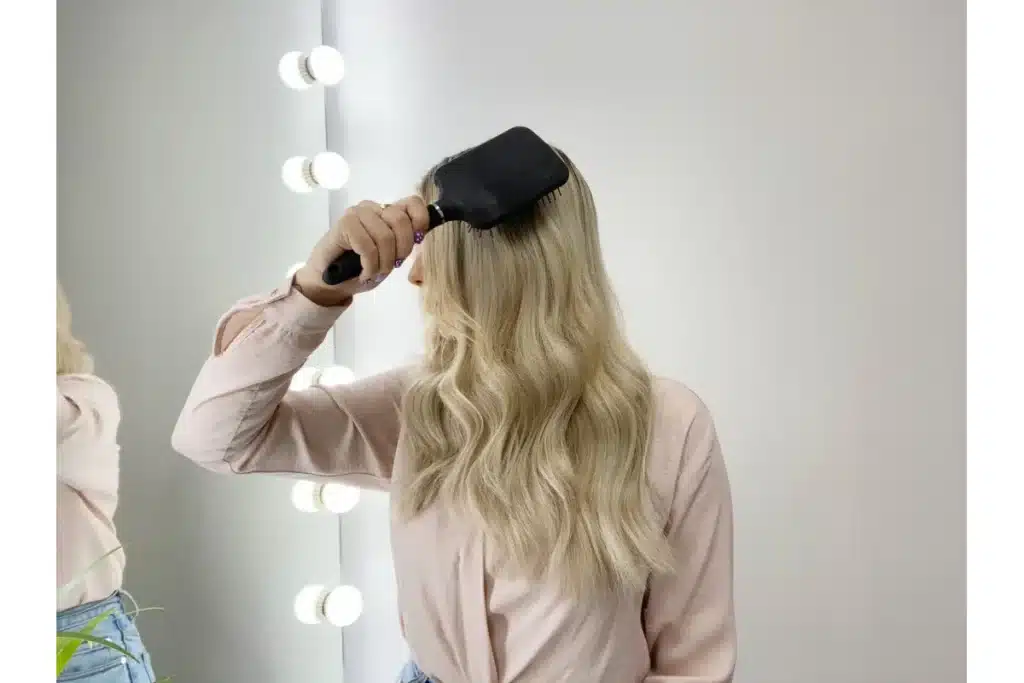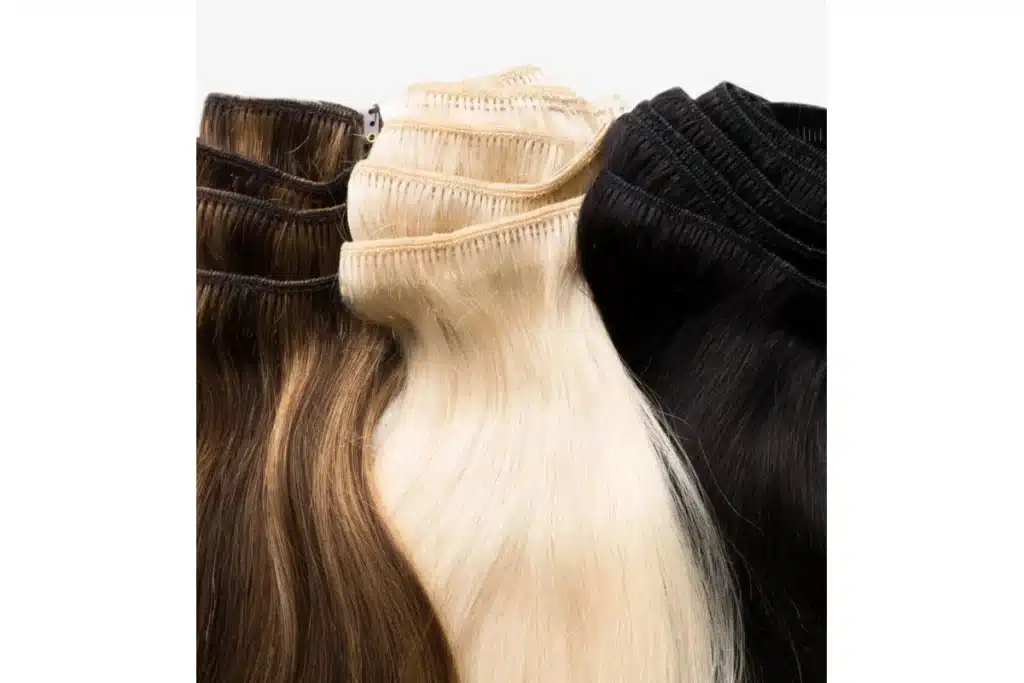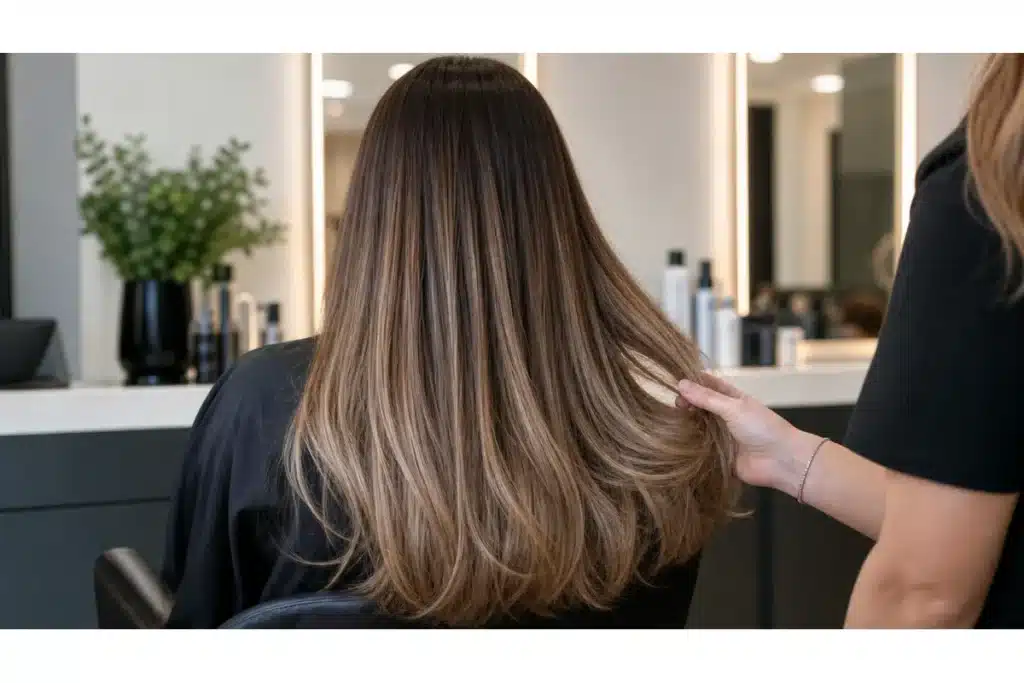
Weft extensions are one of the most common salon methods for adding volume and length, but not every weft is built for the same client or installation method.
Weft hair extensions are bundles of hair sewn or bonded onto a horizontal track. Stylists attach the weft through sew-in rows, beaded rows, hand-tied methods, tape-based wefts, or other professional installation techniques. The final result depends on the weft type, hair quality, row placement, client hair density, and maintenance routine.
For salons and hair extension buyers, the real question is not only “what are weft extensions?” The better question is which weft type gives the right balance of comfort, fullness, durability, cuttability, and repeat-order consistency.

What Are Weft Hair Extensions?
Weft hair extensions are hair strands sewn, tied, or attached onto a horizontal track. The track is called the weft. Stylists use wefts to add volume, length, or density through professional row-based or tape-based installation methods.
Common weft installation methods include sew-in rows, beaded rows, hand-tied rows, and tape weft placement. The right method depends on the client’s natural hair density, scalp comfort, lifestyle, and desired fullness.
A good weft should lie flat, feel comfortable, blend with natural hair, and hold its shape during washing, brushing, styling, and move-up appointments.
Weft Hair Extensions: Pros and Cons
Weft extensions are popular because they can create strong volume with fewer rows than strand-by-strand methods. But they also need correct placement, weight control, and regular maintenance.
| Pros | Why It Matters |
|---|---|
| Adds strong volume | Useful for clients wanting fuller results |
| Efficient salon installation | Rows can be faster than strand-by-strand methods |
| Many weft types available | Salons can choose machine, hand-tied, genius, flat, or butterfly wefts |
| Good for repeat maintenance | Move-ups create ongoing salon service value |
| Can look natural when placed well | Proper row placement keeps the weft hidden |
| Cons | What Salons Should Watch |
|---|---|
| Needs regular move-ups | Grown-out rows can pull or feel uncomfortable |
| Weight can stress fine hair | Weft type and grams must match density |
| Some wefts cannot be cut freely | Hand-tied wefts can unravel if cut incorrectly |
| Return hair may irritate sensitive scalps | Especially with some hand-tied structures |
| Styling flexibility depends on placement | High ponytails or tight updos may expose rows |
The safest way to explain wefts is simple: they are excellent for volume, but only when the weft type and row weight match the client’s natural hair.

Weft Hair Extensions Before and After: What Clients Should Expect
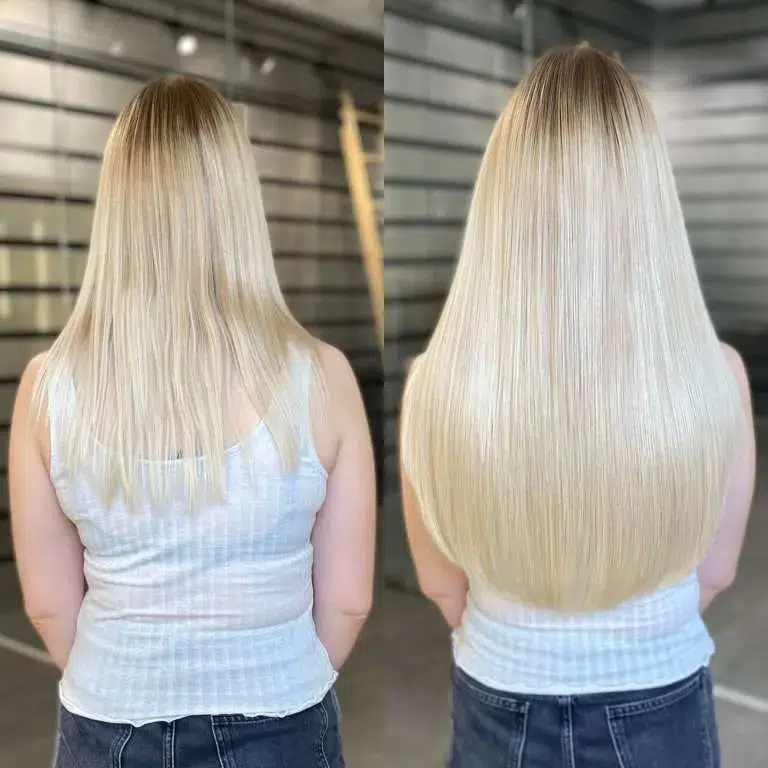
Before installation, clients may have thin ends, uneven density, or a lack of volume through the mid-lengths and ends. After a good weft installation, the hair should look fuller, longer, and more balanced without obvious rows or bulky attachment points.
The best before-and-after result is not only about adding more hair. It depends on color matching, weft weight, row placement, end fullness, and blending after installation.
For salons, before-and-after photos should show the hair down, from the side, and with natural movement. If the weft looks thick at the base but thin at the ends, the product may not create a premium result.

How Long Do Weft Extensions Last?
Weft extensions usually need maintenance every 6–10 weeks, depending on the installation method, natural hair growth, row tension, scalp oil, and aftercare.
Hand-tied and beaded weft rows often need move-ups around 6–8 weeks. Sew-in or row-based methods may sometimes reach 8–10 weeks when the client’s hair supports the weight well. Waiting too long can cause grown-out rows to twist, pull, or mat near the roots.
The hair itself can last longer than one move-up cycle. High-quality full cuticle weft hair may last many months or longer with proper care, gentle removal, and correct reinstallation. Lower-quality hair may dry, tangle, or shed much sooner.

| Weft Timeline | Typical Window | What It Means |
|---|---|---|
| Move-up cycle | 6–10 weeks | Depends on method and growth |
| Hand-tied / beaded row maintenance | Often 6–8 weeks | Check tension and row comfort |
| Sew-in row maintenance | Often 8–10 weeks | Depends on braid or row condition |
| Hair lifespan | Several months to 1+ year | Depends on hair quality and care |
| Replacement timing | When hair is dry, thin, or shedding | Product quality and aftercare decide |
A move-up cycle and hair lifespan are not the same thing. Salons should explain this clearly to clients.
Types of Weft Hair Extensions
Different weft types are designed for different salon needs. The main differences are thickness, flexibility, cuttability, return hair, installation speed, and comfort.Choosing the wrong weft can create bulk, shedding, discomfort, or poor blending. Choosing the right one helps salons control service time and client satisfaction.
1. Machine Wefts
Machine wefts are sewn by machine and usually have a stronger, thicker top seam. They are durable and useful for clients who need solid volume.
They are often suitable for medium to thick hair clients. For very fine hair, the seam may feel bulky if the row placement or weight is not controlled.
Best for: durable volume, standard salon installs, clients with enough density to hide the seam.

2. Hand-Tied Wefts
Hand-tied wefts are made by tying hair by hand onto a thin track. They are light, flexible, and popular for luxury row methods.
The key limitation is that many hand-tied wefts should not be cut freely. Cutting the wrong part can cause unraveling. Some hand-tied wefts also have short return hair near the top, which may irritate sensitive scalps.
Best for: clients wanting a thin, flexible row with a soft finish, when the stylist understands proper placement and handling.

3. Genius Wefts
Genius wefts are designed to be thin, flexible, and cuttable without the same unraveling risk as traditional hand-tied wefts. They usually have no short return hair at the top, which can improve comfort for sensitive clients.
They are popular for premium salon services because they combine a low-profile finish with flexible customization.
Best for: premium row installs, custom cutting, clients who want less bulk and better comfort.

4. Butterfly Wefts
Butterfly wefts are designed with guide holes or spacing that helps the stylist pass the needle more easily during installation. This can make row work faster and more controlled.
They are useful for salons that want efficient sew-in or row-based installation without fighting through a dense weft top.
Best for: faster row installation, controlled needle passing, and salons that want a practical weft structure for service efficiency.

5. Flat Wefts
Flat wefts are designed with a thinner, flatter top structure to reduce bulk near the scalp. They can help create a smoother finish when the client wants comfort and a discreet row.
Buyers should still test edge strength, shedding, and whether the weft stays flat after washing and brushing.
Best for: clients who want a lower-bulk weft with a flatter feel.
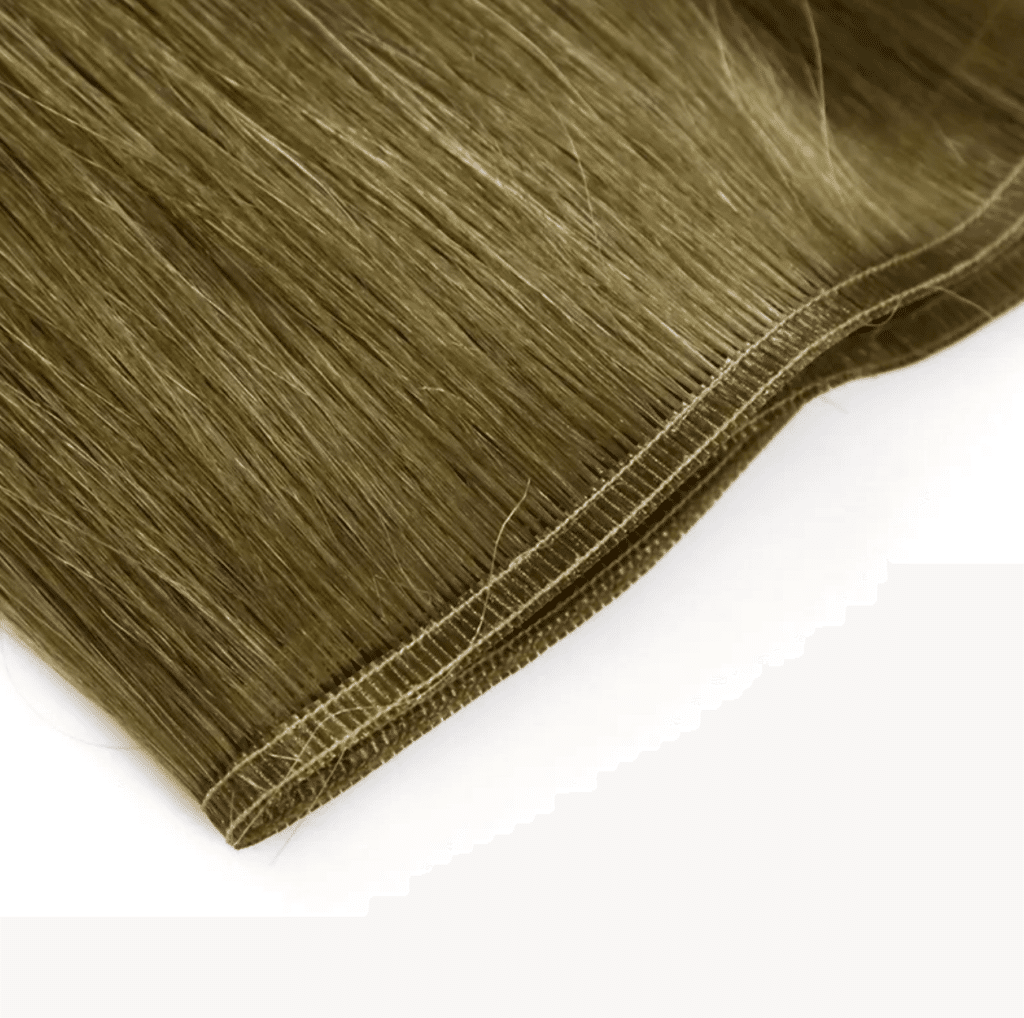
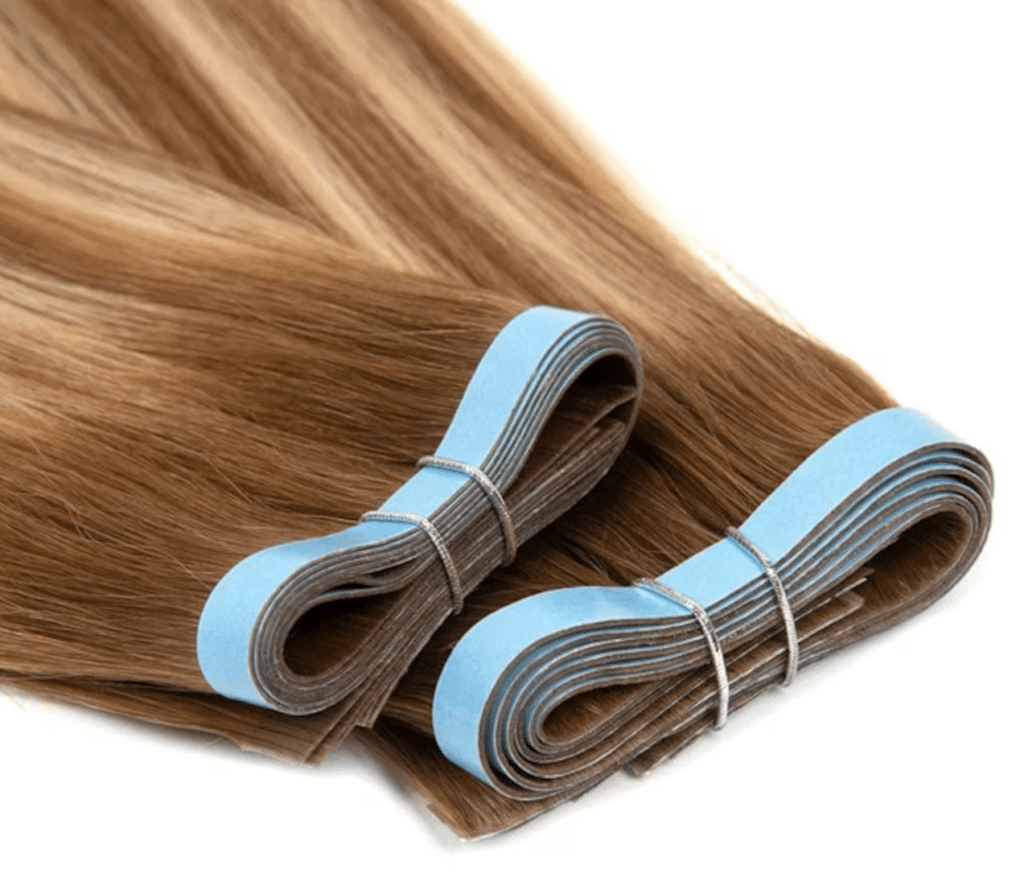
6. Tape-In Wefts
Tape-in wefts are tape-based weft strips applied with adhesive instead of sewing or beads. They can be faster to install than row methods and useful for salons that want tape-based volume.
They are not the same as traditional sew-in wefts. Buyers should test tape hold, PU flexibility, adhesive residue, and whether the strip weight suits the client’s natural hair.
Best for: faster tape-based volume services and clients who prefer a flatter adhesive method.
| Weft Type | Main Strength | Main Risk |
|---|---|---|
| Machine weft | Strong and durable | Can feel bulky on fine hair |
| Hand-tied weft | Thin and flexible | Cannot be cut freely; return hair may irritate |
| Genius weft | Thin, cuttable, no return hair | Higher cost; quality varies by supplier |
| Butterfly weft | Easier needle passing | Buyers should test structure and comfort |
| Flat weft | Low-bulk finish | Edge strength and shedding must be checked |
| Tape-in weft | Fast tape-based install | Adhesive hold and strip weight matter |
How to Choose the Right Weft Hair Extensions
Choosing the right weft is not only about which product looks thinnest or fullest. It depends on the client’s natural hair, the salon method, and the buyer’s quality standard.
Hair type
Fine hair usually needs lighter, flatter wefts with careful row placement. Medium to thick hair can support stronger machine or volume wefts more easily.
Lifestyle
Clients who wear ponytails, work out often, or need low-maintenance styling may need a weft that stays comfortable and secure between move-ups.
Desired outcome
For natural density, flat or genius wefts may work well. For stronger volume, machine or volume wefts may be better. For faster tape-based services, tape-in wefts may be more practical.
Longevity
Longer lifespan depends on full cuticle hair, strong stitching, stable color, low shedding, and proper aftercare. A weft that looks good in the package still needs to perform after washing, brushing, installing, and moving up.
What Salons and Buyers Should Check Before Ordering Wefts
For professional buyers, weft quality should be tested before bulk orders.
A good weft should not only feel soft. It should hold its seam, resist shedding, stay comfortable on the row, and keep the hair smooth after washing.
| Quality Factor | Why It Matters | What Buyers Should Test |
|---|---|---|
| Full cuticle hair | Helps softness and reduces tangling | Wash, brush, and heat-style samples |
| Weft seam strength | Affects shedding and durability | Brush and pull-test the seam |
| Cuttability | Matters for customization | Test whether cut ends shed |
| Return hair | Affects scalp comfort | Check top short hairs and client sensitivity |
| Weft thickness | Affects bulk and comfort | Compare top seam height and flexibility |
| Color stability | Affects salon matching | Wash and compare under daylight |
| End fullness | Affects premium finish | Check density from top to ends |
Buyers who care about long-term softness can read our guide to full cuticle hair.
Professional buyers can also compare our hair weft extensions when checking weft construction, colors, textures, and wholesale options.
FAQs About Weft Hair Extensions
What are weft hair extensions?
Weft hair extensions are strands of hair sewn, tied, or attached onto a horizontal track. Stylists install the weft through rows, beads, sewing, tape, or other professional methods.
Are weft extensions good for thin hair?
They can work for some thin hair clients, but the weft must be lightweight and placed carefully. Heavy wefts may create too much tension on fine hair.
How long do weft extensions last?
Weft rows usually need maintenance every 6–10 weeks. The hair itself can last longer when it is high quality and cared for properly.
What is the difference between hand-tied and genius wefts?
Hand-tied wefts are thin and flexible but usually should not be cut freely. Genius wefts are also thin but are designed to be cuttable and usually have no short return hair.
Which weft type is best for salons?
It depends on the salon’s clients. Machine wefts are durable, hand-tied wefts are thin, genius wefts offer flexibility, butterfly wefts help with installation, and flat wefts reduce bulk.
Conclusion
Weft hair extensions are one of the most important salon extension categories because they can add strong volume, length, and density through professional row-based or tape-based methods.
The best weft type depends on the client’s hair density, comfort needs, styling habits, and the salon’s installation method. For professional buyers, the key is to test hair quality, seam strength, shedding, cuttability, color stability, and sample-to-bulk consistency before larger orders.
You can contact Hibiscus Hair to request weft hair extension samples, construction advice, color matching support, or wholesale price guidance.