If you want to offer hair extensions in Florida, this is one of the first questions you should answer clearly before taking clients. The answer is not the same for every method, because Florida law treats braid-based work differently from broader cosmetology services.
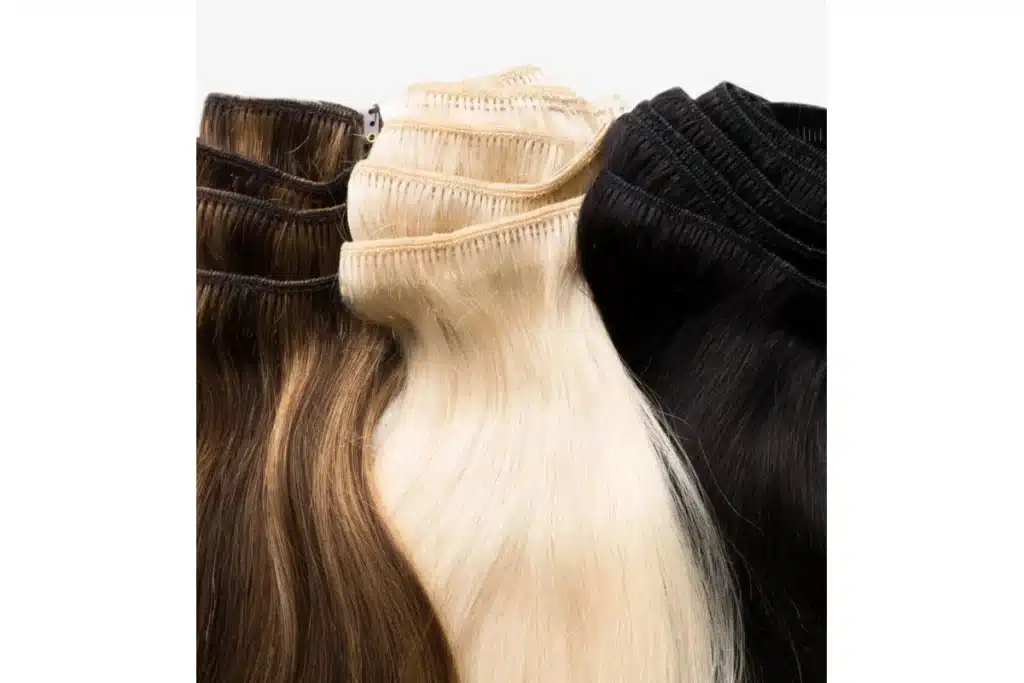
In Florida, you may not need a license if your work is confined solely to exempt hair braiding, because the current statute defines hair braiding broadly enough to include the use of commercial hair, hair extensions, or wefts. But if you offer extension services that go beyond that exemption, especially broader salon services, the safer and more standard path is a Florida cosmetology license. [1][2]
So the real question is not just “hair extensions.” The real question is what kind of extension work you do, whether it stays fully inside Florida’s statutory braiding exemption, and whether you also offer broader licensed salon services. [1]
The Short Legal Answer
Florida’s current cosmetology statute says a license or registration is not required if a person’s occupation or practice is confined solely to hair braiding. The statute defines hair braiding as weaving or interweaving natural human hair or commercial hair, including the use of hair extensions or wefts, for compensation, without cutting, coloring, permanent waving, relaxing, removing, or chemical treatment. [1]
That means the answer may be “no” only when the work stays strictly inside that exemption.
This is the important limit:
the exemption is narrow. It does not mean every extension service in Florida is unlicensed. It means some braid-based extension work may fall outside licensing when it stays completely inside the statutory definition. [1]
Why This Question Is So Confusing
This topic confuses a lot of people because Florida’s current statute and older industry understanding do not always sound the same.
The current statute clearly includes commercial hair, hair extensions, and wefts inside the definition of hair braiding. But many people in the industry still think about extensions through older salon rules or older guidance. That is why two stylists can answer this question very differently even if they both work in Florida. [1]
So if you are building a real business, do not rely only on what people say in online groups or what “everyone does.” Work from the current statute first. Then compare your service menu honestly against that language.
When You May Not Need a License in Florida
You may not need a license in Florida if your work is confined solely to exempt hair braiding as the law defines it.
That usually means:
- the service is braid-based or weaving/interweaving-based
- you are using natural human hair or commercial hair
- you are not also cutting
- you are not coloring
- you are not relaxing
- you are not removing
- you are not doing chemical treatment as part of the service [1]
This is why some Florida professionals who do only braid-based extension work may operate without a cosmetology license.
But the key phrase is still “confined solely.” If the service expands beyond that, the legal position becomes much less comfortable.
When You Likely Need a License
If you offer extension services that go beyond exempt braiding, then you are much more likely to be operating inside licensed cosmetology work.
This is especially true if your service includes things like:
- cutting the client’s hair to blend the extensions
- toning or coloring
- chemical work
- broader salon styling services connected to the install
- extension methods that are not cleanly braid-based [1]
This is why many serious Florida extension specialists still choose the cosmetology route even if some braid-based work may be exempt. A cosmetology license creates a much clearer and safer foundation for a full extension menu.

What About Tape-Ins, Keratin Bonds, and Other Salon Extension Methods?
This is where you should be more careful.
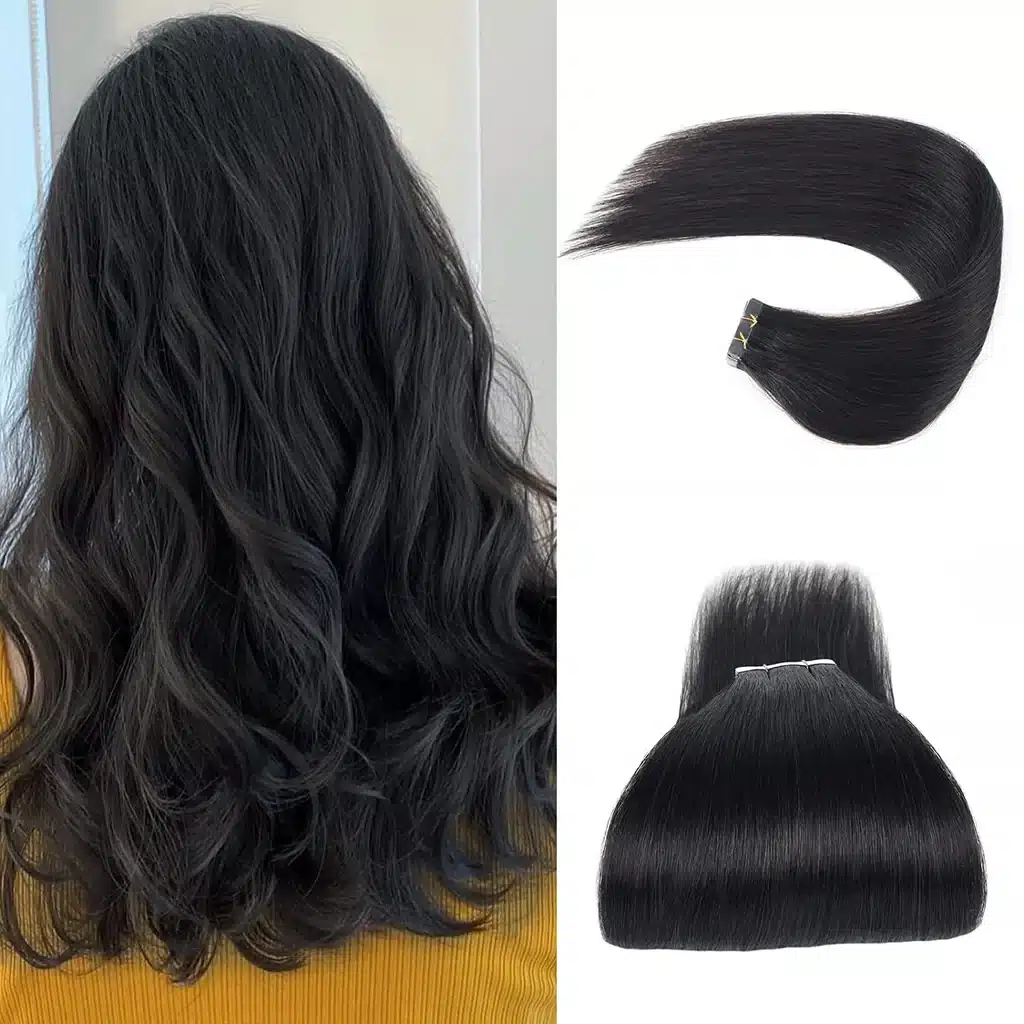
Florida’s exemption is strongest when the work is truly confined to statutory hair braiding. But many common salon extension methods are not really braid-based services in the ordinary sense. Methods like:
- tape-in hair extensions
- keratin bonds
- fusion systems
- broader salon extension installs with cutting, blending, and correction work
do not fit as comfortably inside the braiding exemption language. [1]
So if you want to offer a broader extension menu, especially methods that look and function more like full salon services than exempt braiding work, the conservative and more professional path is a Florida cosmetology license.
What Is the Safer License Path for a Full Hair Extension Business?
For a full hair extension business in Florida, the safer and more standard path is usually a Florida cosmetology license.
Florida DBPR’s cosmetology FAQs state that to become a licensed cosmetologist in Florida, an applicant must complete 1,200 school hours in a Florida cosmetology program and then pass the state cosmetology exam. [2]
That matters because many extension businesses do not stay limited to one narrow service. In real life, extension clients often ask for:
- blending cuts
- color matching
- styling
- correction work
- method changes
- maintenance that overlaps with licensed salon work
If that is the kind of business you want to build, cosmetology is usually the stronger legal and business foundation.
Is a Full Specialist License the Same as a Cosmetology License?
No.
Florida DBPR’s FAQs say a full specialist registration is 400 school hours, built from nail and facial training, while cosmetology is the broader 1,200-hour hair license path. [2]
This point matters because some people hear “full specialist” and assume it covers broad hair work. It does not function as a substitute for full cosmetology training when the business model is hair-focused.
So if your real goal is to offer a broad hair extension service business, a full specialist credential is not the same thing as a cosmetology license.
A Practical Way to Judge Your Situation
A simple way to think about it is this:
You may be in the exemption zone if:
- your work is strictly braid-based
- the service stays fully inside Florida’s statutory hair-braiding definition
- you do not cut, color, chemically treat, or expand into broader salon cosmetology services [1]
You likely need or should strongly consider a cosmetology license if:
- you offer multiple extension methods
- you install non-braiding systems
- you trim or blend the hair as part of the service
- you tone, color, or chemically adjust hair
- you want to operate like a full salon extension specialist instead of only an exempt braider [1][2]
This is the cleanest practical test.

What Florida Professionals Should Do Before Offering Hair Extension Services
Before you advertise services, a smart checklist looks like this:
- write down exactly which extension methods you plan to offer
- separate braid-based services from broader salon services
- compare that service list to Florida’s statutory braiding exemption
- decide whether your menu stays truly inside the exemption
- if not, treat cosmetology licensure as the safer path
- if you are building a full salon extension business, plan around the cosmetology route from the start [1][2]
This is much better than asking one vague question and hoping the answer covers every extension method.
My View
From a business point of view, the smartest question is not only “Can I maybe do this without a license?” The better question is “What service menu do I actually want to build in Florida?”
If you only want to do braid-based extension work and you are willing to stay strictly inside Florida’s exemption language, then the statute gives you a real opening. But if you want to offer tape-ins, keratin bonds, blending, color matching, correction work, and a full extension menu, then cosmetology is usually the cleaner, safer, and more scalable route.
That path is usually better for long-term credibility too, especially if you want to work with salon clients at a professional level.
FAQ
Can I legally do braid-in extensions in Florida without a cosmetology license?
Possibly yes, if the work is confined solely to Florida’s statutory hair-braiding exemption, which includes commercial hair, extensions, and wefts, and does not include cutting, coloring, removing, or chemical treatment. [1]
Do tape-in extensions clearly fall under Florida’s braiding exemption?
The exemption is strongest for braid-based work. Tape-ins do not fit that language as comfortably, so the safer professional route is usually to treat them as licensed salon work. [1]
Do I need a cosmetology license in Florida to offer a full extension menu?
If you want to offer a broad extension business with non-braiding methods and salon finishing work, cosmetology is usually the safer and more standard path. [1][2]
How many hours does Florida require for cosmetology?
Florida DBPR states that cosmetology requires 1,200 school hours and the state exam. [2]
Is a Florida full specialist registration the same as a cosmetology license?
No. Florida DBPR says full specialist registration is 400 hours and is different from the broader cosmetology license path. [2]
Conclusion
In Florida, you may not need a license if you are doing only exempt braid-based extension work that stays fully inside the statutory definition of hair braiding. But if you want to offer a broader extension menu, especially non-braiding methods or full salon finishing services, the safer and more standard path is a Florida cosmetology license. [1][2]
where to wholesale high quality hair extensions
Hibiscus Hair Manufacturer has been dedicated to producing high-quality hair extensions for 25 years and is a recognized leader in the industry. If you are interested in finding a reliable hair extensions supplier and wholesale for your brand, please visit our website for more information: