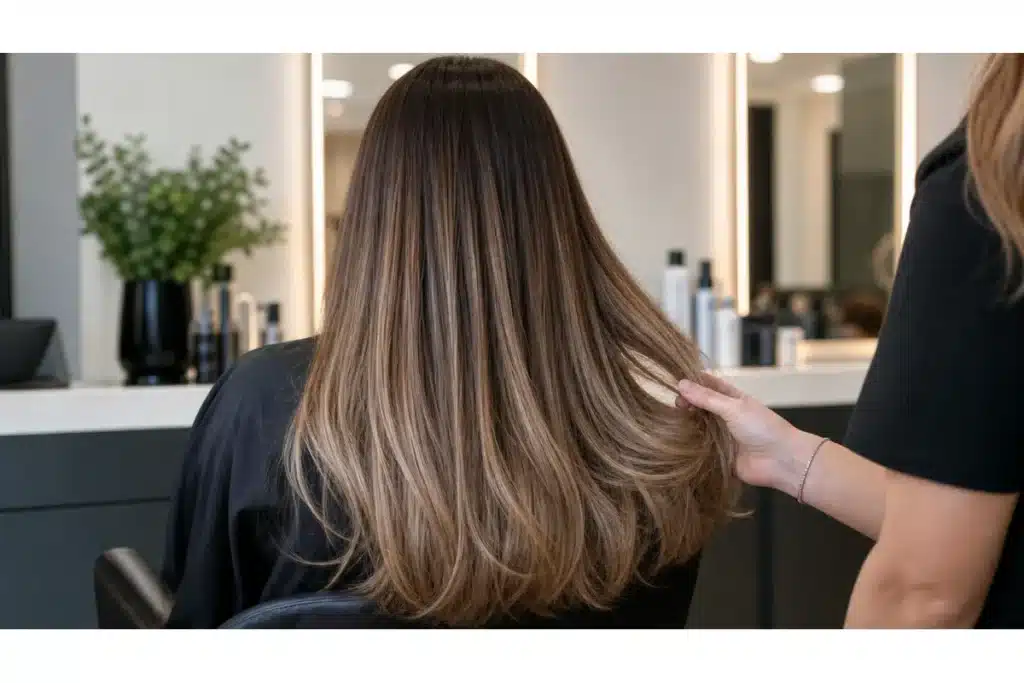
Hair extensions are not automatically bad for your hair. But they can become a problem when the method, weight, installation, removal, or aftercare is wrong.
Hair extensions may damage natural hair when they create too much tension, are installed too tightly, are left in too long, are removed roughly, or are used on hair that is already weak or shedding. When the right method is matched to the client and maintained correctly, extensions can be worn safely by many clients.
For salons, this question is not only about the extension type. It is about client suitability, product quality, installation control, maintenance timing, and honest aftercare education.
How Hair Extensions Can Affect Natural Hair
Hair extensions affect natural hair through weight, tension, attachment points, brushing, washing, heat styling, and removal.
A good extension service should spread weight evenly and avoid pulling on weak areas. A poor service may overload fine hair, place attachments too close to the scalp, or create friction that leads to breakage and matting.
The extension hair itself also matters. Low-quality hair can tangle faster. When clients pull harder to brush through tangles, the natural hair around the attachment area receives more stress.
1. Extension Quality Influences Hair Health
Extension quality does not only affect how the hair looks. It also affects how much friction, tangling, and pulling the client experiences during daily wear.
High-quality full cuticle hair usually stays smoother for longer because the cuticle condition is better protected. This can reduce tangling and make brushing easier.
Low-quality or heavily processed hair may feel soft at first, then become dry or rough after washing. Once the extensions tangle, clients often brush harder, and that extra pulling can stress natural hair near the attachment area.
Buyers who want to understand long-term softness can read our guide to full cuticle hair.
2. Application Technique Matters
Application technique is one of the biggest reasons extensions either feel safe or become damaging.
The most common mistakes are too much tension, poor sectioning, placing bonds or tapes too close to the scalp, using too much weight on fine hair, and choosing the wrong method for the client’s natural density.
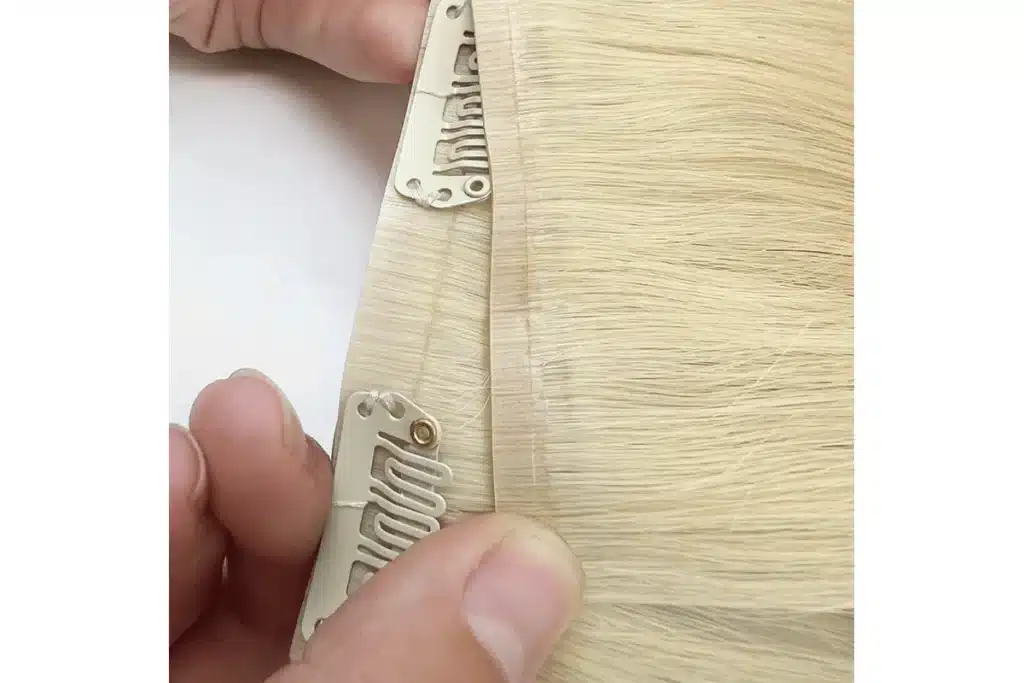
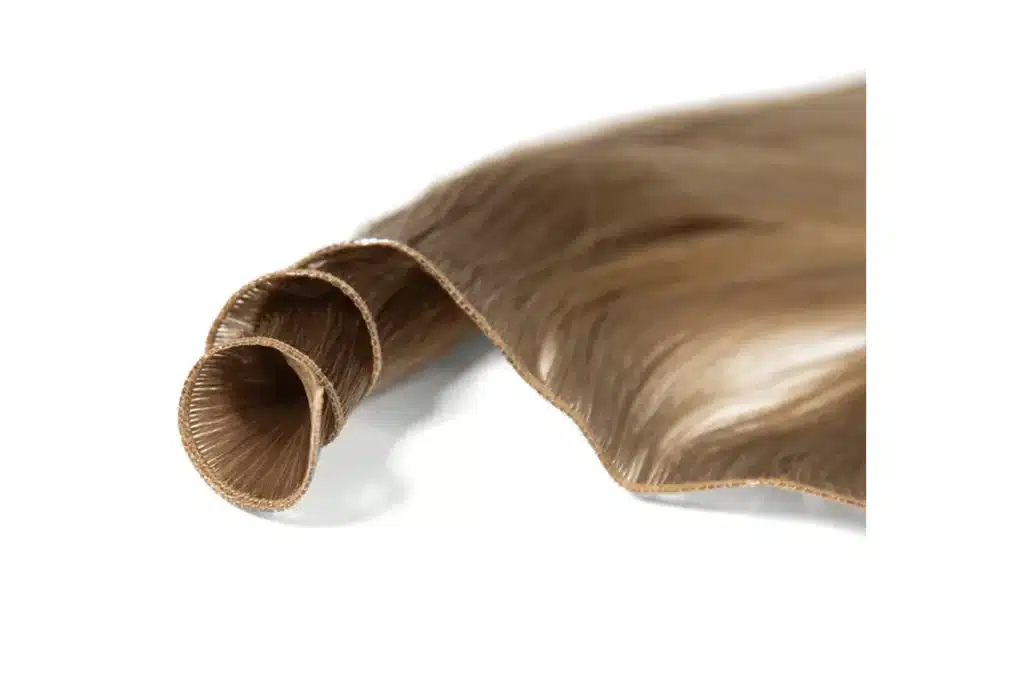
Tape-ins, wefts, keratin bonds, I tips, nano rings, and clip-ins all have different risks. The method is not the only issue. The real issue is whether the method is matched to the client and installed with the right weight and tension.

Can Extensions Damage Your Clients’ Natural Hair?
Yes, hair extensions can damage natural hair when they are installed, worn, or removed incorrectly. The risk increases when the client’s natural hair is weak, the extension weight is too heavy, or maintenance is ignored.
| Damage Cause | What Happens | Salon Prevention |
|---|---|---|
| Too much tension | Pulling near the roots | Use lighter weight and clean sectioning |
| Wrong method choice | Method does not suit client hair | Match method to density and lifestyle |
| Poor installation | Slippage, matting, discomfort | Keep correct spacing and placement |
| Rough removal | Breakage or hair loss | Use professional remover and tools |
| Overdue maintenance | Grown-out attachments twist or pull | Schedule move-ups on time |
| Low-quality hair | Tangling causes pulling | Test hair after washing and brushing |
| Poor aftercare | Dryness, knots, weak bonds | Give clear client care instructions |
Extensions are usually not bad by themselves. The problem comes from a chain of poor decisions: wrong product, wrong method, wrong installation, wrong care, or wrong removal.
Too Tight or Improperly Installed
Extensions should never feel painful, tight, or heavy. If the client feels pulling during normal movement, the section may be too small, the extension may be too heavy, or the placement may be too close to the scalp.
Incorrect Removal
Removal is where many damage complaints begin. Tape adhesive, keratin bonds, beads, and wefts all need the correct removal method. Pulling, forcing, or rushing the process can break natural hair.
Wearing Extensions Too Long Without Maintenance
Extensions grow down with natural hair. If the client waits too long, tapes, bonds, beads, or rows can twist, mat, or pull. Maintenance timing depends on the method, but most professional systems need regular checks every few weeks.
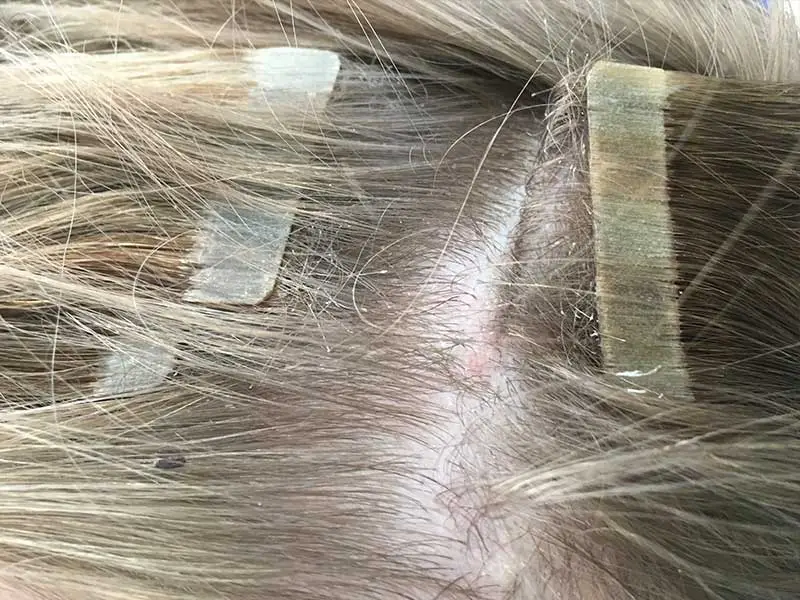
Which Hair Extension Methods Carry More Damage Risk?
No extension method is completely risk-free. The safer method depends on the client’s natural hair, the stylist’s skill, and the maintenance routine.
| Method | Main Risk | Better For |
|---|---|---|
| Tape-in extensions | Adhesive slipping, residue, wrong placement | Fine to medium hair when weight is controlled |
| Weft extensions | Row tension, weight, matting if overdue | Medium to thick hair needing volume |
| Keratin / K Tip extensions | Heat application, rough removal, bond weight | Clients wanting discreet long wear |
| I Tip / Nano Ring extensions | Bead tension, slipping, visibility | No-heat strand-by-strand services |
| Clip-in extensions | Repeated pulling if worn daily | Temporary wear, events, retail clients |
| Halo extensions | Poor fit or too much weight | Low-tension temporary volume |
The safest method is not always the lightest or newest method. It is the one that matches the client’s natural hair strength and can be maintained correctly.
Who Should Be Careful Before Wearing Hair Extensions?
Some clients need extra caution before wearing extensions.
| Client Condition | Risk Level | Salon Advice |
|---|---|---|
| Very fine hair | Higher | Use lightweight methods and smaller sections |
| Active shedding | Higher | Wait or consult a professional before installing |
| Weak roots | Higher | Avoid heavy rows or tight bonds |
| Sensitive scalp | Medium to high | Test placement and attachment comfort |
| Heavy heat-styling habits | Medium | Teach heat control before installation |
| Poor maintenance habits | Medium | Choose easier methods or temporary options |
| Healthy medium-density hair | Lower | Most methods may work with proper installation |
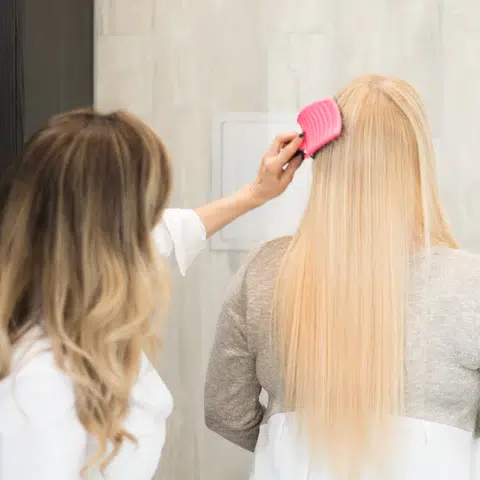
A good consultation should happen before installation, not after complaints start.
How to Ensure Hair Extensions Don’t Harm Natural Hair
The goal is not to promise “zero damage.” The goal is to reduce unnecessary tension, friction, and removal risk.
Use High-Quality Extensions
Choose extension hair that stays smooth after washing and brushing. Full cuticle hair usually has better long-term softness and lower tangling risk when processed correctly.
Match the Method to the Client
Do not choose a method only because it is popular. Fine hair, thick hair, oily scalp, active clients, and sensitive scalps need different solutions.
Control Weight and Tension
Each section of natural hair must support the extension weight. Too much weight on too little hair is one of the fastest ways to create stress.
Educate Clients on Maintenance
Clients should know how to brush, wash, sleep, style, and return for move-ups or removals. Many problems start after the client leaves the salon.
Use Heat Protection
Heat tools should be used carefully, especially near tape tabs or keratin bonds. Heat protectant and moderate temperature are important.
Remove Extensions Professionally
Removal should never be rushed. Professional remover, correct tools, and patience protect the natural hair.
Check Scalp and Root Condition
A healthy scalp and strong roots make extension wear safer. If the scalp is irritated, the hair is shedding heavily, or the roots feel weak, the stylist should delay installation or choose a lower-tension option.
Scalp treatments may help some clients, but they should not be used to hide an unsuitable installation decision.

What Salons and Buyers Should Check
For salons and hair extension brands, damage risk is not only about the client. Product quality also matters.
| Check Item | Why It Matters |
|---|---|
| Hair softness after washing | Shows whether the hair will tangle quickly |
| Full cuticle condition | Helps reduce friction and dryness |
| Tape, bond, bead, or weft construction | Affects installation comfort |
| Strand or weft weight | Affects tension on natural hair |
| Color stability | Reduces repeat processing and complaints |
| Removal behavior | Shows whether the method comes out cleanly |
| Sample-to-bulk consistency | Protects salon trust and repeat orders |
A sample should be tested through washing, brushing, installing, wearing, and removing. Softness in the package is not enough.Professional buyers can contact Hibiscus Hair to request samples or low-tension product recommendations for salon clients.
FAQs About Hair Extensions and Hair Damage
Are hair extensions bad for your hair?
Hair extensions are not automatically bad for your hair. They may cause damage when they are too tight, too heavy, poorly installed, roughly removed, or not maintained correctly.
Do hair extensions cause hair loss?
They can contribute to hair loss or breakage if they create repeated tension on the roots. Correct method choice, weight control, and maintenance reduce the risk.
What type of hair extensions are least damaging?
There is no single least damaging method for everyone. Halo, lightweight tape-ins, nano rings, I tips, or lighter wefts may work depending on the client’s natural hair and lifestyle.
Are hair extensions bad for thin hair?
They can be risky for thin hair if the extensions are too heavy or placed incorrectly. Thin hair needs lightweight methods, careful placement, and honest consultation.
How can salons prevent extension damage?
Salons can reduce damage risk by choosing quality hair, matching the method to the client, controlling tension, teaching aftercare, and removing extensions professionally.
Should clients take breaks from hair extensions?
Some clients may need breaks if their natural hair is weak, shedding, irritated, or showing signs of stress. Healthy clients with proper maintenance may not need frequent breaks.
Conclusion
Hair extensions are not automatically bad for your hair. They become risky when the method is too heavy, the installation is too tight, the client is not suitable, the maintenance is ignored, or the removal is done roughly.
For salons, the safest approach is simple: choose the right method, control the weight, use quality hair, educate the client, and remove extensions professionally. For hair extension buyers, product testing should include not only softness, but also tangling, construction quality, comfort, and removal behavior.
You can contact Hibiscus Hair to request samples or low-tension extension recommendations for salon clients and professional buyers.