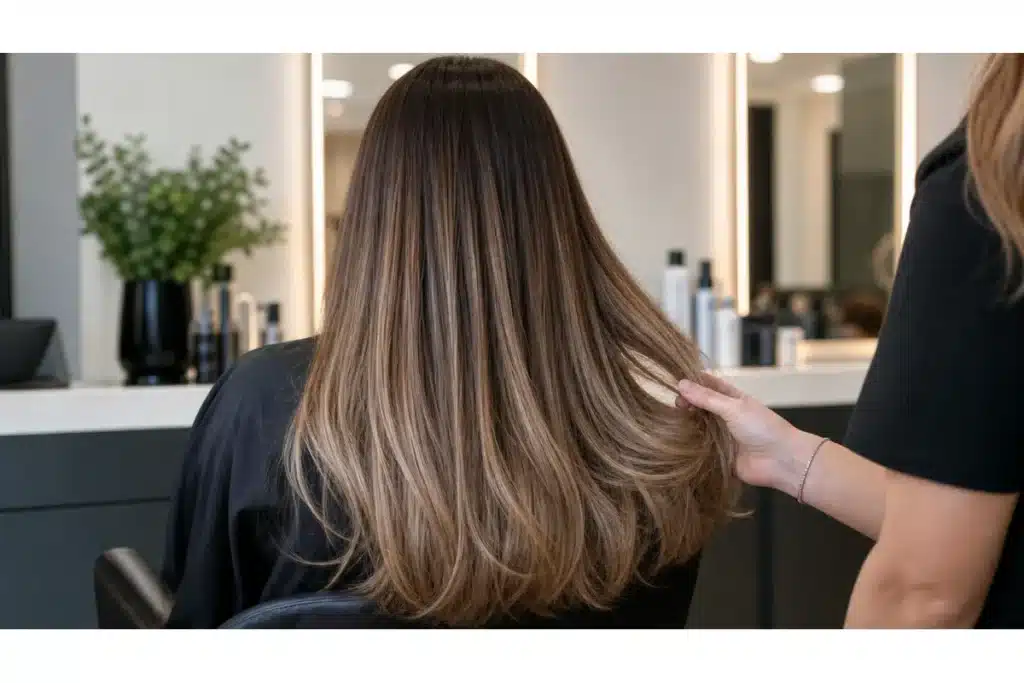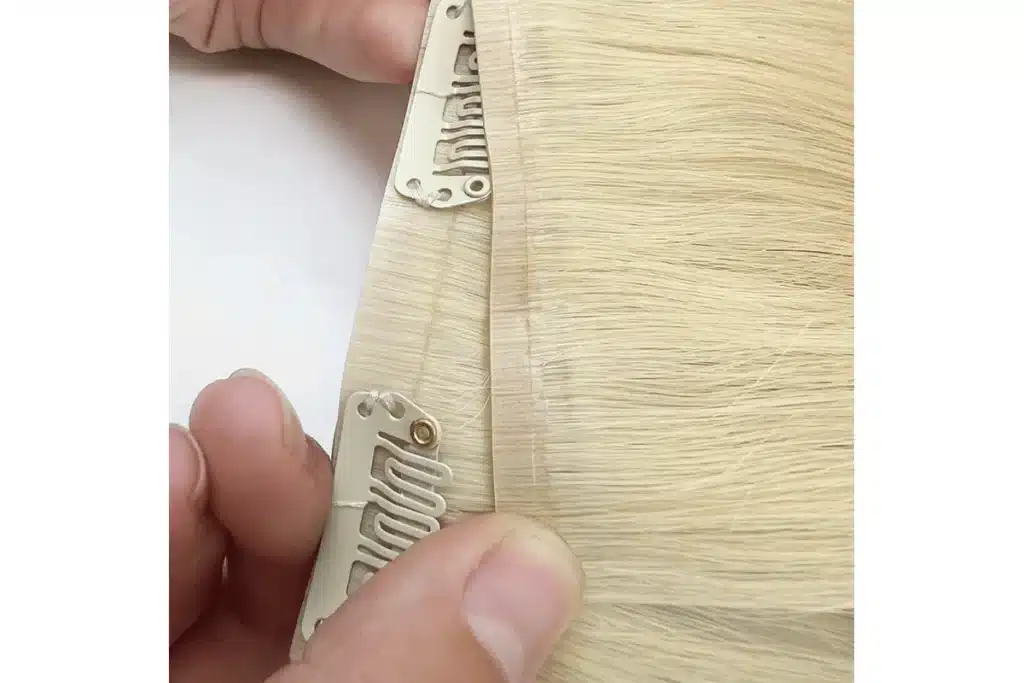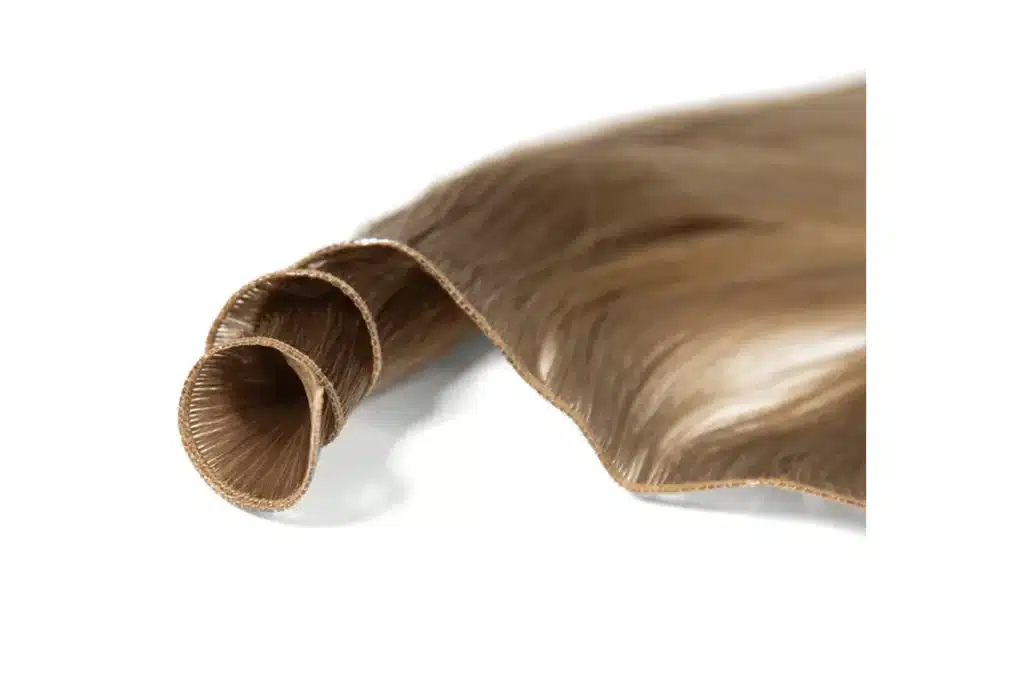
Hair extension glue is one of the most misunderstood parts of the extension business. Many buyers ask for “strong glue” as if strength alone is the answer. But in real salon work, the right glue is not just about hold. It is about bond stability, heat response, flexibility, removal logic, and how safely the bond works with the extension method.
The glue used for hair extensions depends on the method, but for keratin bond extensions, the best premium option is usually Italian keratin. It gives a strong but workable bond, a cleaner fusion result, and better professional performance than many cheaper glue materials.
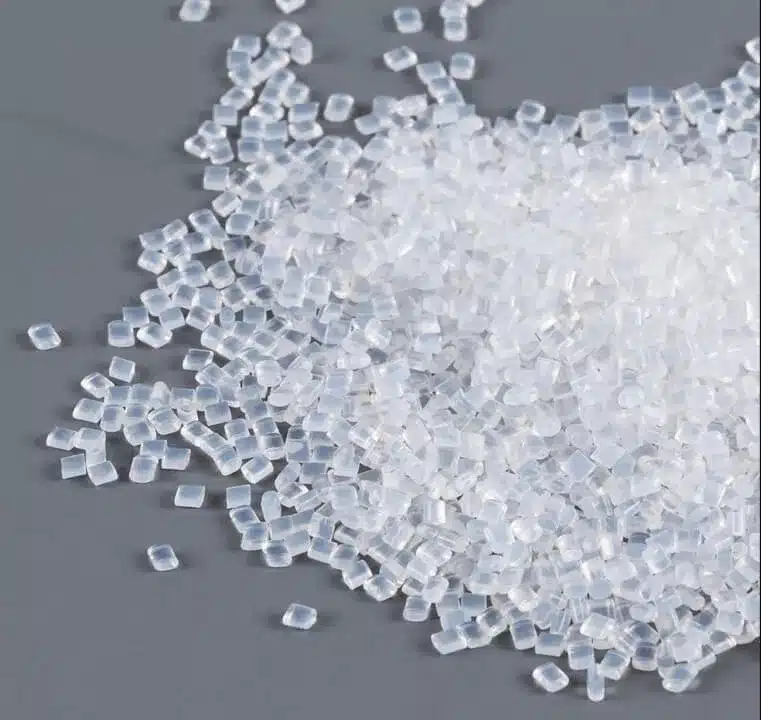
From my point of view, this topic should be explained from the method angle, not from a generic “best glue” angle. Different extension systems use different attachment logic. So the right question is not only “what glue can you use?” The better question is “what bonding material fits this extension method best, and which one gives the best long-term salon result?”
Do All Hair Extensions Use the Same Type of Glue?
This is the first place where buyers usually get confused. They hear the word “glue” and assume all methods use the same bonding material. That is not how the category works.
No, not all hair extensions use the same type of glue. Different methods use different bonding systems, and some methods do not use glue at all. The correct bonding material depends on whether the extensions are keratin bond, tape-in, weft-based, or temporary wear.
Some Methods Use Keratin-Based Bonding
K tip, U tip, and similar fusion methods usually rely on keratin-based bonding material that is heated and fused to the natural hair.
Some Methods Use Adhesive Tape Instead of Melted Glue
Tape-in extensions do not use traditional melted glue. They use pre-made adhesive tabs designed for flat panel attachment.
Some Methods Do Not Use Glue at All
Wefts installed with beads or sewing logic, clip-ins, halos, and some ring-based methods do not require extension glue in the normal sense. How different hair integration methods use different attachment systems[^1]
| Extension Method | Bonding Material |
|---|---|
| K tip / U tip / fusion | Keratin-based glue |
| Tape-in | Adhesive tape tab |
| Weft with beads | No glue |
| Sew-in | No glue |
| Clip-in | No glue |
| Halo | No glue |
This is why I do not like overly broad questions about “the best glue.” The first step is always to define the method. Once the method is clear, the bonding discussion becomes much more professional and much more useful.
What Glue Is Usually Used for Keratin Bond Hair Extensions?
This is the part most people are really asking about when they say “hair extension glue.” In most professional discussions, they mean fusion bonding material.
Keratin bond hair extensions usually use keratin-based glue, because keratin creates a bond that is strong enough for wear, workable enough for installation, and removable enough for professional salon maintenance.

Keratin Is Used Because It Fits Fusion Logic
Fusion methods need a bonding material that can melt, shape, harden, and hold correctly around the natural hair section.
The Bond Must Be Strong but Not Overly Rigid
If the bond is too weak, it slips. If it is too rigid or poorly formulated, it can become brittle, uncomfortable, or harder to remove cleanly.
Professional Buyers Should Care About Bond Quality, Not Just Bond Strength
A strong bond that behaves badly is not premium. Good keratin bonding should balance hold, flexibility, appearance, and controlled removal. Keratin as a structural protein associated with hair[^2]
| Bond Requirement | Why It Matters |
|---|---|
| Stable hold | Helps reduce slipping |
| Clean melting behavior | Supports easier installation |
| Good shaping quality | Improves bond appearance |
| Controlled hardness | Helps comfort and wear |
| Professional removability | Supports safer salon service |
This is where many lower-end suppliers fail. They focus on cost and hardness, but not on professional balance. A buyer may receive a bond that looks acceptable in the pack but behaves poorly in real use. It may melt unevenly, harden too aggressively, create a rough finish, or become difficult to remove without stress.
That is why I never reduce glue quality to one word like “strong.” A good bond is not just strong. A good bond is stable, workable, clean in appearance, and reliable in professional installation and removal.
Why Is Italian Keratin Usually Considered the Best?
This is the main point many professional buyers care about. Not all keratin bonding material performs the same, even if many suppliers describe it with similar language.
Italian keratin is usually considered the best premium glue for keratin bond hair extensions because it offers better fusion quality, cleaner bond shaping, more reliable hold, and a better balance between strength and workability than many cheaper keratin materials.

It Usually Gives a Cleaner Melt and Better Bond Formation
One of the biggest advantages is installation behavior. Better keratin usually melts more cleanly and forms a more controlled bond.
It Usually Supports More Professional-Looking Results
If the bond forms more neatly, the installation often looks more refined and more consistent.
It Usually Performs Better in Premium Salon Work
Professional salons want not only hold, but also cleaner service workflow, better client comfort, and more predictable results. Professional keratin bond application workflow demonstration[^3]
| Italian Keratin Advantage | Why It Matters |
|---|---|
| Cleaner fusion behavior | Easier professional installation |
| Better shaping quality | More refined bond appearance |
| More balanced hardness | Better comfort and performance |
| More reliable premium positioning | Stronger long-term salon value |
From my perspective, Italian keratin is not “best” because of marketing. It is best because it supports a more complete professional result. The stylist can usually work more cleanly with it. The bond often forms better. The final finish often looks more refined. And the overall service feels more premium.
This is especially important for salons and brands serving higher-end clients. In those markets, a bond is not only a technical part. It is part of the total customer experience. If the bond looks rough, feels too hard, or performs inconsistently, the customer feels that difference even if she cannot explain it technically.
That is why I usually recommend Italian keratin as the best option for premium keratin bond extensions. It is not only about adhesion. It is about full service quality.
What Problems Happen When Cheap Glue Is Used for Hair Extensions?
This is the part many buyers underestimate. They compare extension hair carefully, but they treat glue as a small accessory detail. In reality, poor bond material can lower the whole product.
Cheap extension glue can create weak hold, messy fusion, brittle bonds, difficult removal, poor comfort, and a lower-end final result even when the hair itself is good.
The Bond May Melt Badly
If the material does not melt cleanly, the stylist loses control during installation.
The Bond May Harden in the Wrong Way
Some low-grade materials become too hard, too rough, or too brittle after cooling.
Removal Can Become Riskier
Poor-quality bonding material can increase the difficulty of removal and make the service less salon-friendly.
| Cheap Glue Problem | Why It Hurts the Result |
|---|---|
| Uneven melting | Harder installation control |
| Weak hold | More slipping risk |
| Brittle bond | Poor comfort and rough feel |
| Hard removal | More difficult maintenance |
| Lower visual quality | Less premium final result |
This is why I tell buyers not to separate bond quality from hair quality. Premium hair with weak glue is still not a premium system. The customer does not experience the raw material and the bond as two separate products. She experiences one final service result.
So if I am building a high-end keratin extension line, I do not save money by lowering the bond material. That move may reduce factory cost, but it usually damages salon performance, client comfort, and brand credibility later.
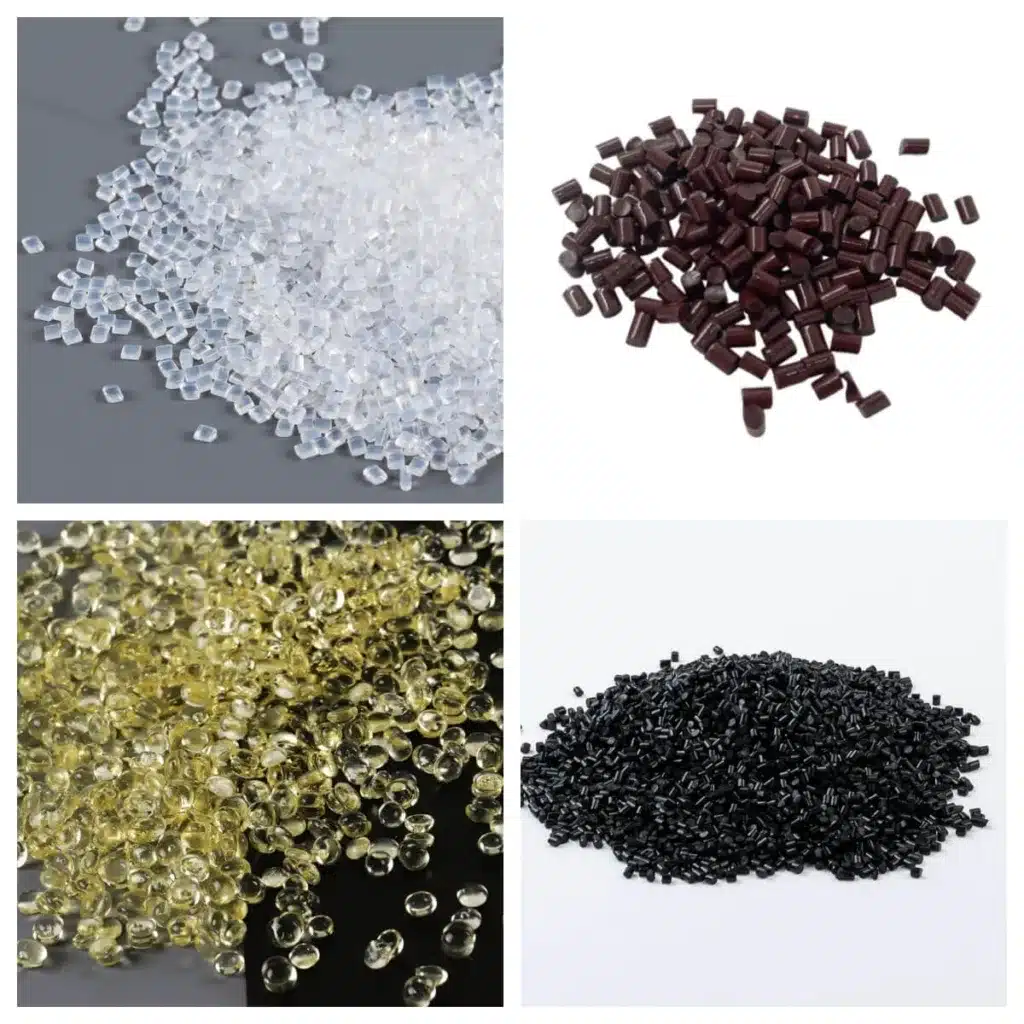
How Should Professional Buyers Choose Hair Extension Glue?
A serious buyer should not choose glue the same way a casual buyer does. A professional buyer needs to think about total system performance.
Professional buyers should choose hair extension glue based on method fit, melting behavior, bond appearance, hold stability, removability, salon workflow, and brand positioning. For premium keratin bond systems, Italian keratin is usually the strongest choice.
Start With the Method
Do not ask for “the best glue” before the extension method is clear.
Evaluate the Full Service Cycle
The bond must perform not only on install day, but also during wear and removal.
Match the Bond Quality to the Market Position
If the brand or salon is premium, the glue quality should support a premium-level result.
| Buyer Question | Why It Matters |
|---|---|
| What method is this for? | Defines the bonding category |
| How clean is the melt? | Affects installation quality |
| How does the bond look after cooling? | Affects final appearance |
| How stable is the hold? | Affects wear performance |
| How professional is the removal process? | Affects salon safety and service flow |
This is why I think good buyers ask better questions than average buyers. They do not only ask “what glue is it?” They ask:
- what method is it designed for?
- how does it behave during fusion?
- how refined is the final bond?
- how does it perform in premium salon service?
- how easy is controlled removal later?
Those questions lead to much better sourcing decisions.
My View
From my point of view, the best glue for hair extensions depends on the extension method. But if I am talking specifically about keratin bond extensions, then my answer is very clear: Italian keratin is usually the best premium option.
It gives a cleaner fusion result, a better-looking bond, stronger professional performance, and a more balanced service experience than many cheaper alternatives.
So when I build or recommend a premium keratin extension product, I do not treat bond material as a small detail. I treat it as one of the key quality factors in the entire system.
Conclusion
The glue used for hair extensions depends on the method, but for keratin bond systems, Italian keratin is usually the best premium choice because it gives the cleanest and most professional overall result.
[^1]: This resource explains that hair extensions use different integration systems, which is why not all methods use the same bonding material.
[^2]: This resource explains keratin as the main structural protein associated with hair, which helps explain why keratin-based bonding is widely used.
[^3]: This video shows professional keratin bond installation workflow, which helps explain why cleaner fusion material matters in real salon service.