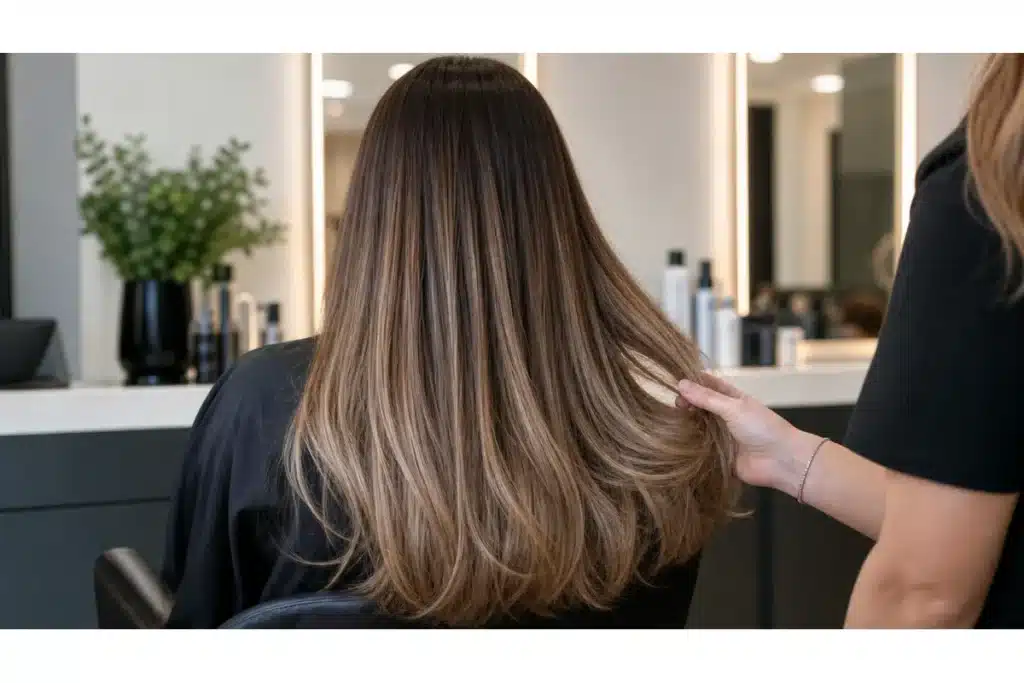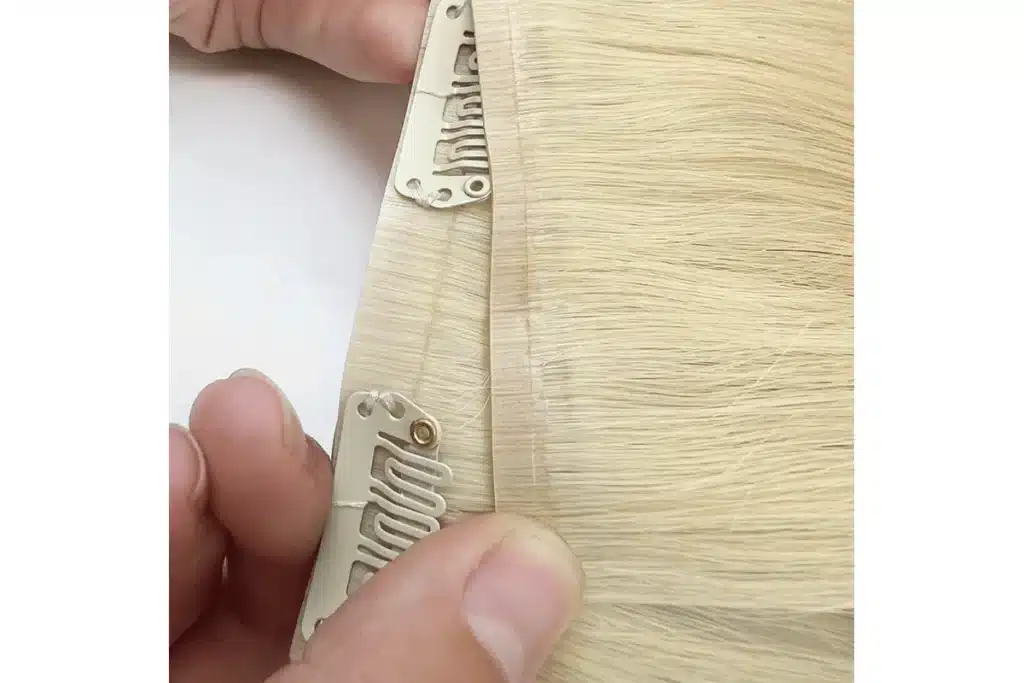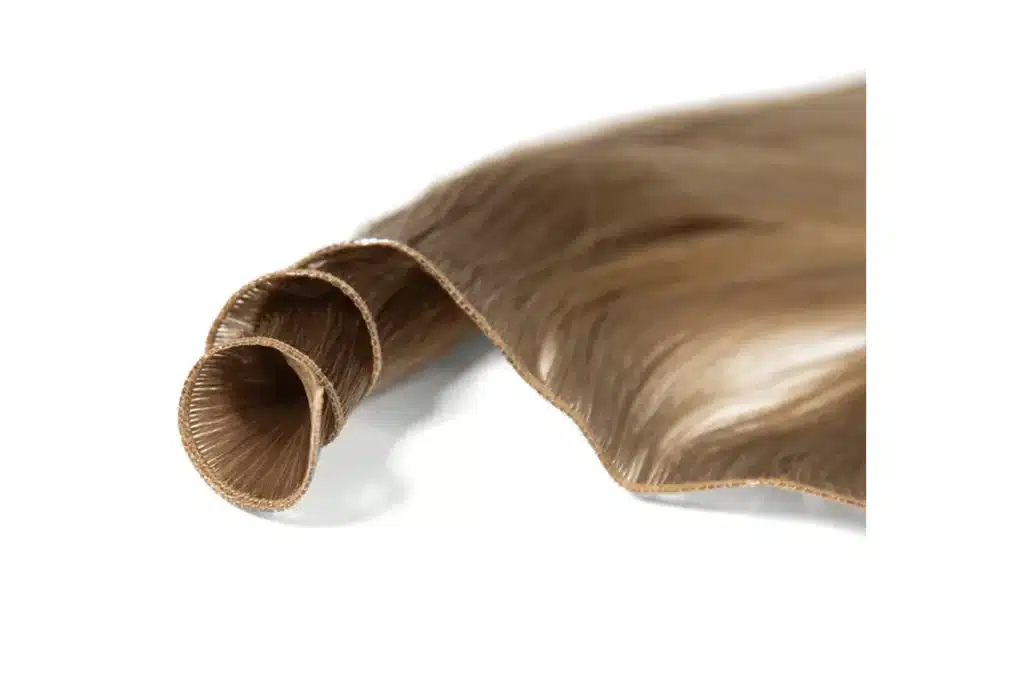
Blending straight extensions with naturally curly hair is possible, but it is one of the easiest ways to get an obvious, unnatural result if the plan is wrong. The real issue is not only texture difference. The real issue is whether the customer wants a temporary styled look or a daily low-maintenance result.
Straight extensions can blend with naturally curly hair only when the natural hair is smoothed or straightened enough to match, the extension placement is controlled carefully, and the final cut connects both textures. For everyday wear, matching curly or textured extensions is usually the better choice.
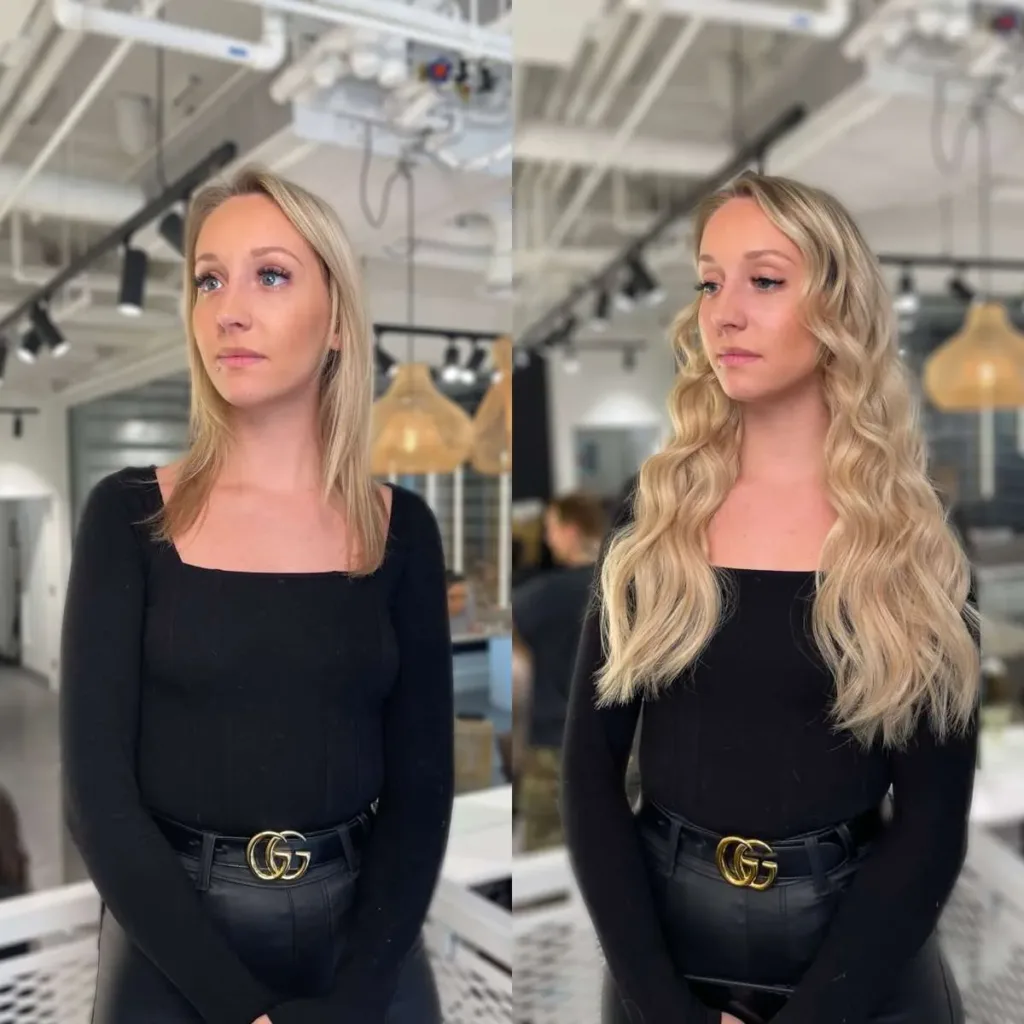
Most people treat this as a simple styling question. It is not. This is really a texture strategy question, and the right answer depends on curl pattern, daily routine, weather, haircut shape, and whether the client wants occasional styling or long-term wear.
From my point of view, this topic is often explained too casually. Many stylists or buyers say, “Just straighten the natural hair and install the extensions.” That can work in some cases. But it is still only one scenario. If the customer wants wash-and-go behavior, high humidity resistance, or a natural curly identity, straight extensions are often the wrong starting material.
Why Is Straight-to-Curly Blending So Difficult?
The problem is not only visual mismatch. The deeper problem is that curly hair and straight hair behave differently all day long, not just in front of the mirror after styling.
Straight extensions are difficult to blend with naturally curly hair because the two textures reflect light differently, expand differently, move differently, and react differently to humidity, brushing, and product.
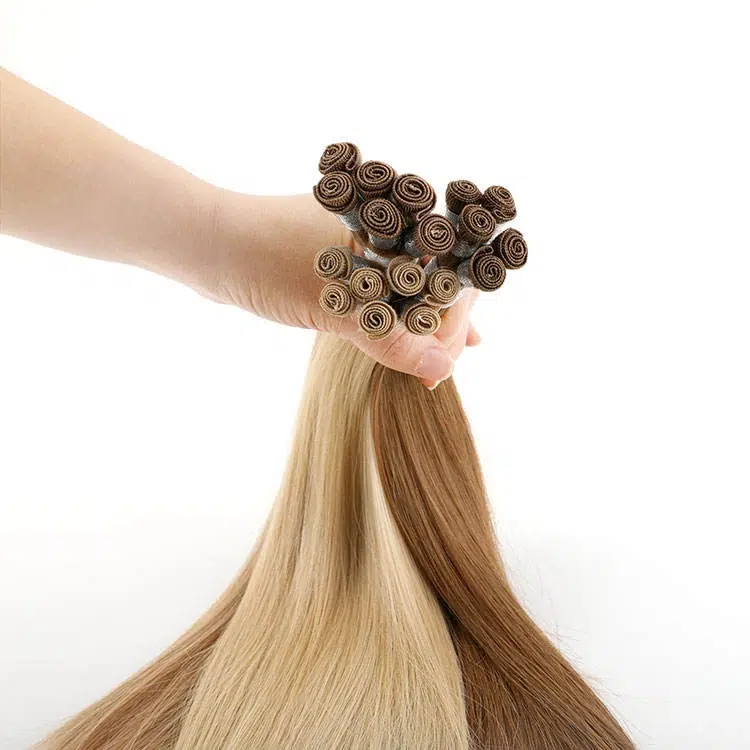
Curl Pattern and Straight Pattern Create Different Shape Logic
Curly hair creates lift, expansion, and irregular movement. Straight extensions create a smoother and more downward shape. If I combine them without a strategy, the difference becomes visible very quickly.
The Mismatch Often Shows More at the Mid-Lengths Than at the Ends
Many people think the problem is only at the root. But in real life, the disconnect usually appears in the transition zone where natural hair stops dominating and extension hair starts dominating.
Humidity Usually Exposes the Blend Faster
A fresh salon finish can look good for a few hours. But if the natural hair starts to swell, curl, or frizz while the straight extensions stay sleek, the blend breaks.
| Texture Problem | What It Causes |
|---|---|
| Different movement pattern | Visible mismatch in shape |
| Different humidity response | Blend breaks later in the day |
| Different volume behavior | Bulky top and flat bottom |
| Different light reflection | Hair looks like two separate systems |
This is why I always ask one question first: Do you want a styled straight result sometimes, or do you want a naturally blended daily result? That one question changes the entire recommendation.
When Can Straight Extensions Actually Work on Naturally Curly Hair?
This is the right place to be honest. Yes, they can work. But not under every condition, and not for every goal.
Straight extensions can work on naturally curly hair when the natural hair is consistently blow-dried or straightened to match, the customer accepts ongoing styling work, and the haircut is shaped to reduce the visual transition.
They Work Better for Temporary Styled Looks
If the client wears the natural hair stretched, silk-pressed, blown out, or heat-styled most of the time, straight extensions can make sense.
They Work Better on Looser Curl Patterns Than on Tighter Ones
A looser wave or curl usually gives me more room to smooth the natural hair into the extension texture. Tighter curls often create a much larger behavioral gap.
They Work Better When the Customer Accepts Styling Discipline
This is not a low-maintenance combination. The customer usually needs to commit to regular smoothing, product control, and weather awareness. Hair straightening and how heat-based smoothing changes hair pattern temporarily[^1]
| Situation | Straight Extensions Usually Fit? |
|---|---|
| Customer wears regular blowouts | Yes |
| Customer wants wash-and-go curls | Usually no |
| Looser curl pattern | More possible |
| Tighter curl pattern | Much harder |
| Special-event styling | Often yes |
| Daily low-maintenance wear | Usually no |
This is where many poor extension decisions begin. The install may look beautiful in the salon because the stylist has just smoothed the natural hair perfectly. But the real question is what happens three days later, after sleep, weather, gym, moisture, and normal life.
If the customer is willing to restyle the natural hair often, straight extensions can be a valid choice. If the customer wants the hair to behave naturally with minimal effort, then the texture mismatch becomes too expensive in time and too risky in appearance.
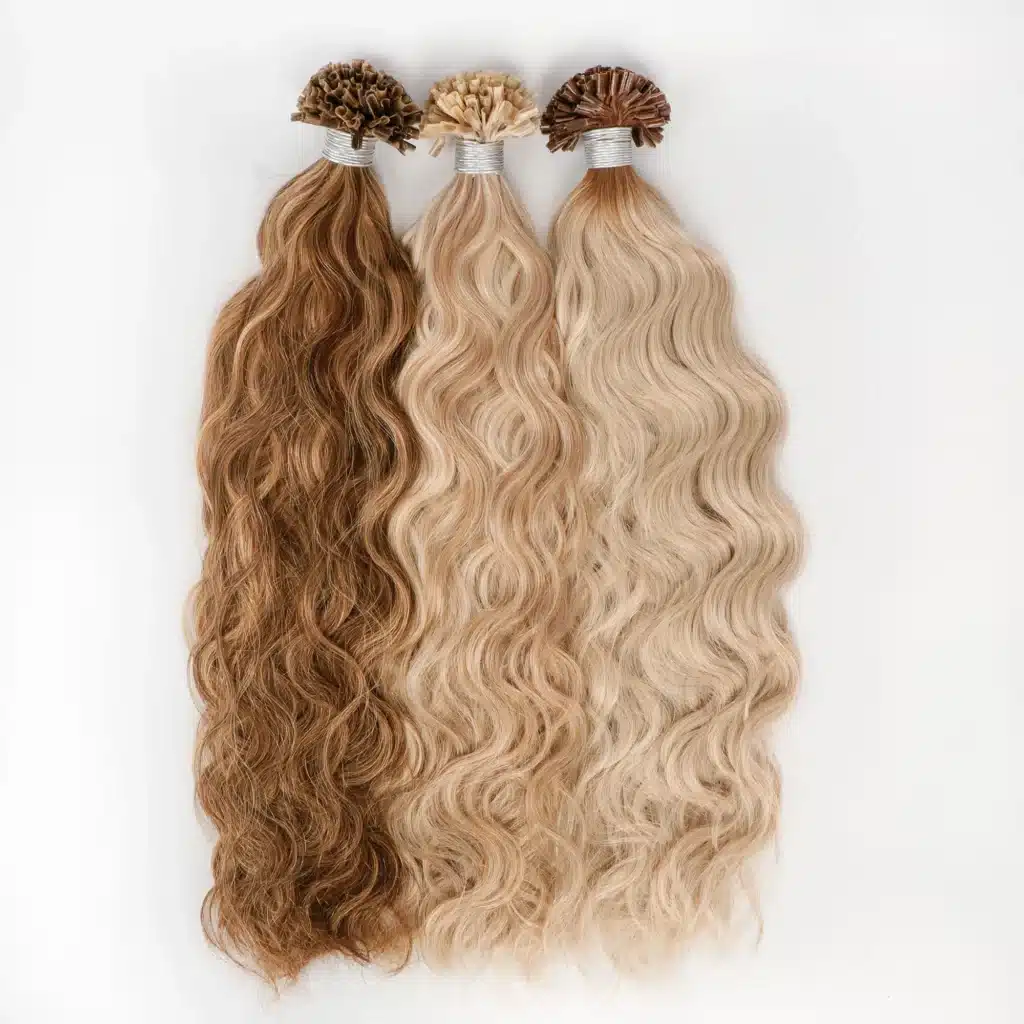
What Is the Best Way to Blend Straight Extensions With Curly Hair?
There is no single trick that solves everything. Good blending usually comes from combining multiple correct decisions.
The best way to blend straight extensions with curly hair is to smooth the natural hair enough to match, place the extensions where the natural hair can cover them, reduce density jumps, and finish with a layered blending cut instead of relying on length alone.
1. Match the Natural Hair to the Extension Texture First
If the extension is straight, the natural hair usually needs to be stretched, blown out, or straightened enough to live in the same texture family.
2. Use Strategic Placement, Not Maximum Placement
Too many extensions can make the bottom too dense and expose the mismatch faster. I usually want controlled placement, not maximum volume.
3. Blend With Shape, Not Just With Styling
A proper cut matters a lot. Without a connecting shape, the result often looks like curly roots and straight length, which is exactly what the customer is trying to avoid.
4. Keep the Density Ratio Honest
If the top is airy and curly but the bottom is heavy and straight, the silhouette becomes unnatural.
| Blending Step | Why It Matters |
|---|---|
| Smooth natural hair first | Reduces texture conflict |
| Use controlled placement | Avoids overloading the bottom |
| Add a blending cut | Connects both hair systems |
| Respect density ratio | Prevents shelf-like shape |
In my opinion, the haircut is one of the most overlooked parts of this topic. Many people focus only on installation and styling. But the reason many blends fail is that the extension length begins too suddenly. The line between natural hair and added hair stays too obvious. A thoughtful layered cut softens that transition and makes the hair behave more like one design instead of two competing textures.

Which Extension Methods Usually Work Best for This Situation?
This is not only a texture problem. It is also a method problem. Some methods expose mismatch faster than others.
For blending straight extensions with curly hair, smaller and more customizable methods often work better than methods that create large visible panels or too much root bulk. The best method is usually the one that gives the stylist enough placement control without adding unnecessary thickness.
Smaller Placement Methods Usually Give Better Precision
If the stylist can control where the added hair goes, the blend usually has a better chance.
Bulky or Wide Placement Can Make the Mismatch Worse
If the attachment area becomes too visible or the weight distribution becomes too heavy, the texture conflict shows faster.
Method Choice Should Follow the Customer’s Goal
For occasional smooth styling, more methods may work. For longer-term wear, precision and comfort matter more. Hair integration methods and how different attachment systems are categorized[^2]
| Method Logic | Why It May Help |
|---|---|
| Smaller placement | Better control in mixed textures |
| Less bulky connection | Easier concealment |
| Controlled density build | More natural silhouette |
| Flexible distribution | Better blending around weak zones |
I do not think this question should ever be answered with “just choose tape-ins” or “just choose bonds.” The right method depends on how much customization the stylist needs and how much natural hair is available to disguise the integration.
When Should You Avoid Straight Extensions and Choose Curly Extensions Instead?
This is the question many buyers should ask earlier. Sometimes the best blending trick is not a trick at all. Sometimes the best answer is to stop forcing a mismatch.
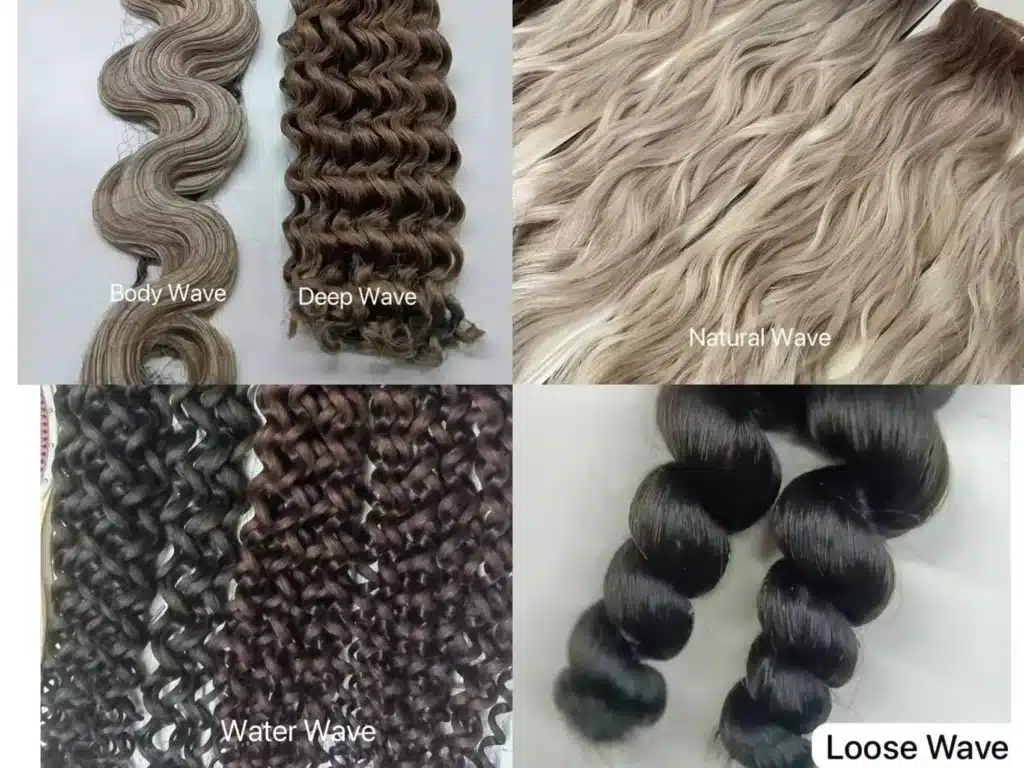
You should usually avoid straight extensions and choose curly or textured extensions instead if the customer wants wash-and-go wear, lives in humid conditions, has tighter curls, or does not want frequent heat styling.
Daily Natural Texture Usually Needs a Matching Texture
If the customer wants to wear her real curls most of the time, curly extensions are almost always the more logical option.
Humidity Makes Straight-on-Curly Blending Less Stable
The more the natural hair wants to revert, the more fragile the straight blend becomes.
Low-Maintenance Clients Usually Need Matching Texture, Not Forced Texture
A customer who does not want frequent restyling should not be given a plan that depends on frequent restyling.
| Customer Goal | Better Option |
|---|---|
| Daily straight look | Straight extensions can work |
| Daily natural curls | Curly extensions are better |
| Event styling only | Straight extensions may work |
| High humidity lifestyle | Curly extensions are safer |
| Low-maintenance routine | Curly extensions are better |
This is the most important practical judgment in the whole article. Straight extensions are not “wrong.” But they are often the wrong answer for the wrong lifestyle. If the customer wants a straight look and accepts the maintenance, fine. If the customer wants natural, easy, durable blending, then matching the curl usually makes much more sense than fighting the curl every day.
What Role Does Hair Quality Play in This Blend?
Hair quality matters a lot here because low-quality straight hair often exaggerates the mismatch instead of helping hide it.
High-quality straight extensions blend better with curly hair because better hair holds a smoother finish, reflects light more naturally, and handles repeated styling with less roughness and stiffness.
Better Hair Handles Styling Better
If the customer will be heat styling or reshaping often, weak hair usually declines faster.
Better Surface Feel Makes the Blend More Believable
Hair that looks too synthetic, too stiff, or too glossy makes the mismatch more obvious.
Repeated Styling Demands Better Raw Material
If the blend depends on regular smoothing work, the extension hair must tolerate that routine well. Hair irons and how heat changes hair shape during styling[^3]
| Quality Factor | Why It Helps the Blend |
|---|---|
| Better softness | More natural movement |
| Better heat tolerance | More stable styling result |
| Better surface texture | Less obvious mismatch |
| Better longevity | More reliable repeat styling |
This is why I would never recommend low-grade straight extensions for a curly blending job. That kind of service already asks a lot from the hair. Weak raw material usually makes the result look harder, drier, and more artificial much faster.
My View
From my point of view, the honest answer is this: yes, straight extensions can blend with naturally curly hair, but only under the right conditions.
If the client is willing to smooth the natural hair regularly, accepts more styling work, and wants a mostly straight finish, then the blend can work well. But if the client wants a natural curly lifestyle, low maintenance, and reliable day-to-day blending, then matching curly extensions are usually the smarter professional choice.
The biggest mistake is not using straight extensions. The biggest mistake is using them for the wrong goal.
Conclusion
Straight extensions can blend with naturally curly hair, but only when the natural hair is styled to match and the blend is planned carefully. For daily natural wear, matching textured extensions are usually the better solution.
[^1]: This resource explains that hair straightening changes hair pattern temporarily through heat and smoothing methods, which is why straight-on-curly blending needs ongoing styling.
[^2]: This resource outlines different hair integration systems, which helps explain why some extension methods offer more placement control than others.
[^3]: This resource explains how hair irons reshape hair with heat, which is relevant when the blend depends on repeated smoothing.