As a professional in the hair extension industry, you know that sourcing high-quality products is crucial to maintaining your business’s reputation and delivering the best service to your clients. Chinese hair extensions have gained widespread popularity, but do they meet the high standards required for professional salons and distributors? In this guide, we’ll explore whether Chinese hair extensions are a good fit for your business and clients.
Chinese hair extensions are highly regarded for their availability, durability, and cost-effectiveness, making them a popular choice in the industry. However, professionals must carefully assess key factors like hair quality, sourcing practices, and processing to ensure they are providing the best products. Let’s break it down.
Wondering if Chinese hair extensions are right for your salon or business? Let’s dive into the key advantages and potential drawbacks of Chinese hair extensions, and how to choose the best options for your specific needs.

Why Are Chinese Hair Extensions Popular in the Professional Market?
Chinese hair has become a staple in the hair extension industry for several reasons. Its availability, reliability, and adaptability make it a go-to choice for professionals seeking consistent, high-quality products. Here’s why Chinese hair stands out:
Key Benefits of Chinese Hair Extensions
High Availability and Consistent Supply
As the world’s largest producer of hair extensions, China offers a constant and reliable supply of hair. This ensures that businesses can source extensions easily and at competitive prices, which is crucial for both salons and wholesalers.
Durability and Longevity
Known for its strength and thickness, Chinese hair is durable and ideal for long-lasting extensions. When properly cared for, it can outlast many other types of hair. The highest-quality full cuticle hair available today comes from China, providing exceptional longevity and reliability for clients looking for extensions that offer both durability and value.
Variety of Options for Different Client Needs
China has a long history of producing high-quality hair extensions, with a wealth of experience, advanced technology, and continuous innovation.
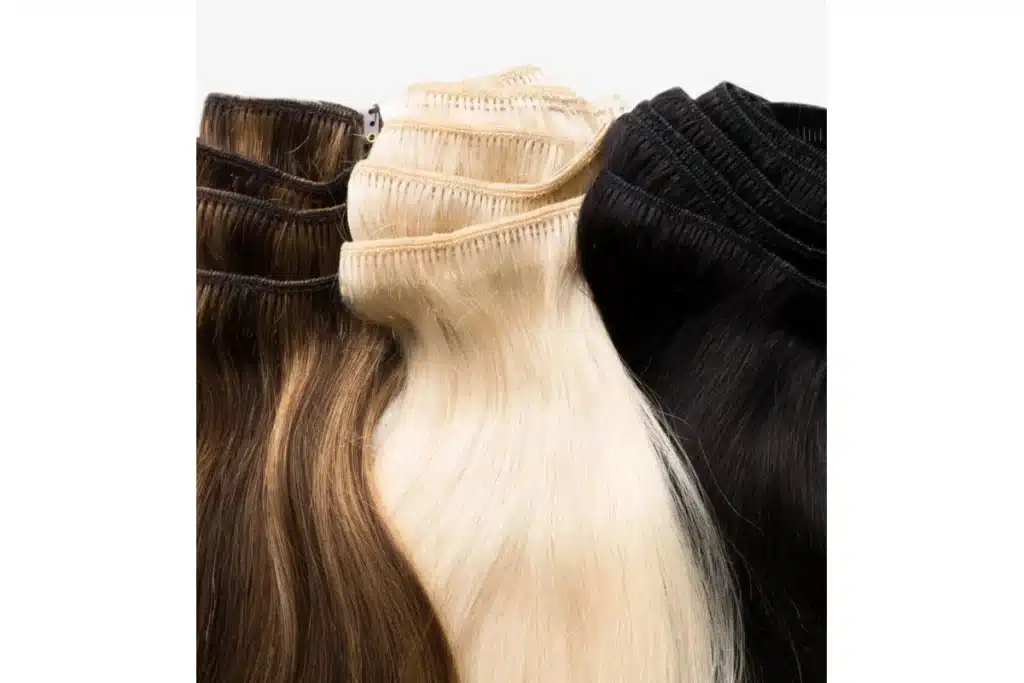
With a wide range of products on offer—such as Remy, non-Remy, and full cuticle hair—Chinese manufacturers can cater to the needs of various market segments. Additionally, the sheer variety of product types, from wefts and clip-ins to tape-ins and more, makes it easy to find solutions that match your clients’ preferences.For salon buyers comparing product types, our hair weft extensions page explains common weft structures and buying options.
What Are the Drawbacks of Chinese Hair Extensions?
While Chinese hair extensions are a strong contender in the market, there are some considerations you need to be aware of before making a purchase.
1. Not Always 100% Virgin Hair or Remy Hair
Many Chinese hair extensions are marketed as “virgin hair,” or “Remy” hair, but not all of them are truly unprocessed. Some hair may have been chemically treated to alter its texture or color. If you’re working with high-end clients or focusing on specific salon services, it’s essential to ensure the hair is truly 100% virgin and free from chemical processing. Always verify the sourcing and processing methods before purchasing.
2. Less Softness Compared to Other Hair Types
Chinese hair is generally thicker and more robust than hair from other regions, which means it may lack the softness or finer texture found in Brazilian or European hair. If your clients prefer hair that feels silky or lightweight, you might want to explore other sourcing options.
3. Rising Production Costs
As labor costs in China rise, the price of Chinese hair extensions has also increased. While it remains a more affordable option compared to European or Brazilian hair, Chinese hair prices may now be closer to these premium options, so be mindful of how rising costs may affect your pricing structure.

Full Cuticle vs Remy vs Non-Remy Chinese Hair
| Hair Type | Cuticle Condition | Typical Lifespan | Buyer Risk |
|---|---|---|---|
| Full Cuticle Hair | Cuticles intact and aligned | 1–2 years with proper care | Higher cost, needs real supplier testing |
| Remy Hair | Direction usually aligned, but processing varies | 4–6 months | Quality is inconsistent between suppliers |
| Non-Remy Hair | Mixed direction or heavily processed | 1–3 months | Higher tangling, matting, and complaint risk |
For premium salons and hair brands, full cuticle hair is usually the safer long-term choice. It costs more, but it reduces the risk of returns, tangling complaints, and unstable repeat orders.
If you want to understand this quality difference in more detail, read our guide to full cuticle hair.
How to Test Chinese Hair Extensions Before Bulk Orders
Do not judge Chinese hair extensions only by first-touch softness. Silicone coating can make weak hair feel smooth in the package.
| Sample Test | What to Check |
|---|---|
| Wash test | Does the hair stay soft after shampooing? |
| Comb test | Does it tangle after drying? |
| Cuticle direction test | Does the hair feel rough when rubbed upward? |
| Color stability test | Does the color bleed or fade after washing? |
| Heat styling test | Does the hair become dry or brittle? |
| Reuse test | Does the hair still perform after several wears? |
A real sample test should include washing, brushing, drying, styling, and checking the hair again after the coating is gone.
How to Choose the Best Chinese Hair Extensions for Your Salon or Business
If you’ve decided that Chinese hair extensions are right for your business, there are several important factors to consider to ensure you’re sourcing the best product for your clients.
1. Know Your Desired Hair Type and Application Method
Start by identifying the type of hair extension your clients need. Whether it’s Remy, non-Remy, or full cuticle hair, each has its own set of benefits. Additionally, choose the right application method—tape-ins, clip-ins, micro-beads, or wefts—that suits your clients’ preferences and delivers the best comfort, durabilit y, and ease of use.
2. Understand the Different Grades of Chinese Hair
Chinese hair is available in various grades, each offering different quality and longevity. Remy hair is the highest quality, where the cuticles are intact and aligned, preventing tangling. Non-Remy hair may be cheaper, but it’s more prone to tangling and matting. For the best results, consider opting for full cuticle hair, which offers superior quality and durability.
3. Ensure Ethical Sourcing and Quality Guarantees
As a professional, you need to ensure that the hair you purchase is ethically sourced and processed. Choose suppliers who offer transparency about their sourcing practices and provide guarantees on the authenticity of their products. Always ask for documentation to confirm the quality of the hair you’re purchasing.
4. Evaluate Price vs. Quality
While Chinese hair extensions are often more affordable, it’s important to ensure you’re getting the best value for your investment. Be cautious with very low-cost hair, as it may result in poor performance, such as tangling, shedding, or a short lifespan. High-quality extensions, while more expensive, offer better long-term results and greater client satisfaction.

FAQs About Chinese Hair Extensions
Is Chinese hair extensions good?
Yes, Chinese hair extensions can be good when the hair is properly sourced, sorted, processed, and tested. The country label alone does not prove quality.
Is Chinese hair better than Indian or European hair?
Not always. Chinese hair is usually stronger and thicker. Indian or European hair may feel softer or finer. The better choice depends on client hair type and salon positioning.
What is the best grade of Chinese hair extensions?
Full cuticle Chinese hair is usually the best option for premium salons and hair brands because it has better longevity, lower tangling risk, and stronger reuse value.
How long do Chinese hair extensions last?
Non-Remy hair may last 1–3 months, Remy hair often lasts 4–6 months, and full cuticle hair can last 1–2 years with proper care.
How can I test Chinese hair quality?
Wash the sample, dry it, brush it, heat style it, and check tangling, shedding, color stability, and softness after the coating is removed.
For a general explanation of hair extension methods, you can refer to this neutral overview of artificial hair integrations.

Conclusion
Conclusion
Chinese hair extensions can be good, but only when the supplier controls hair source, cuticle direction, processing, color stability, and sample-to-bulk consistency.
Low-cost Chinese hair may look soft at first but fail after washing or repeated wear. For salons and hair brands, the safest choice is to test samples before bulk ordering.
If you are comparing suppliers, focus on full cuticle condition, tangling after washing, color stability, shedding control, and whether the bulk order matches the approved sample.
Hibiscus Hair Manufacturer has been dedicated to producing high-quality hair extensions for 25 years and is a recognized leader in the industry. If you are interested in finding a reliable hair extensions supplier and wholesale for your brand, please visit our website for more information: