Butterfly weft orders can fail when a salon buys the product name without checking the actual seam, cutting rule, weight, and row method.
Butterfly weft hair extensions should be compared by seam construction, thickness, cutability, grams, width, return hair, and installation fit. Buyers should inspect a physical sample and test the planned cut and row before approving salon stock.
Suppliers may describe butterfly constructions differently. The specification and sample must control the decision, not the name alone.
What Should Buyers Confirm About Butterfly Weft Construction?
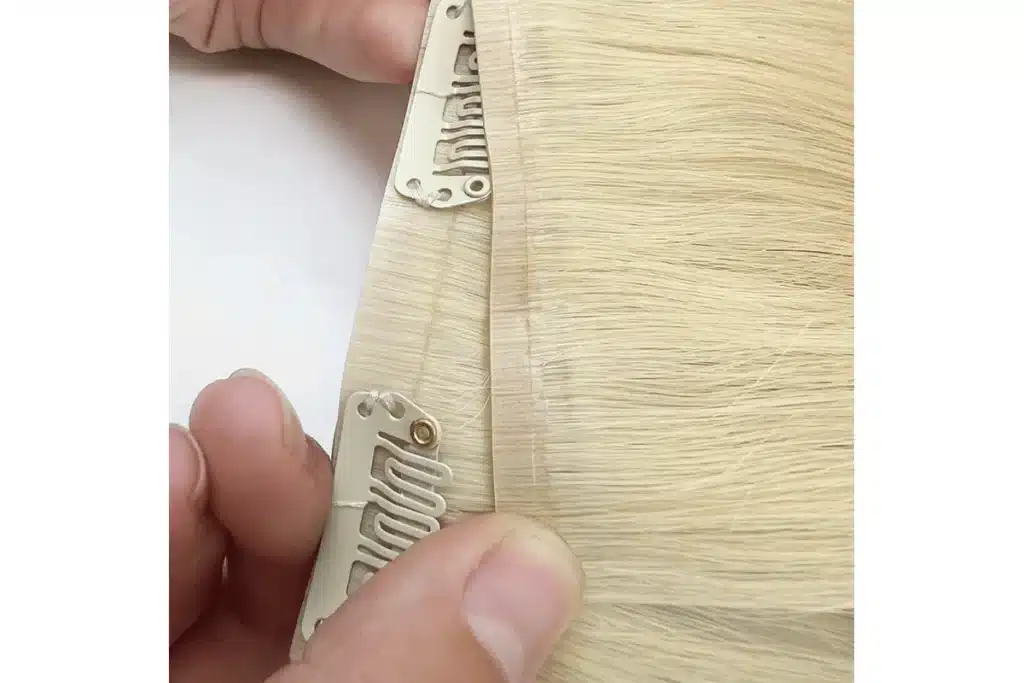
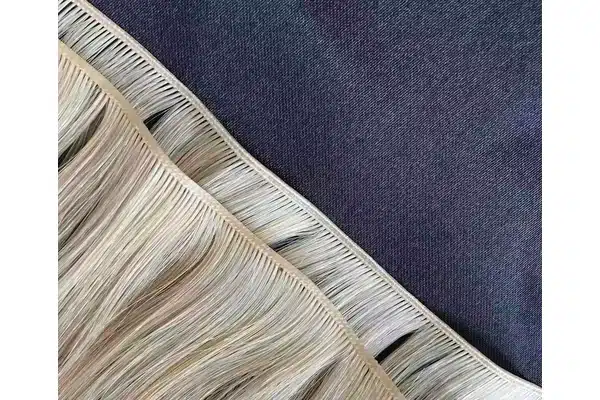
Buyers should confirm how the top is formed, whether it is folded or reinforced, its measured thickness, and the supplier’s cutting instructions.
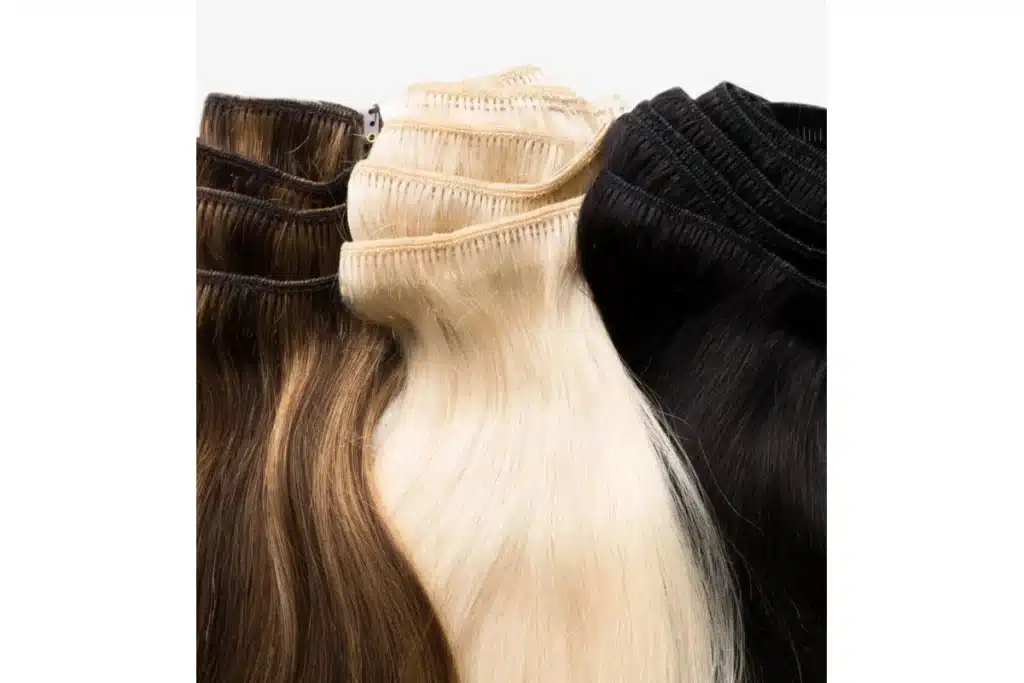
A thin-looking edge can still feel firm when several layers are stacked. Buyers should open the full width and measure more than one point. Short return hairs should also be checked for stiffness and direction because they can affect comfort near the row.
The hair weft collection shows the wider construction category. Butterfly weft should be compared with machine, hand tied, and genius-style options using the same measurements.
| Parameter | Sample check | Salon consequence |
|---|---|---|
| Seam profile | Measure thickness and stiffness across the width | Affects concealment and row feel |
| Cutability | Confirm cutting rule and edge treatment | Controls customization options |
| Grams per width | Record full-weft weight and planned row weight | Affects volume and tension |
| Return hair | Check length, softness, and direction | Can affect comfort and tangling |
Share the row method, target lengths, grams, widths, and cutting plan before approving production.
Request a butterfly weft reviewCan Butterfly Weft Be Cut Safely?
Some constructions may allow cutting, but salons should never assume that every butterfly weft follows the same rule.
The supplier should explain where cutting is allowed and whether the edge needs sealing. The salon can cut one approved sample to the shortest intended width, then wash and brush it beside an uncut control. This shows whether the edge loosens or sheds.
In factory communication, we often receive a request for a “cuttable flat weft” without the shortest required piece. We ask for the row map first. A construction that performs as one long back row may behave differently when divided into narrow side pieces.
Which Clients May Fit Butterfly Weft?
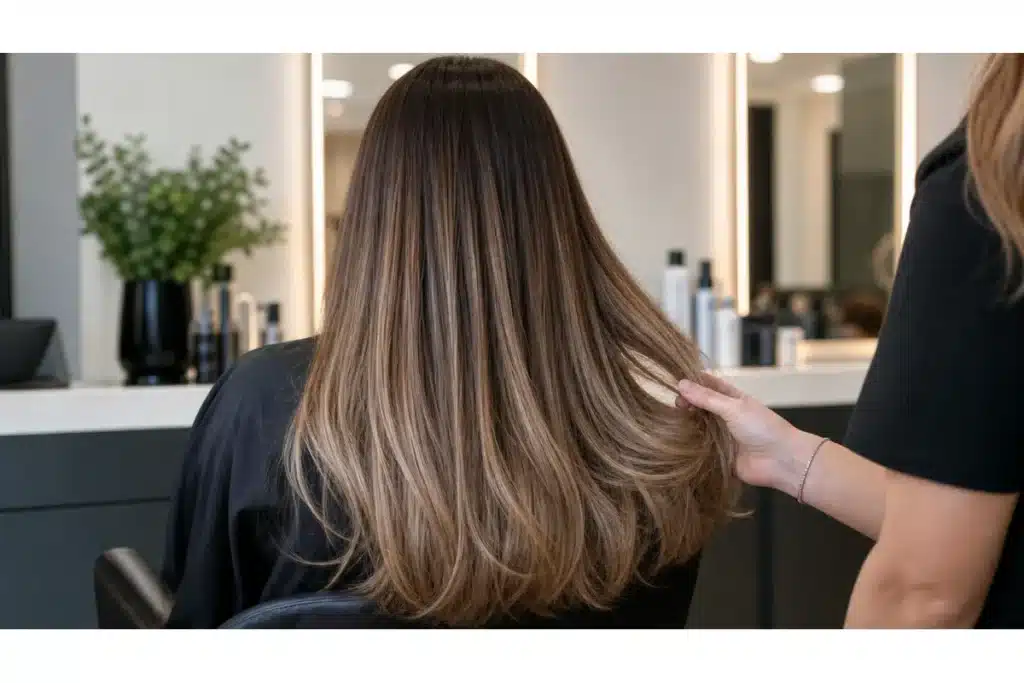
Butterfly weft may fit clients whose natural density can support the planned row and whose salon service benefits from its specific seam and customization options.
The stylist should check density at the row, leave-out coverage, scalp sensitivity, lifestyle, and maintenance history. A flat product does not automatically mean a light installation. Total grams and stacked layers still control weight.
The American Academy of Dermatology warns that styles that pull can contribute to hair loss. [1] Row tension, placement, maintenance timing, and client comfort should remain part of the consultation.
What Should Wholesale Buyers Test Before Ordering?
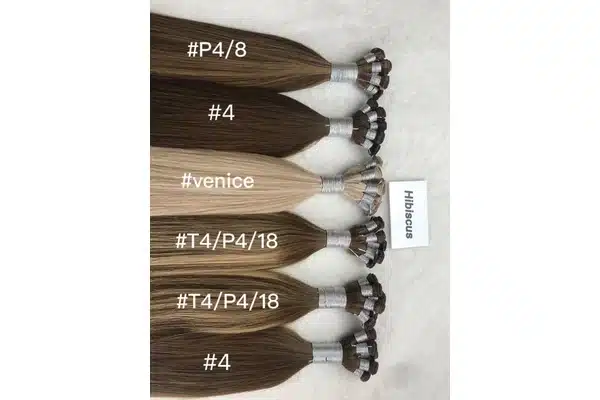
Buyers should test seam consistency, cut-edge behavior, grams, shedding, tangling, end density, color, and wash response on the target length.
The wholesale weft sample guide provides a practical approval sequence. Buyers should keep a labeled sample with seam measurements and photos so later production can be compared with the same standard.
A clinical review describes traction alopecia as hair loss caused by prolonged or repetitive tension. [2] This supports testing the planned row weight on suitable hair instead of judging safety from seam thickness alone.
How Does Butterfly Weft Compare With Genius Weft?
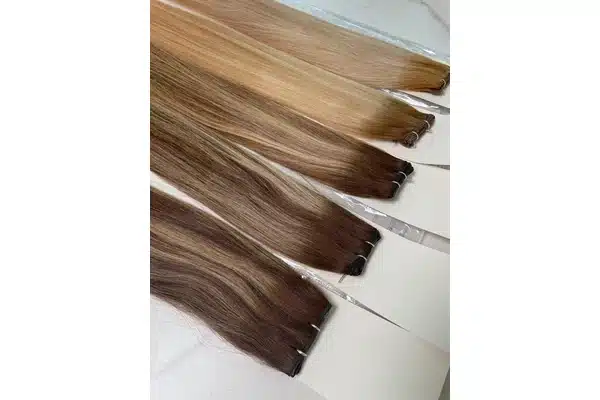
Both may be marketed for lower-profile rows, but actual seam structure, cutting behavior, grams, and supplier instructions can differ.
The genius weft versus butterfly weft guide explains the service-level comparison. Buyers should request both physical samples when the terms are unclear and test them under the same row plan.
My View
From our factory perspective, butterfly weft should be treated as a construction specification, not a promise. We usually ask buyers for the installation method, shortest planned piece, target grams per row, and client density before recommending a sample. The buyer should measure the top, inspect the return hair, and test any approved cutting process. Several thin layers can still create a firm row, so the complete stack matters more than one loose strip. A retained sample also helps with repeat orders because suppliers may use similar product names for different structures. The safer choice is the weft whose construction, cutting rule, and tolerance can be explained and tested clearly.
Frequently Asked Questions
Is butterfly weft always cuttable?
No. Confirm the exact supplier instruction and test a sample before cutting the product used for a client.
Is butterfly weft suitable for fine hair?
It can fit some clients, but density, row weight, placement, coverage, and maintenance matter more than the name.
Can butterfly weft be stacked?
Some installations use stacked layers. The stylist must calculate total weight and confirm that the row stays comfortable and covered.
What sample length should buyers test?
Test the longest core length and the construction the salon plans to sell because weight and end density can change with length.
Conclusion
Butterfly weft hair extensions should be approved by measured seam, cutting behavior, row weight, and client fit. A controlled sample test is the clearest basis for salon and bulk decisions.