Hair toppers and hair extensions can both make thinning hair look fuller, but they are not designed for the same problem.
A hair topper is usually better when the client has thinning on the crown, part line, or top area. Hair extensions are better when the client mainly wants more length, fuller ends, or extra volume through the sides and back.
For salons, stylists, and hair brands, the right choice depends on the thinning area, natural hair strength, attachment comfort, and the final look the client wants.
Choosing the wrong option can create bulk, expose attachment points, or add too much tension to fragile hair.
Quick Answer: Hair Topper or Hair Extensions for Thinning Hair?
| Client Concern | Better Option | Why |
|---|---|---|
| Thin crown area | Hair topper | Covers the top area directly |
| Wide part line | Hair topper | Adds coverage where extensions cannot |
| Visible scalp on top | Hair topper | Provides targeted top coverage |
| Thin ends | Hair extensions | Adds fullness to the lower hair |
| Client wants longer hair | Hair extensions | Extensions are designed for length and volume |
| Fine but healthy natural hair | Low-tension extensions or lightweight topper | Reduces pressure on natural hair |
| Thin crown and thin ends | Topper + light extensions | Balances top coverage and lower volume |
The simple rule is this: choose a topper for top coverage, and choose extensions for length or lower-hair volume.
What Is a Hair Topper?
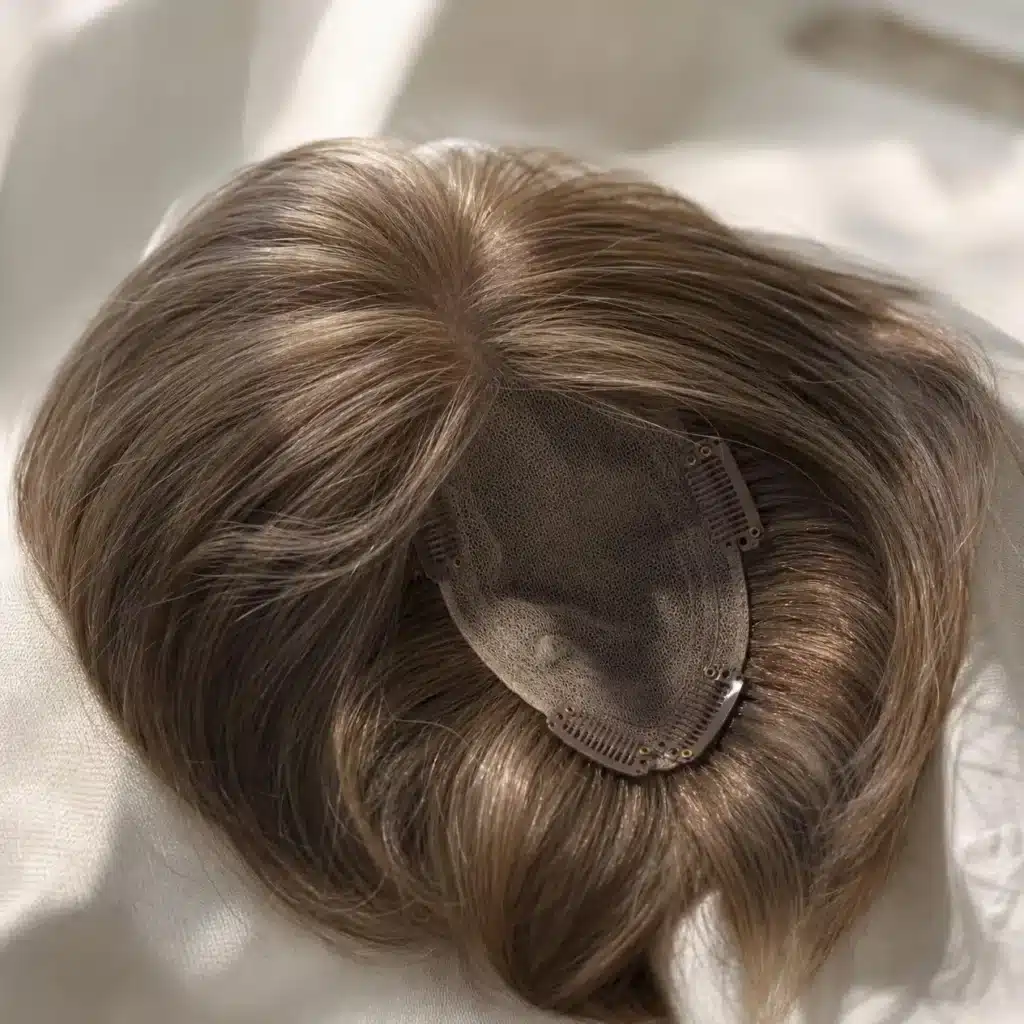
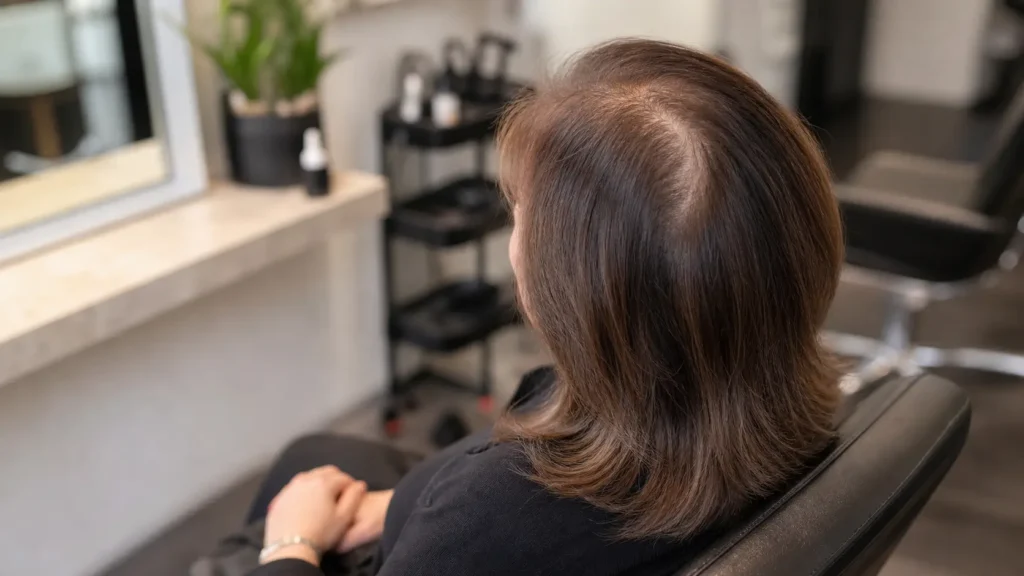
A hair topper is a partial hairpiece made to cover thinning areas on the top of the head.
It is often used for crown thinning, a wider part line, or low density near the top. Unlike a full wig, a topper blends with the client’s existing hair.
This makes the base size, hair density, color, texture, and attachment method very important.
If the topper is too dense, it may look unnatural. If the base is too small, it may not cover the thinning area properly.
For professional salon use, a topper should be selected after checking:
- The client’s thinning area
- Natural hair density
- Scalp visibility
- Hair color and undertone
- Texture and wave pattern
- Clip placement comfort
- Daily styling habits
The goal is not to create the thickest look possible.
The goal is to create believable coverage.
What Are Hair Extensions?
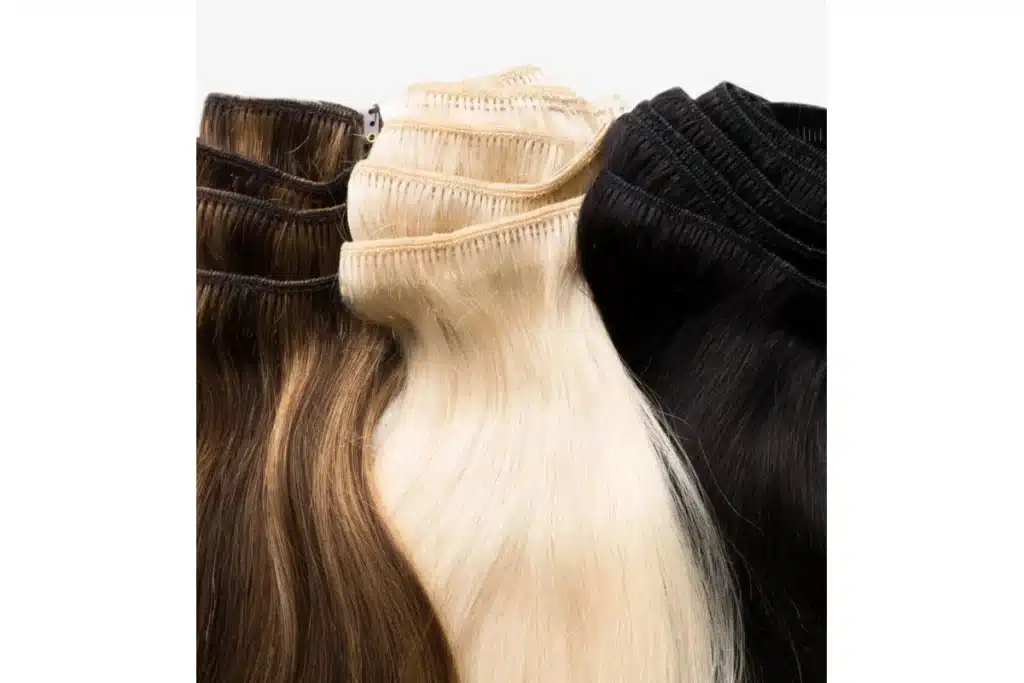
Hair extensions are added to natural hair to create more length, volume, or thickness.
They can be installed with different methods, including wefts, tape-ins, keratin bonds, I-tips, nano extensions, or clip-ins. Each method has a different attachment style and tension level.
Extensions work best when the client still has enough healthy natural hair to support the added hair.
They are not designed to cover visible scalp on the crown or top area.
This is where many clients misunderstand the difference. Extensions can make thin ends look fuller, but they will not solve a wide part line or visible scalp on top.
For thinning hair clients, attachment weight matters. Heavy extensions or tight installations may create extra pressure on fragile hair. Repeated pulling from tight styles or extensions can contribute to traction-related hair loss, so low-tension product selection is important for vulnerable clients.[1]
Hair Topper vs Hair Extensions: Main Differences
| Feature | Hair Topper | Hair Extensions |
|---|---|---|
| Main Purpose | Covers thinning on top | Adds length and volume |
| Best Area | Crown, part line, top area | Sides, back, mid-lengths, ends |
| Scalp Coverage | Yes | No |
| Adds Length | Limited | Yes |
| Best For | Visible thinning or low density on top | Thin ends or short hair |
| Attachment | Usually clips or professional base systems | Wefts, tape-ins, bonds, tips, or clips |
| Main Risk | Base visibility or clip pressure | Tension, slippage, or poor placement |
| Buyer Focus | Base quality, density, color match | Hair quality, attachment method, weight |
A topper solves coverage.
Extensions solve length and lower-hair volume.
Once the client’s thinning pattern is clear, the product direction becomes much easier.
When Is a Hair Topper Better for Thinning Hair?
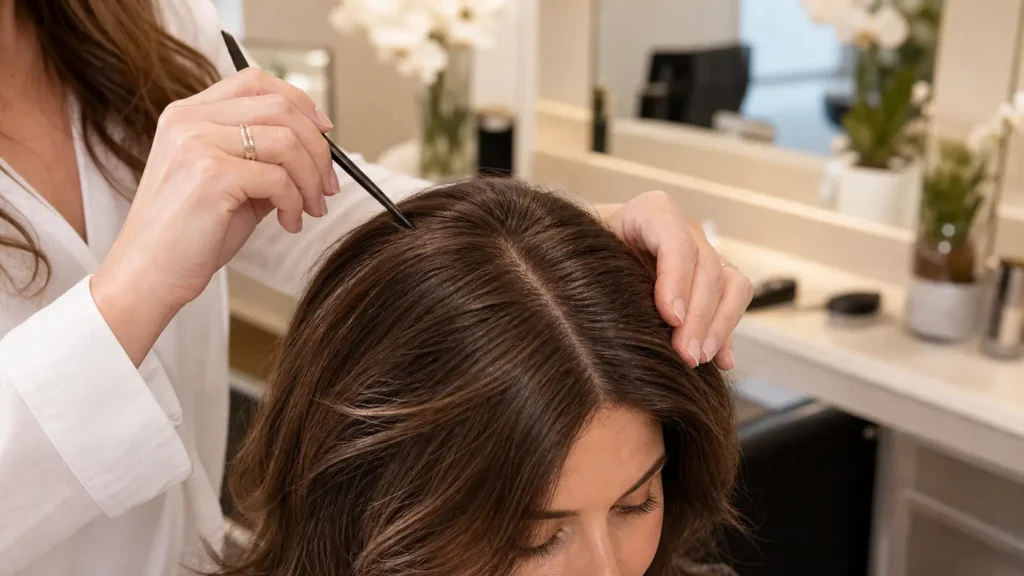
A hair topper is usually better when the thinning is concentrated on the top of the head.
This includes:
- A wider part line
- Flat crown area
- Visible scalp on top
- Thinning near the front or crown
- Low density that cannot be hidden with styling
- Clients who need coverage more than length
For these clients, extensions may not solve the real issue. They can make the lower hair look fuller while the top still looks thin.
That often makes the imbalance more obvious.
A topper gives direct coverage where the client needs it most. But it must be matched carefully. The density should not be too heavy for the client’s natural hair.
For thinning hair, natural-looking density usually works better than dramatic density.
When Are Hair Extensions Better for Thinning Hair?
Hair extensions are better when the client’s crown and part line still have enough coverage, but the sides or ends look thin.
This is common after breakage, over-processing, postpartum shedding recovery, or years of heat styling.
Extensions can help with:
- Thin ends
- Short hair that needs length
- Uneven lower-hair density
- Lack of side volume
- Clients who want a fuller salon finish
The extension method should match the client’s natural hair strength.
For fine or thinning hair, lightweight and low-tension options are usually safer. Heavy wefts, tight rows, or too much added hair can create discomfort and stress.
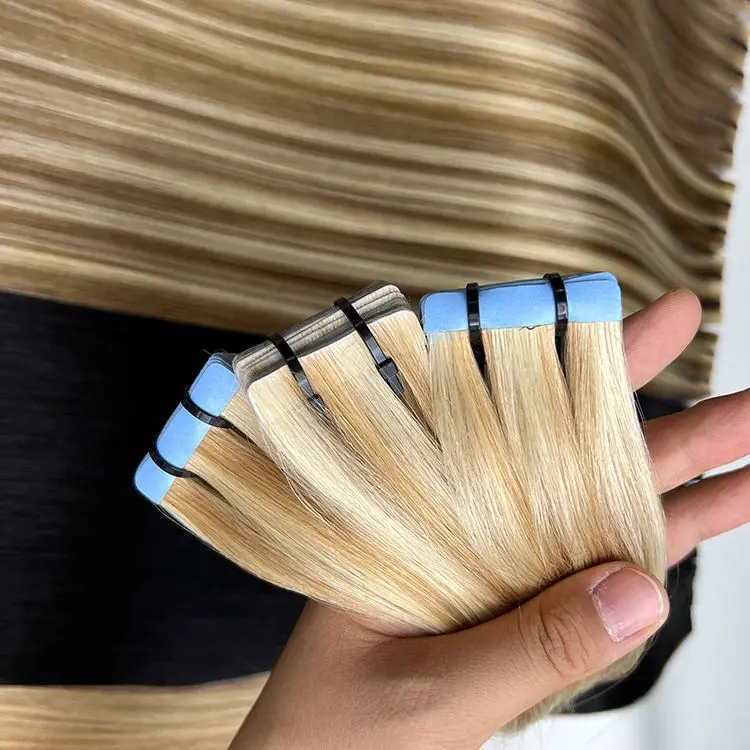
Professional tape-in hair extensions may work well for some fine-haired clients when installed correctly, but they are not suitable for every thinning case.
If the natural hair is weak, shedding heavily, or breaking near the root, the stylist should pause and recommend professional consultation before installing extensions. Hair loss can come from different causes, including genetics, hormones, medical conditions, stress, and medications, so product choice should not replace proper diagnosis when shedding is active or unusual.[2]
Can Clients Use Both a Hair Topper and Hair Extensions?
Yes, some clients need both.
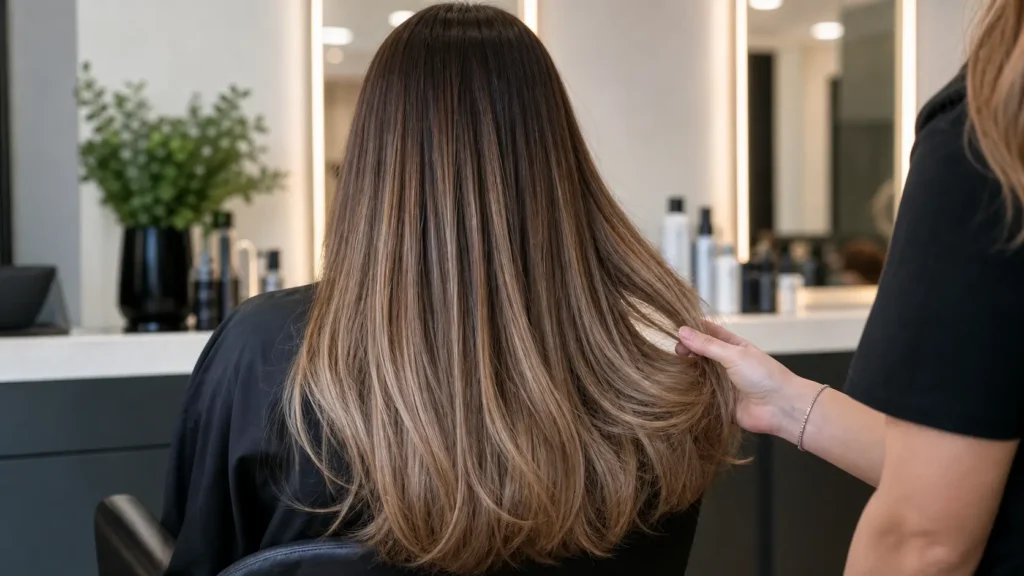
This is common when the crown area is thin and the lower hair is also sparse. A topper can add coverage on top, while extensions add fullness through the lower hair.
But the combination needs careful planning.
If the topper is too dense and the extensions are too light, the result may look uneven. If the extensions are too heavy, they may add stress to already fragile natural hair.
For salons, the better process is:
- Start with scalp coverage needs
- Choose the right topper base size and density
- Add extensions only where the natural hair can support them
- Keep weight low around fragile areas
- Check the blend after washing and styling
Product Selection Guide for Salons and Hair Brands
For professional buyers, thinning hair clients need a more careful product match than standard extension clients.
| Client Type | Recommended Product Direction | Why |
|---|---|---|
| Thin crown, healthy ends | Hair topper | Covers the top without adding unnecessary lower weight |
| Good crown, thin ends | Hair extensions | Adds fullness where the client actually needs it |
| Thin crown and thin ends | Topper + light extensions | Balances top coverage and lower volume |
| Fine but healthy hair | Lightweight extensions | Reduces bulk and pulling |
| Fragile or shedding hair | Professional consultation first | Avoids adding stress too early |
| Premium salon client | Full cuticle human hair | Supports smoother blending and long-term wear value |
For salon clients with thinning hair, hair quality matters more than many buyers expect.
Low-quality hair may become dry, puffy, or tangled after a few washes. This makes blending harder, especially when the client’s own hair is fine.
Premium full cuticle hair is usually a better direction for professional buyers who need smoother movement, better texture match, and higher client satisfaction.
What Should Stylists Check Before Recommending a Product?
Before recommending a topper or extensions, stylists should check the client’s real hair condition.
Do not start with the product.
Start with the hair.
Check these points first:
- Where the thinning is located
- Whether the scalp is visible
- Whether the hair can support clips or extension attachments
- Density around the crown and sides
- Breakage level
- Shedding level
- Desired length
- Styling habits
- Comfort with clips, tapes, bonds, or wefts
This avoids the most common mistake: selling extensions to a client who actually needs top coverage.
It also avoids the opposite mistake: recommending a topper when the client only needs fuller ends.
A good consultation protects the client and the salon.
Common Mistakes When Choosing Products for Thinning Hair
The first mistake is choosing too much density.
Clients with thinning hair often want a big change. But if the added hair is much thicker than their natural hair, the result can look fake.
The second mistake is ignoring tension.
Fragile hair cannot hold the same weight as strong, dense hair. Heavy installations may create discomfort or make shedding concerns worse.
The third mistake is matching only the color.
Color is important, but texture, density, length, and movement matter just as much.
The fourth mistake is skipping sample testing.
For salons and hair brands, samples are not only for checking color. They help you test softness, shedding, tangling, washing performance, and blend quality.
If you are sourcing for salon clients, you can request samples or wholesale recommendations before placing a larger order.
FAQ
Are hair toppers better than extensions for thinning hair?
Hair toppers are better for thinning on the crown, part line, or top area. Extensions are better for adding length and fullness to the sides and ends.
Can hair extensions cover thinning on top?
No. Extensions do not properly cover visible scalp on the top of the head. A hair topper is usually a better option for that concern.
Are hair toppers comfortable for daily wear?
They can be comfortable when the base size, density, and clip placement are correct. If the client has fragile hair, the stylist should check whether clips create too much pressure.
What extensions are best for fine or thinning hair?
Lightweight, low-tension extensions are usually better. The right choice depends on the client’s natural density, root strength, and desired result.
Should salons stock both toppers and extensions?
Yes, if the salon serves thinning hair clients. Toppers and extensions solve different problems, so having both options makes consultation more accurate.
Conclusion
Hair toppers and hair extensions are both useful for thinning hair, but they are not interchangeable.
Choose a hair topper when the client needs coverage on the crown, part line, or top area. Choose hair extensions when the client needs more length, fuller ends, or extra volume through the lower hair.
For professional buyers, the best result comes from careful consultation, low-tension product selection, and high-quality human hair that blends naturally after real wear.
If you are sourcing premium hair toppers or extensions for salon clients, you can contact Hibiscus Hair for samples, wholesale pricing, or product recommendations.