Many clients ask this question before buying hair extensions. One pack sounds simple. But it is not a clear buying standard.
Different brands and factories use different packaging. One pack may be 25g, 50g, 100g, or 200g. So a salon should not judge by pack count only.
One pack of hair extensions may be enough or not enough. The real answer depends on total grams, client hair density, target length, extension method, and final fullness. A professional buyer should always check grams first.
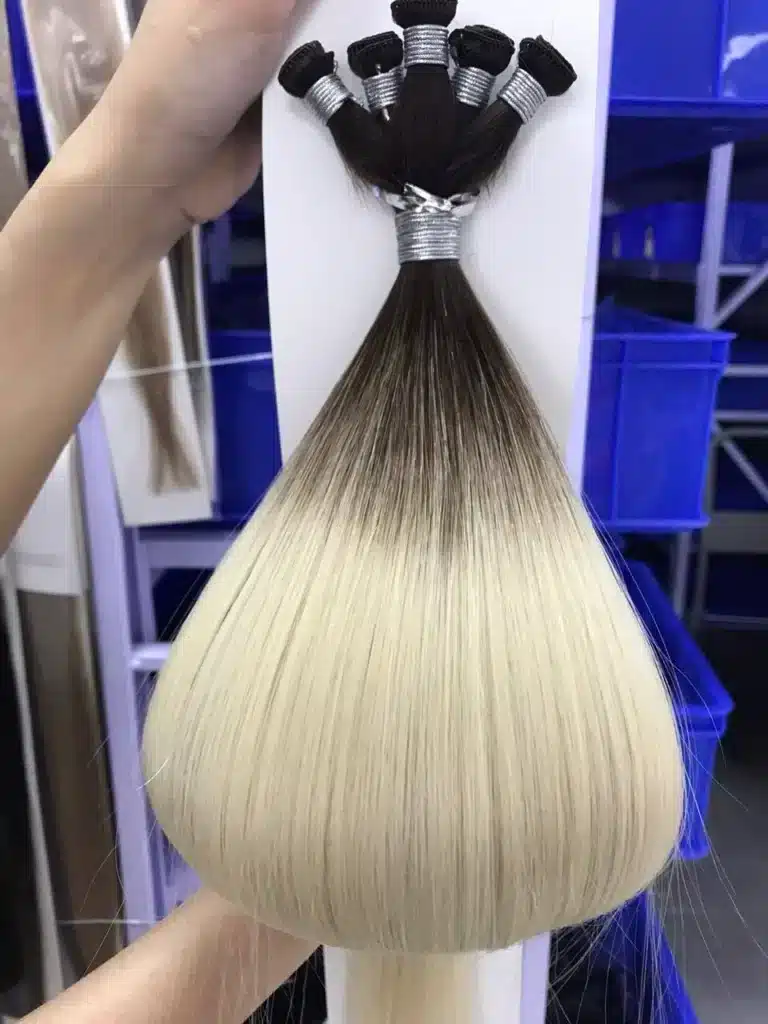
From my factory view, “one pack” is only a packaging unit.
A salon should not ask only, “Is one pack enough?”
A salon should ask, “How many grams does this client need?”
Why One Pack Is Not a Reliable Standard
Many buyers compare products by pack count. This can create wrong decisions.
One pack is not a fixed amount. One factory may pack 25g. Another factory may pack 50g, 100g, or 200g. So pack count alone cannot tell you if the hair is enough.

Different Brands Use Different Pack Weights
A retail brand may sell one pack as 25g. Another supplier may sell one pack as 50g. A factory may sell wholesale wefts as 100g or 200g per pack.
So “one pack” can mean very different amounts of hair.
Grams Matter More Than Packs
A 25g pack and a 100g pack are not the same.
A 25g pack may only work for a small fill-in. A 100g pack may work for light or standard volume on fine hair. A 200g pack may support a fuller result.
Price Should Also Be Compared by Grams
A cheaper pack may not be cheaper in real value.
If one pack is 25g and another pack is 100g, the price cannot be compared directly. A professional buyer should compare price per gram, not only price per pack.
| Pack Weight | Common Use |
|---|---|
| 25g | Sample, small fill-in, color accent |
| 50g | Light volume or partial service |
| 100g | Common starting point for full-head use |
| 150g | Fuller result or medium-thick hair |
| 200g | Thick hair, long length, or luxury full result |
A salon should check the real gram weight first. This protects the final result and avoids under-ordering.
Is One Pack Enough for a Full Head?
Many clients want a clear answer. But the pack weight changes the answer.
One 25g or 50g pack is usually not enough for a full head. One 100g pack may work for fine hair or light volume. Thick hair, long lengths, and full luxury results usually need more grams.

Fine Hair May Need Less
Fine hair may need less hair. But the stylist still needs to control weight.
Too much hair can pull on the natural hair. Too little hair may not create enough fullness.
Medium Hair Usually Needs More Than One Small Pack
Medium-density hair usually needs more than 25g or 50g.
A salon may need around 100g to 150g, depending on the length and method.
Thick Hair Needs More Grams
Thick hair usually needs more hair to blend well.
If the client has thick natural ends, one small pack can look thin. The result may look unfinished.
| Client Hair Type | General Gram Range |
|---|---|
| Fine hair, light volume | 50g–100g |
| Fine hair, full head | 80g–120g |
| Medium hair, full head | 100g–150g |
| Thick hair, full head | 150g–200g+ |
| Long luxury result | 180g–250g+ |
These numbers are general salon guide ranges. The final amount still depends on the client’s hair, head size, haircut, method, and target result.
Hair Extension Gram Guide by Length and Fullness
The same grams do not create the same look at every length.
Shorter extensions usually look fuller with the same grams. Longer extensions need more grams because the hair weight spreads through more length.
%hair extension gram guide by length and fullness
| Extension Length | Light Volume | Standard Fullness | Extra Full / Luxury Result |
|---|---|---|---|
| 14 inch | 50g–80g | 100g–120g | 140g–160g |
| 16 inch | 80g–100g | 120g–140g | 160g–180g |
| 18 inch | 100g–120g | 140g–160g | 180g–200g |
| 20 inch | 120g–140g | 160g–180g | 200g–220g |
| 22 inch | 140g–160g | 180g–200g | 220g–240g |
| 24 inch | 160g–180g | 200g–220g | 240g–260g |
| 26 inch | 180g–200g | 220g–240g | 260g–280g |
| 28 inch | 200g–220g | 240g–260g | 280g–300g |
| 30 inch | 220g–240g | 260g–280g | 300g+ |
This table is a general guide. The final amount still depends on natural density, haircut, head size, extension method, and target result.
For example, one 100g pack may look enough at 16 inches for light fullness. But one 100g pack is usually not enough for a full 24-inch or 26-inch transformation.
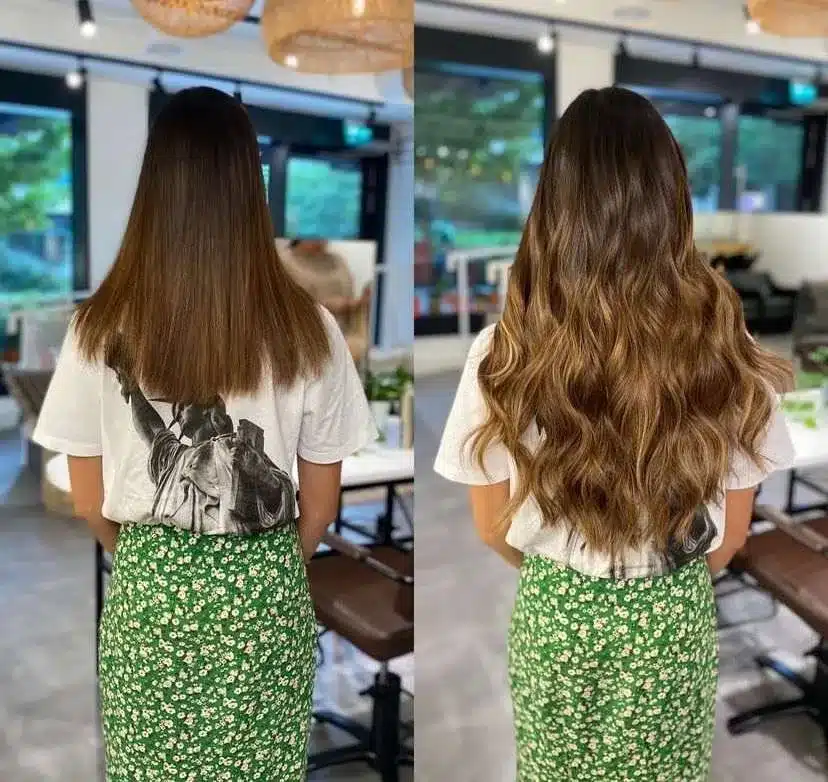
How Extension Method Changes the Amount Needed
Different methods use different packing systems. This can confuse buyers.
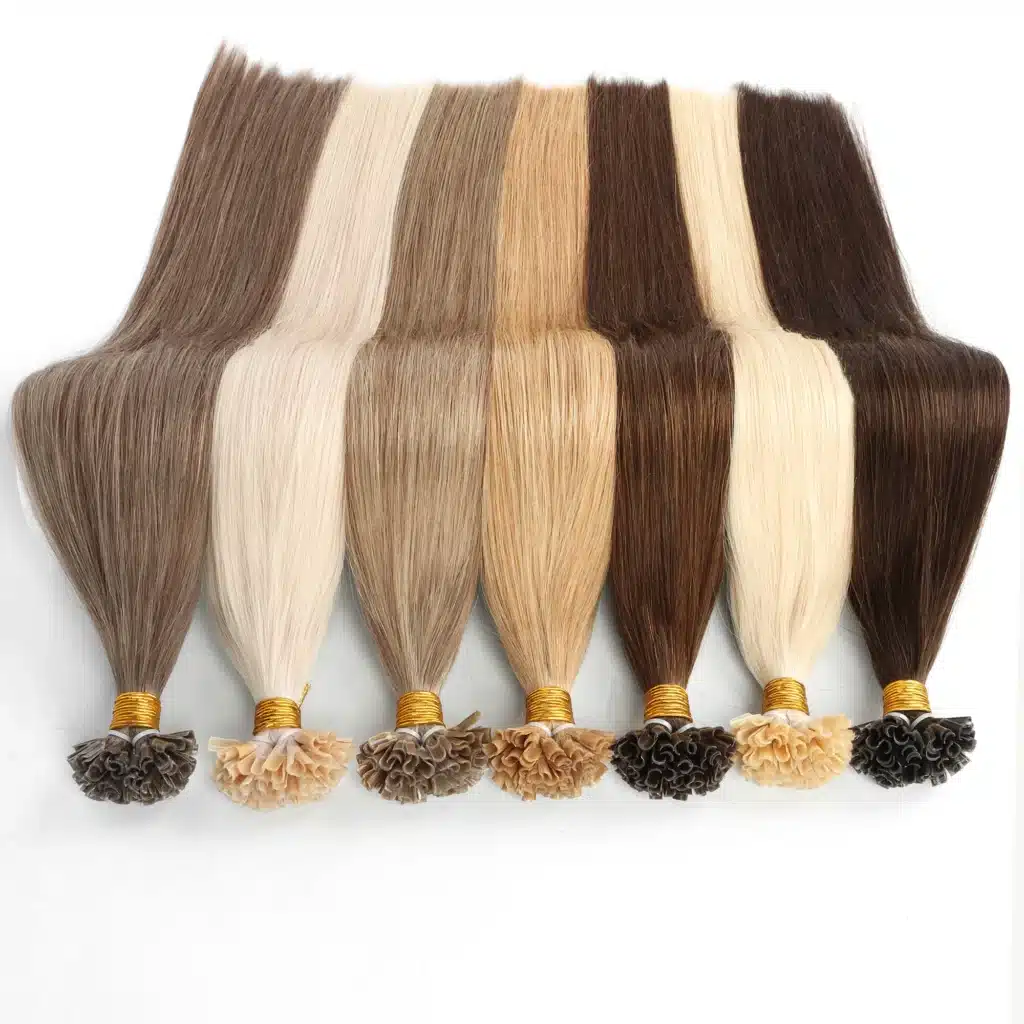
The right amount depends on the method. Tape ins, wefts, I tips, U tips, clip ins, and halo extensions should all be converted into total grams before buying.
Tape In Hair Extensions
Tape ins may be sold by pieces, pairs, packs, or grams.
One pack may contain 20 pieces, 40 pieces, or another quantity. But the most important number is still total grams.
A salon can review our tape in hair extensions options before choosing tape size, hair weight, and salon service direction.
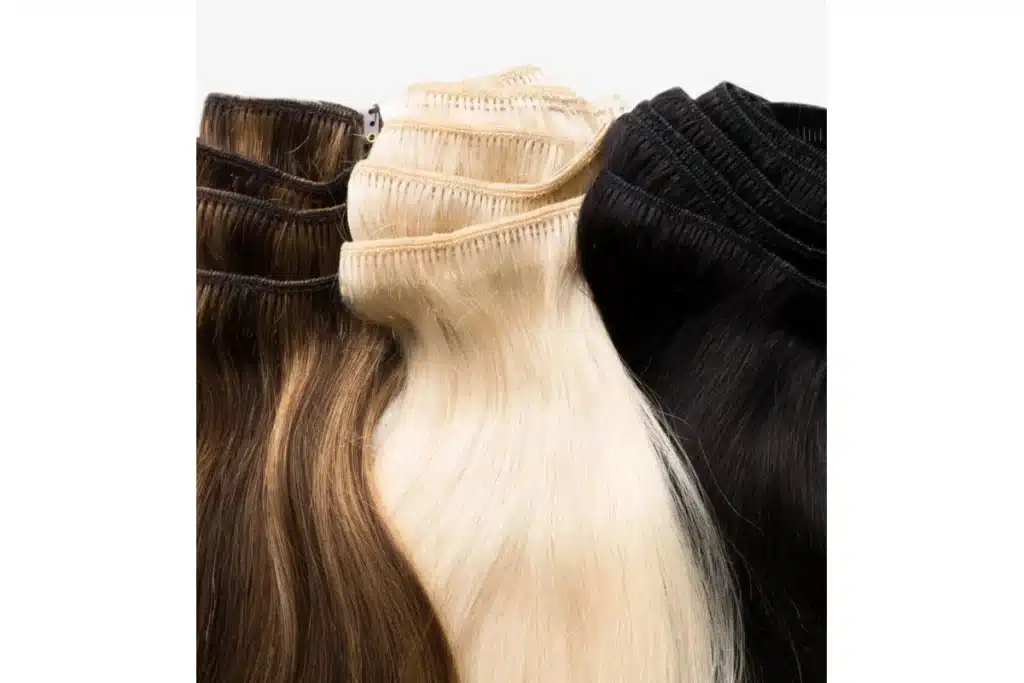
Weft Hair Extensions
Wefts are easier to plan by grams.
A stylist can choose 100g, 150g, 200g, or more based on the client’s hair.
Professional buyers can compare our weft hair extensions when planning full-head salon services.
I Tip and U Tip Hair Extensions
I tip and U tip extensions are often counted by strands.
But strand count can mislead buyers.
If one strand is 1g, then 100 strands equals 100g. If one strand is 0.5g, then 100 strands equals only 50g.
| Method | Do Not Judge Only By | Better Standard |
|---|---|---|
| Tape ins | Pieces or packs | Total grams |
| Wefts | Bundles or packs | Total grams |
| I tips | Strand count | Strand grams + total grams |
| U tips | Strand count | Strand grams + total grams |
| Clip ins | Number of clips | Full set weight |
| Halo hair | One piece | Total grams and fit |
A professional buyer should ask for a clear specification sheet. It should show weight, pieces, length, color, texture, and recommended use.
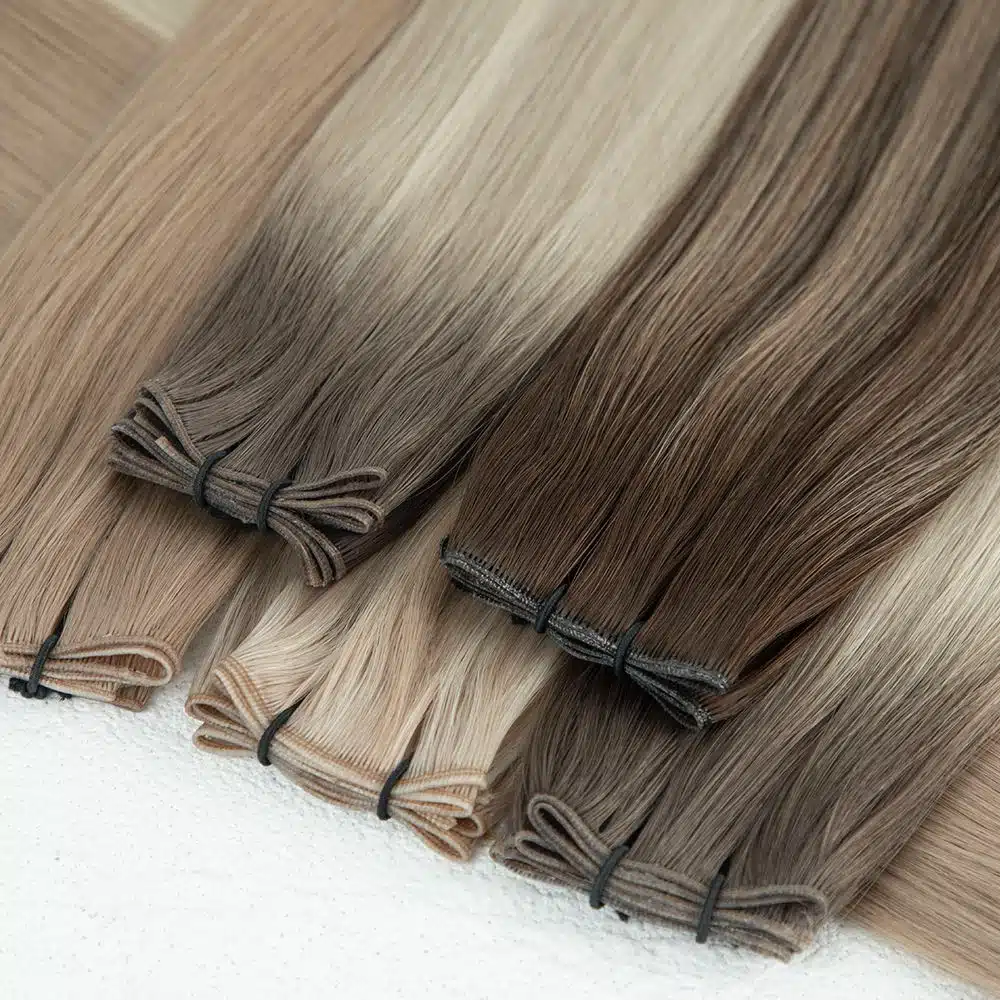
When Can One Pack Be Enough?
One pack can be enough when the goal is small and clear.
One pack may be enough for sample testing, color accents, face-framing pieces, light volume, or some temporary hair extension sets. It is usually not enough for a full transformation.
%one pack hair extensions for light volume and color accents
For Sample Testing
A salon may order one pack to test quality.
The stylist can wash the hair. The stylist can check softness, shedding, color, heat styling, and tangling.
For Color Accents
One small pack may work for highlights, lowlights, money pieces, or small color effects.
This helps the client add dimension without bleaching her natural hair.
For Temporary Products
Clip ins and halo hair extensions may be sold as one complete set.
In that case, one pack may already be designed for temporary wear.
Professional buyers can review our clip in hair extensions when choosing temporary products for online retail.
| Use Case | Is One Pack Enough? |
|---|---|
| Sample testing | Yes |
| Color accent | Often yes |
| Face-framing pieces | Often yes |
| Light volume | Sometimes |
| Full-head volume | Usually no |
| Thick hair transformation | No |
| Long luxury result | No |
The key is the goal. If the client wants a small change, one pack may work. If the client wants a full result, one pack is often not enough unless it has a high gram weight.
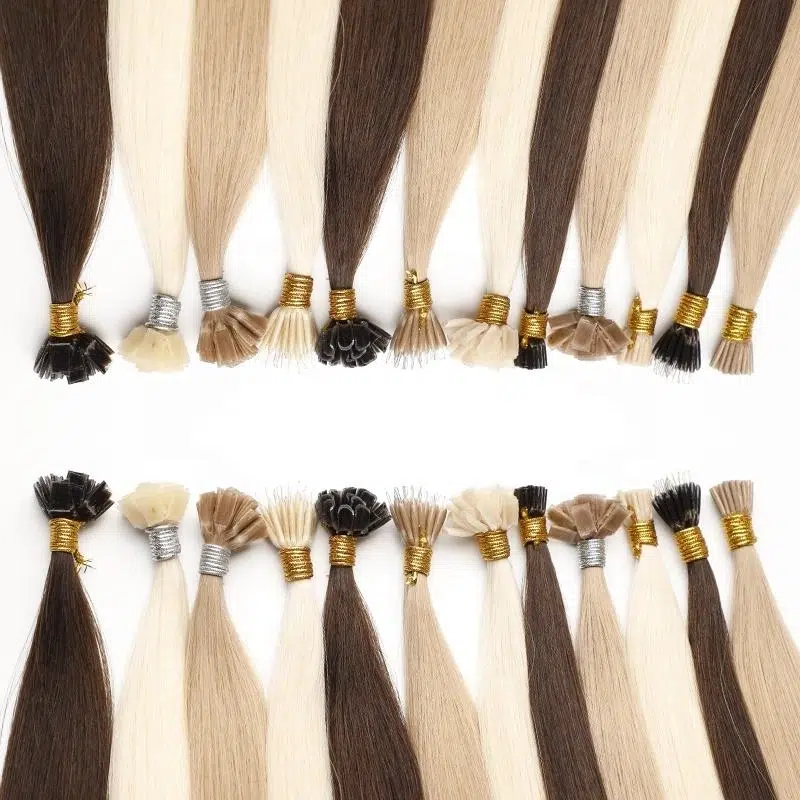
How Should Salons Calculate the Right Amount?
A salon should calculate the amount before ordering. Guessing by pack count is not professional.
A salon should calculate by total grams, client density, current length, target length, haircut shape, method, and desired fullness.
%salon hair extension gram calculation for full head result
Step 1: Confirm Pack Weight
The stylist should first confirm the pack weight.
Is one pack 25g, 50g, 100g, or 200g?
Step 2: Check Client Density
Fine hair needs less weight. Thick hair needs more grams.
The stylist should match the extension amount with the natural hair.
Step 3: Check the Target Result
Light volume needs less hair. A full luxury result needs more hair.
If the client wants long hair with full ends, the salon should plan enough grams from the beginning.
| Salon Check | Why It Matters |
|---|---|
| Pack weight | Shows the real amount of hair |
| Natural density | Decides how much hair can blend |
| Current haircut | Affects how much hair is needed |
| Target length | Longer hair usually needs more grams |
| Final fullness | Changes total gram requirement |
A salon should sell the result, not the pack. This helps the client understand why one pack may or may not be enough.
My View
From my factory view, pack count is not a reliable buying standard.
Different factories use different packaging. One pack can be 25g, 50g, 100g, or 200g. So I always suggest buyers ask for total grams first.
At Hibiscus Hair Manufacturer, we produce luxury-grade, full cuticle, single donor hair extensions. But even premium hair needs the right amount.
Too little hair can look thin. Too much hair can feel heavy on fine natural hair.
A professional salon should match three things:
- the client’s natural hair
- the target result
- the correct total grams
This is the safest way to create a clean salon result.
Conclusion
One pack of hair extensions may be enough for light volume, testing, color accents, or temporary products.
But one pack is usually not enough for a full head if the pack is only 25g or 50g. A 100g pack may work for fine hair or light-medium volume. A 200g pack may work for thicker or fuller results.
The best answer is simple. Do not judge by pack count only. Always check total grams first.
References
[1] Artificial Hair Integrations ↩
[2] SHBHDES005 Select and Apply Hair Extensions ↩
[3] National Careers Service Hairdresser Job Profile ↩