Many people still ask this question as if curly hair itself is the problem. From my factory perspective, that is already outdated. Today, a capable manufacturer can produce extension hair in many different curl patterns, so curly hair is no longer a supply-side limitation.
Yes, hair extensions can absolutely work with curly hair. The real issue is not product possibility. The real issue is whether the curl pattern, density, method, and blending plan are matched correctly to the customer.
So when I answer this question, I do not start with fear. I start with matching logic. Curly hair can wear extensions very well. But curly hair demands better technical judgment because the wrong match becomes visible faster than it does on straight hair.
Why Curly Hair Is Not the Real Problem Anymore
A few years ago, buyers had a more valid reason to worry. Curl options were narrower. Texture consistency was weaker. Supply was less flexible. But today, that is no longer the main problem.
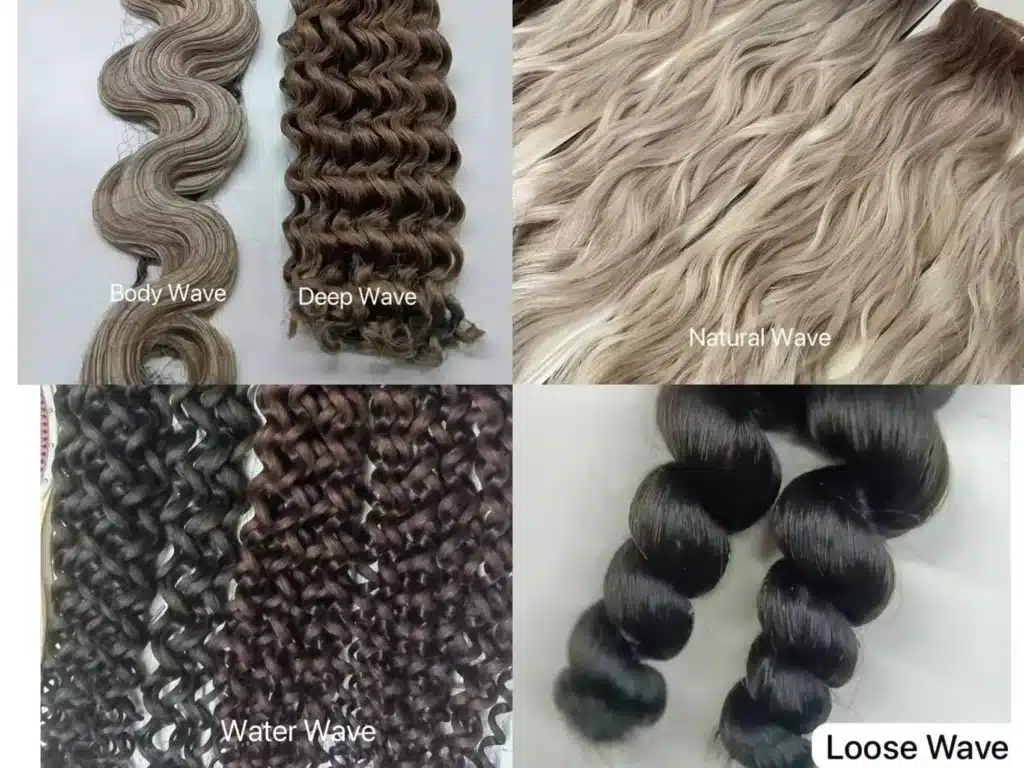
Curly hair is not the real problem anymore because factories can now produce extensions in many different curl patterns and textures. The real challenge is choosing the right match and installing it correctly.
Factories Can Already Produce Many Curl Patterns
From the manufacturing side, curly extension supply is no longer rare. A serious factory can already offer different wave and curl patterns to match different market needs.
Product Availability Is No Longer the Main Limitation
The market does not mainly fail because curly hair cannot be produced. It fails because the wrong curl is selected, the density is wrong, or the installation plan is poor.
Matching Has Replaced Availability as the Real Issue
That is the real shift. The question is no longer, “Can curly extensions be made?” The question is, “Can the salon or buyer choose the correct curl and apply it correctly?”
| Old Market Concern | Today’s Real Issue |
|---|---|
| Hard to find curly extension products | Easier to source many curl options |
| Limited curl variety | More variety is now possible |
| Curly hair cannot wear extensions well | Wrong matching creates the problem |
| Curly supply is the main barrier | Technique and selection are the main barriers |
This distinction matters a lot. If the reader keeps thinking curly hair is the problem, then the whole decision becomes too negative too early. I do not see it that way. I see curly hair as a category that requires better matching, not as a category that should be avoided.
That is why I prefer to reset the discussion from the beginning. Curly hair is not “difficult” because factories cannot support it. Curly hair is “demanding” because visual mismatch shows faster. That is a very different message.
What Actually Makes Curly Hair Extensions Work Well?
Once I stop blaming the curl itself, I can focus on the real success factors. That is where the article becomes useful.
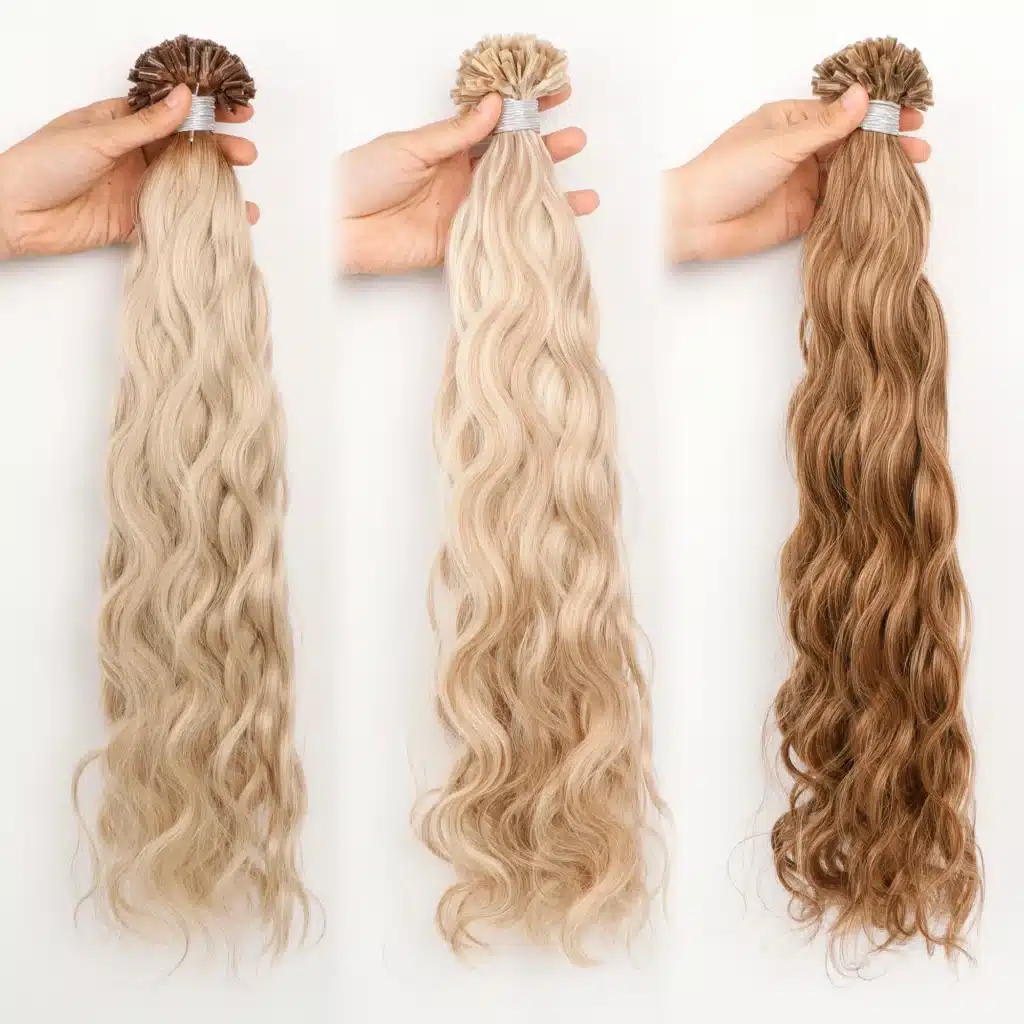
Curly hair extensions work well when the curl pattern is close, the density is balanced, the method suits the customer’s natural hair, and the final cut blends the natural curls and extension curls into one shape.
Curl Pattern Match Comes First
This is the most important factor. “Curly” is not one texture. A loose curl, a spring curl, a fuller wave, and a tighter texture do not behave the same way. I need the pattern to be close in:
- curl size
- expansion level
- softness
- frizz behavior
- dry appearance
Density Must Also Match
Many salons focus too much on curl pattern and forget density. That creates a common problem: the extension texture looks right, but the shape still looks wrong because the volume distribution does not match the client’s natural hair.
Method Choice Must Support the Shape
The method should not only attach the hair. It should help the finished hair move and sit naturally. If the method adds too much bulk in the wrong place, curly hair will expose that problem quickly.
The Final Cut Is Part of the Blend
Curly installs usually do not become believable from installation alone. The final shaping cut often decides whether the result looks natural or artificial.
| Success Factor | Why It Matters |
|---|---|
| Curl pattern match | Prevents visual separation |
| Density balance | Keeps the shape believable |
| Method fit | Controls bulk and attachment visibility |
| Final cut | Connects natural and extension hair |
| Product routine | Helps both textures behave similarly |
This is why I say curly extension success is a matching project, not only a product purchase. A buyer can source good curly hair and still get a weak result if the salon ignores density balance or haircut shape. In the same way, a salon can install correctly and still get a weak result if the curl pattern itself was not chosen well enough.
So I do not treat curl pattern as a decorative detail. I treat it as the structural starting point of the whole service.
What Problems Happen When the Match Is Wrong?
This is the real reason some people think curly extensions do not work. They are reacting to bad results, not to the real potential of the category.
When curly extensions fail, the main problems are usually curl mismatch, density imbalance, visible bulk at the attachment area, and a weak connection between the natural haircut and the added hair.

The Curl May Look Right at First but Behave Wrong Later
This is a very common issue. Some extension curls look similar on install day but separate later after washing, drying, or reacting to humidity.
The Shape Can Become Too Heavy at the Bottom
If the extension hair is denser than the natural hair, the result may look stacked, bottom-heavy, or fake.
The Root Area Can Become Too Bulky
Even if the curl pattern is close, the result can still fail if the method creates too much visible structure at the top.
The Natural Haircut May Not Connect to the Extension Shape
This is a major issue with curly hair. If the perimeter, layers, or crown shape are ignored, the install may look like two separate hair systems.
| Common Failure | Real Cause |
|---|---|
| Curl separation | Wrong curl behavior match |
| Bottom-heavy shape | Density mismatch |
| Obvious root area | Wrong method or poor placement |
| Natural hair sticking out | Weak haircut connection |
| Good salon result but poor wash-day result | Texture response mismatch |
This is why I think curly extension work should always be judged after real-life behavior, not just after styling. A result that only looks good with strong salon finishing is not a reliable result. I want to know what happens after the customer washes it, sleeps on it, refreshes it, and wears it in normal conditions.
That is where the true quality of the match becomes visible.
Which Extension Methods Usually Work Better on Curly Hair?
There is no single best method for every curly client. But not every method creates the same kind of result.
The best method for curly hair depends on density, haircut shape, and the level of placement control needed. Fuller curly hair often works well with weft-based methods, while customers who need more detailed placement may do better with smaller and more flexible installation methods.
Weft Methods Often Work Well on Fuller Curly Hair
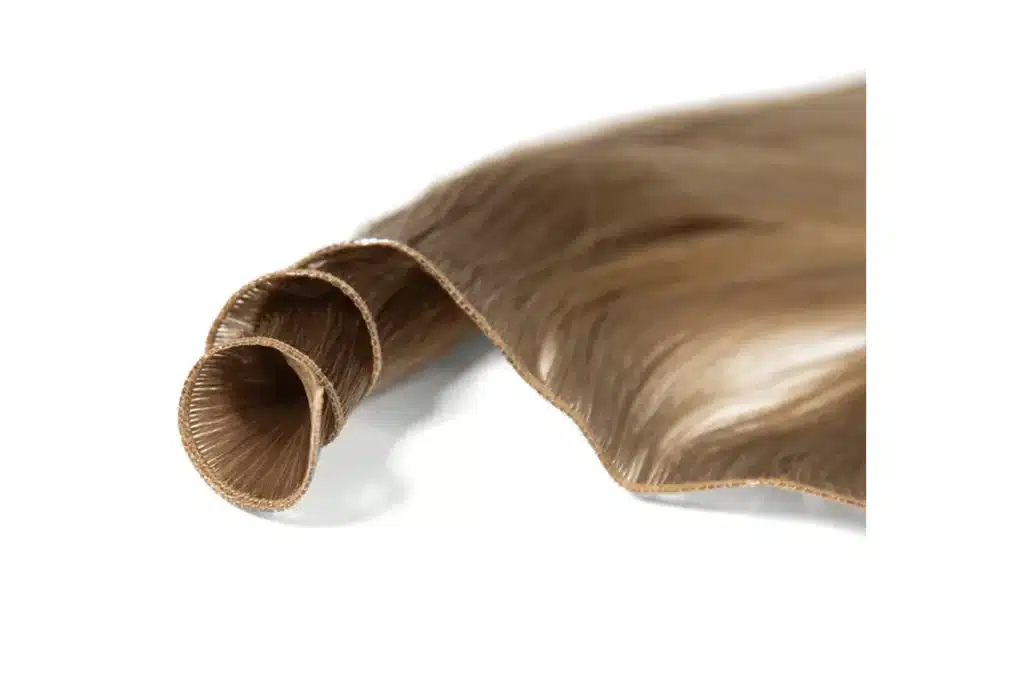
When the client already has good density, weft-based methods can blend very beautifully because the natural body helps hide the integration area.
Smaller Placement Methods Help in More Detailed Cases
If the client has mixed-density zones, shorter curly layers, or more visible scalp areas, a smaller placement method may give the stylist better control.
Tape-in Can Work, But Only With Enough Cover
Tape-in is not impossible on curly hair. But the hair must be able to hide the tabs well, and the density must support the flatter panel logic.
Temporary Methods Can Work for Occasion Wear
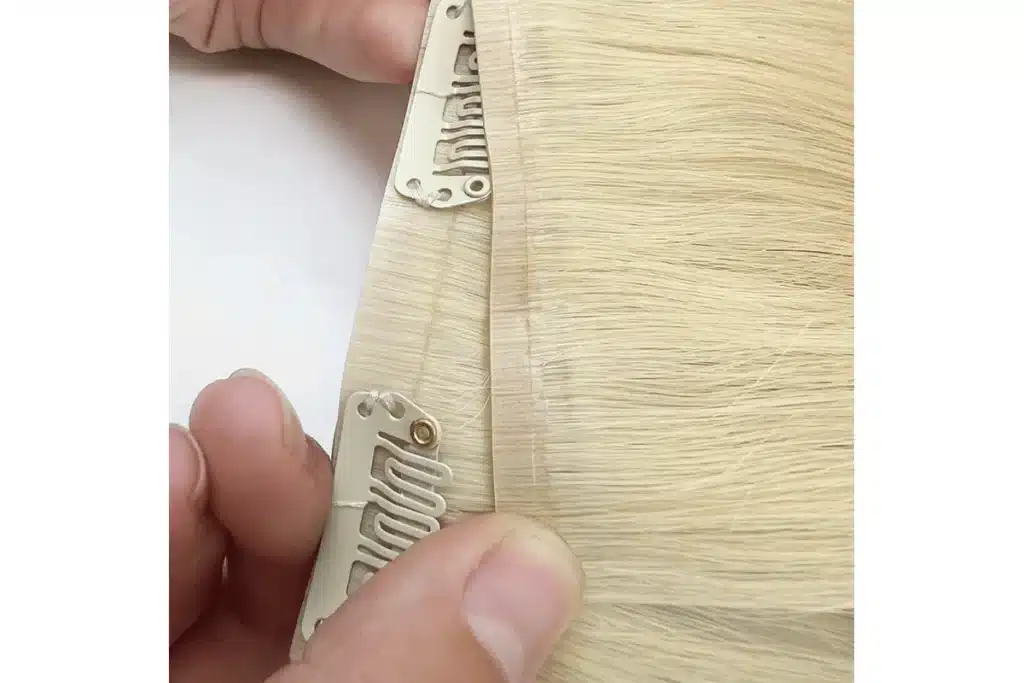
Clip-in curly hair can work well for customers who do not want daily installation, but that is a very different use case from long-term wear.
| Method Type | Usually Better For |
|---|---|
| Weft-based methods | Fuller curly hair with stronger density |
| Smaller placement methods | Precision blending and mixed-density areas |
| Tape-in methods | Curly hair with enough cover and support |
| Clip-in methods | Temporary styling or occasion wear |
The mistake many people make is asking, “What is the best method for curly hair?” as if curl alone answers the whole question. It does not. The real question is, “What method best supports this customer’s curl behavior, density, and haircut structure?”
That is a much more useful question.
Does Hair Quality Matter More With Curly Extensions?
Yes. In fact, I would say curly patterns often expose quality weakness faster than straighter patterns do.
Yes, hair quality matters even more with curly extensions because textured hair needs better softness retention, more stable curl behavior, and stronger cuticle condition to stay believable over time.
Weak Hair Usually Shows Problems Faster in Curly Form
Poor-quality curly hair often becomes rough, expands the wrong way, dries out faster, or loses definition more quickly.
Better Raw Material Supports More Stable Curl Behavior
If the starting material is stronger, the texture usually looks more natural and stays more manageable.
Overprocessing Becomes Easier to See
Curly hair already has more visual movement. If the processing is too harsh, that weakness becomes easier to notice through dullness, frizz imbalance, or rough touch.
| Quality Level | Likely Curly Result |
|---|---|
| Better-quality textured hair | More stable blend and softer movement |
| Lower-grade processed hair | More dryness, roughness, and tangling |
| Stronger cuticle condition | Better long-term wear |
| Harsh processing | Faster decline in texture performance |
This is one reason I always bring the discussion back to raw material. If the extension hair is weak, curly texture does not hide that weakness. It often reveals it faster.
Who Is a Good Candidate for Curly Hair Extensions?
Not every curly-haired customer wants the same result. That is why suitability still matters.
A good candidate for curly hair extensions usually has a clear goal, enough natural hair to support the method, realistic expectations about maintenance, and a texture pattern that can be matched closely.
The Goal Must Be Clear
Some clients want length. Some want fullness. Some want shape correction. Those are not the same extension plan.
The Natural Hair Still Needs to Support the Method
Curly volume does not automatically mean strong support. I still need to evaluate density, hairline visibility, and perimeter length.
The Client Must Accept Texture Maintenance
Curly hair extensions still need proper refreshing, moisture management, and styling consistency.
| Good Candidate Sign | Why It Matters |
|---|---|
| Clear extension goal | Helps method planning |
| Enough support hair | Helps hide the method |
| Realistic expectations | Improves satisfaction |
| Willingness to maintain texture | Supports long-term blend |
This is why I do not say “curly hair works with extensions” as a lazy blanket statement. I say curly hair can work extremely well with extensions when the customer is a good fit and the matching process is done honestly.
My View
From my factory perspective, curly hair is not a problem anymore from the product side. Today, a capable manufacturer can already produce hair extensions in many different curl patterns and textures.
So the real question is no longer, “Can extensions work with curly hair?” The real question is, “Can the buyer or stylist choose the right curl pattern, density, method, and blending plan for that customer?”
That is the real key.
If the texture is matched correctly and the installation plan is right, curly hair extensions can work very well and look extremely natural.
Conclusion
Yes, hair extensions can work very well with curly hair. Today, factories can already produce extensions in many curl patterns, so the real key is no longer product possibility, but correct matching, method choice, and blending.