Many buyers look at two hair extensions that seem similar and then wonder why one costs much more than the other. The short answer is that expensive extensions are usually not expensive because of one thing. They are expensive because several high-cost decisions are built into the raw material, the production process, and the final performance.
Some hair extensions are expensive because they use better raw hair, stricter cuticle control, gentler processing, more labor, and more stable quality standards. In most cases, the price is really paying for longer wear, better softness, better blending, lower tangling risk, and more predictable salon performance.
Most articles answer this question too simply. I want to go deeper. The real reason some extensions cost much more is that “hair extensions” is not one quality level. It is a full chain of raw material decisions, factory decisions, and salon performance outcomes.
The Biggest Reason Is Raw Material Quality
Most buyers think hair extensions become expensive because of branding or packaging. Those things can affect price, but they are not the main reason. The biggest cost driver is usually the raw hair itself.
The better the raw material, the higher the extension cost usually becomes. Premium extensions start with rarer, healthier, more carefully collected hair, and that immediately changes the cost base before production even begins.
Good Hair Is Harder to Source
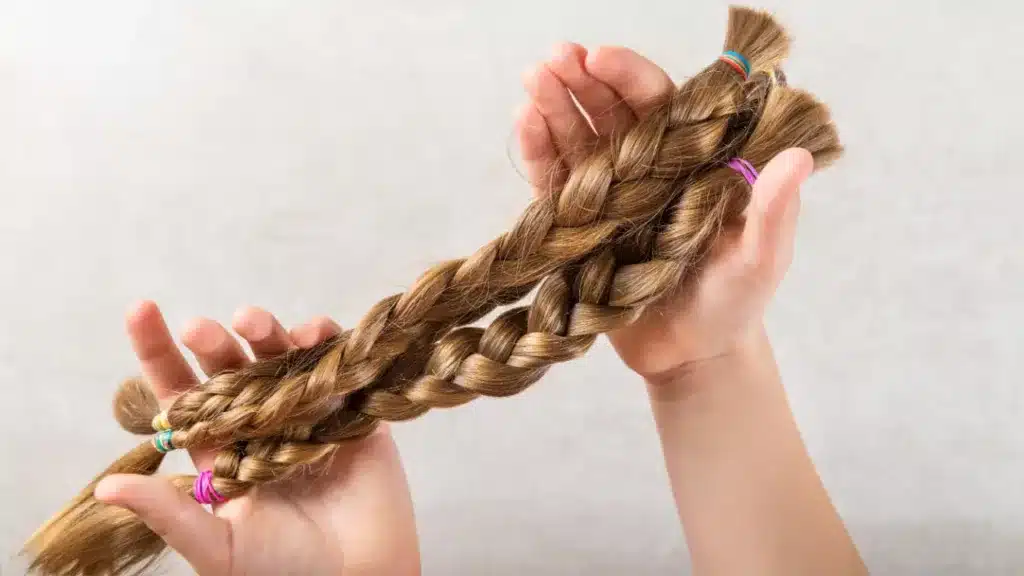
Low-grade hair is easier to collect in large volume. Premium hair is not. If I want stronger donor quality, more consistent texture, and cleaner cuticle condition, I have to be much more selective.
Better Hair Has Lower Internal Waste
This sounds backwards at first, but it matters a lot. Good raw hair is more expensive partly because the factory rejects more weak material during sorting. Cheap hair often looks cheaper because the acceptance standard is lower.
Real Premium Hair Usually Starts With Better Donor Condition
If the raw hair is healthier before processing, the factory has a much better chance of producing a stable premium extension later.
| Raw Material Level | Typical Cost Logic |
|---|---|
| Mixed low-grade hair | Easier to buy, lower standard |
| Standard Remy hair | Better direction control, higher cost |
| Virgin + Remy raw hair | Stronger starting condition, higher cost |
| Full cuticle grade raw hair | Highest standard, highest cost pressure |
This is why I always tell buyers that extension price is not just a “factory price” issue. It is first a raw material issue. If the hair starts weak, mixed, overprocessed, or unstable, the factory may still turn it into a sellable product. But it will not behave like true premium hair.
And that leads to the most important quality distinction in the market: full cuticle hair. A lot of people stop at the word “Remy,” but I do not. Remy only means the cuticles face the same direction. That is important, but it is only a foundation. Full cuticle hair is the higher standard because the cuticles are not only aligned, but also still truly intact and preserved. The hair cuticle as the protective outer layer of the strand[^1]
That difference changes cost dramatically. Hair that is only directionally aligned is easier to find than hair that is both aligned and genuinely preserved at a premium level. So when buyers ask why the best extensions cost more, this is my first answer: the raw material itself is more expensive, rarer, and more selective.
Full Cuticle Hair Costs More Because It Is Harder to Produce, Not Just Harder to Find
This is where many suppliers become vague. They may say the hair is “premium” or “luxury,” but they do not explain what in production actually protects that premium level.
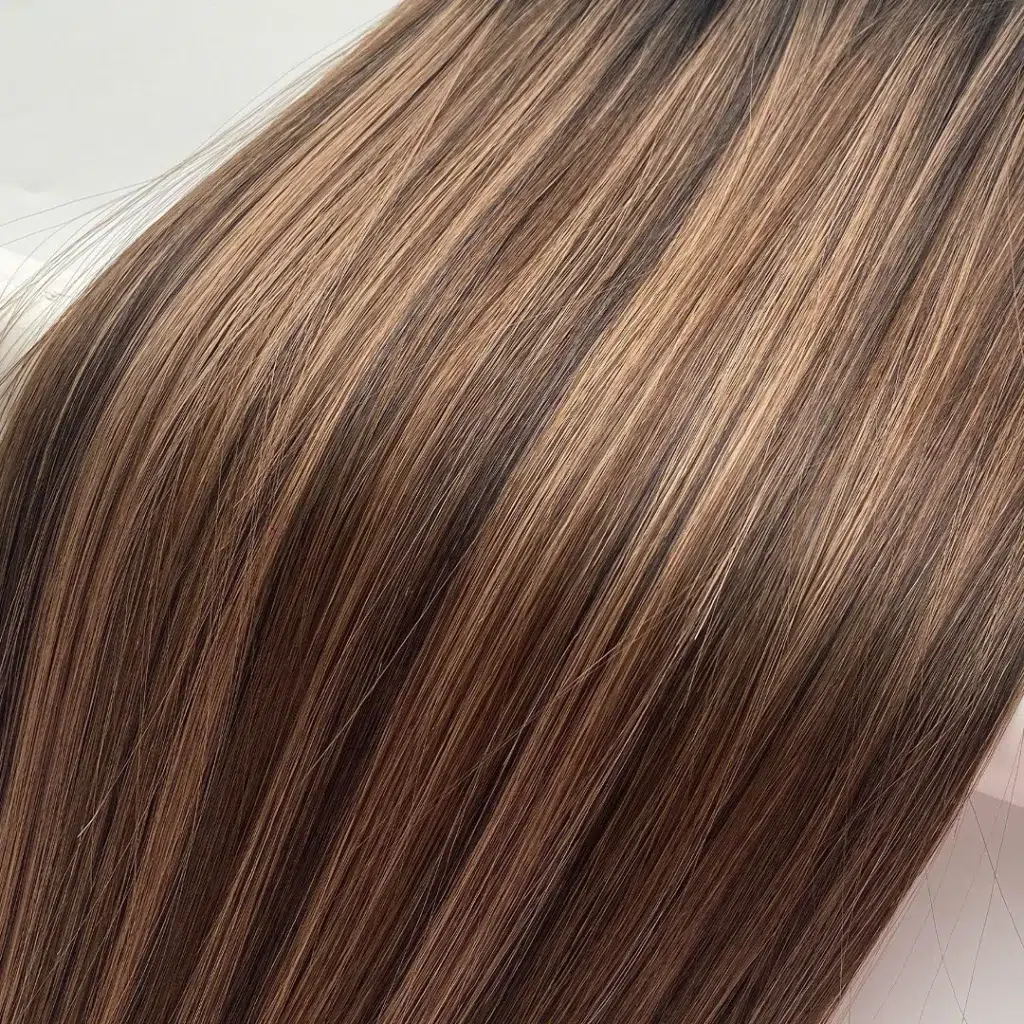
Full cuticle hair costs more because the factory has to protect the cuticle instead of damaging it away. That means gentler chemistry, stricter process control, better sorting, and more manufacturing discipline.
Cheap Production Often Damages the Raw Material Faster
If the factory uses harsh processing, it may reduce time and cost. But it also weakens the surface condition and long-term wear of the hair.
Gentle Production Is Slower and More Expensive
If I want the final hair to stay soft, stable, and reusable for longer, I usually need a more advanced and more cautious process.
Better Processing Protects Long-Term Value
This is one reason premium buyers are often willing to pay more. They are not only paying for “nice hair today.” They are paying for a product that still performs later.
| Production Choice | Likely Cost Effect | Likely Quality Effect |
|---|---|---|
| Harsh, fast processing | Lower cost | Lower long-term performance |
| Gentler, controlled processing | Higher cost | Better softness and wear |
| Lower inspection standard | Lower cost | More inconsistency |
| Higher inspection standard | Higher cost | More stable quality |
This is the point where cheap and expensive hair stop being only a material issue and become a factory philosophy issue. A factory can choose to move fast, process aggressively, and accept more inconsistency. Or it can choose to protect the material, reject more weak output, and keep the final standard tighter.
Premium extensions usually come from the second system, not the first.
Labor Is a Much Bigger Cost Driver Than Many Buyers Realize
Hair extensions are not like generic plastic products. The material itself is irregular, natural, and variable. That means more hands are often involved.
Some hair extensions are expensive because they require much more labor in sorting, aligning, coloring, tip making, weft making, checking, and packaging than buyers expect.
Hair Must Be Sorted and Controlled Carefully
The factory does not receive raw hair in perfect retail-ready condition. It must be cleaned, sorted, balanced, aligned, and selected.
Premium Construction Methods Often Add More Labor
Hand-tied wefts, fine tip work, custom color work, and premium density control all increase labor input.
Quality Control Also Costs Money
A strong factory does not only make hair. It also rejects weak output. That rejection cost is part of the final price.
| Labor Area | Why It Adds Cost |
|---|---|
| Sorting | Hair is naturally variable |
| Alignment control | Better consistency needs more handling |
| Color work | Premium shade matching takes time |
| Method construction | Some methods need more precision |
| Quality control | Better standards mean more labor and more rejection |
This is why some extensions look expensive even before I talk about branding. The product may simply contain much more real work.
Method Type Also Changes Price
Not all extension methods cost the same to produce, even when the raw hair is similar.
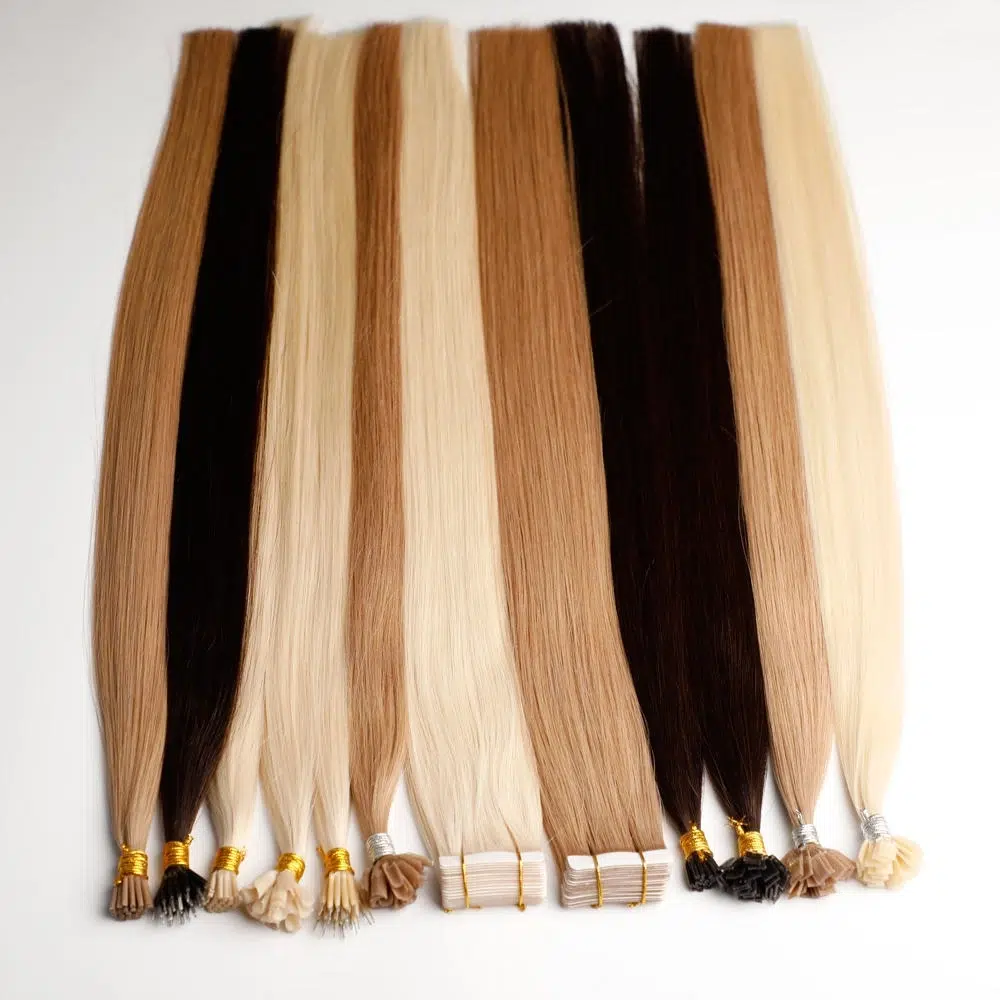
Some extension methods cost more because they require more precise construction, more material discipline, or more time per finished unit.
Fine, Lightweight, Premium Methods Often Cost More
Very clean top construction, controlled return hair, and more refined finished shapes usually increase complexity.
Bonded Systems Add Bond Material and Tip Work
Keratin bond extensions do not only require hair. They also require stable tip formation and controlled bond material. Keratin as a structural protein associated with hair and many bonding discussions[^2]
Different Methods Have Different Waste and Yield
Some methods allow more raw hair flexibility. Others require tighter length, thickness, and top-area consistency, which increases cost.
| Extension Method | Common Cost Pressure |
|---|---|
| Basic machine weft | Lower complexity |
| Premium hand-tied weft | Higher labor intensity |
| Genius or finer weft types | Higher construction precision |
| Keratin bond formats | More tip and bond work |
| Tape formats with advanced top design | More structure control |
So when one extension type costs much more than another, the reason may not only be the hair itself. The construction method may also demand more precision and lower tolerance for inconsistency.
Cheap Extensions Usually Become Expensive Later
This is the hidden cost many buyers only discover after complaints start.
Cheap extensions often become expensive later because they may tangle sooner, wear out faster, perform worse in salon service, and create more replacement pressure.

Shorter Lifespan Changes the Real Cost
A cheaper pack may look attractive at purchase, but if it fails early, the cost per month of use may actually be worse.
Poor Performance Increases Service Risk
If the hair behaves badly in washing, styling, or reinstallation, the salon pays for that through labor, complaints, or reputation damage.
Premium Hair Often Costs More Up Front but Less Per Wear
This is why serious buyers often stop comparing only invoice price and start comparing total value.
| Price View | Cheap Extensions | Premium Extensions |
|---|---|---|
| Initial price | Lower | Higher |
| Tangling risk | Higher | Lower |
| Service stability | Weaker | Stronger |
| Reusability | Often lower | Often higher |
| Long-term value | Often worse | Often better |
This is where I think buyers need to become more commercial, not less. A cheap product is not automatically a low-cost product. If it creates more salon problems, more client dissatisfaction, or more replacement orders, then the “cheap” price was never truly cheap.
Brand Positioning and Market Strategy Also Affect Price, But They Are Not the Core Reason
Yes, branding matters. Yes, packaging matters. Yes, some brands charge for image. But I do not think that explains the biggest pricing gaps in the market.
Brand positioning can increase extension price, but the biggest price differences usually still come from raw material quality, processing standard, labor input, and final performance level.
Some Price Differences Are Real Quality Differences
This is the most important point. Not every expensive product is overpriced. Some are simply built on a much more expensive cost structure.
Some Price Differences Are Marketing Differences
That also exists. So buyers still need to ask technical questions instead of trusting price alone.
The Best Buyers Compare Logic, Not Just Labels
I prefer these questions:
- what raw material is used?
- is it Remy only, or full cuticle?
- how gentle is the processing?
- how stable is the quality across orders?
- how long does it really last in salon use?
That is how I tell whether the price is justified.
My View
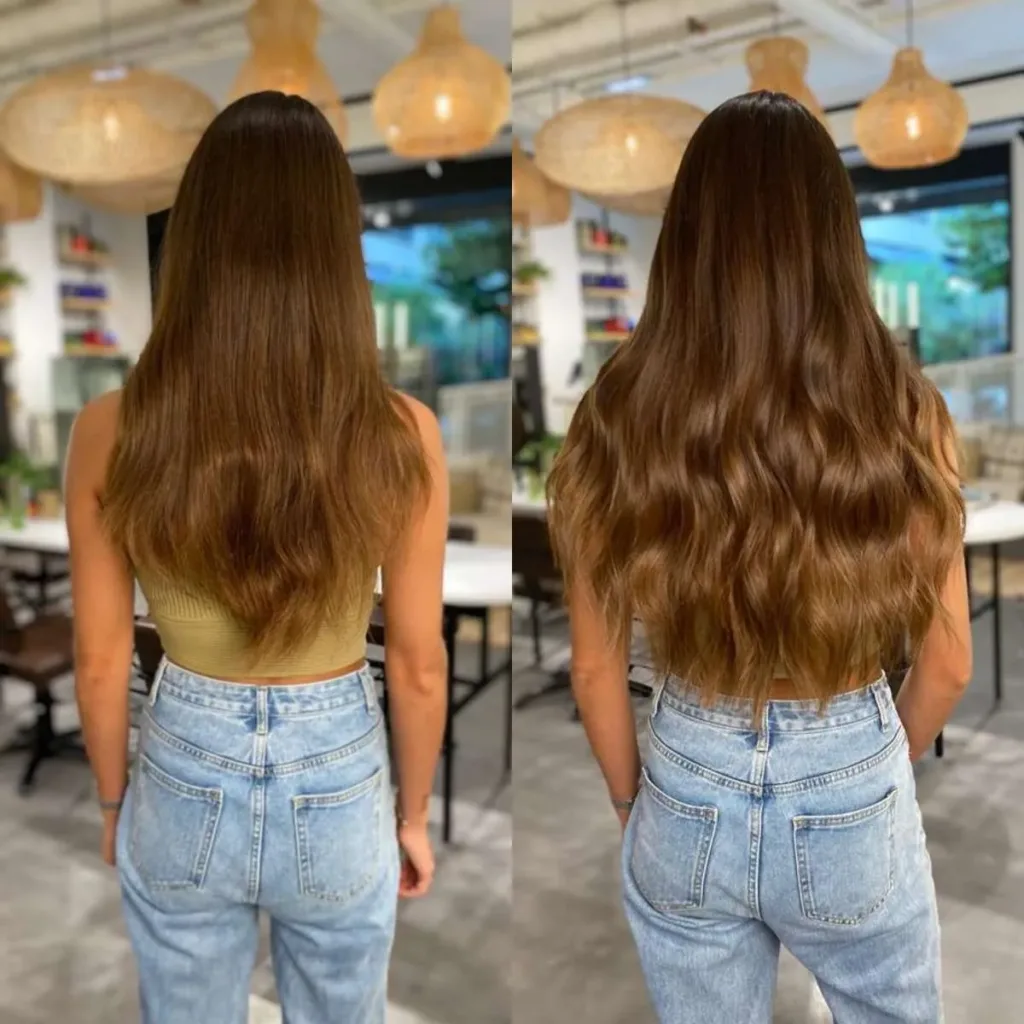
From my point of view, some hair extensions are expensive because true premium quality is expensive to build.
The best extensions usually start with stronger raw material, often raw hair that is both virgin and Remy. But even that is still only the foundation. The real premium standard is full cuticle hair, because that is the level where the cuticles are aligned and still truly intact.
Then the factory still has to protect that advantage through gentler production, stronger quality control, and more labor-intensive construction.
So when I see a much higher extension price, I do not ask only, “Why is it expensive?” I ask, “What is this price actually protecting?”
That usually leads to a much more honest answer.
Conclusion
Some hair extensions are expensive because premium quality begins with better raw material and continues through gentler processing, more labor, and stronger quality control. In most cases, the highest price is really attached to the highest level of long-term performance.
[^1]: This resource explains that the cuticle is the strand’s protective outer layer, which is why preserving it changes quality and cost.
[^2]: This resource explains keratin as a structural protein associated with hair, which helps explain why bond-related extension systems require specialized material control.