Choosing the right type of hair weave can change the whole salon result. The wrong weft may feel bulky, show near the scalp, create tension, or fail too quickly after installation.
The main types of hair weaves include machine wefts, hand-tied wefts, genius wefts, flat wefts, butterfly wefts, and tape-in wefts. Each one fits different hair densities, installation needs, comfort expectations, and salon service goals.
For stylists and salon owners, the best choice is not simply the newest weft. It is the weft that matches the client’s natural hair, desired volume, maintenance habits, and long-term comfort.
Hair Weave Types Comparison Chart
| Weft Type | Best For | Main Advantage | Main Limitation |
|---|---|---|---|
| Machine Weft | Medium to thick hair | Strong, durable, cost-effective | Thicker at the track |
| Hand-Tied Weft | Fine to medium hair | Thin, light, natural finish | Cannot be cut freely |
| Genius Weft | Fine to medium hair | Thin, cuttable, no return hair | Higher cost, quality varies |
| Flat Weft | Low-profile installs | Flat and comfortable | Needs strong sealing quality |
| Butterfly Weft | Flexible salon installs | Comfortable, breathable, easy sewing control | Needs precise installation |
| Tape-In Weft | Fast semi-permanent service | Quick, flat, lightweight | Adhesive needs careful maintenance |
This table helps stylists choose by client need, not only by product name.
Main Types of Hair Weaves and Weft Extensions
Weft hair extensions come in several variations, each offering different benefits and applications. Let’s see the types of hair weaves and their names, here’s an in-depth look at each type:
1. Machine Wefts
Regular machine wefts are the most commonly used type of weft extensions. The hair is sewn together using a machine, creating a sturdy and consistent weft. These wefts are available in various lengths and textures, making them a versatile option for stylists.
Best for: Clients with thicker hair or those who need heavier extensions.
Pros: Strong, durable, and cost-effective.
Cons: The weft top may be bulkier and can cause discomfort if the application is not done properly.

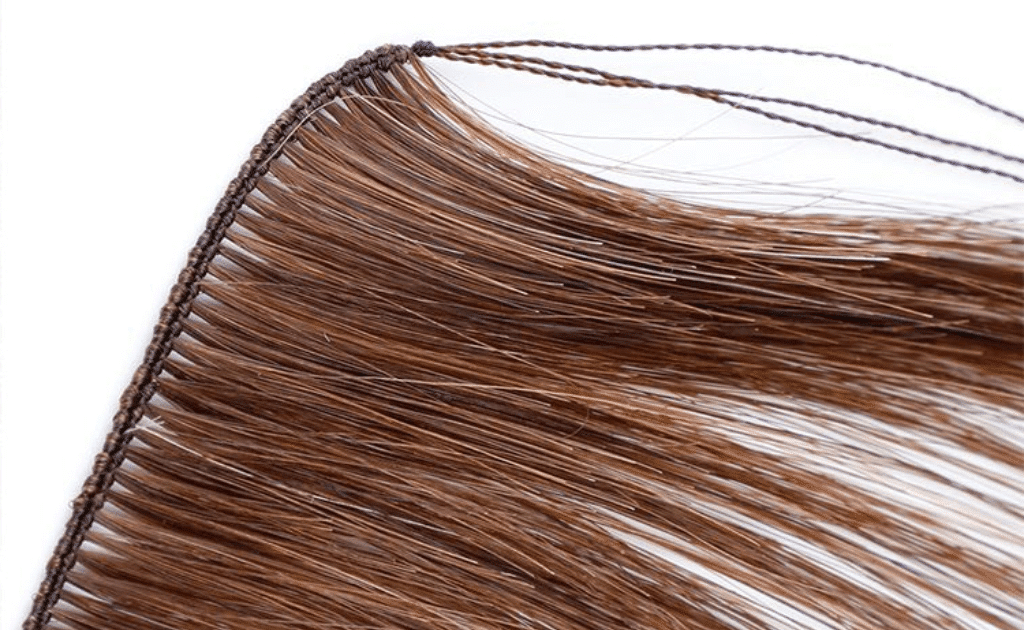
2. Handtied Wefts
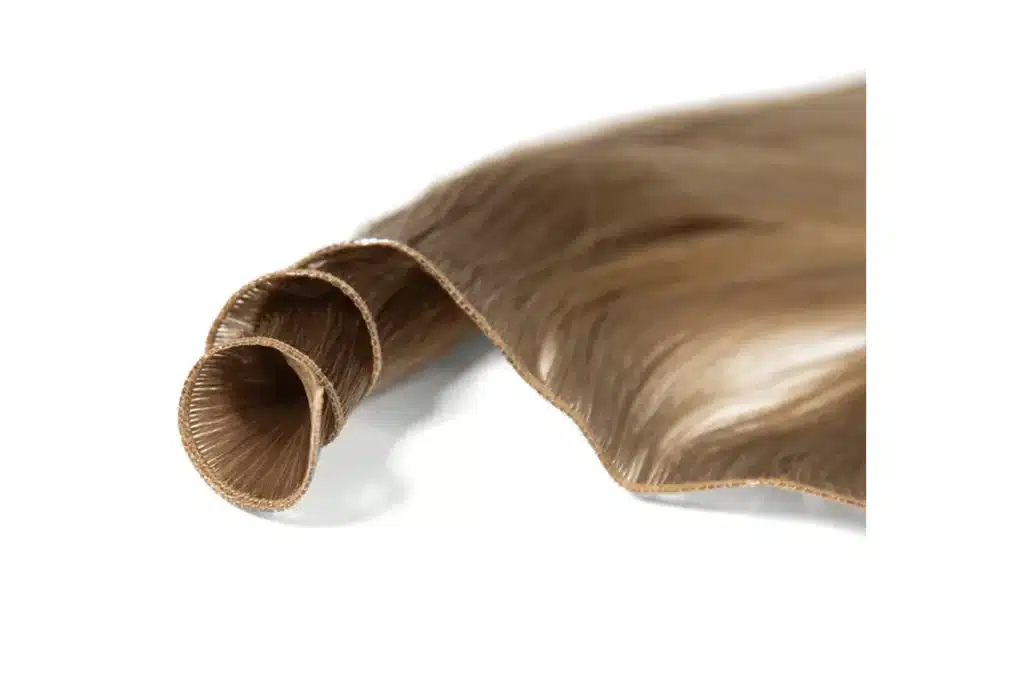
Handtied wefts are created by tying the hair strands together manually, making the weft much lighter and more flexible. This option is ideal for clients who want a natural, seamless look without bulky extensions.
Best for: Clients with fine or medium hair who want a more natural and lightweight look.
Pros: Lighter, more flexible, and provides a seamless, undetectable look.
Cons: Can be more expensive and requires a more delicate application process. Handtied wefts are often considered gentler on the hair, but poor installation can still lead to discomfort.
3. Genius Wefts
Genius wefts are a newer innovation that combines the durability of machine wefts with the flexibility of handtied wefts. They are designed to be much thinner, allowing for a more natural and comfortable fit while still providing long-lasting wear.
Best for: Clients looking for a high-quality, natural finish with added flexibility.
Pros: Thinner, lightweight, and flexible, providing a natural look, and can be cut freely without shedding, offering great comfort with no scalp irritation.
Cons: Slightly more expensive than traditional machine wefts. Is it bad for your hair? Not really, as they are designed to be gentle, but improper application could cause tension.

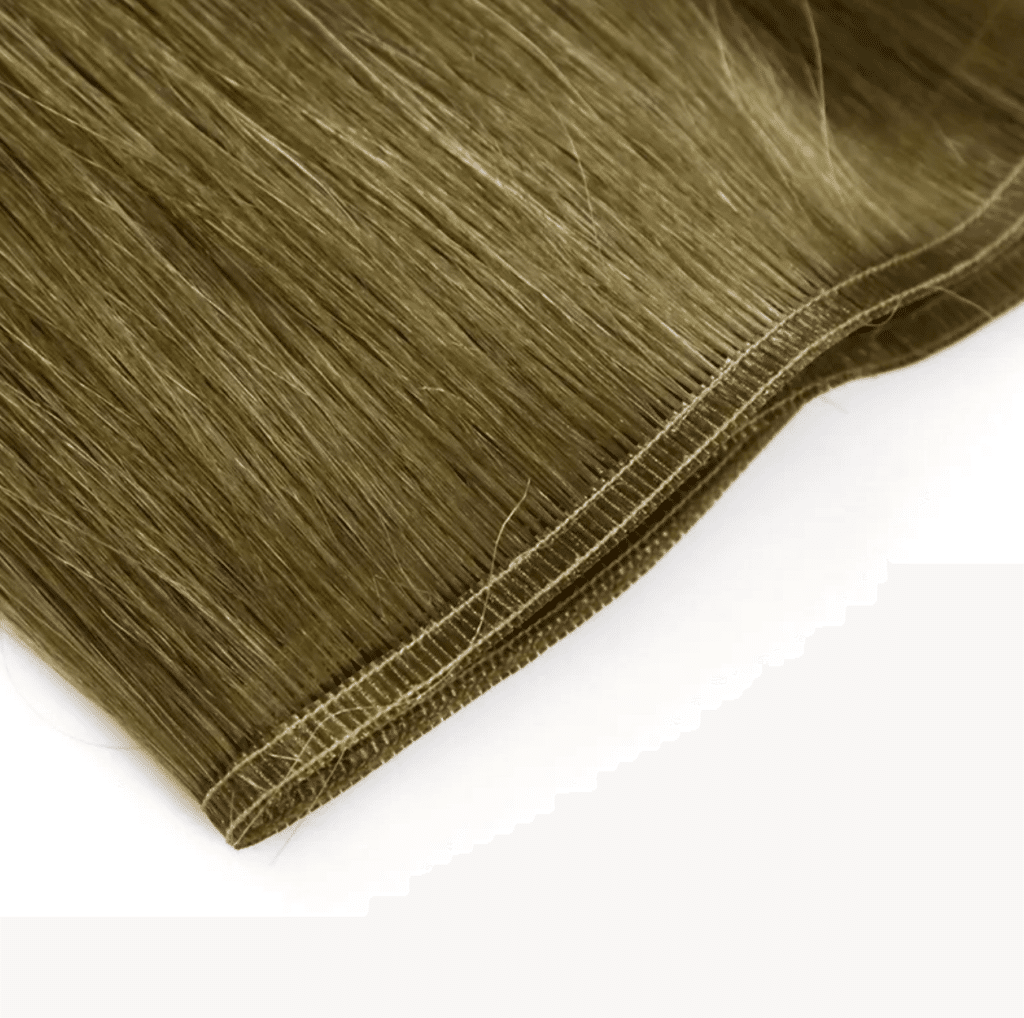
4. Flat Wefts
Flat wefts are designed with a thin, flat base that lays flat against the scalp, offering a more comfortable and discreet fit. These wefts are great for clients who prefer low-profile extensions.
Best for: Clients who want a comfortable, almost invisible weave.
Pros: Very thin and flat, making them great for achieving a seamless look.
Cons: May not be suitable for clients with very thick hair, as they might not hold as securely as other wefts.
Butterfly Wefts
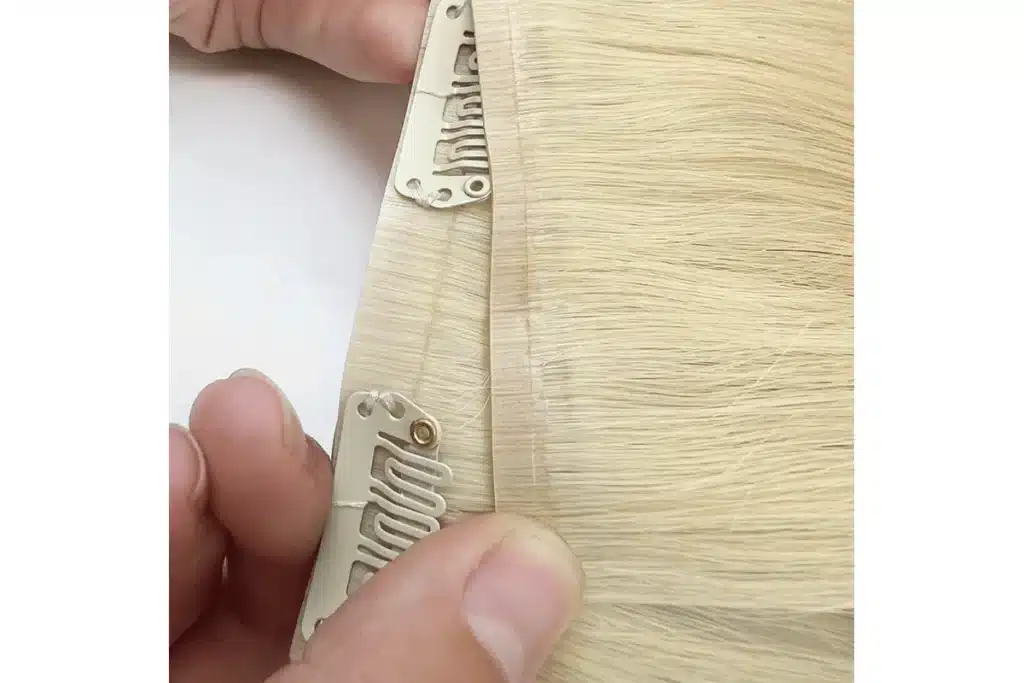
Butterfly wefts are designed with guide holes or a special base structure to help stylists sew the weft more easily and evenly. They are useful for salons that want comfort, airflow, and controlled row placement.
Best for: Clients who want a balance of volume, comfort, and flexible sew-in placement.
Pros: Lightweight, breathable, and easier to control during sewing.
Cons: Requires proper installation. If the row is placed too tightly, it can still cause discomfort or tension.

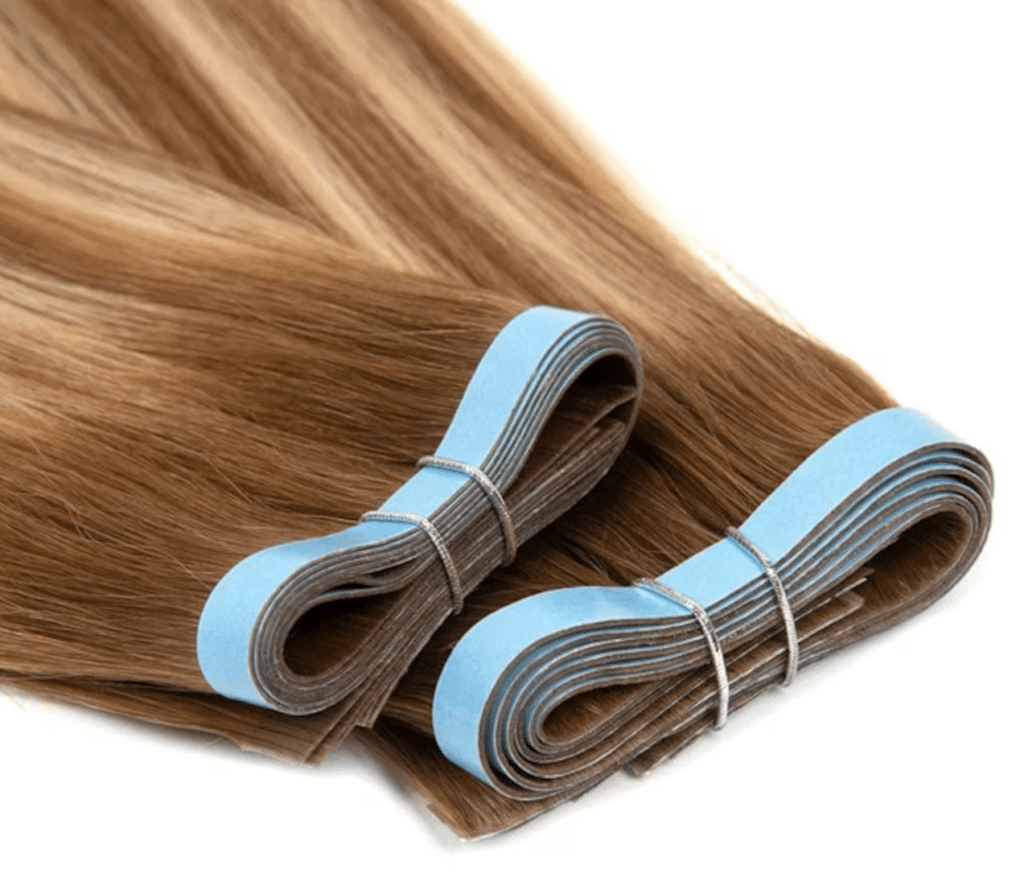
6. Tape-In Wefts
Tape-in wefts are one of the fastest and easiest ways to add extensions. These wefts are pre-taped with an adhesive strip and are applied by sandwiching the natural hair between two wefts of extension hair. Tape-ins are popular for their lightweight feel and ability to blend seamlessly.
Best for: Clients looking for a quick, low-maintenance solution.
Pros: Quick to apply, lightweight, and blend easily with natural hair.
Cons: Tape can weaken over time and may require reapplication every 6-8 weeks. Are tape-in wefts bad for your hair? If the adhesive is not removed properly, it can damage natural hair, so proper maintenance is key.
How to Choose the Right Weft for Your Client
| Client Need | Better Weft Options |
|---|---|
| Fine hair | Hand-tied, genius, flat weft |
| Thick hair | Machine weft, butterfly weft |
| Discreet finish | Genius, flat, hand-tied weft |
| Fast service | Tape-in weft |
| Maximum volume | Machine weft or butterfly weft |
| Sensitive scalp | Genius or soft flat weft |
| Custom cutting | Genius, machine, or flat weft |
The safest choice depends on hair density, scalp sensitivity, installation method, and how much volume the client wants.

What Salons Should Check Before Ordering Wefts
| Check Point | Why It Matters |
|---|---|
| Hair cuticle condition | Reduces tangling and dryness |
| Weft construction | Affects shedding, comfort, and reuse |
| Cuttability | Important for custom installs |
| Track thickness | Affects scalp comfort and visibility |
| Color consistency | Protects repeat orders |
| Sample-to-bulk consistency | Reduces client complaints |
Before placing a wholesale order, salons should test the weft after washing, brushing, sewing, cutting, and removal. A soft sample in the package is not enough.
FAQs About Hair Weaves and Weft Extensions
What are the main types of hair weaves?
The main types include machine wefts, hand-tied wefts, genius wefts, flat wefts, butterfly wefts, and tape-in wefts.
Which type of weft is best for thin hair?
Hand-tied, genius, and flat wefts are often better for thin hair because they are lighter and less bulky.
Which weft is best for thick hair?
Machine wefts and butterfly wefts can work well for thick hair because they provide stronger volume and structure.
Can hand-tied wefts be cut?
No. Traditional hand-tied wefts should not be cut freely because they may unravel.
Are tape-in wefts bad for natural hair?
Tape-in wefts are not bad when installed and removed correctly. Poor removal, heavy tension, or adhesive buildup can cause problems.
What should salons check before buying wefts wholesale?
Salons should check hair quality, weft construction, shedding control, cuttability, color consistency, and sample-to-bulk stability.
Conclusion
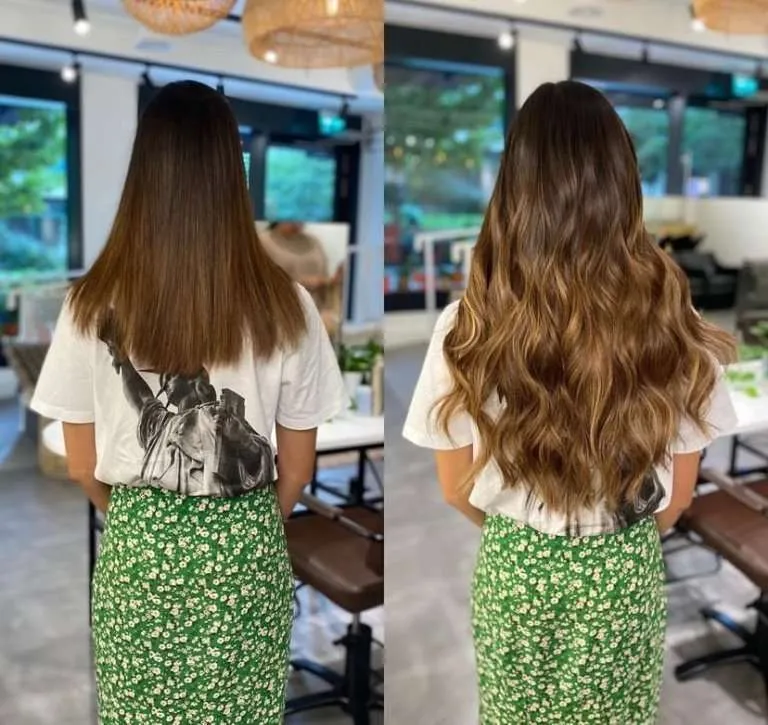
There are several types of hair weaves, and each one has a different salon purpose. Machine wefts are strong and practical. Hand-tied wefts are thin but not cuttable. Genius wefts are thin, cuttable, and flexible. Flat, butterfly, and tape-in wefts each fit different installation needs.
The right weft depends on the client’s hair density, comfort needs, volume goal, and maintenance routine.
For salons and hair brands, the best way to choose is to test the hair quality and weft construction before ordering in bulk. You can explore our hair weft extensions, learn more about full cuticle hair, or contact Hibiscus Hair to request weft samples.