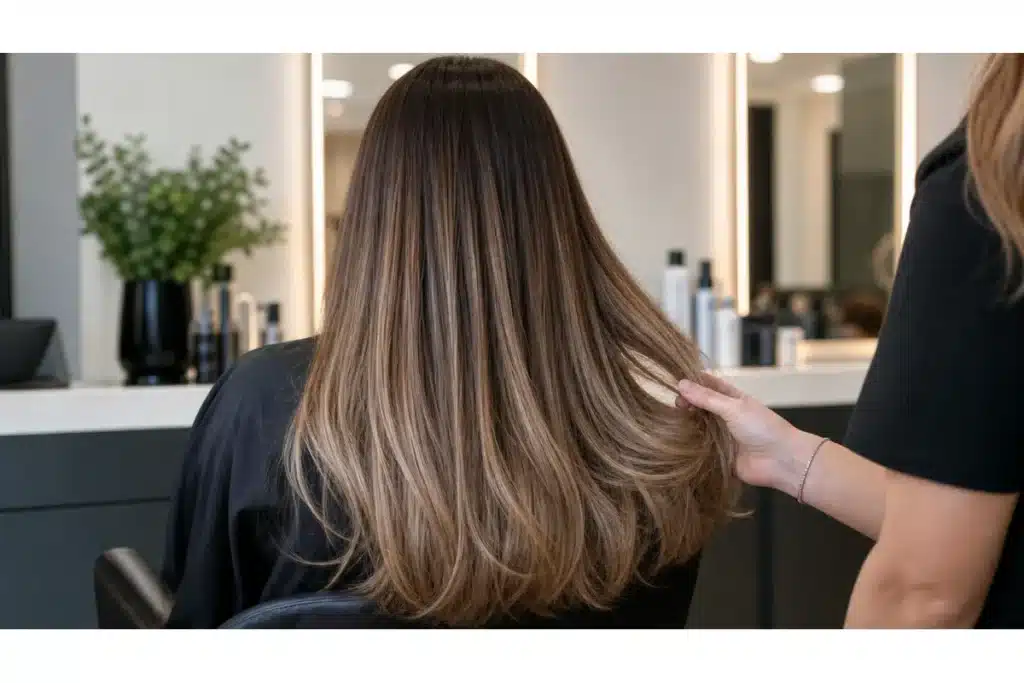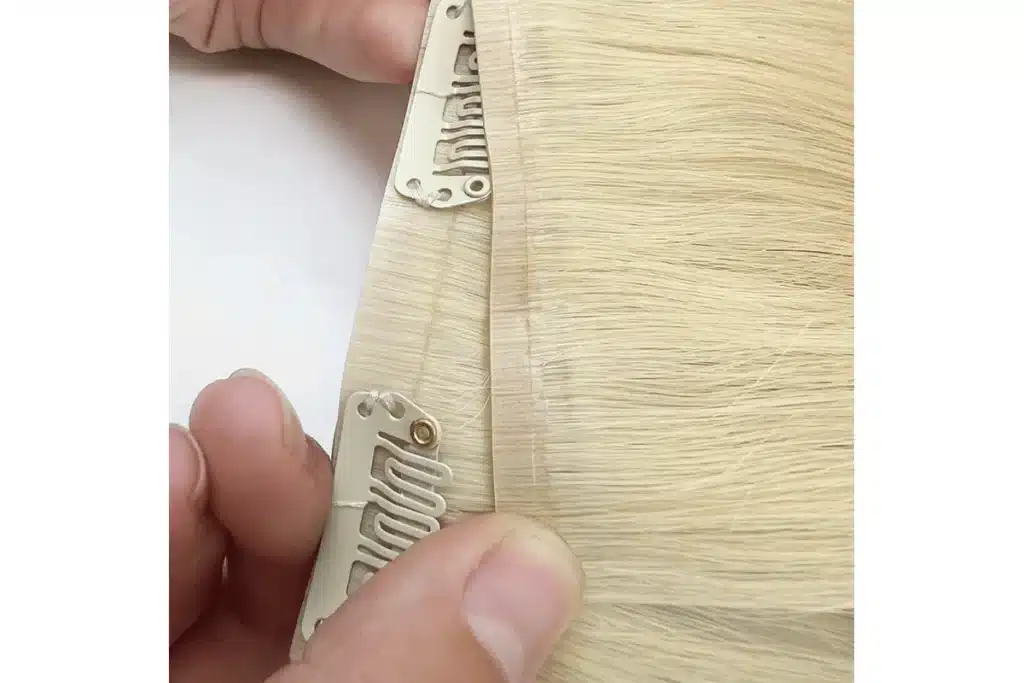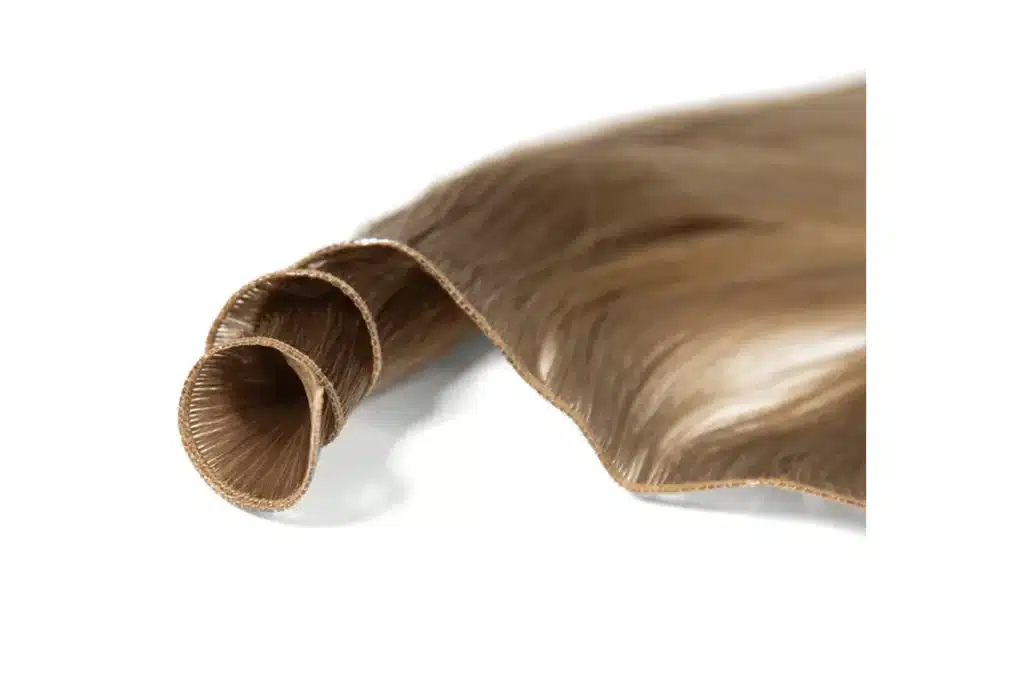
Comfort is one of the biggest reasons clients love or regret hair extensions. The wrong method can feel heavy, tight, itchy, or irritating, even when the hair looks beautiful.
The most comfortable hair extensions are usually lightweight, well-matched to the client’s natural hair, and installed with proper tension. Halo, clip-in, tape-in, hand-tied weft, keratin tip, and micro-ring extensions can all be comfortable when chosen for the right hair type and lifestyle.
For salons and buyers, comfort is not only about the method. Hair quality, weight, attachment construction, scalp sensitivity, and installation skill all decide whether the extensions feel natural after real wear.
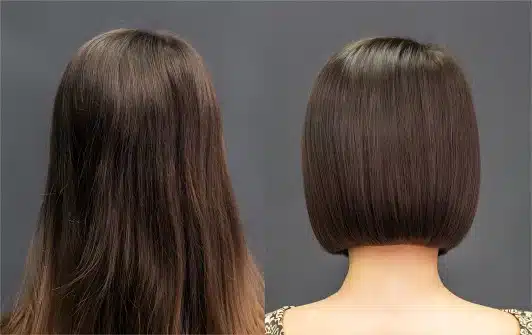
Understanding Comfort in Hair Extensions
When you’re choosing hair extensions, comfort should always be a priority. After all, you’ll be wearing them for hours (maybe even days). But what exactly makes hair extensions comfy? Here’s a breakdown:
Weight of the Extensions
Heavy extensions can weigh down your natural hair and pull at your scalp, leading to discomfort. Choose extensions that are lightweight and won’t add too much strain. Hand-tied wefts, for example, are lighter than machine-made wefts and offer a more comfortable experience.
Application Method
Certain methods of attachment can affect how comfortable your extensions feel. Tape-ins, for instance, are often praised for being gentle on the scalp. They lay flat and don’t cause tension. Similarly, fusion (or keratin-tip) extensions are easy on the scalp as the bond melts into the natural hair, offering a seamless feel.
Hair Quality
You may be surprised to know that the quality of hair matters a lot in terms of comfort. Full cuticle hair (like what Hibiscus Hair offers) feels soft and natural, with no rough texture that could irritate your scalp. Avoid extensions made from synthetic or low-quality hair, which tend to feel heavier and more artificial.
Installation Precision
Proper installation is crucial for comfort. If extensions are installed too tightly, they can cause tension on your scalp and even lead to hair breakage. A professional hairstylist ensures your extensions are placed in a way that balances comfort and security.
Most Comfortable Hair Extensions Compared
| Extension Method | Comfort Level | Best For | Main Comfort Risk |
|---|---|---|---|
| Halo extensions | Very high | Temporary wear, sensitive scalps | Wire fit must be adjusted well |
| Clip-in extensions | High for short wear | Occasional volume or length | Clips can feel heavy if worn too long |
| Tape-in extensions | High | Flat, semi-permanent wear | Tape placement and removal must be correct |
| Hand-tied wefts | High | Fine to medium hair | Cannot be cut freely; return hair may irritate some scalps |
| Keratin tip extensions | Medium to high | Long-term strand-by-strand installs | Poor placement can cause tension |
| Micro-ring / I-tip extensions | Medium to high | No-heat installs | Beads may feel uncomfortable if too tight |
Most Comfortable Hair Extensions: A Breakdown
Here are some of the most comfortable hair extension types, each offering a unique benefit for different needs.
1. Clip-In Hair Extensions
For those looking for a quick, temporary way to add volume or length, clip-in extensions are often the most comfortable. They attach easily to your natural hair without causing tension or damage. The best clip-in hair extensions are made from high-quality Remy or full cuticle hair, which blends naturally and feels lightweight. If you’re looking for comfort and versatility, clip-ins could be your best option.

2. Halo Hair Extensions
Halo hair extensions are known for their comfort and ease of use. These extensions don’t require clips or glue; instead, they use a thin, adjustable wire that sits on top of your head, blending seamlessly with your natural hair. The halo method is ideal for those who want a comfortable, natural feeling extension without the hassle of permanent installation.

3. Tape-In Extensions
Tape-ins are lightweight and easy to wear, making them an ideal choice for comfort. They adhere to your natural hair with a special adhesive that lays flat against the scalp, making them virtually undetectable. They don’t cause pulling or tension and are known for their ability to blend well with natural hair.

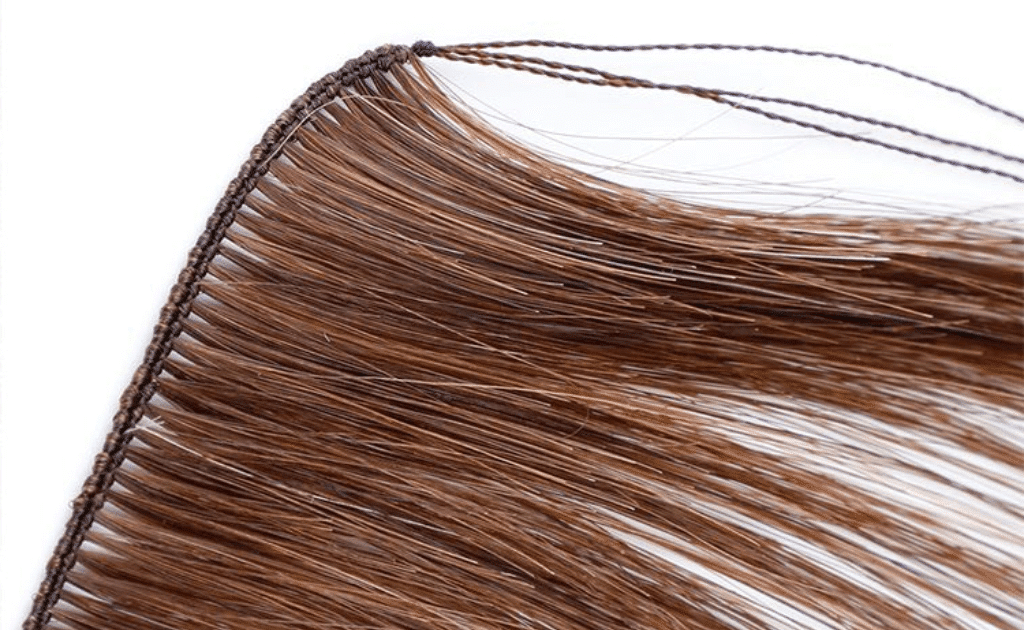
4. Hand-Tied Wefts
Hand-tied wefts are made by sewing hair extensions together by hand. They are lighter and more flexible than machine-sewn wefts, allowing them to conform better to the shape of your head. Because they don’t add bulk, they offer a more natural feel and are often the go-to choice for comfort, Long-Lasting Comfort.
5. Fusion/Keratin Tip Extensions
Fusion extensions are applied by bonding small sections of hair to your natural strands using keratin glue. This method doesn’t place any tension on the scalp, providing a smooth and secure fit. These are also ideal for those looking to keep their extensions for a long period, as they stay in place without discomfort, the Most Comfortable Extension Method for Thin Hair.

6. Micro-Ring (Microlink) Extensions
Microlinks use small beads to attach the extensions to your natural hair,like I tip hair and nano tip hair. They’re gentle on your scalp and don’t require heat or glue, which reduces the chance of damage. They also don’t cause any pulling, making them a great option for comfort,

Best Comfortable Hair Extensions for Thin or Sensitive Hair
Fine hair and sensitive scalps need lighter methods, lower tension, and flatter attachment points.
| Client Need | Better Options | Why |
|---|---|---|
| Very sensitive scalp | Halo or clip-in extensions | No permanent attachment |
| Fine hair | Tape-in, hand-tied, genius weft | Lower bulk when installed correctly |
| Wants temporary wear | Halo or clip-in | Easy to remove daily |
| Wants semi-permanent wear | Tape-in or hand-tied weft | Flat and lightweight |
| Avoids heat | Tape-in, weft, I-tip | No hot fusion needed |
| Wants long-term strand work | Keratin tip or I-tip | Flexible placement by section |
No method is comfortable for every client. The safest choice depends on hair density, scalp sensitivity, lifestyle, and maintenance habits.
What Can Make Hair Extensions Uncomfortable?
Hair extensions usually feel uncomfortable when the method, weight, or placement does not match the client’s natural hair.
| Problem | What the Client Feels | Better Fix |
|---|---|---|
| Too much weight | Pulling or heaviness | Use fewer grams or lighter sections |
| Tight installation | Soreness or headaches | Reduce tension and adjust placement |
| Bulky attachment | Bumps near the scalp | Choose flatter methods |
| Poor hair quality | Roughness or tangling | Use smoother, full cuticle hair |
| Wrong maintenance timing | Pulling as hair grows out | Schedule move-ups on time |
| Sensitive scalp | Itching or irritation | Avoid bulky bases or return hair |
Comfort should never depend on “getting used to pain.” Mild awareness at first can be normal, but pain, headaches, or strong pulling are warning signs.
What Salons and Buyers Should Check
For salons and hair brands, comfortable extensions come from both product design and installation control.
| Check Point | Why It Matters |
|---|---|
| Hair weight | Reduces pulling on natural hair |
| Attachment thickness | Affects how flat the method feels |
| Hair quality | Reduces tangling and roughness |
| Weft or bond construction | Affects scalp comfort |
| Color match | Helps attachments stay discreet |
| Maintenance cycle | Prevents grow-out tension |
Before ordering wholesale hair extensions, test the hair after washing, brushing, installing, and wearing. First-touch softness is not enough.
FAQs About Comfortable Hair Extensions
What are the most comfortable hair extensions?
Halo, clip-in, tape-in, hand-tied weft, and genius weft extensions are often considered comfortable when matched correctly to the client’s hair and lifestyle.
Are tape-in extensions comfortable?
Yes, tape-in extensions can be comfortable because they lay flat against the scalp. Poor placement, heavy sections, or rough removal can still cause discomfort.
Are clip-in extensions comfortable?
Clip-ins are comfortable for short-term wear, but they should not be worn too tightly or for too many hours if the scalp feels sore.
Are hand-tied wefts comfortable?
Hand-tied wefts can feel light and natural, but they cannot be cut freely. Some clients may also feel irritation from return hair near the base.
What causes hair extensions to feel uncomfortable?
Common causes include too much weight, tight installation, bulky attachment points, poor placement, tangling, and overdue maintenance.
What is the most comfortable option for sensitive scalps?
Halo extensions or clip-ins are often easier for sensitive scalps because they can be removed daily and do not require permanent attachment.
where to wholesale The Most Comfortable Hair Extension
Hibiscus Hair Manufacturer has been dedicated to producing high-quality hair extensions for 25 years and is a recognized leader in the industry. If you are interested in finding a reliable hair extensions supplier and wholesale for your brand, please visit our website for more information:
Real Reviews: What Are People Saying About Comfortable Hair Extensions?
On Reddit, many users share their experiences with hair extensions, and when it comes to comfort, clip-in extensions often come up as a favorite for occasional wearers. For those looking for a more long-term solution, tape-in extensions are frequently praised for being both comfortable and secure. Some users even mention that after switching to high-quality extensions, like those made with full cuticle hair, the overall comfort improved dramatically.

Conclusion
The most comfortable hair extensions are not decided by one method alone. Comfort depends on weight, attachment design, hair quality, placement, scalp sensitivity, and aftercare.
Halo and clip-in extensions are often comfortable for temporary wear. Tape-ins, hand-tied wefts, genius wefts, keratin tips, and micro-rings can also be comfortable when installed correctly and matched to the client’s hair.
For salons and hair brands, the best approach is to test both the hair and the attachment structure. You can explore our hair weft extensions, compare tape-in hair extensions, learn about full cuticle hair, or contact Hibiscus Hair to request samples.