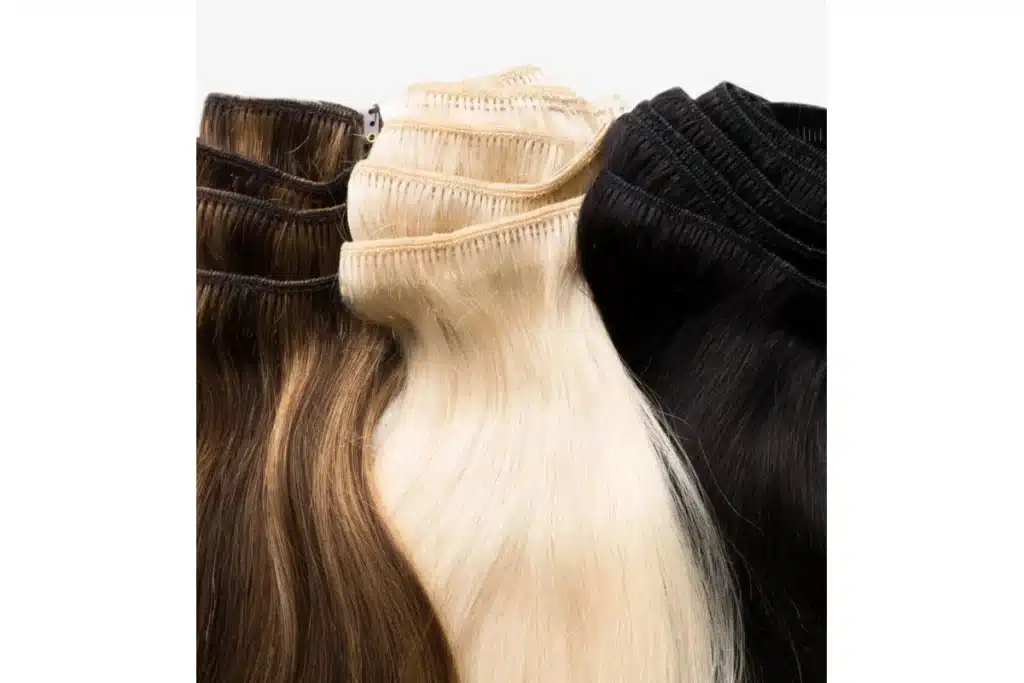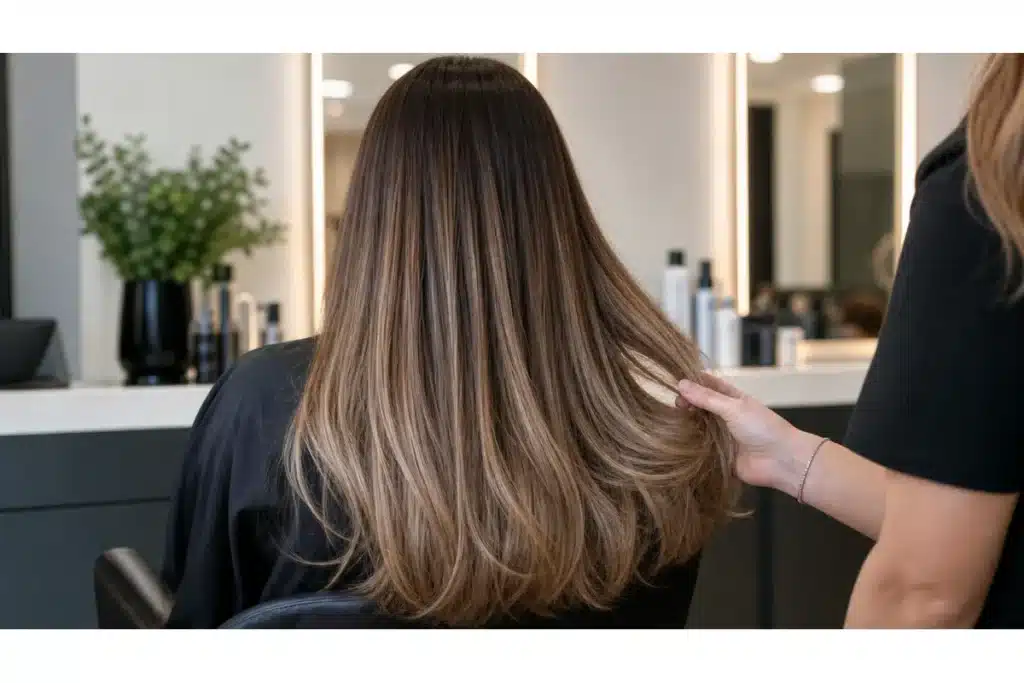
Clients with fine hair usually worry about three things: visible tracks, too much weight, and scalp tension. That is why many stylists compare Genius Weft with hand-tied and machine wefts before choosing a method.
Yes, Genius Weft can be a good option for fine hair because it has a thin, flat, cuttable base with no return hair. It can sit closer to the scalp and create less bulk than traditional machine wefts. But it still needs the right weight, row placement, and installation tension.
For salons and hair brands, the real question is not only whether Genius Weft is good for fine hair. The better question is whether the weft construction, hair quality, gram weight, and installation plan are light enough for each client.

What Is a Genius Weft?
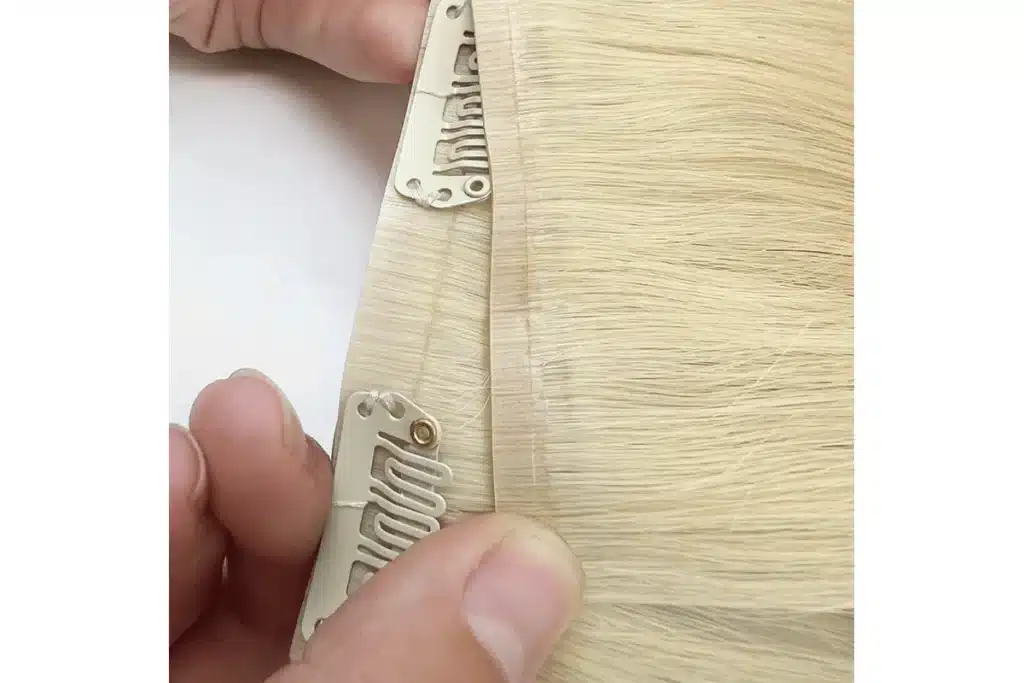
A Genius Weft is a thin, flexible hair weft designed to combine the low-profile look of hand-tied wefts with the cuttable convenience of machine wefts.
Unlike traditional hand-tied wefts, Genius Wefts can usually be cut to fit the client’s head shape without unraveling. Unlike bulky machine wefts, the base is thinner and flatter, which makes it easier to hide in fine or medium-density hair.

The main features are:
- Thin and flat weft base
- Cuttable structure
- No short return hair
- Flexible installation
- Lower bulk than traditional machine wefts
- Suitable for sew-in or beaded row methods
For fine hair, these features matter because the client has less natural density to hide the track.
Genius Weft vs Hand-Tied vs Machine Weft
| Feature | Genius Weft | Hand-Tied Weft | Machine Weft |
|---|---|---|---|
| Base thickness | Very thin | Thin | Thicker |
| Can be cut freely | Yes | No | Yes |
| Return hair | No | Usually yes | Usually yes |
| Bulk near scalp | Low | Low to medium | Higher |
| Best for fine hair | Good when weight is controlled | Good but not cuttable | Usually too bulky |
| Installation flexibility | High | Medium | High |
| Main caution | Quality varies by supplier | Cannot cut freely | Can feel heavy on fine hair |
Genius Wefts are useful because stylists can customize the row size without the same cutting limitation as hand-tied wefts. That saves time and helps create a cleaner fit.
But thin does not automatically mean safe. Fine hair still needs lighter rows, careful placement, and controlled tension.
Is Genius Weft Good for Fine Hair?
Yes, Genius Weft can be good for fine hair when the stylist uses the right weight, row count, and placement.
Fine hair needs less bulk near the scalp. A thick weft can show through easily and may create too much tension. Genius Weft solves part of that problem because the base is thin, flexible, and flatter than many traditional wefts.
| Fine Hair Concern | How Genius Weft Helps | What Still Needs Control |
|---|---|---|
| Visible tracks | Thin base sits flatter | Color match and placement still matter |
| Scalp bulk | Lower bulk than machine wefts | Do not overload rows |
| Sensitivity | No return hair can reduce irritation | Beads or thread tension still matter |
| Custom fitting | Can be cut to fit head shape | Cutting quality depends on weft construction |
| Natural movement | Flexible base moves better | Hair quality and gram weight matter |
For fine hair clients, Genius Weft should be used as a lightweight, customized option. It should not be treated as a heavy volume shortcut.
Application Tips
- Use fewer rows: usually 1–2 rows are enough for volume
- Match base color closely to the natural root
- Blend with long layers to hide ends
- Avoid installing too close to the front hairline
- Use microbeads for maximum scalp comfort
Pro Insight
Stylists working with fine-haired clients often say Genius Weft offers more styling freedom than hand-tied because it can be customized to the head shape and cut without fray. This gives a natural look that’s easier to maintain long-term. Additionally, the lack of return hairs reduces scalp sensitivity, which is a common complaint from clients with thin, sensitive scalps.
When Genius Weft May Not Be Right for Fine Hair
Genius Weft is not the right answer for every fine-hair client.
If the client has active shedding, weak roots, very sparse hair, scalp sensitivity, or damaged natural hair, even a thin weft may still create too much tension. In these cases, the stylist may need fewer grams, a lighter method, or a different placement plan.
| Situation | Risk | Better Approach |
|---|---|---|
| Very sparse hair | Track may show through | Use fewer rows or smaller sections |
| Weak roots | Tension can cause breakage | Reduce weight or choose a lower-tension method |
| Sensitive scalp | Beads or stitching may feel uncomfortable | Test placement and avoid tight rows |
| Short layers | Blending may be difficult | Use careful cutting and lower density |
| Heavy volume goal | Too much weight for fine hair | Build volume gradually |
The safest fine-hair result comes from restraint. More hair is not always better. The goal should be natural density, clean blending, and comfortable wear.
Is Genius Weft better than hand-tied?
Both have their strengths—but Genius Weft is winning over many professionals.
Yes, in many scenarios, Genius Weft is better than hand-tied due to its cuttable structure, no return hair, and durability. Stylists who need both flexibility and speed find Genius to be a more practical choice.
Key Differences
| Feature | Genius Weft | Hand-Tied Weft |
|---|---|---|
| Cuttable | ✅ Yes | ❌ No |
| Return Hairs | ❌ None | ✅ Yes |
| Comfort | Very High | High |
| Reusability | 3–5 Installs | 3–4 Installs |
| Custom Fit Options | High | Moderate |
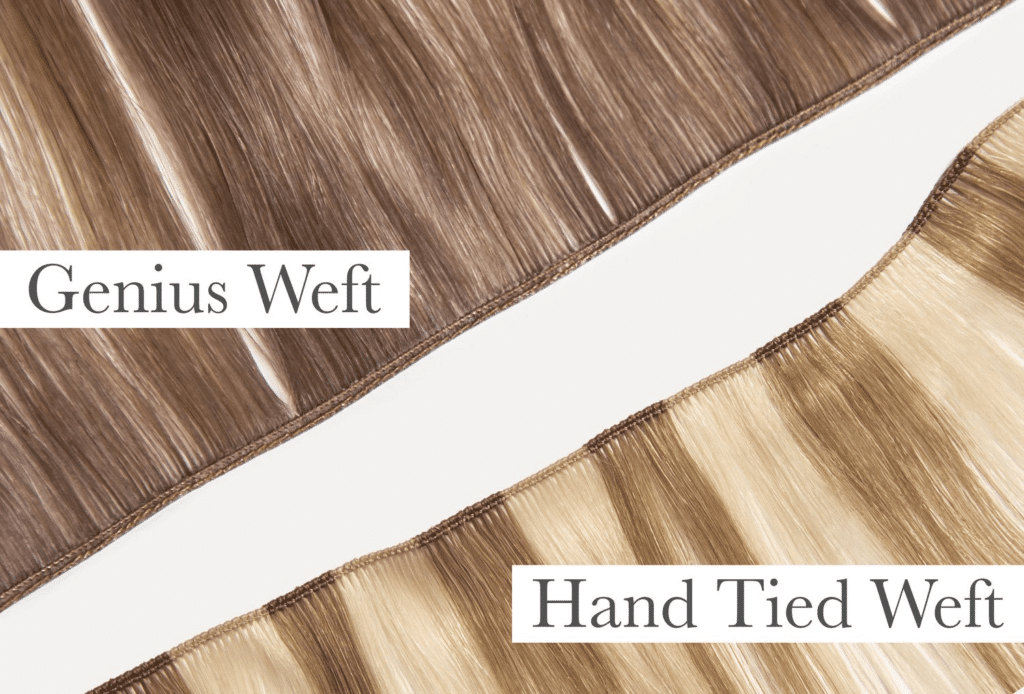
Considerations
- Genius Weft saves time during install.
- It can be stacked for fullness.
- Doesn’t unravel if cut—hand-tied must stay intact.
- Genius works well for both thin and average-density hair.
Still, hand-tied has its place for stylists who love its handmade softness or when working with clients who have very fine baby hairs and need micro stitching. Some stylists also prefer hand-tied wefts for their soft finish and low-profile stitching, especially when working with curly textures.
How long does Genius Weft last?
Durability is a big selling point for any extension method.
Full cuticle grade Genius Weft extensions typically last 9 to 12 months with proper care, and they can be reused for multiple installations. Premium versions made with full cuticle virgin hair can last even longer.
Factors That Affect Longevity
- Hair quality: Full cuticle hair lasts longer
- Styling habits: Heat tools and chemicals reduce life
- Move-up frequency: Usually every 6–8 weeks
- Storage: Must be kept dry and detangled when not in use
- Proper removal: Prevents breakage or tangling for next install
Care Tips
- Use sulfate-free shampoo
- Sleep with a braid or silk bonnet
- Avoid oils near the weft base
- Brush from ends upward using loop brush
- Schedule regular move-up appointments to avoid stress at the root
With proper care, a stylist can reinstall the same Genius Weft set up to 4–6 times. Compared to other weft options, this level of reusability adds long-term value to both the salon and the client.

What Salons and Hair Brands Should Check Before Ordering
Before buying Genius Weft hair extensions wholesale, salons and hair brands should test more than softness.
A good Genius Weft should stay thin, flexible, cuttable, and stable after washing, brushing, sewing, and removal.
| Buyer Check | What to Look For |
|---|---|
| Weft thickness | The base should stay flat without feeling bulky |
| Cuttability | The weft should not unravel or shed heavily after cutting |
| Return hair | No short return hair should irritate the scalp |
| Hair cuticle condition | Hair should stay smooth after washing |
| Shedding control | The weft top should remain stable during brushing |
| Color consistency | Bulk orders should match approved samples |
| Reuse performance | Hair should remain manageable after move-ups |
| Sample-to-bulk consistency | The production batch should match the tested sample |
For fine-hair clients, small construction problems become very visible. A thick seam, poor color match, or weak weft top can create complaints quickly.
You can compare our hair weft extensions or learn more about full cuticle hair before testing Genius Weft samples.
My View
I do think Genius Weft is one of the better weft options for fine hair, but only when the stylist keeps the install light and controlled.
The thin, cuttable base is a real advantage. It helps the stylist customize the row and reduce bulk. No return hair is also helpful for clients who dislike itching or scalp irritation.
But Genius Weft is not magic. If the row is too heavy, the placement is too close to fragile areas, or the supplier’s weft construction is weak, fine-hair clients can still have problems.
From a manufacturer’s point of view, the most important checks are weft thickness, cutting stability, shedding control, hair quality, and batch consistency. Those details decide whether Genius Weft feels premium after real salon use.
FAQs About Genius Weft for Fine Hair
Is Genius Weft good for fine hair?
Yes, Genius Weft can be good for fine hair because the base is thin, flat, cuttable, and usually has no return hair. It still needs light weight, careful placement, and controlled tension.
Is Genius Weft better than hand-tied weft?
Genius Weft is often more flexible because it can be cut without unraveling. Hand-tied weft is also thin, but it should not be cut freely and may have short return hair.
Can Genius Weft damage fine hair?
It can cause stress if too much weight is installed or the row is too tight. Fine hair needs lighter grams, careful placement, and regular move-ups.
How long does Genius Weft last?
The install usually needs move-ups every 6–8 weeks. The hair itself can last much longer when made from high-quality full cuticle hair and maintained properly.
How many rows of Genius Weft are needed for fine hair?
Many fine-hair clients only need 1–2 rows for natural volume. More rows may create too much weight or visibility.
Can Genius Weft be cut?
Yes, quality Genius Weft is designed to be cut without unraveling. Buyers should still test cutting stability before bulk ordering.
What should salons check before buying Genius Weft wholesale?
Salons should check weft thickness, cuttability, shedding, return hair, hair quality, color consistency, and sample-to-bulk stability.
Conclusion
Genius Weft can be a good choice for fine hair because it is thin, flat, cuttable, and usually has no return hair. These features help reduce bulk and create a more discreet salon finish.
Still, fine hair needs careful planning. The stylist should control row weight, placement, tension, color match, and move-up timing. A thin weft can still cause problems if it is installed too heavily or sourced from an inconsistent supplier.
For salons and hair brands, the safest choice is to test Genius Weft samples before bulk ordering. Check the weft thickness, cuttability, shedding control, hair softness after washing, and batch consistency. You can explore our hair weft extensions, read more about full cuticle hair, or contact Hibiscus Hair to request Genius Weft samples.