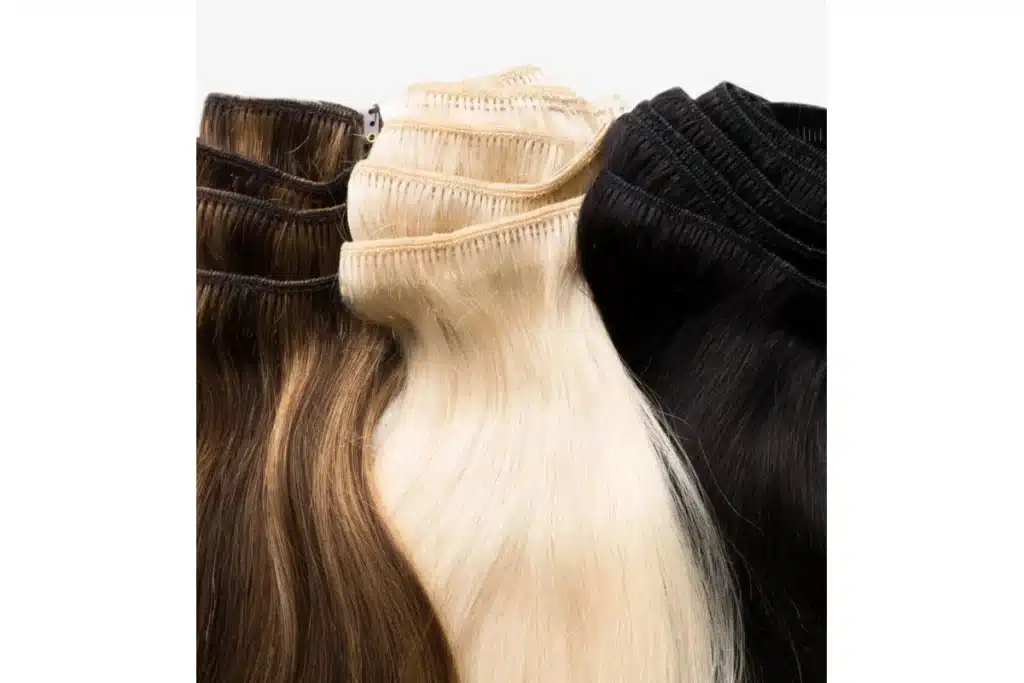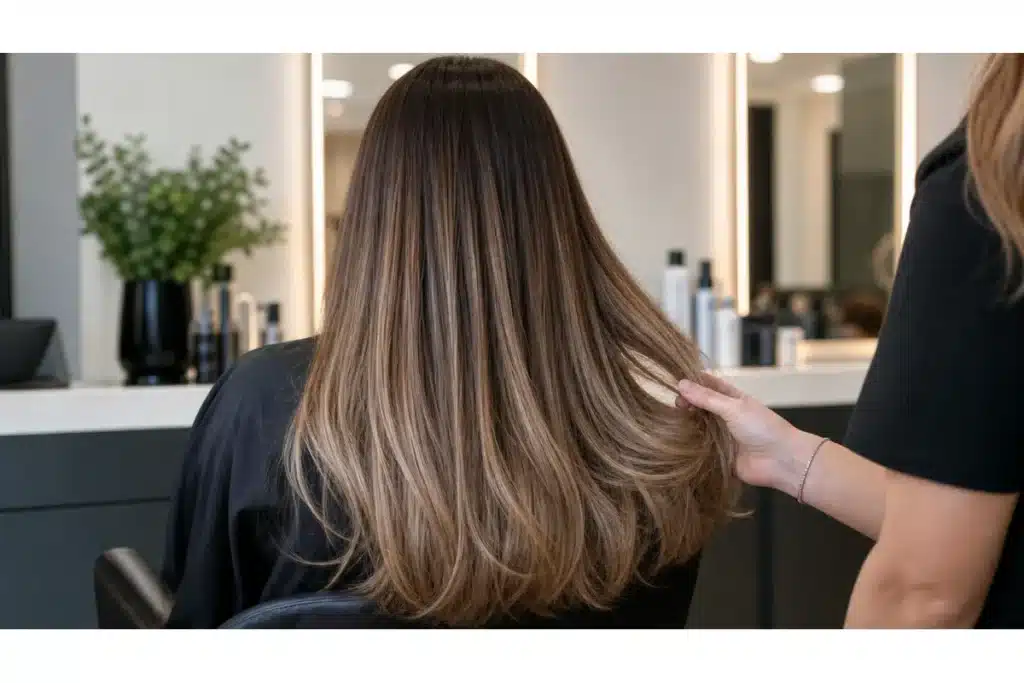
Many clients ask how hair extensions work. Salon owners and hair brands need a deeper answer: which method works best for comfort, wear time, maintenance, and repeat client satisfaction?
Hair extensions work by attaching extra hair to natural hair through tape, keratin bonds, beads, clips, sewing, or weft-based rows. Each method affects installation time, comfort, longevity, maintenance, and removal. For professional buyers, the final result also depends on hair quality, attachment strength, and aftercare.

The method explains how the hair is installed. The quality explains how the hair performs after washing, brushing, styling, and reinstallation.
What are hair extensions?
Hair extensions are lengths of human or synthetic hair attached to a client’s natural hair to create added length, thickness, or color accents. They can be temporary, semi-permanent, or long-term depending on the method used. The best quality extensions are full cuticle, single-donor human hair, which maintain natural shine, softness, and durability for 1–2 years with proper care.
Common types of hair extensions
| Extension Type | How It Works | Typical Wear Time | Best For |
|---|---|---|---|
| Tape-In Extensions | Adhesive tape tabs sandwich natural hair | 6–8 weeks | Fast salon service, fine to medium hair |
| Keratin Tip Extensions | Keratin bonds are heated and sealed around natural hair | 3–5 months | Discreet strand-by-strand results |
| I Tip / Nano Extensions | Beads or rings clamp the extension tip to natural hair | 6–10 weeks before move-up | No-heat installs and flexible placement |
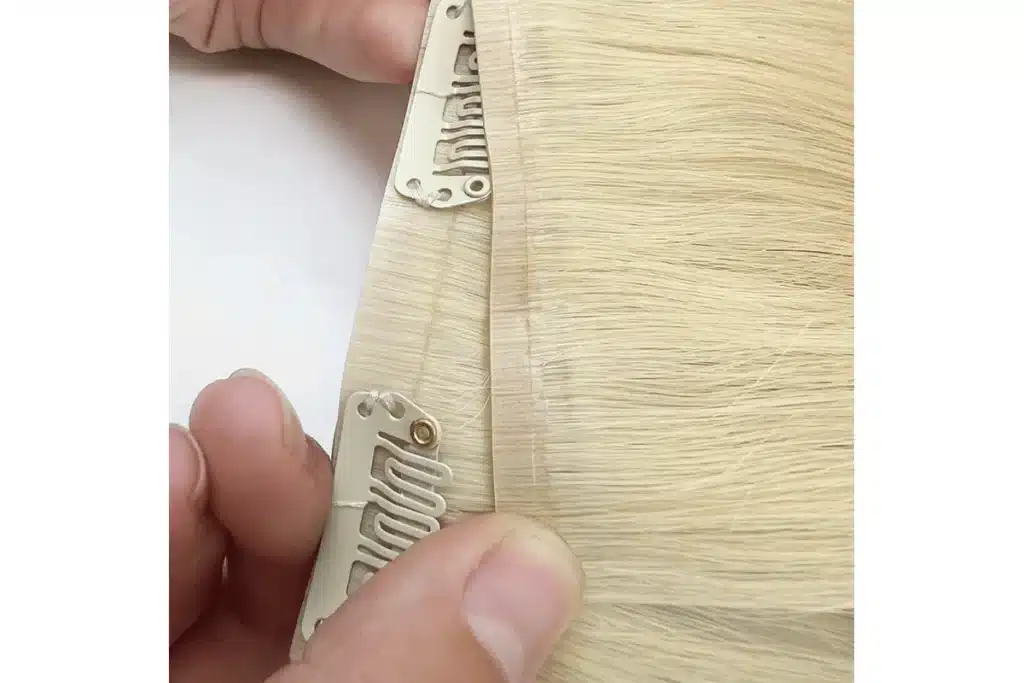
| Clip-In Extensions | Clips attach wefts temporarily | Daily wear | Temporary volume and events |
| Hair Wefts | Weft rows are sewn, beaded, or attached in rows | 6–10 weeks | Full-head volume and salon transformations |
Each type differs in cost, longevity, installation process, and maintenance requirements. Professional salons evaluate client hair type, lifestyle, and expectations before selecting the method.
How do hair extensions work?
Hair extensions work by integrating additional hair with natural hair using secure attachment methods. The aim is to blend seamlessly so the extensions move naturally and remain comfortable. Let’s break down each method in detail.
How do tape-in hair extensions work?
Tape-ins are thin, pre-taped adhesive wefts.
Installation steps:
- Shampoo hair to remove oils; do not use conditioner at the roots.
- Section the hair into clean, straight partings.
- Place one tape weft under a thin slice of the client’s hair, sticky side up.
- Press another tape weft on top, sticky side down, sandwiching the client’s hair in between.
- Use pliers or your fingers to press and seal the bond.
Key points:
- Must be moved up every 6–8 weeks as hair grows.
- Reusable with new tape tabs.
- Ideal for adding volume and length quickly without heat tools.
For Salons and Hair Brands: What Should You Check Before Choosing a Method?
Choosing a hair extension method is not only about installation. It is also about client comfort, service time, maintenance risk, and after-sales complaints.
For salons, tape-ins may save installation time, but adhesive care must be explained clearly. Keratin tips can look discreet, but installation and removal require more skill. I tips and nano tips avoid heat, but bead size and strand weight must match the client’s natural hair. Wefts are efficient for volume, but row placement and weft construction affect comfort.
For wholesale buyers, the sample should be tested before bulk orders. Wash the hair, brush it, heat style it, and check the attachment. A soft sample is not enough. The real test starts after real use.
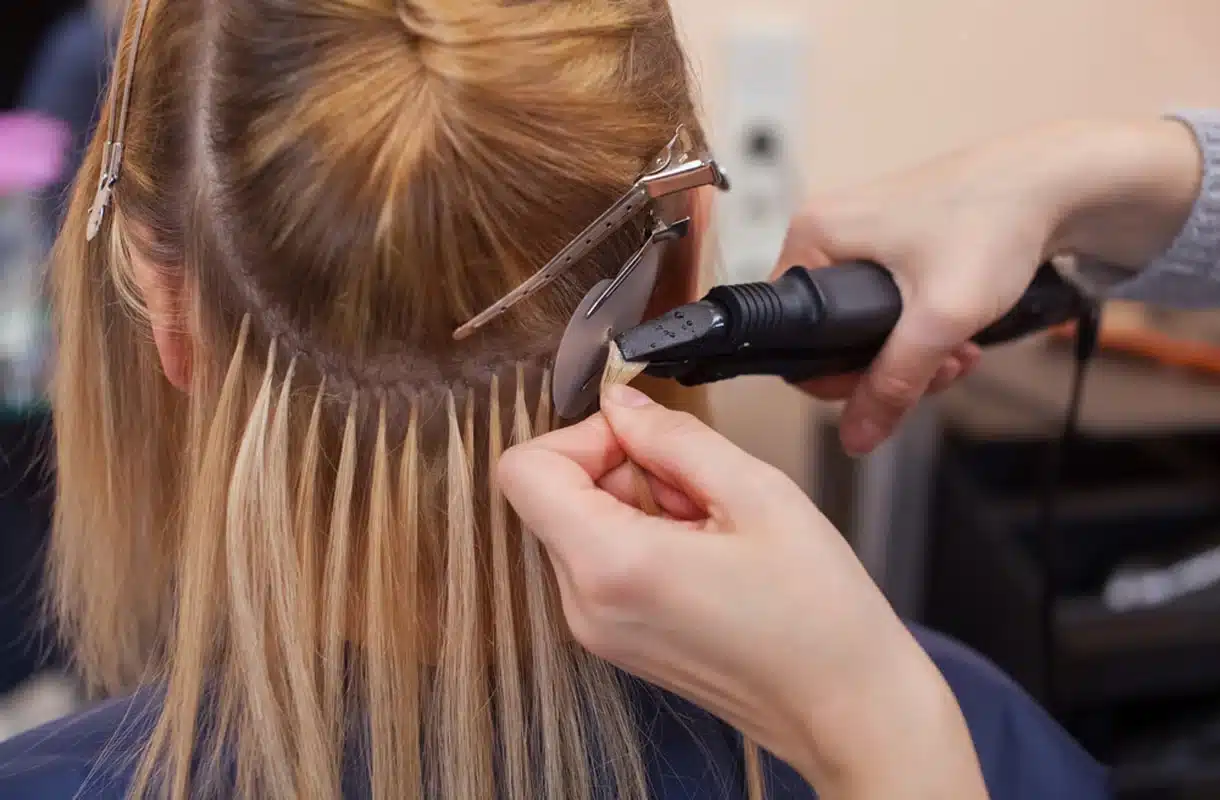
How do keratin hair extensions work?
Keratin bond extensions have a small tip of keratin resin that is melted to fuse with the client’s hair.
Installation steps:
- Isolate a small section of hair.
- Place the keratin-tipped strand alongside the natural hair section.
- Heat the bond with a fusion tool until the keratin softens.
- Roll and seal the keratin around the natural hair with fingers or pliers.
- Repeat across the head in rows.
Key points:
- Last 3–5 months before removal.
- Not reusable once removed,but if you good at rebonding that can be reuse.
- Offers the most discreet and flexible styling, including updos.
How do beaded hair extensions work?
Beaded extensions (I-tip, nano tip) use small beads to clamp extensions to natural hair.
Installation steps:
- Thread a bead onto a pulling loop or needle.
- Pull a small section of client’s hair through the bead.
- Insert the extension tip into the bead alongside the natural hair.
- Clamp the bead flat with pliers to secure.
Key points:
- No heat or glue needed.
- Beads need tightening every 6–8 weeks.
- Hair can be reused multiple times.

How do clip-in hair extensions work?
Clip-ins are temporary extensions for daily or occasional wear.
Installation steps:
- Section the hair horizontally starting at the nape.
- Snap open the clips on the weft.
- Place the clips at the root of the section and snap shut.
- Blend with natural hair using a brush or heat styling.
Key points:
- Install in minutes without a stylist.
- Must be removed before sleeping or washing.
- Ideal for special events or photoshoots.

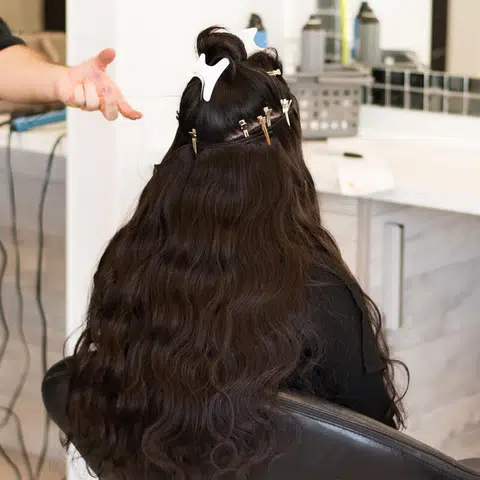
How do hair weft extensions work?
Hair wefts are strips of hair sewn or bonded at the top.
Installation steps (sew-in method):
- Create horizontal cornrow braids in the client’s hair.
- Lay the weft along the braid.
- Sew the weft to the braid using a curved needle and weaving thread.
Other methods:
- Beaded weft: Attach with beads instead of sewing.
- Adhesive weft: Bond directly to hair with glue tape strips.
Key points:
- Wear time is 6–10 weeks.
- Reusable when properly removed.
- Great for full-head volume and long-lasting installs.
How to choose the right hair extensions
When advising a client (or choosing for yourself), consider:
- Hair type & density
Fine hair: tape-in or hand-tied weft for lightweight feel.
Thick hair: keratin bonds or machine wefts for secure hold. - Lifestyle & maintenance
Active lifestyle: beads or clip-ins for flexibility.
Low-maintenance: keratin bonds for long-term wear. - Desired result
Volume only: partial wefts or scattered bonds.
Full transformation: full head of tape-ins or wefts. - Budget & longevity
Full cuticle hair lasts 1–2 years; higher cost but better ROI.
Non-Remy hair is cheaper but lasts only a few months.
How to Care Hair Extensions
Professional care guidelines
- Washing: Use sulfate-free shampoo, wash 2–3 times weekly, avoid scrubbing bonds.
- Conditioning: Keep conditioner and oils off the bonds.
- Drying: Blow-dry roots fully after washing to prevent adhesive breakdown or mildew.
- Brushing: Use loop brush, hold roots to reduce tension. Brush several times daily.
- Styling: Avoid direct heat on bonds. Use heat protectant spray.
- Sleeping: Tie or braid hair loosely and use silk pillowcases.
- Swimming: Protect with leave-in conditioner and braid before swimming. Rinse immediately after.
Why Hair Quality Changes How Extensions Work?
The same installation method can give very different results when the hair quality is different.
Full cuticle human hair usually performs better because the cuticle direction and surface condition help the hair stay softer, smoother, and more stable after washing. Lower-grade hair may feel soft at first because of coating, but it can become dry or tangled after several washes.
For professional buyers, hair quality affects more than appearance. It affects client satisfaction, reuse value, salon reputation, and repeat orders.
My Opinion
From my 15+ years in manufacturing and supplying high-end hair extensions, I can confirm that understanding how extensions work directly impacts client satisfaction and retention. Salons that master each installation method, use full cuticle human hair, and provide clear aftercare instructions consistently see better results, fewer complaints, and higher profitability.
FAQ
Q: How do extensions work for short hair clients?
A: Strategic placement and blending techniques can transform short hair, but more pieces may be needed for coverage.
Q: Can hair extensions work for thin hair?
A: Yes, but lightweight methods like tape-in or nano beads are best to avoid excess tension.
Q: How long does it take to install extensions?
A: Tape-ins: 45–90 min, Keratin: 3–5 hours, Beads: 2–3 hours, Wefts: 1–3 hours.
Q: How do extensions work for highlights without bleaching?
A: By adding lighter extension strands among the natural hair.
Q: Are extensions waterproof?
A: Yes, but chlorine and saltwater can dry the hair. Rinse and treat immediately.
Q: Can I style extensions like my natural hair?
A: Yes, if they are 100% human hair. Always use heat protection.
Q: How many pieces do I need for a full head?
A: Depends on the method and client density. Tape-ins: 40–60 pieces, Keratin: 100–150 strands.
Q: Can extensions cause headaches?
A: Only if installed too tightly or if the hair is too heavy for the client’s natural hair.
Q: Can hair extensions be colored after installation?
A: Only certain methods allow safe coloring in place (wefts, some tape-ins). Keratin tips are best colored before installation.
Conclusion
Hair extensions work by integrating extra hair with natural hair using specific attachment methods. The key to success is matching the right method and hair quality to the client’s needs — and maintaining them correctly.
Hibiscus Hair Manufacturer has been dedicated to producing high-quality I tip hair extensions for 25 years and is a recognized leader in the industry. If you are interested in finding a reliable hair extensions supplier and wholesale for your brand, please visit our website for more information: