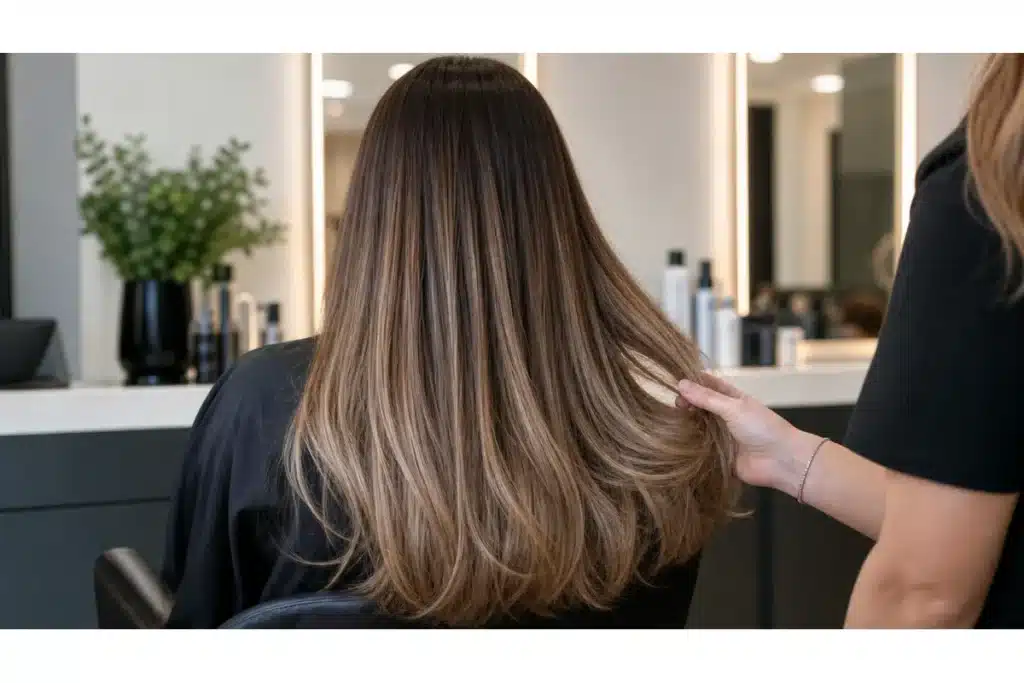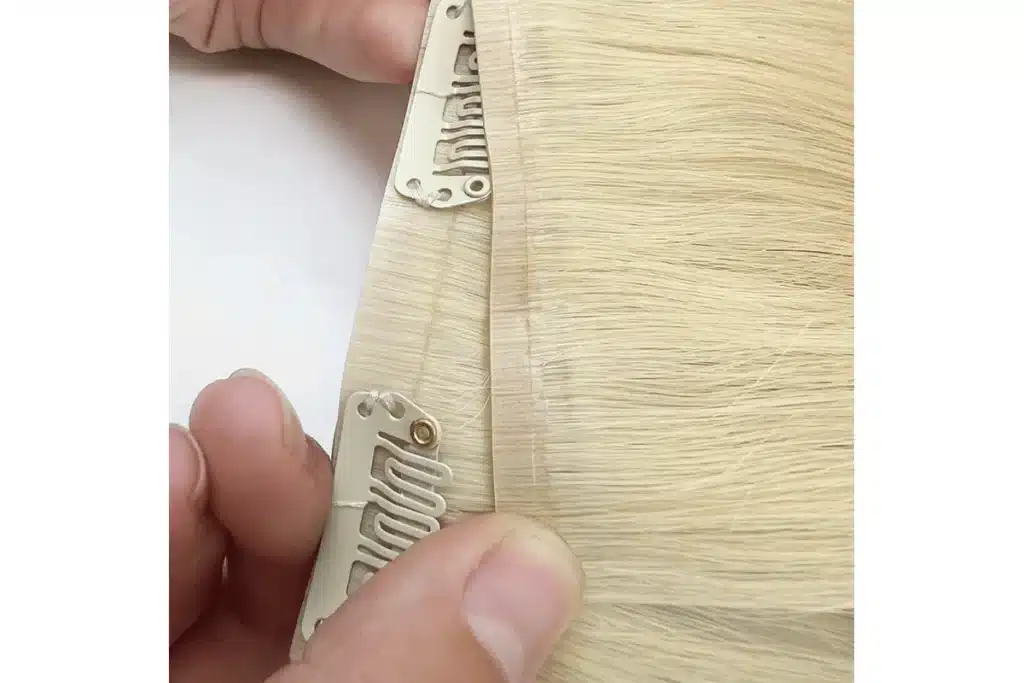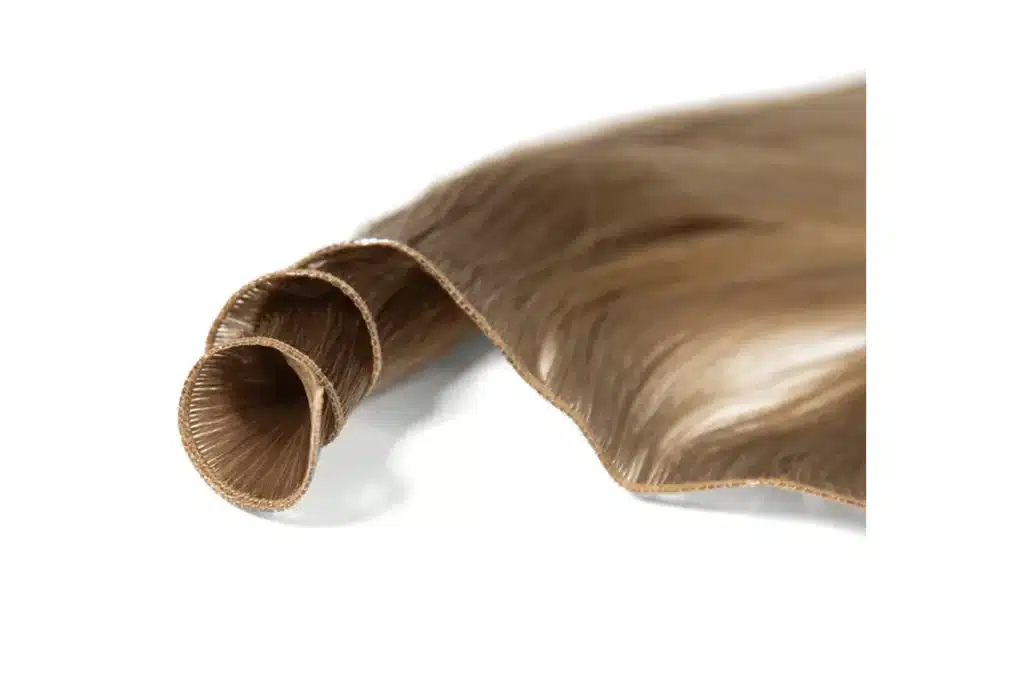
We understand how frustrating it can be when copper-colored hair extensions don’t match properly, especially when they’ve been installed correctly. Before scheduling a touch-up service, we need to determine exactly which section of hair has changed.
Copper-colored hair extensions and dyed natural hair may fade or take color differently due to variations in their treatment history, hair condition, and the products they’ve been exposed to. Before recommending a re-coloring, we’ll compare both to the original color-matching results on dry hair. The mere appearance of a new color discrepancy does not necessarily mean there is a defect in the hair extensions themselves.
We begin by asking a key question: Has the color of the hair extensions changed, has the client’s natural hair color changed, or have both changed? The answer to this question will determine the salon’s next steps and the evidence required from the supplier.
Why Can Copper Hair Extensions Stop Matching After Washing?
The two hair sources can look similar on installation day without responding the same way to washing and later color services.
Copper remains relevant to current salon conversations. Allure’s fall 2026 trend report includes a soft cinnamon-copper direction alongside other warmer shades. That is a reason to prepare a careful color consultation, not proof that every salon should stock a large copper range. [1]
The same visible shade can have a different history
Wella’s professional color guidance describes copper as a warm color family and discusses maintenance for red and copper tones. Its guidance concerns salon coloring; it does not establish a wash-life promise for extensions. [2]
For our extension checks, we also ask how each hair source reached its current color. The client’s hair may have old highlights under a recent gloss. The extensions may already have been lightened and colored before supply. We cannot assume those two histories produce the same response to another wash or toner.
For salon buyers, we suggest recording these parameters before installation:
| Parameter | Natural hair record | Extension sample record |
|---|---|---|
| Depth and warmth | The stylist records the finished dry shade. | The buyer retains the approved physical shade reference. |
| Root-to-end tone | The stylist notes darker roots or lighter ends. | The buyer checks the full length, not only the top. |
| Processing history | The stylist records known lightening and color services. | The supplier confirms known processing and recoloring limits. |
| Attachment format | The stylist records the planned placement. | The buyer records tape, weft, or bond construction and care limits. |
A color name is not a maintenance promise
We would not treat “copper,” “auburn,” or “ginger” as a complete specification. A brown-based copper and a brighter orange-copper may need different matching decisions. The physical sample matters more than a screen label.
How Can a Salon Tell Which Hair Has Changed?
We compare dry natural hair, worn extensions, and the original reference under the same light before adding another product.
Recreate the original comparison
We ask the stylist to separate a small section of natural hair from a nearby extension panel. Both should be dry. The salon should compare them in the same neutral light and avoid filtered photographs.
An unworn retained sample helps distinguish a change in the extensions from a change in the client’s color. It is a reference, not proof of cause: it has not experienced the client’s washing, styling, or wear.
We also ask where the difference begins. An even loss of warmth calls for different questions from pink marks on the ends or an isolated dark patch. The pattern gives us a starting point, not a diagnosis.
Ask about new exposures without blaming the client
An after-sales example in our training records involved blonde tape-ins that developed a pink cast through the lengths. The discussion first focused on shampoo and toner. The customer later reported spray-tan use. That report did not prove the cause, but it gave the team another exposure to investigate.
We use the same questioning method for copper complaints. We ask what changed before the mismatch appeared: a color mask, a salon gloss, swimming, tanning products, or a different washing routine. We keep the product names and dates. We do not turn a possible exposure into an automatic reason to reject a complaint.
Should the Salon Refresh the Copper Color or Replace the Hair?
We recommend a color correction only after the salon checks the hair’s condition, the supplier’s limits, and a separate test section. Replacement may be more suitable when further processing is not supported.
Check the attachment as well as the shade
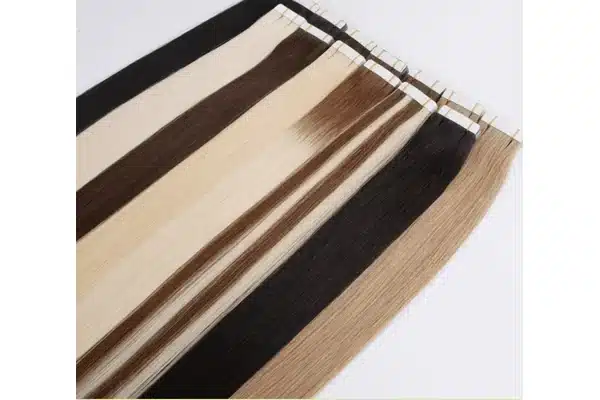
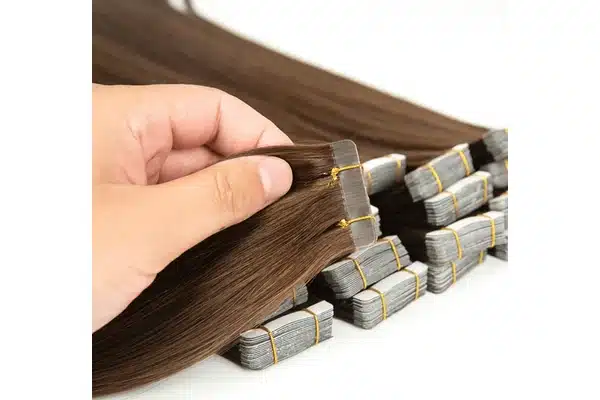
Buyers choosing from our tape in hair extensions range should ask which color and care products are compatible with the attachment system. A product intended for natural hair does not automatically suit an installed tape panel.
For our hair weft range, we still want the salon to check the finished hair and seam. Changing the attachment format does not erase the hair’s processing history.
Separate color testing from safety testing
We would not prescribe a universal copper formula, bleach bath, or stronger toner from a photograph. A stylist should test a separate sample with supplier-approved products and assess the dry color and condition before treating more hair.
A strand test checks the color result; it does not replace an allergy test. For a color service on the client, the product’s safety directions still apply. FDA advises following label instructions and performing the directed skin test before each use. A previous uneventful application does not rule out a later reaction. [3]
If the supplier does not support recoloring, we would compare a replacement sample with the client’s current dry shade. Ordering the original code again may repeat the mismatch if the client’s color has changed.
What Should a Copper Color Follow-Up Include?
We want the salon to leave a clear record of the original match, the care plan, and the next comparison, rather than promise a fixed number of washes.
Agree on one care plan
The colorist and extension stylist should agree on the products the client will use. We do not want one recommending a copper-depositing mask while the other expects the supplied shade to remain unchanged.
The first follow-up should respond to the client’s service history and the products used. We avoid promising that natural hair and extensions will need refreshing on an identical schedule.
Give the supplier something useful to assess
For a sample review or after-sales enquiry, we ask for the order or batch reference, installation date, original and current dry photographs, and product history. We also ask whether any unused hair remains for comparison.
Ask Hibiscus Hair About Copper Shade Samples
We can use that information to discuss a sample or investigate a reported change. A photograph alone is not enough to guarantee an exact replacement match.
My View
From our factory perspective, a copper order needs a plan for the second appointment as well as the first. The first match can look convincing under salon lights. The more useful question is how the salon will assess it after the client has washed and styled both hair sources.
We prefer a small approved sample, a clear record of the client’s finished shade, and honest limits on further coloring. These details help a stylist explain a change without guessing. They also give a supplier a fair basis for checking an after-sales concern.
We would not ask a buyer to stock every copper variation because a warm shade is attracting attention. We would start with the clients the salon actually serves, test the proposed care routine, and expand the range only when repeat appointments show what needs adjusting.
Frequently Asked Questions
Do copper hair extensions always fade faster than natural hair?
We would not make that claim. Either hair source may change more visibly, depending on its color history and care. We compare both with the original match.
Can a copper conditioner fix the mismatch?
It may change the tone, but it can also change the two hair sources unevenly. We recommend checking supplier compatibility and testing a separate sample first.
Does fading mean the hair is poor quality?
Color change alone does not establish quality or cause. We check the agreed sample, care history, condition, and pattern of change before reaching a conclusion.
Conclusion
We treat a copper mismatch as a comparison problem before treating it as a coloring problem. Check which hair changed, record new exposures, and confirm what further treatment the extensions can support. That sequence gives salons a clearer route to a refresh, replacement, or supplier review.