Many clients ask this before booking a tape-in service: “Are tape in extensions bad for your hair?” The honest answer is not yes or no.
Tape-in extensions are not bad for natural hair when they are installed correctly, matched to the client’s hair density, maintained properly, and removed by a professional. They can cause damage when the tape is too heavy, placed too close to the scalp, removed carelessly, or used on weak, over-processed hair.
From a salon and factory point of view, damage is usually not caused by “tape-in extensions” alone. It usually comes from poor installation, wrong aftercare, weak adhesive, low-quality hair, or a client who was not suitable for tape-ins in the first place.
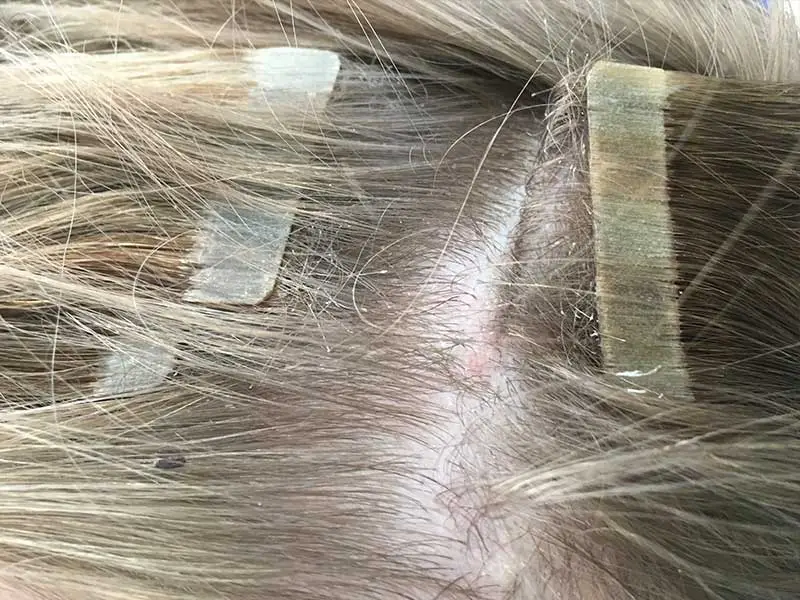
Do Tape-In Extensions Really Damage Natural Hair?
Tape-in hair extensions are often misunderstood. While the extensions themselves are gentle on the hair, improper application frequently leads to damage. Let’s take a closer look at the specific causes of this damage and how to avoid these issues:
Proper Application is Critical
This is the part many clients do not understand. Tape-ins are safe when the natural hair can support them. They become risky when the method is forced onto the wrong client or handled carelessly.
When tape-ins are improperly applied—whether by incorrect tension, misaligned placement, or using subpar adhesives—problems begin. Stress at the hair root can lead to hair breakage, scalp discomfort, and even traction alopecia.
To ensure a damage-free experience:
- Always use high-quality adhesive tapes designed specifically for hair extensions.
- Ensure even weight distribution across the client’s natural hair.
- Have a certified and experienced technician perform the installation to minimize potential damage.

Importance of Professional Removal and Reapplication
The removal stage is equally important. Hastily removing tape-ins without professional-grade adhesive removers or proper techniques can severely damage hair. Tape-ins require repositioning every 6–8 weeks to prevent excess tension as hair grows.
Always emphasize to your clients:
- Professional removal is essential to avoid breakage.
- Regular appointments should never be skipped to ensure hair and scalp health.
- Only professional-grade removers should be used.
Aftercare: A Crucial Step for Healthy Tape-ins
Effective aftercare extends tape-in lifespan and protects natural hair. Teach your clients the following critical care steps:
- Recommend sulfate-free shampoos and gentle conditioners specifically formulated for extensions.
- Avoid heavy oils, alcohol-based products, and harsh treatments.
- Encourage clients to brush extensions daily with extension-specific brushes, working gently from tips to roots.
Expert Tips to Maintain Tape-ins
To keep tape-ins safe and beautiful, share these expert tips with your clients:
- Consistent Maintenance: Regular salon appointments every 6–8 weeks are essential for adjustments.
- Heat Protection: Advise against frequent high-heat styling. Always use thermal protectants to safeguard both extensions and natural hair.
- Proper Sleep Routine: Suggest silk or satin pillowcases to prevent friction and tangling overnight.
When Can Tape-In Extensions Damage Natural Hair?
Tape-in extensions usually create problems when the weight, placement, adhesive, removal, or aftercare is wrong.
The tape method itself is not the crux of the problem; the error in judgment is.
| Damage Risk | What Usually Causes It | How Salons Prevent It |
|---|---|---|
| Root tension | Tape pieces are too heavy for the natural hair | Match extension weight to hair density |
| Slipping | Oil, conditioner, sweat, or weak adhesive | Teach aftercare and test tape quality |
| Breakage | Rough brushing or poor removal | Use proper brushing and professional remover |
| Matting | Wearing tape-ins too long without maintenance | Schedule move-up every 6–8 weeks |
| Scalp discomfort | Tapes placed too close to the scalp | Leave proper space from the root |
| Hairline stress | Tape placed on fragile front hairline | Avoid weak areas or use lighter pieces |
This is the part many clients do not understand. Tape-ins are safe when the natural hair can support them. They become risky when the method is forced onto the wrong client or handled carelessly.
Are Tape-In Extensions Bad for Thin Hair?
Tape-in extensions can work for thin hair, but only when the stylist uses the right weight, section size, and placement.
Thin hair cannot carry the same load as thick hair. If the tape tab is too wide, too heavy, or placed too close to the hairline, it may become visible or create tension.
For fine hair clients, mini tape-ins, lighter grams, or fewer pieces may be safer than a heavy full-head install. The front hairline and crown area need extra caution because they are easier to expose and easier to stress.
For salons, the safer rule is simple: if the client’s natural hair cannot hide or support the tape, reduce the weight or choose another method.
Common Myths Debunked
Let’s clarify some widespread myths about tape-in extensions:
Myth #1: “Tape-ins always lead to hair thinning”
No. Hair thinning usually comes from poor installation, too much weight, long wear without maintenance, or rough removal. Tape-ins themselves are not the automatic cause.Incorrect. Hair thinning generally results from poor installation techniques or improper maintenance—not from the extensions themselves.
Myth #2: “Tape-ins Restrict Hairstyling Options”
Quite the opposite! Tape-ins allow versatile styling, including ponytails, updos, curls, and waves, provided styling is done gently.
Myth #3: “Tape-ins need no maintenance”
This is false. Tape-ins are easier than some methods, but they still need brushing, careful washing, product control, and salon move-up every 6–8 weeks.

Who Is Not a Good Candidate for Tape-In Extensions?
Tape-ins are not suitable for every client.
If the client has very weak hair, active scalp issues, severe shedding, recent chemical damage, or very fragile hairlines, the stylist should be careful. In some cases, the safer decision is to delay the service or choose a temporary method first.
Clients who cannot follow aftercare may also have problems. Tape-ins need clean roots, gentle brushing, careful washing, and regular maintenance.
Here is the hard truth: a method can be good, but still wrong for one client.
FAQs
Are tape in extensions bad for your natural hair?
No, tape-in extensions are not automatically bad for natural hair. Damage usually happens when they are too heavy, installed incorrectly, removed roughly, or not maintained properly.
Do tape in extensions cause hair breakage?
They can cause breakage if the natural hair is weak, the tape is placed badly, or the client brushes and removes them incorrectly.
Are tape in extensions bad for thin hair?
They can work for thin hair when the stylist uses lighter pieces and careful placement. Heavy tabs or too many pieces can create tension.
Why do tape in extensions pull out hair?
They may pull out hair when removal is rushed, adhesive residue is not softened properly, or the client wears them too long without maintenance.
How do you prevent tape in extension damage?
Choose the right weight, avoid tight placement, keep oils away from the tape, brush gently, sleep with dry hair, and return for maintenance every 6–8 weeks.
Should salons test tape-in samples before buying wholesale?
Yes. Salons and brands should test adhesive hold, removal, residue, hair softness after washing, shedding, and color stability before bulk orders.

What Product Quality Affects Tape-In Extension Safety?
Tape-in safety is not only about installation. Product quality also matters.
If the hair is heavily coated, it may feel soft before installation but become dry and tangled after washing. When the hair tangles, clients brush harder. That pulling can stress the natural hair and tape area.
If the adhesive is weak, the tape may slip too early. If the adhesive is too aggressive or messy, removal may become harder. If the PU tab is too thick, the client may feel bulk near the root.
For salon owners and wholesale buyers, these details matter because client complaints often look like “installation problems,” but the real cause may be product construction.
| Product Factor | Why It Matters | What Buyers Should Test |
|---|---|---|
| Full cuticle hair | Helps reduce dryness and tangling after washing | Wash and brush the sample several times |
| Adhesive quality | Affects slipping, removal, and residue | Test hold, residue, and remover response |
| PU tab thickness | Affects comfort and flatness | Check flexibility and root feel |
| Hair weight per piece | Affects tension on natural hair | Match grams to client hair density |
| Color stability | Affects blonde and balayage clients | Check after washing and heat styling |
Professional buyers can compare our tape-in hair extensions when checking adhesive strength, PU tab comfort, and full cuticle hair quality.
Additional Professional Insights
Conducting Thorough Consultations
In-depth consultations allow you to assess client hair condition, lifestyle, and expectations accurately. Clearly explaining care requirements and potential risks ensures informed and satisfied clients.
Training and Certification
Ensure that your salon staff is properly trained and regularly updated in best practices for tape-in extension application, maintenance, and removal.
Client Education and Resources
Provide easy-to-understand aftercare guides, tutorial videos, or demonstration sessions. Well-informed clients enjoy longer-lasting extensions and fewer complications.
Wrapping It Up
Tape-in extensions, when professionally handled, offer a safe, versatile, and reliable solution for clients desiring length and volume. Thorough client education, meticulous application, and consistent maintenance will ensure clients leave your salon feeling confident and thrilled with their extensions.
Conclusion
Tape-in extensions are not bad for your hair when the method, product quality, placement, removal, and aftercare are controlled.
For salon owners, hair extension brands, and wholesale buyers, the safer business decision is to test tape-in samples before bulk ordering. Check the adhesive, PU tab, hair softness after washing, color stability, and removal performance.
You can contact Hibiscus Hair to request tape-in hair extension samples or wholesale guidance.