Hair extensions should not feel painful. A little awareness in the first few days can be normal, but sharp pulling, headaches, sore roots, or tight pressure are warning signs.
Hair extensions may feel uncomfortable when they are installed too tightly, placed too close to the scalp, too heavy for the client’s natural hair, or not maintained on time. The method matters, but the real comfort comes from correct weight, clean placement, good hair quality, and honest client consultation.
For salons, this question is more than comfort. If clients feel pain or constant irritation, they may blame the product, the stylist, or the whole extension method. The safest approach is to match the method to the client’s hair density, scalp sensitivity, lifestyle, and maintenance habits.

Are Hair Extensions Uncomfortable?
| Comfort Issue | What Clients May Feel | Main Cause |
|---|---|---|
| Tightness near the roots | Pulling, pressure, headache | Extensions placed too close to scalp |
| Heavy feeling | Scalp fatigue or soreness | Too much weight for natural hair density |
| Itching or irritation | Scalp sensitivity | Beads, tape edge, return hair, or poor placement |
| Annoying movement | Extensions feel loose or shift | Wrong method choice or poor fitting |
| Tangling discomfort | Pulling during brushing | Low-quality hair or poor aftercare |
| Pain after a few days | Ongoing root stress | Installation tension is too high |
The short answer is no, they don’t have to be. However, like any beauty treatment, if not done right, hair extensions can feel annoying or uncomfortable. Here are a few reasons why:
Poor Application: When extensions are applied too tightly, they can cause scalp tension or even headaches.
Heavy Extensions: Extensions made from thicker, heavier hair (especially synthetic) can feel uncomfortable if not distributed evenly.
Not Adjusting Over Time: Hair grows, and without maintenance, extensions can shift, causing discomfort as they move further from the scalp.
Which Hair Extension Methods Are Most Comfortable?
The most comfortable hair extension method depends on the client’s natural hair, scalp sensitivity, lifestyle, and how long they want to wear the extensions.
| Method | Comfort Level | Best For | Comfort Risk |
|---|---|---|---|
| Halo extensions | Very comfortable | Temporary volume, sensitive scalp | Wrong wire fit may feel tight |
| Tape-in extensions | Comfortable when flat and light | Fine to medium hair | Tape placed too close to scalp |
| Genius weft / thin weft rows | Comfortable with soft tension | Medium hair, salon row methods | Over-tight beads or stitching |
| Clip-in extensions | Comfortable for short wear | Events, occasional use | Clips can pull if worn daily |
| Micro bead / I-tip extensions | Depends on bead placement | No-heat strand-by-strand clients | Beads too tight or too close |
| Keratin bonds | Comfortable when small and smooth | Long-wear clients | Heavy bonds or poor spacing |
No method is comfortable if it is installed with too much tension. The lightest method can still hurt when the placement is wrong.
Are Tape-In Hair Extensions Uncomfortable?
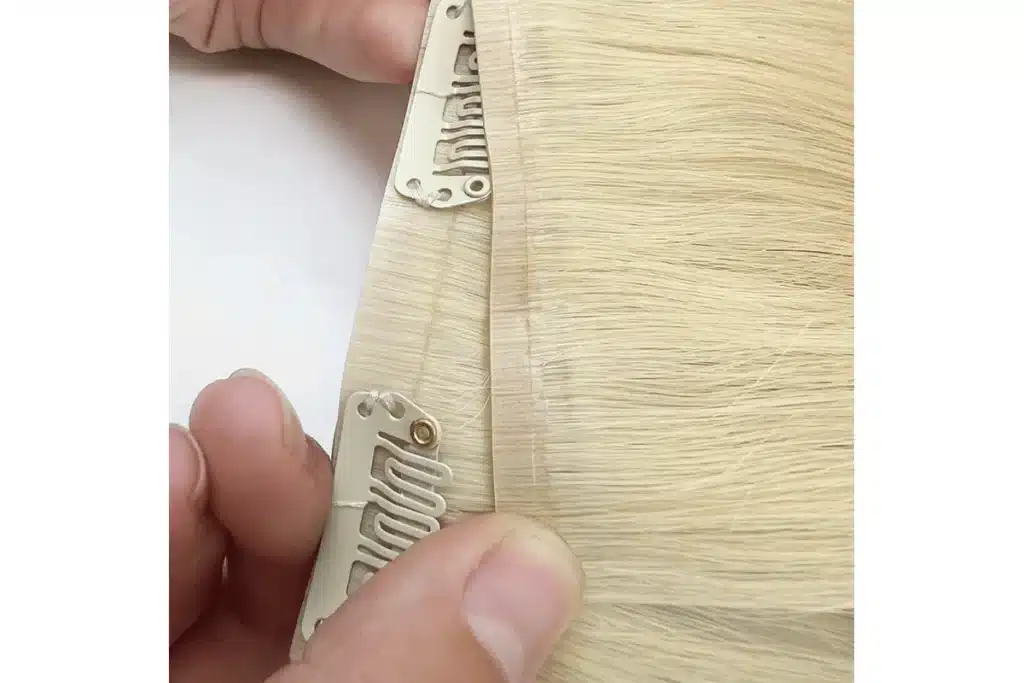
Tape-in extensions are usually one of the more comfortable semi-permanent methods because the panels lie flat and spread the weight across a wider area.
They can feel uncomfortable when the tape is placed too close to the scalp, the section is too thin, the panel is too heavy, or the adhesive starts slipping and pulling. For fine-haired clients, lightweight or invisible tape-in panels usually feel better than thick, heavy tabs.
For salons comparing tape structures, see our tape-in hair extensions options.

Are Micro Bead Hair Extensions Uncomfortable?
Micro bead extensions can feel comfortable when the beads are placed with enough scalp space and the strand weight is matched to the client’s natural hair.
Discomfort usually comes from beads that are clamped too tightly, placed too close to the scalp, or installed on hair that is too weak to support the strand. Clients with sensitive scalps may also feel the beads more during the first few days.
For salon work, bead size and silicone lining also matter. A bead that grips well but does not pinch is usually more comfortable for long wear.
For related no-heat strand methods, you can also compare keratin and tip hair extensions.

Are Clip-in Hair Extensions Uncomfortable?
Clip-in extensions are usually comfortable for short-term wear, but they are not designed for sleeping, daily tension, or all-day heavy use on fragile hair.
If clips are placed too tightly, too close to the same area every day, or used with too much hair weight, clients may feel pulling at the roots. For occasional events, clip-ins are simple and low-commitment. For daily wear, salons should be more cautious.

Are Weft Hair Extensions Uncomfortable?
Weft extensions can be very comfortable when the row is built with soft tension and the weft type matches the client’s density.
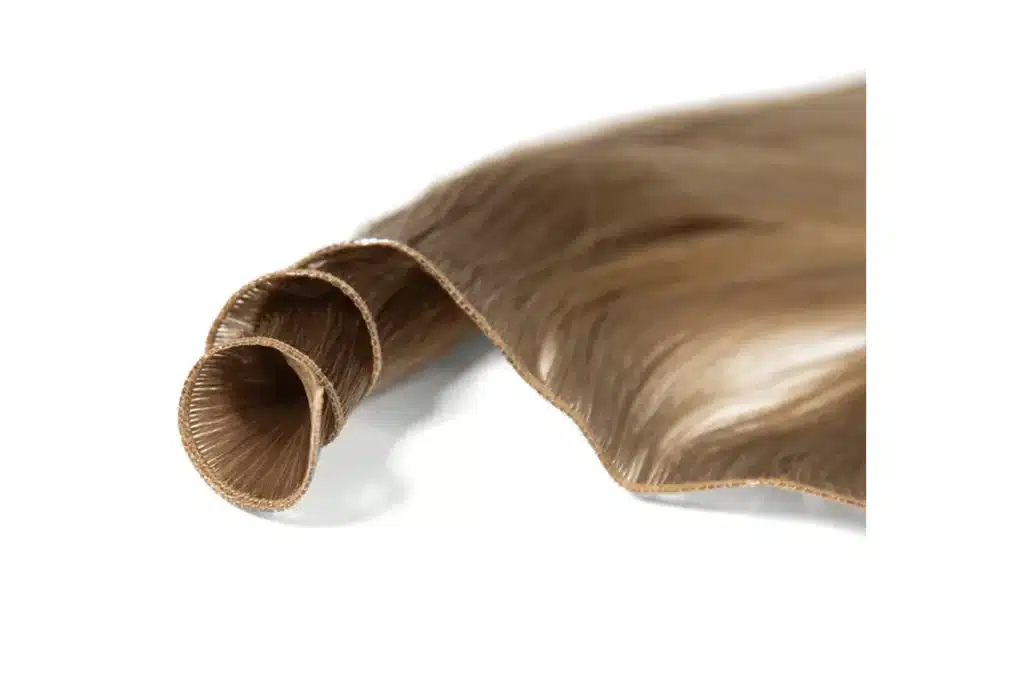
Machine wefts may feel heavier because the top seam is thicker. Hand-tied wefts feel flatter, but they usually cannot be cut freely and may have short return hair that can irritate sensitive scalps. Genius wefts are often more comfortable for premium salon work because they are thin, cuttable, and usually have no short return hair.
Professional buyers can compare more hair weft extensions when choosing between machine, hand-tied, genius, flat, and other weft types.

Are Halo Hair Extensions Uncomfortable?
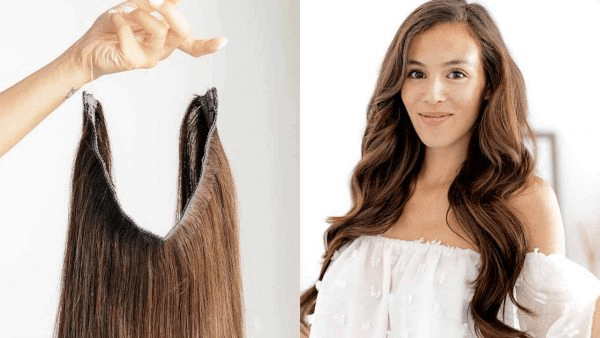
Halo extensions are often one of the most comfortable options because they do not use tape, beads, glue, sewing, or heat.
The main comfort issue is wire fit. If the wire is too tight, the client may feel pressure around the head. If it is too loose, the piece may shift. The halo also needs the right weight. A very heavy halo can feel unnatural on fine hair.
For first-time clients, sensitive scalps, or temporary volume, halo extensions are often the lowest-tension option.
Are Hair Extensions Annoying?
Hair extensions become annoying when the client constantly feels them, brushes through tangles, deals with slipping, or cannot style the hair naturally.
Most irritation is not caused by the idea of extensions itself. It comes from poor method choice, too much weight, low-quality hair, weak attachment construction, or skipped maintenance.
Full cuticle hair can help because it stays smoother for longer when processed correctly. Less tangling means less pulling during brushing, which usually makes the extensions feel more natural in daily wear.
Buyers who want to understand this difference can read our guide to full cuticle hair.
How to Ensure Hair Extensions Are Comfortable
| Comfort Check | What the Stylist Should Do |
|---|---|
| Scalp space | Do not place attachments too close to the scalp |
| Weight control | Match grams and panel size to natural hair density |
| Tension control | Extensions should feel secure, not tight |
| Method choice | Choose tape, halo, weft, bead, or bond based on client hair |
| Hair quality | Use smooth hair that does not tangle quickly |
| Maintenance timing | Move up or remove extensions before they twist or pull |
| Client education | Teach brushing, washing, sleeping, and styling rules |
Proper Installation: Whether you’re using micro bead extensions or tape-in extensions, always make sure they’re applied properly. They should be snug enough to stay in place, but not tight enough to cause discomfort.
Weight Distribution: Lighter extensions, like halo extensions, will feel more comfortable, especially for those new to wearing extensions. Make sure the weight is distributed evenly for the most natural feel.
Regular Maintenance: As hair grows, extensions can shift, causing discomfort. Schedule regular maintenance appointments to adjust or move the extensions as needed.
Use High-Quality Hair: Full-cuticle hair extensions tend to be smoother and more lightweight, so they’re more comfortable than lower-grade extensions.
What Salons Should Check Before Installation
For salons, comfort problems usually begin before the extensions are installed. A good consultation should check natural density, scalp sensitivity, shedding, lifestyle, styling habits, and maintenance discipline.
| Client Factor | Why It Matters |
|---|---|
| Fine or thin hair | May not support heavy extensions |
| Sensitive scalp | May react to beads, tight rows, or return hair |
| Oily roots | May cause tape slipping or movement |
| Active shedding | Extensions may add too much stress |
| Heavy workout habits | Sweat and washing frequency affect comfort |
| Low maintenance habits | Extensions may twist, tangle, or feel annoying |
| Tight styling habits | High ponytails can increase pulling |
For product buyers, comfort also depends on construction. Tape thickness, bead quality, weft softness, return hair length, bond size, and sample-to-bulk consistency should all be tested before offering a product widely.
Professional buyers can contact Hibiscus Hair to request samples or compare comfortable extension options for salons and brands.
FAQs About Hair Extension Comfort
Are hair extensions uncomfortable?
Hair extensions should not be painful when installed correctly. A little awareness in the first few days can be normal, but sharp pulling, headaches, or sore roots are not normal.
Do hair extensions hurt at first?
They may feel slightly new or tight for the first day or two. They should not hurt. Pain usually means too much tension, poor placement, or too much weight.
What are the most comfortable hair extensions?
Halo extensions, lightweight tape-ins, and thin weft methods are often comfortable when matched correctly. The best option depends on the client’s natural hair and scalp sensitivity.
Are tape-in extensions comfortable?
Yes, tape-ins are usually comfortable because they lie flat against the scalp. They can feel uncomfortable if they are placed too close to the scalp or too heavy for the section.
Are weft extensions uncomfortable?
Weft extensions can be comfortable when installed with soft tension. Thick machine wefts or overly tight rows may feel heavier, while thinner wefts usually feel flatter.
Can hair extensions cause headaches?
Yes, extensions can cause headaches if they are too tight, too heavy, or placed with too much tension. The client should contact the stylist if discomfort does not improve.
Are extensions comfortable for sensitive scalps?
They can be, but the method must be chosen carefully. Halo, lightweight tape-ins, or soft low-tension rows may be better than tight beads or heavy wefts.
Conclusion
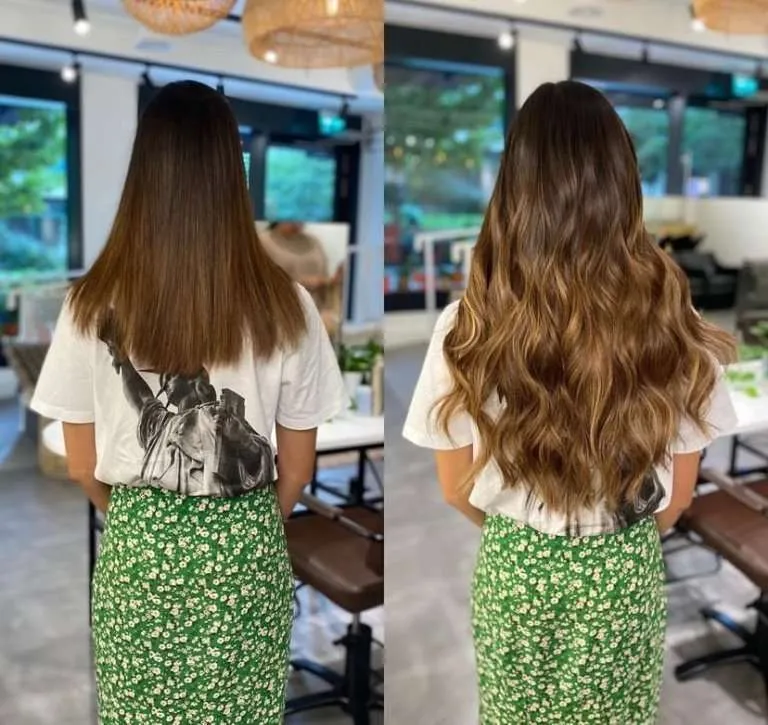
Hair extensions should not be uncomfortable when the method, weight, placement, and maintenance are handled correctly. Mild awareness at the beginning can be normal, but pain, headaches, strong pulling, or sore roots should not be ignored.
For salons, comfort depends on consultation first. Fine hair, sensitive scalps, oily roots, and active shedding all need different solutions. Tape-ins, halo extensions, thin wefts, micro beads, clip-ins, and keratin bonds can all work when matched correctly.
For hair extension brands and wholesale buyers, comfort also comes from product construction. Smooth full cuticle hair, flat tape tops, soft weft seams, clean bonds, good beads, and consistent bulk quality all reduce client complaints.
You can contact Hibiscus Hair to request samples or compare comfortable hair extension options for salons, brands, and wholesale buyers.