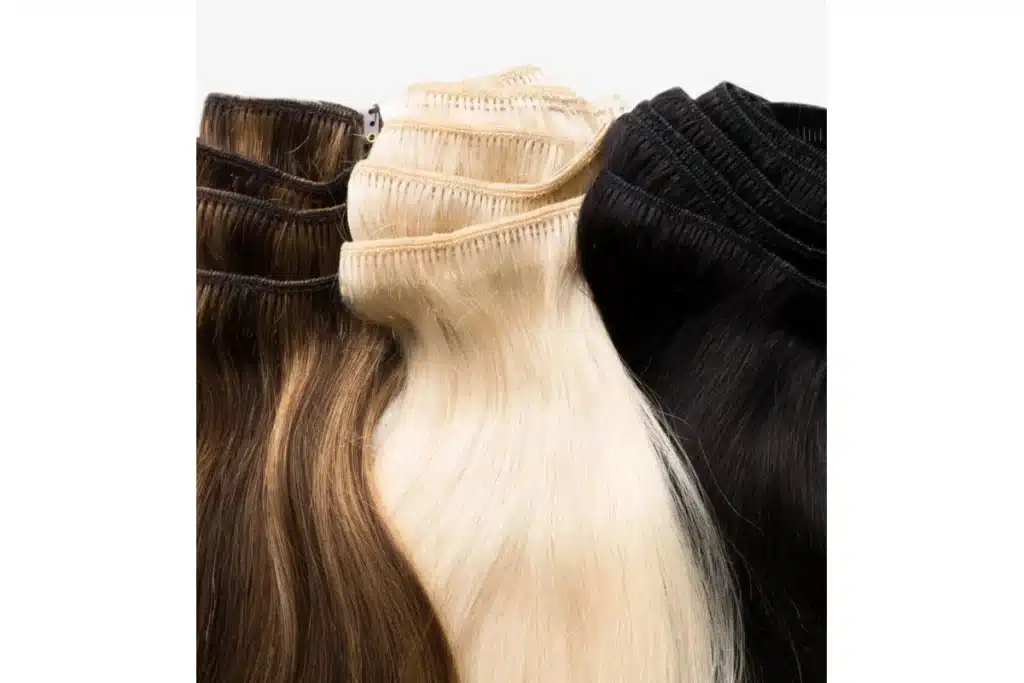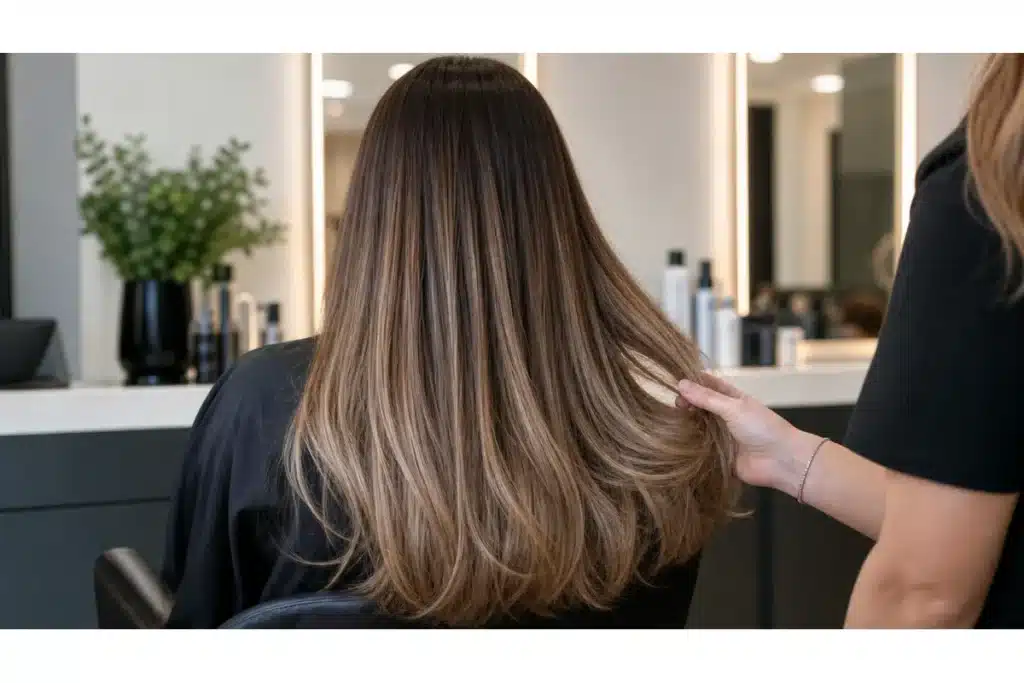
Wavy clip-ins create returns when the wave, set weight, color, or clip layout does not blend with the buyer’s real hair.
Wavy clip in hair extensions should match the natural wave size, hair density, set weight, color depth, and styling routine. Retail buyers should compare a washed sample, full set layout, end fullness, and clip comfort before building stock.
A useful wavy range needs more than attractive product photos. Buyers should define the texture, set construction, shade plan, and care promise that each SKU can support.
What Makes Wavy Clip In Hair Extensions Blend Naturally?
A natural blend needs a similar wave size, enough set weight, balanced weft widths, compatible color, and a haircut that connects the natural hair to the extensions.
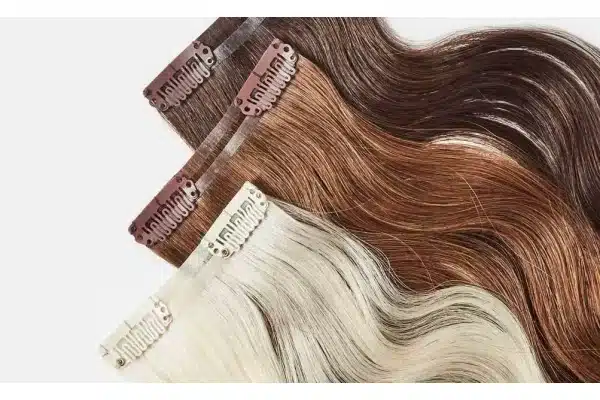
Loose waves, body waves, and deeper S-waves do not create the same result. The buyer should compare the distance between bends and how the pattern changes from roots to ends. A set with smooth roots and stronger waves through the ends may suit many salon finishes, but it may not match naturally wavy roots without styling.
Hair-color education separates depth from tone. That distinction matters for extension matching because two shades can share a similar lightness while reflecting different warm or cool tones. [1] The International Commission on Illumination defines metamerism as a change in color match when the illuminant or viewing conditions change. [2]
| Set parameter | What buyers should compare | Retail consequence |
|---|---|---|
| Wave pattern | Dry, washed, and lightly restyled sample | Affects blend and maintenance expectations |
| Total set weight | Grams, length, and end density | Controls coverage for fine or dense hair |
| Weft layout | Piece count, widths, and clip positions | Changes fit around the head |
| Color system | Depth, tone, root, and highlight placement | Affects online matching and return risk |
Share target lengths, set weights, wave references, and first-stock shades before confirming retail SKUs.
Request a wavy clip-in range reviewHow Should Buyers Choose Set Weight and Piece Count?
Buyers should match total grams and weft layout to the target hair density instead of treating one set as suitable for every customer.
A lighter set may suit fine hair or a volume-only result. Dense or blunt hair often needs more grams and wider back pieces. Length changes the visual density because the same grams spread over a longer strand can create thinner ends.
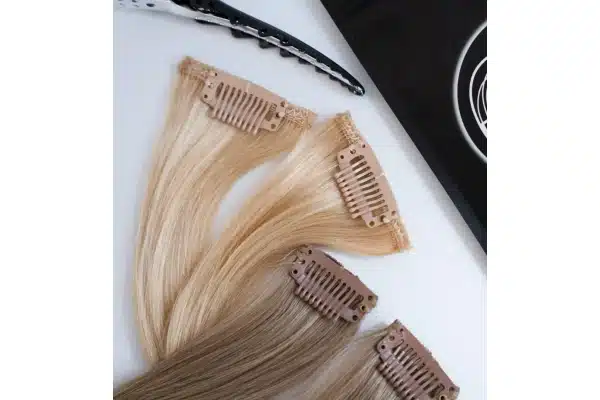
Piece count also affects placement options. Narrow side pieces help the wearer blend around the temples. Wider back pieces provide coverage, but they need a head shape and clip spacing that sit flat. The clip in hair extensions range gives retail buyers a base for comparing available formats.
How Can Retailers Reduce Online Color-Matching Returns?
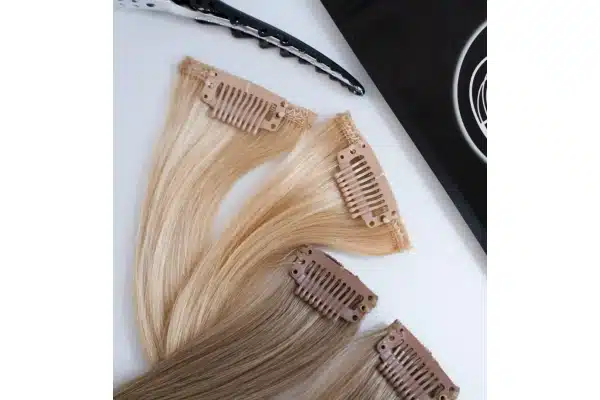
Retailers can reduce color returns by using consistent lighting, clear depth and tone groups, root-to-end photos, and a documented shade-assistance process.
One front-facing swatch is rarely enough. Buyers should photograph the set from the root area, mid-length, and ends under neutral light. Wavy hair creates highlights and shadows, so its color may look less even than straight hair in the same code.
The clip-in color matching guide explains why the customer should compare the mids and ends rather than only the roots. Retailers should also state whether a shade is solid, rooted, highlighted, or blended.
In sales communication, we often see customers describe a shade as simply “brown” or “blonde.” A photo of the ends may reveal a warm tone while the root area appears neutral. That difference can change the recommended SKU, especially when waves create more reflected light.
What Should a Buyer Test Before Ordering Wavy Sets in Bulk?
A buyer should test washing, wave recovery, clip security, seam comfort, shedding, end fullness, and packaging recovery before approving bulk production.
The buyer should wash one complete set according to the care instructions. The review should record how the wave returns after air drying and whether gentle restyling is needed. This check helps the brand write accurate care guidance.
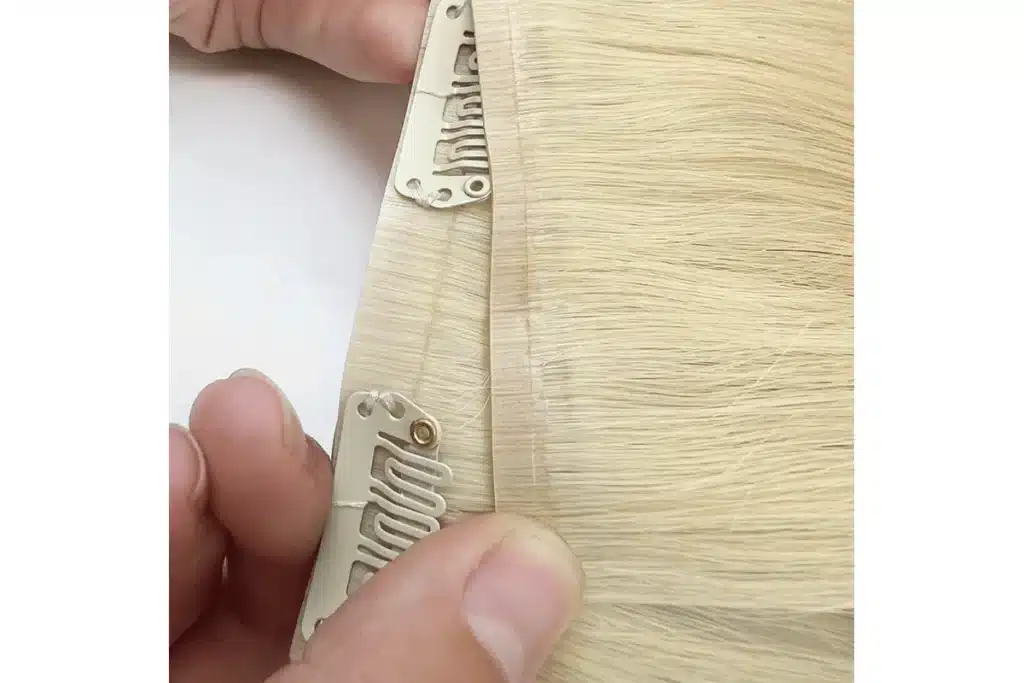
Every clip should open smoothly, hold securely, and sit flat against the weft. The seam should not twist when the set is worn. Buyers should also open a packaged sample after storage to check whether tight folding changes the wave or creates difficult creases.
The wholesale clip-in buyer checklist gives retailers a broader sample-testing framework. The test should use the target shade and length because light processing and longer lengths may behave differently.
Which Wavy Clip-In SKUs Belong in a Starter Range?
A starter range should cover the most requested lengths, two practical weight levels, and the salon or store’s strongest color families before adding slower variations.
Retailers should review consultations and sales records instead of copying a large competitor shade chart. A focused range is easier to photograph, explain, and reorder. Special orders can cover less common shades while demand is still uncertain.
The range should keep product names consistent. If “body wave” changes between orders, customers may receive a visibly different pattern. A retained physical sample and written texture standard make repeat checks clearer.
My View
From our factory perspective, wavy clip-in sets should be developed as complete systems. The wave pattern, grams, weft widths, clip positions, shade, and packaging all affect the result. We usually suggest that retail buyers approve one complete washed set, not only a loose hair swatch. The set should be photographed before washing, after air drying, and after the recommended refresh method. Buyers should also check whether the clips sit flat and whether the packaged hair recovers without hard creases. A wide launch range can look impressive, but too many untested shades and weights may create slow stock and inconsistent support. A smaller range with clear product specifications, reliable photos, and a repeatable color-assistance process is often a stronger starting point for a salon or extension brand.
Frequently Asked Questions
Do Wavy Clip In Extensions Need Styling After Washing?
Some patterns return with air drying, while others need gentle reshaping. The buyer should test the product and write care instructions that match the actual result.
Is a Seven-Piece Set Enough?
It can be enough for some clients, but piece count alone does not show coverage. Total grams, weft widths, head shape, and natural density matter more.
Can Wavy Clip Ins Be Straightened?
Many human hair sets can be straightened with controlled heat. Frequent heat can affect dryness and wave recovery, so the supplier’s care guidance should be followed.
Should Retailers Stock One Weight or Two?
Two weight levels can serve fine-hair and fuller-coverage needs more clearly. The best range depends on the store’s customers, price structure, and target lengths.
Conclusion
Wavy clip in hair extensions need a tested texture, clear set specification, reliable color system, and realistic care message. Retail buyers should approve a complete washed set and start with focused SKUs that match real customer demand.