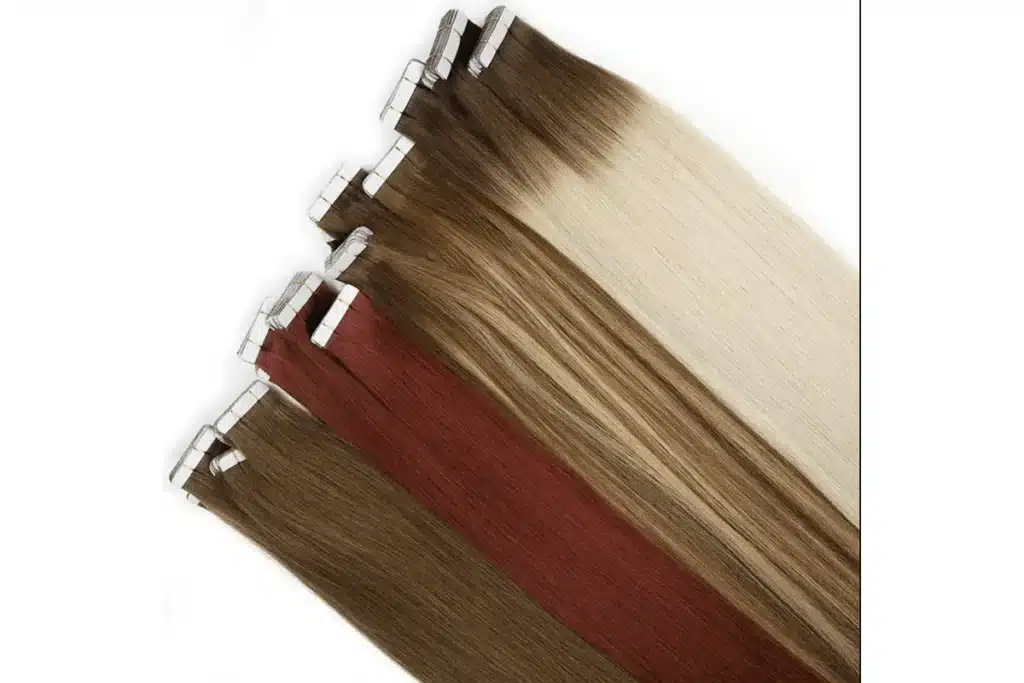
Gray extension orders can fail when buyers treat silver, salt-and-pepper, white, and ash as one interchangeable shade.
Gray tape in hair extensions should match the client’s level, tone, gray percentage, root depth, and distribution pattern. Salons often need several gray options because cool silver, natural gray, white, and blended gray reflect light differently. A physical sample and client photo are safer than choosing by color name alone.
A useful gray range does not need every possible shade. It needs clear categories, reliable sample references, and a reorder system that helps the salon repeat the same blend.
How Should Salons Match Gray Tape In Hair Extensions?
Salons should compare the client’s roots, mid-lengths, ends, gray percentage, and warm or cool tone before selecting a tape-in shade.
Gray hair is rarely one flat color. Some clients have dark roots with scattered silver strands. Others have a light silver crown and warmer beige ends. A single solid gray extension may look artificial even when the overall lightness appears close.
Professional color education separates level from tone and recommends assessing the amount of gray or white hair before choosing a formula. The same logic helps extension matching because the buyer needs to identify how light the hair is and which undertone controls the visual result. [1]
| Gray pattern | Useful extension direction | Buyer risk to check |
|---|---|---|
| Dark base with scattered gray | Rooted or blended salt-and-pepper shade | A solid silver piece may look too bright |
| Even cool silver | Cool gray or silver blend | Warm beige fibers can show against the natural hair |
| White around the face | Light silver or white accent pieces | Standard tab color may remain visible near the hairline |
| Warm gray with beige ends | Neutral-gray and beige blend | An overly blue-gray shade may look dull or separate |
Send daylight root, side, and back photos with the desired length before confirming a gray tape-in order.
Request a gray shade reviewWhich Gray Shades Should a Salon Stock First?
A new salon range should begin with the gray patterns requested most often, then use custom blends or special orders for less common combinations.
A practical starter range may include a darker salt-and-pepper blend, a medium natural gray, a cool silver, and a light silver or white option. The exact range depends on the salon’s client base. A salon serving mostly transition clients may need more rooted and mixed shades than solid silver.
Slow-moving colors create inventory risk. Buyers should review consultation records before adding many similar gray codes. A smaller range with clear photos, swatches, and special-order support is often easier to manage.
The tape in hair extensions category can help buyers compare product formats before finalizing the shade range. The salon should still confirm whether the visible tape area, tab finish, and root color suit the intended placement.
Why Do Gray Shades Look Different Indoors and Outdoors?
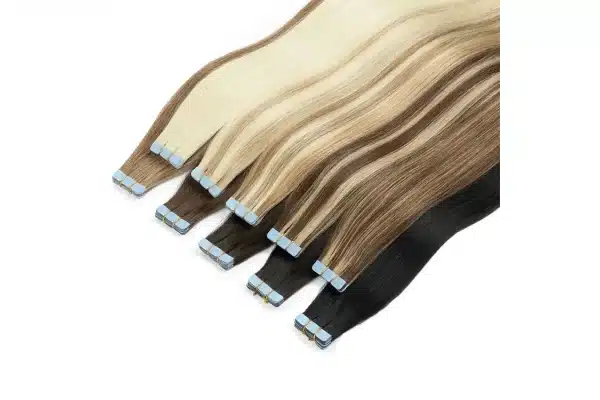
Gray shades look different because daylight, warm salon lighting, surrounding hair color, and surface shine change how the eye reads silver, blue, beige, and white tones.
A shade that looks neutral under warm indoor lights may show blue or violet outdoors. Very white extensions may also reflect more light than the client’s natural gray hair. The salon should compare the sample in daylight, salon lighting, and a phone photo.
Background color affects the comparison. A white cape can make gray hair look darker, while a black cape can make silver strands appear brighter. Buyers should use a neutral background and keep the camera settings consistent when approving a shade.
In color-order communication, we often ask for an unfiltered photo and a close view of the roots and ends. A buyer may send one front photo that makes the hair look uniformly silver, while the back reveals a darker natural base. That difference can change both the shade mix and the number of accent pieces.
How Should Root Color and Tape Visibility Be Planned?
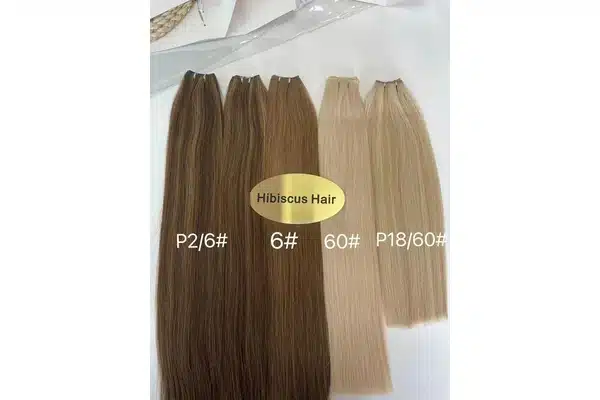
The root and tab area should blend with the hair that covers the attachment, not only with the lighter ends.
Many gray clients keep darker or mixed roots. A very light tab placed beneath a darker root area can become visible when the hair separates. Rooted extension colors or a suitable tab finish can reduce contrast, but placement still controls the final result.
The stylist should keep tabs away from sparse temples and exposed edges. The natural hair above the attachment needs enough density to cover both the tab and the transition between colors.
For comparison, the ash blonde tape-in guide explains why cool light shades need careful tone and processing checks. Gray orders use similar discipline, but the salon must also account for the client’s percentage and pattern of natural gray.
What Should Buyers Confirm Before a Bulk Gray Order?
Buyers should approve a physical shade, tab color, length, end fullness, washing behavior, and written color code before placing a bulk gray order.
Gray and very light colors can require more processing than darker shades. The buyer should not judge only by first-touch softness. A wash check can reveal dryness, color shift, and how the hair behaves after the initial finish is removed.
The salon should keep the approved sample with the purchase record. Photos are useful, but screen settings can change color. A labeled physical reference gives the buyer and supplier a clearer standard for repeat orders.
The written order should state whether the shade is solid, rooted, highlighted, or blended. It should also record the approximate blend ratio when relevant. This reduces confusion when two gray shades have similar names.
My View
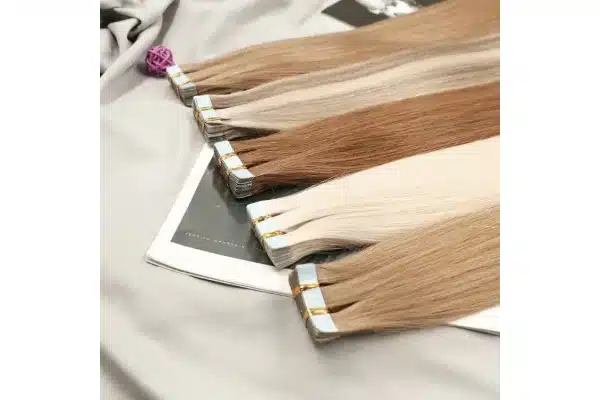
From our factory perspective, gray tape-in planning should start with the client’s pattern, not with the word “gray.” We usually ask whether the client has a dark base, scattered silver, a white front section, or an even gray result. We also check whether the salon wants a solid shade, a rooted shade, or a blended effect. These details matter because two clients with the same overall gray percentage can need different extension mixes. For wholesale buyers, a small but well-defined range is often safer than many shades with unclear differences. Each color should have a physical sample, a written code, and a photo under consistent light. Buyers should also test light processed hair after washing. This process helps the salon manage stock and repeat orders, but the final match still depends on the client’s lighting, haircut, placement, and future color service.
Frequently Asked Questions
Is Silver the Same as Gray for Hair Extensions?
No. Silver usually has a brighter and cooler appearance. Natural gray can include white, charcoal, beige, and darker strands.
Can Gray Tape In Extensions Be Mixed With Blonde?
Yes. A cool blonde or beige-blonde blend can help match warm gray ends. The salon should compare the undertone and not rely only on the level number.
Should the Tape Tab Match the Roots or Ends?
The visible tab area should usually blend with the hair covering the attachment, which is often closer to the root color. Placement and natural density still matter.
How Many Gray Shades Should a New Salon Stock?
A small starter group is usually safer. The salon can select the most common local patterns and use special orders for unusual blends until demand becomes clear.
Conclusion
Gray tape in hair extensions need a level, tone, pattern, root, and lighting check. Salons should approve a physical sample and keep a written shade record before bulk ordering. A clear starter range and custom-blend process can improve matching without creating unnecessary inventory.