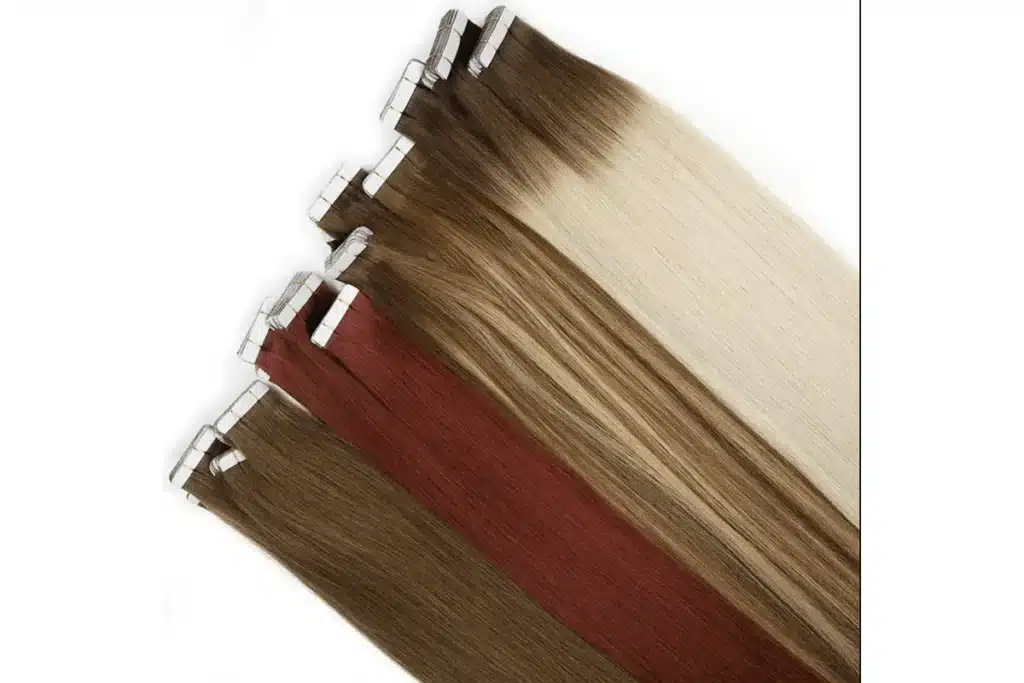
Two wefts can look similar in a product photo, yet create different row feel, customization limits, and client expectations after installation.
Genius weft and butterfly weft can both suit salon volume services, but they are not the same construction. Genius weft is often chosen for a thin, cuttable seam, while butterfly weft can fit salons that prefer its specific fold and installation approach. The better choice depends on row design, cutting needs, and client comfort.
Before a salon adds either option to its menu, it should compare the actual seam and service method, not only the product name.
What Is the Main Construction Difference?
The main difference is how the weft seam is built and how that structure affects thickness, cutting, and installation handling.
| Check point | Genius weft | Butterfly weft |
|---|---|---|
| Seam profile | Usually designed for a thin profile | Depends on the fold and construction |
| Cutting plan | Often selected when cuttability is needed | Confirm before cutting or customization |
| Row feel | Can suit flat-row goals | Should be checked on the intended method |
| Buyer test | Inspect seam finish and shedding risk | Inspect fold, width, and stability |
The Genius Weft category can help a buyer review that product format. For any comparison, the buyer should still ask for samples in the selected length and color because seam behavior can vary with construction and processing.
Which Clients May Fit Genius Weft Better?
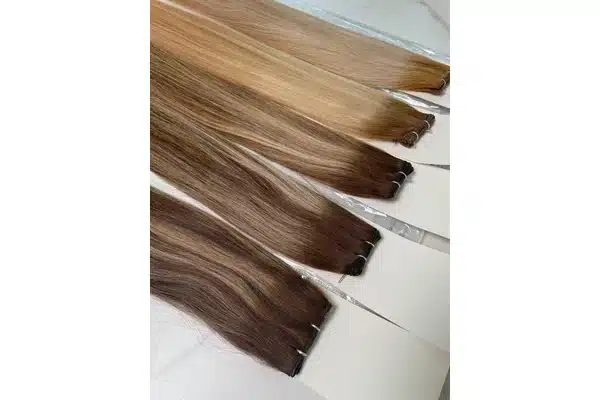
Genius weft can suit clients when the salon needs a flat seam and expects to customize width, provided the weft is made for that use and the stylist follows the supplier guidance.
This does not mean genius weft is the best choice for every client. A salon still needs to assess natural hair density, placement area, and the chosen installation method. If the stylist cuts a construction that is not designed to be cut, the risk of shedding can increase.
In sample testing, we usually suggest checking the seam after handling and a controlled cut test where the supplier confirms that cutting is appropriate. This gives the salon a clearer answer than relying on a product label alone.
When Might Butterfly Weft Be a Better Fit?
Butterfly weft may fit salons that already use an installation method and row design that work well with its fold and seam structure.
The salon should check how the construction sits near the scalp and whether it creates the desired coverage. It should also confirm the width, weight, and attachment method before building a full service menu around the product. A product that feels comfortable on one client may not fit another client with very fine hair or limited placement space.
The American Academy of Dermatology notes that repeated pulling from tight extension styles can contribute to traction alopecia [1]. That health guidance supports a careful placement plan for either weft type.
What Should Salon Buyers Test Before Ordering?
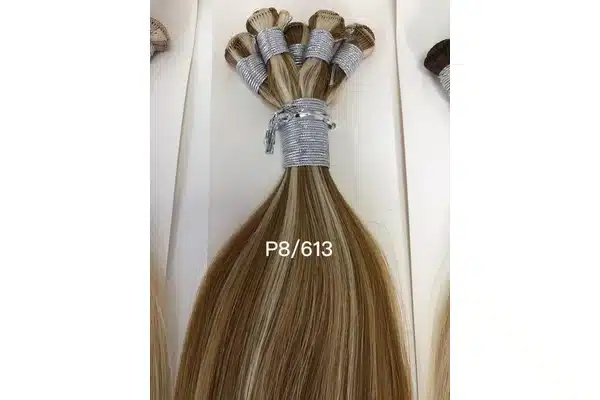
Salon buyers should test seam thickness, cut response, shedding, width, color consistency, and the finished row under normal service conditions.
Test the selected length and shade, not only a short loose sample. A long light shade may show fullness or seam differences differently from a short dark shade. For wholesale orders, record the approved construction, weight, color, and sample result so the next order has a clear reference.
How Can a Salon Choose Without Overcomplicating the Menu?
The simpler choice is often to keep one core weft type that the team can install consistently, then add a second type only when it solves a defined client need.
From the factory side, this matters because a large menu can create training and inventory pressure. We usually suggest that salon buyers decide which construction matches their most common row method, then use samples to test a second option for a specific service gap. This does not mean one product is universally better. It means the salon can make a clearer decision based on service fit and complaint risk.
My View
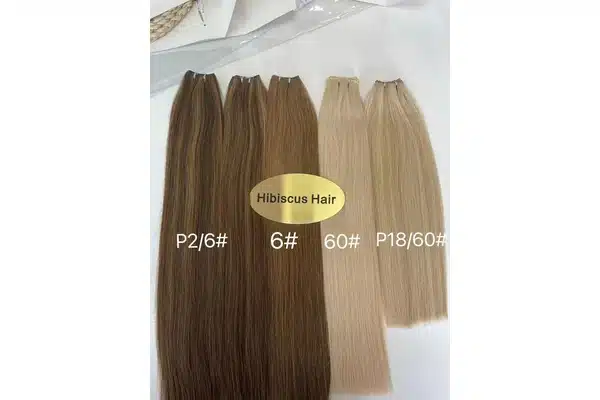
From our factory perspective, the product name should not decide the salon menu. Genius weft and butterfly weft should be compared by the seam, the intended cutting plan, the installation method, and the result the salon wants to repeat. We usually suggest that buyers keep the first comparison practical: install a representative sample, check the row feel, review the seam after normal handling, and see whether the result blends with the client’s natural hair. This can reveal issues that a loose product photo cannot show. The safer choice is often the construction that the salon can explain, install, and reorder consistently.
Frequently Asked Questions
Can every butterfly weft be cut?
No. Buyers should confirm the supplier’s guidance for the exact construction before cutting or customizing a weft.
Is genius weft always thinner than butterfly weft?
Not always. The exact seam profile depends on the specific product construction, so a sample comparison is important.
Should a salon stock both types?
Only when each product serves a clear service need. A smaller menu can be easier to train, install, and reorder consistently.
Conclusion
Genius weft and butterfly weft can both work in a salon menu, but the better fit depends on construction and service method. Compare the actual seam, cutting requirement, row feel, and sample result before selecting a core product.