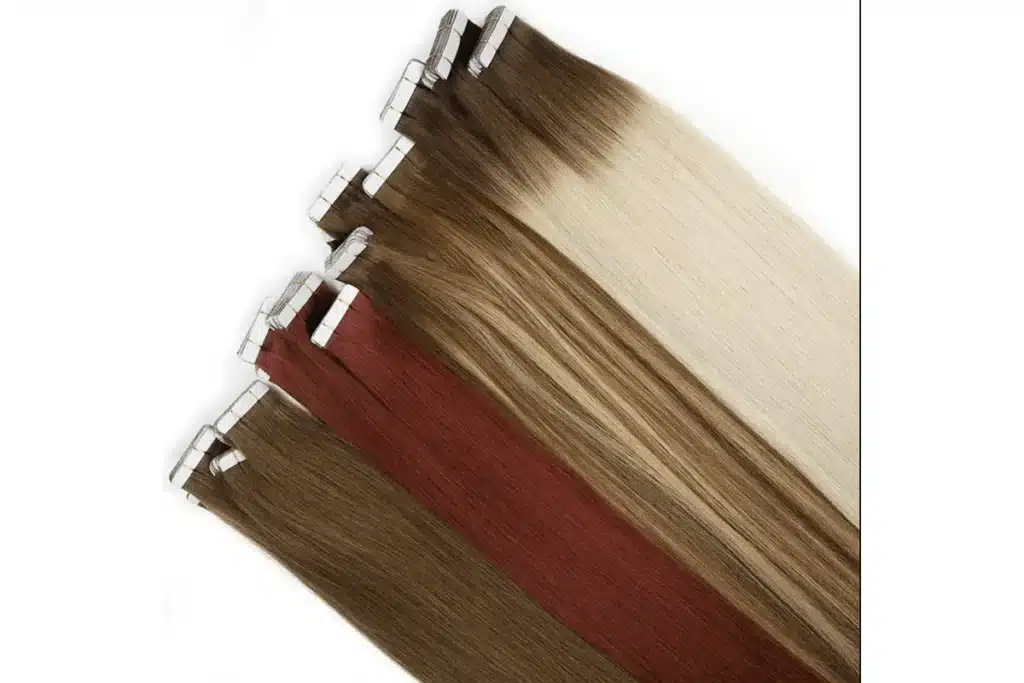
When a weft begins to tangle, buyers often blame one cause, but hair direction, processing, installation, and care can all affect the result.
Weft hair extensions can tangle when cuticle direction is inconsistent, the hair is overly processed, the ends are dry, the installation creates friction, or the care routine does not suit the hair. A useful review checks the product and the service conditions together before deciding where the problem started.
For salons and wholesale buyers, tangling is an after-sales question that needs a clear process. A good first review does not promise that any hair will never tangle. It compares the sample, wear history, styling routine, and the area where the issue appears.
What commonly causes weft hair extensions to tangle?
The most common causes are inconsistent hair direction, surface damage, dry ends, buildup, friction, and an installation or care routine that does not match the hair.
| Possible cause | What to check | Buyer consequence |
|---|---|---|
| Hair direction | Whether strands lie consistently from root end to tip | Mixed direction can increase friction during washing and brushing |
| Processing pressure | Dryness, rough feel, and response after washing | It can make the hair harder to detangle over time |
| Installation friction | Row placement, exposed return hair, and rubbing areas | It can concentrate tangling in one area |
| Care routine | Heat, product buildup, brushing, and sleeping habits | It can affect softness and daily detangling effort |
In after-sales communication, we usually ask where the tangling starts. Tangling near the nape, along an exposed row, or mainly at the ends can point to different conditions. That information is more useful than asking only whether the hair is “good” or “bad.”
Record the location, wash routine, heat use, products, installation method, and photos before deciding whether a sample or bulk order needs review.
Request a weft quality reviewHow does hair direction affect tangling?
Consistent root-to-tip direction can reduce strand friction, while mixed direction can make hair catch more easily during normal handling.
Check the hair after a controlled wash
Fresh hair can feel smooth because of finishing and careful packing. A controlled wash and air-dry check can show whether the strands remain aligned and manageable. Buyers should compare the mid-lengths and ends, not only the first few inches near the seam.
The human hair weft extensions buyer checklist can help buyers build a sample check before they approve bulk production. This does not mean every knot proves a material issue. It gives the buyer a clearer baseline.
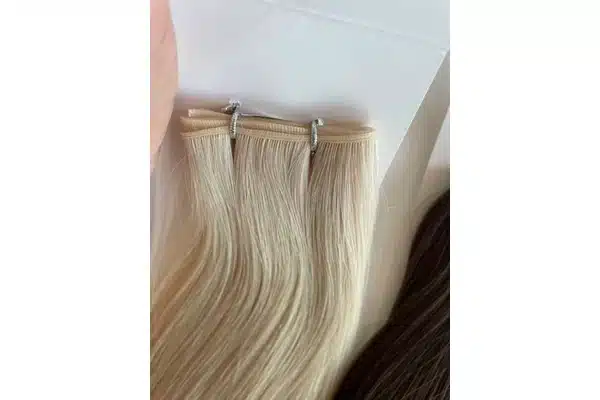
Consider cuticle condition and friction together
Hair shafts can become more vulnerable to mechanical damage when their protective surface is compromised. A clinical review notes that chemical treatment, grooming practices, and environmental exposure can damage the cuticle’s lipid coating; a more hydrophilic shaft can be more prone to friction-related breakage [1]. In a buyer review, that supports checking processing history and daily handling together instead of claiming that one factor explains every tangle.
When can installation create a tangling problem?
Installation can contribute when a row rubs, sits too close to an area of movement, has exposed return hair, or does not have enough natural-hair coverage.
The weft installation guide can help a salon review row planning before it assumes the hair is at fault. A stable weft still needs an installation that respects the client’s density, head shape, and daily movement.
From the factory side, we have seen a buyer report tangling at one side of an install while the rest of the set remained smooth. The salon later found that the row was sitting where the client regularly tucked hair behind the ear. Adjusting the placement and reducing friction helped the next service more than changing the hair alone.
Which care habits can make tangling worse?
Dry brushing, excessive heat, aggressive detangling, and product buildup can make daily management harder, especially when the ends are already dry.
The American Academy of Dermatology advises minimizing brushing and limiting heat because these habits can contribute to breakage and hair damage [2]. For extension wearers, the useful message is practical: use a controlled routine, begin detangling at the ends, and avoid pulling on a row when a knot appears.
Salons should give clients product guidance that matches the extension type. Heavy root products can create buildup around attachment areas, while unsuitable heat habits may make the ends feel drier. Neither point means that one routine creates the same result for every client.
How should wholesale buyers review a tangling complaint?
Wholesale buyers should request clear photos, the affected location, wear time, care products, wash routine, heat use, and installation details before reaching a conclusion.
This record helps separate a broad material concern from a localized installation or care issue. It also gives the supplier a better basis for comparing the complaint with the approved sample and production specification.
For repeat orders, buyers should keep an approved sample, product code, length, color, seam type, and wash-test note. This does not remove all complaint risk, but it makes a review more consistent than relying only on a customer’s memory after weeks of wear.
My View
From our factory perspective, tangling should be reviewed as a condition, not as a slogan. We usually start with the hair direction, wash response, end fullness, and the location of the issue. Then we ask about row placement, heat, products, and daily handling. A weft can be well made and still perform poorly when it is installed in a high-friction area or cared for with an unsuitable routine. The safer buying process is to test a sample under normal salon conditions and keep that result with the bulk specification. This gives buyers a clearer way to discuss quality without promising that any extension hair will be free from tangling in every situation.
Frequently Asked Questions
Do full-cuticle weft extensions never tangle?
No. Controlled cuticle direction can reduce friction risk, but washing, heat, color processing, installation, and care still affect the final result.
Why does tangling often start at the ends?
Ends may be drier or experience more movement and friction. Buyers should check end fullness, processing, heat use, and the client’s detangling routine.
Should a salon replace hair when only one row tangles?
Not immediately. The salon should first review the placement, friction area, products, and condition of the affected row. A localized issue can have a different cause from a full-set problem.
Conclusion
Weft hair extensions can tangle for several connected reasons. When salons and buyers check hair direction, wash response, installation friction, and care habits together, they can make a more useful diagnosis and improve the next order or service.