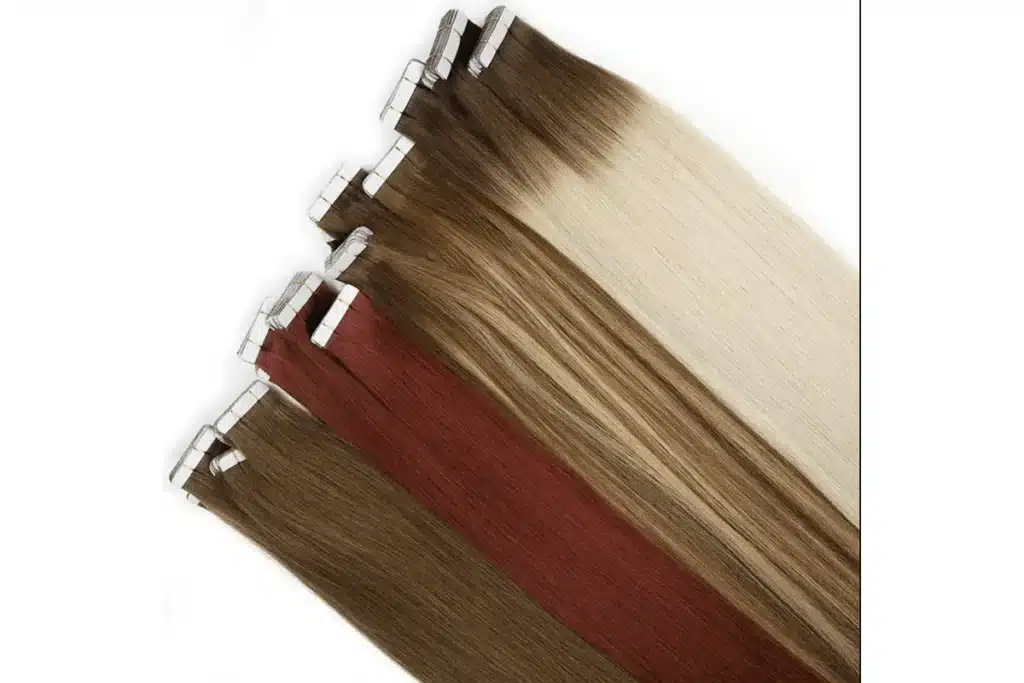
A branded weft can look polished in a box, but inconsistent seams, unclear labels, or weak reorder controls can damage a new collection quickly.
Private label weft hair extensions need a written product specification, an approved sample, clear packaging, reliable color references, and repeat-order controls. The brand should define what customers receive before it focuses on box design, because quality variation can create more cost than a simple packaging change.
For salon groups, distributors, and new hair brands, private label work is a product system. The hair, seam, pack weight, shade name, label, and customer guidance must describe the same promise from the first sample through the next production run.
What should a private-label weft specification include?
A private-label weft specification should define hair type, length, pack weight, seam construction, color reference, packaging, and the approved sample standard.
| Specification area | What the brand should confirm | Why it matters |
|---|---|---|
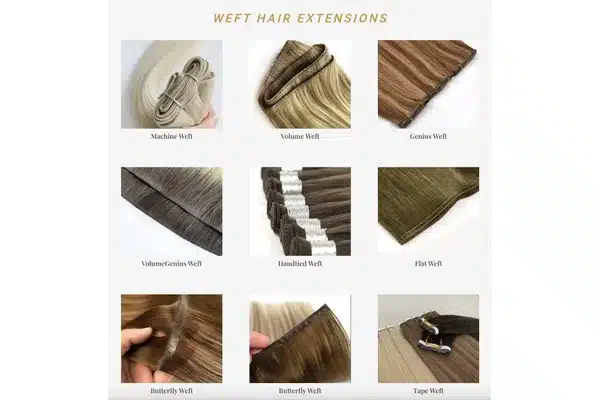
| Weft construction | Machine, hand-tied, or another approved seam type | It affects comfort, cutting guidance, and the service position |
| Pack format | 50g or 100g weight, length, and bundle count | It helps salons and retailers explain the expected result |
| Color system | Color code, root blend, and physical approved reference | It reduces mismatch risk across packaging and repeat orders |
| Packaging | Bag, card, label, barcode, and care insert | It makes the product easier to stock and support |
From the factory side, we often see a brand approve a logo before it has defined the product. We usually suggest fixing the core hair and seam specification first. This gives the packaging team a stable product to describe.
Confirm the seam, grams, color code, label copy, packaging layout, and approved reference sample before a branded production run.
Request a private-label weft specification checkHow should brands choose the right weft structure?
The right weft structure depends on the service method, client density, customization plan, and price position the brand intends to support.
Match the seam to the use case
A volume-focused salon range may need a durable construction and clear installation guidance. A flatter service range may need a different seam profile and a more careful instruction about cutting or placement. The human hair weft extensions buyer checklist can help brands compare construction and hair quality before they set a permanent specification.
The product name alone is not enough. A private-label package should state what the buyer is receiving in practical terms: length, grams, color, and the kind of service the weft is designed to support.
Keep the approved sample with the product file
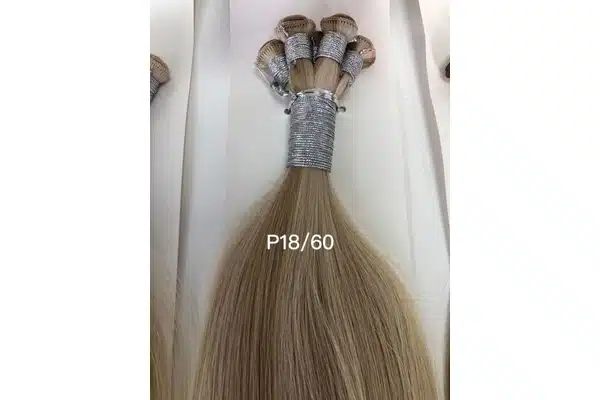
An approved sample gives a brand a physical reference for seam thickness, color, end fullness, and hair feel. For a repeat order, a written file without that sample may leave too much room for interpretation. We usually recommend recording the sample date, color code, length, weight, and any wash-test note together.
What should packaging communicate to the buyer?
Packaging should communicate the product identity, weight, length, color, basic care, and handling guidance without promising results that depend on installation or aftercare.
The label should match the website, wholesale sheet, and salon training material. If a 100g pack is described as a full-head result for every client, the brand may create unrealistic expectations. It is safer to state the pack weight and explain that the final amount depends on the client’s natural density and the target look.
For wholesale buyers, barcode planning and clear color labels can reduce warehouse and fulfillment errors. A simple care insert can also help the retailer explain washing, heat, and detangling without making the package feel crowded.
How should brands control colors and repeat orders?
Brands should use an approved physical color reference, a stable color code, and a repeat-order check instead of relying on shade names alone.
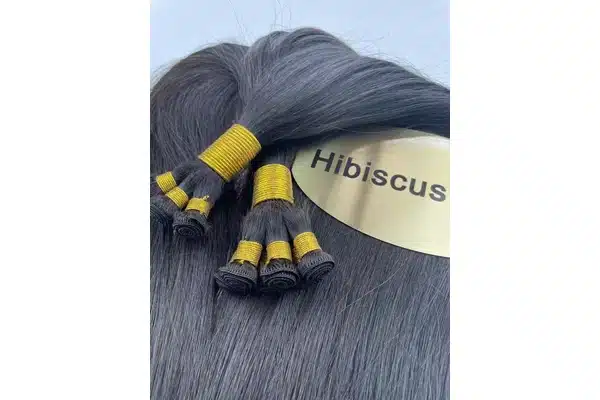
Color names can be useful for customers, but they may not show the exact root shadow, highlight blend, or tone. This is especially important for lighter blondes and mixed shades. A brand should keep the approved color reference with its production file and compare a new order before it is packed.
In after-sales communication, color complaints often begin with a gap between the product photo, the label, and the physical hair. A clear color system cannot remove every screen difference, but it helps the team identify whether the order matches the approved standard.
Which quality checks protect a new collection?
A new collection should be checked for seam consistency, hair direction, end fullness, color, pack weight, label accuracy, and packaging condition before shipment.
The safest approach is usually to create one inspection sheet for every repeat order. The sheet does not need to be complex. It should show the approved sample, item code, color, length, grams, packaging version, and the checks completed before release.
Brands should also decide how they will handle a concern before the first bulk order. A clear photo requirement, batch code, and product record can make an after-sales review more practical for both the brand and the supplier.
My View
From our factory perspective, private label weft hair extensions work best when the brand treats packaging as part of a controlled product system. We usually suggest approving the seam, hair behavior, color, weight, and reference sample before approving the final box. A premium-looking package cannot solve an unclear color code or an inconsistent weft seam. For a small launch, a narrower assortment with clear specifications is often safer than a large color list with weak controls. When the brand keeps the approved sample, product file, and packaging record together, the next order is easier to check and the customer-facing team has clearer information to use.
Frequently Asked Questions
Can a new brand start with one weft pack weight?
Yes. A focused launch can begin with one clear pack format when the brand explains the grams and intended service use accurately. Additional pack options can be added after the first range is stable.
Should private-label weft packaging include care instructions?
Usually, yes. Short care guidance can help customers understand washing, heat, and detangling expectations. The guidance should match the hair type and should not make absolute performance promises.
How can a brand reduce repeat-order variation?
Keep an approved physical sample, written specification, color reference, and packaging record. Buyers should compare the new order with those records before release.
Conclusion
Private label weft hair extensions need more than a branded box. When a brand defines the seam, grams, colors, packaging, and repeat-order checks before bulk production, it can build a clearer weft collection and reduce avoidable support questions.