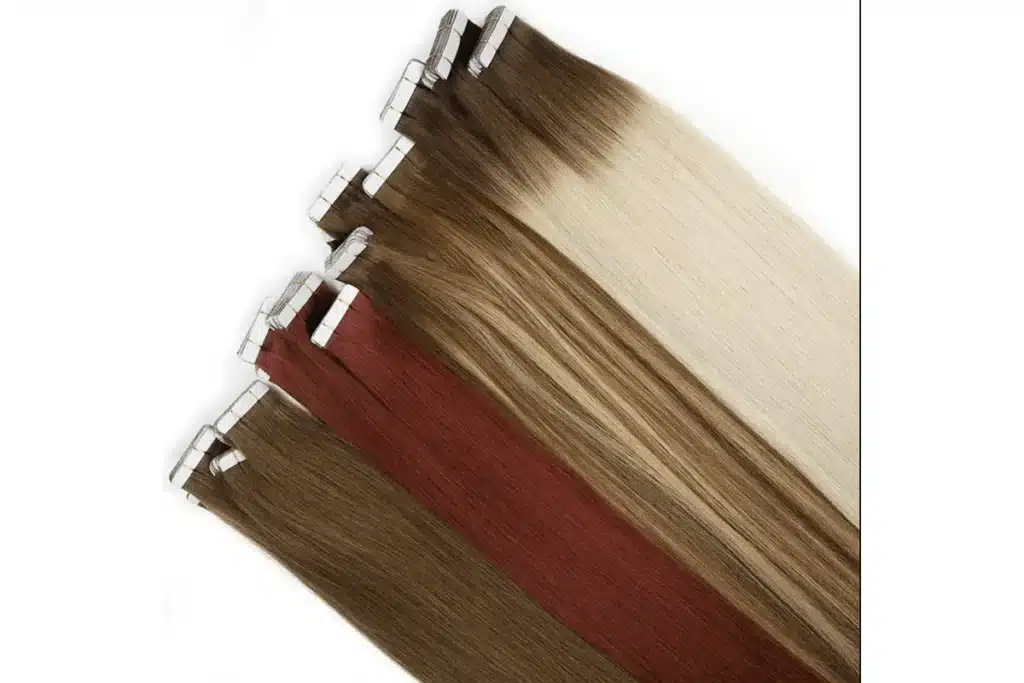
A weft row can look fine for weeks, then start to feel loose, visible, or difficult to brush. Waiting too long for a move-up can turn a routine maintenance visit into a more complicated correction.
A client is usually ready for a weft extension move-up when natural growth has changed the row position, brushing becomes difficult near the anchors, the row feels less balanced, or the client sees more seam visibility. The right timing depends on growth, row method, natural density, and daily care rather than one fixed schedule.
For salons, move-up timing is part of the original service plan. It affects comfort, the ability to keep the row hidden, the condition of the natural hair near the anchors, and the client’s view of the extension service value.
What signs show that a weft row needs a move-up?
A row may need a move-up when it has grown away from the scalp enough to affect comfort, coverage, brushing, or the way the weft sits against the head.
The client may first notice that the row moves more than before or that a brush catches near the anchors. Some clients see the seam when they lift the hair or wear a higher style. The salon should not rely only on a calendar reminder. The row condition and the client’s normal styling habits matter.
| Client sign | What the salon should check | Why it matters |
|---|---|---|
| Brush catches near row | Anchor distance and hair buildup | Can increase tangling around support points |
| Row feels lower | Natural growth and seam position | May affect comfort and coverage |
| Seam shows during movement | Perimeter spacing and top-layer coverage | Can make the service look less natural |
| One area feels loose | Individual anchors and thread path | May need earlier correction than the full row |
In follow-up communication, we often ask the client whether the issue is across the whole row or only at one point. A single loose anchor may need a targeted check. A row that has generally moved down often needs a full maintenance appointment.

How does the installation method change timing?
The installation method changes timing because bead placement, thread path, row weight, and natural hair growth can affect how the row feels as it moves away from the scalp.
A beaded or sewn row may show different maintenance signs from a lighter hybrid row. The salon should explain the expected move-up process before the first installation. The client needs to know that a well-performing row still requires professional review as natural hair grows.
For a new product or method, a sample install gives the salon a better basis for setting its maintenance message. The weft installation guide can help buyers connect construction and row method to the practical service plan.
The row should not be left until it feels difficult to manage. Delayed maintenance can make brushing harder and may leave the client less able to keep the natural hair clean around the attachment points.

What should a stylist check during the appointment?
A stylist should check anchor security, natural hair condition, seam visibility, thread or bead placement, product buildup, and whether the original row weight still fits the client.
The move-up is a useful time to ask about comfort, washing, brushing, and any changes to the client’s color or heat routine. A row that was comfortable at installation can need adjustment if the client has changed parting habits or the natural hair has become finer around a support area.
The stylist should also examine the weft before reuse. Check end fullness, seam condition, and whether the hair remains manageable after the client’s normal care. For professional buyers, this links the product choice to realistic reuse expectations rather than a general promise about longevity.
In sample testing, we usually recommend recording the row method, total grams, attachment points, and any adjustment made during the move-up. This gives the salon better evidence when it compares repeat orders or tries a different weft construction.
When should a salon change the service plan?
A salon should change the service plan when repeated tension, visible rows, early anchor movement, or client-care difficulty shows that the original weight or placement is not suitable.
Changing the plan does not automatically mean the hair quality is poor. The client may need fewer grams, a different row height, or a different construction. A very flat weft can still be unsuitable if the row is too heavy for the client’s density. A stronger seam can still need better coverage near the crown.
For buyers who need to compare construction options, weft hair extension types can help connect machine, hand tied, and genius weft profiles to the intended service method.

How can salons make move-up visits easier to manage?
Salons can make move-up visits easier by setting the maintenance expectation during consultation, keeping a service record, and asking clients to book before the row becomes difficult to brush or hide.
The service record can note the client’s density, row count, total grams, weft construction, color, attachment method, and the signs that should trigger a review. This helps another stylist understand the original plan if the client returns on a different day.
For wholesale buyers, consistent product specifications also help. If the buyer can reorder the same seam profile, length, color, and pack weight, the salon can keep a more stable maintenance process. A vague reorder makes it harder to judge whether a later adjustment came from client growth, installation, or a changed product specification.
My View
From our factory perspective, a move-up appointment is not only a maintenance task. It is a quality check on the full service system. We usually suggest that salons treat client comfort, seam visibility, natural-hair condition, and product reuse as connected checks. A good row should remain manageable until the planned review, but it should not be kept in place once growth or brushing difficulty changes the service. When buyers record what worked at the first installation and at the move-up, they can make better decisions about future grams, construction, and repeat orders.
Frequently Asked Questions
Can a client wait until the weft row feels loose?
It is better to book before the row becomes difficult to brush or hide. A loose feeling can be one sign, but growth, anchor position, and client comfort should also be checked.
Does every weft row need the same move-up timing?
No. Timing depends on natural growth, row method, weight, client density, and care. The salon should assess the row rather than use one fixed rule for every client.
Can a salon reuse the weft at a move-up visit?
Reuse can be possible when the hair, seam, and ends remain in good condition. The stylist should inspect the product and the client’s care history before deciding.
Conclusion
Weft move-up timing should be based on row position, comfort, brushing, coverage, and natural growth. A planned review before the row becomes difficult to manage helps salons protect client comfort and make better decisions about reuse and future service specifications.