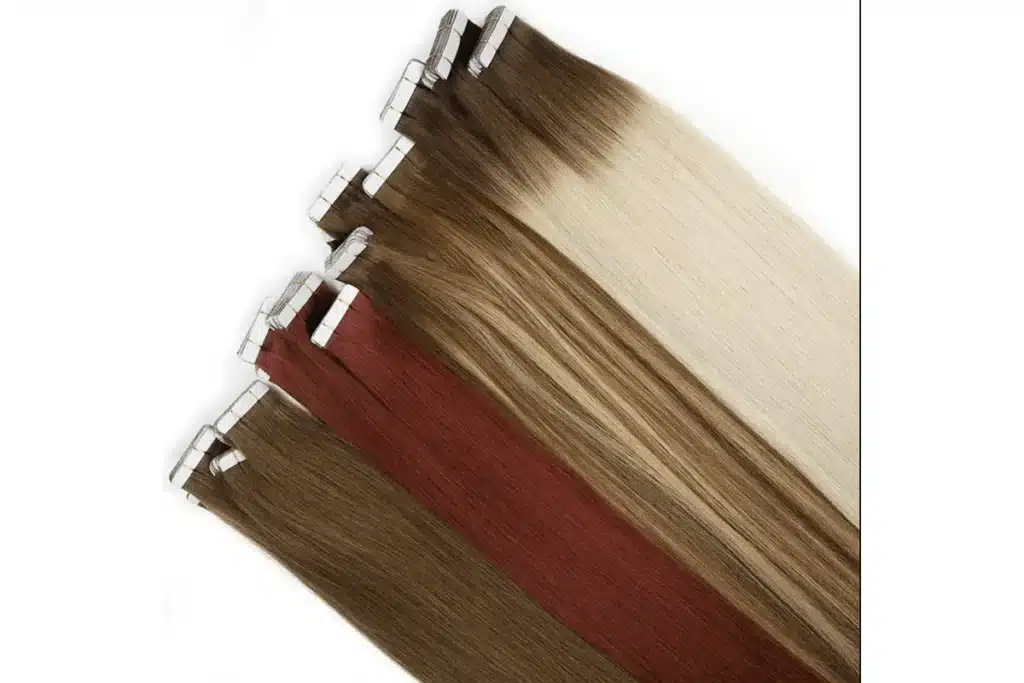
Clients often ask for one price before the salon has checked density, length, color, or installation needs. A quick quote can create trouble when the final service requires more hair, more time, or a different weft construction than expected.
Weft hair extension cost for salon services depends on hair length, grams, weft construction, color work, installation method, and maintenance plan. A lighter service may need fewer packs and less appointment time, while a fuller or longer result often needs more hair and a more detailed row plan. Salons should quote after consultation, not by length alone.
For salon owners and wholesale buyers, cost planning is also a sourcing decision. The product price affects the service price, but it does not explain the whole value of a weft menu. Consistent hair quality, end fullness, seam behavior, and reordering stability can also affect profit and complaint risk.
Which product factors change weft service cost?
Length, grams, construction, color processing, and end fullness are the main product factors that change the hair portion of a weft service quote.
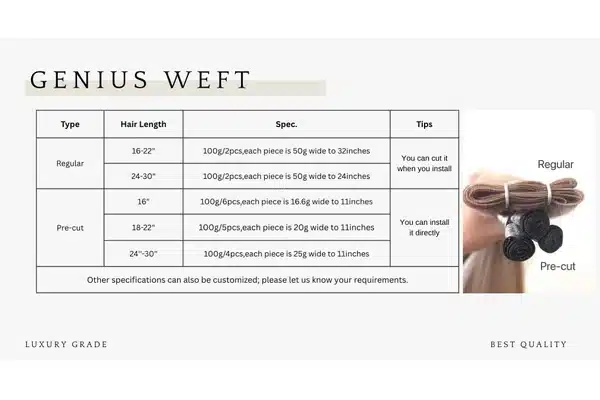
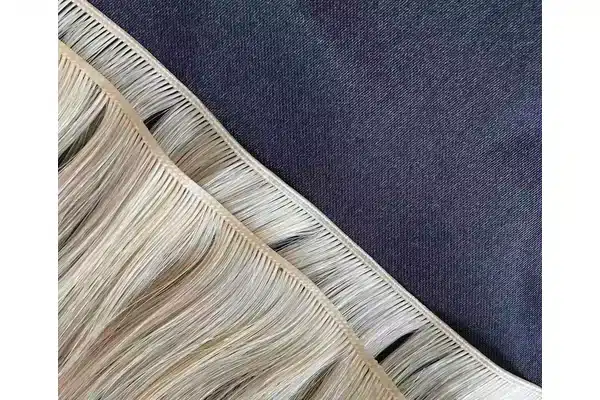
Longer hair generally needs more material. Fuller ends can use more hair than a thin-ended bundle with the same listed length. A hand tied or genius construction may be selected for a flatter row, while a machine weft may fit a volume-focused service with different cost and cutting needs.
| Cost driver | Product parameter | Effect on service planning |
|---|---|---|
| Length and density | Bundle grams and end fullness | Changes how many packs are needed for a natural blend. |
| Weft construction | Seam thickness and cutability | Changes row comfort, customization, and installation method. |
| Color target | Single shade, rooted shade, or blend pattern | May increase matching and inventory complexity. |
| Installation plan | Rows, anchors, and appointment time | Changes the labor portion and follow-up schedule. |
For a more complete product review, salon buyers can use this human hair weft buyer checklist before they set a standard service price.

How does client density change the number of packs needed?
Client density changes the number of packs because the service needs enough hair to blend with the natural hair without creating a thin or bulky finish.
A client with fine hair may need a lower total weight for a balanced result. A client with dense natural hair may need more hair to avoid a visible difference between natural volume and extension ends. Length also matters. A long service can need more hair simply because the added surface area makes thin ends easier to notice.
The salon should quote from a density and length consultation, not from a single pack price. This is especially important for retail or wholesale buyers who offer 50g and 100g packs. The package weight is only part of the decision; the usable fullness through the ends also matters.
Why does installation method affect the final quote?
The installation method affects labor time, row planning, maintenance guidance, and the type of weft a salon can use comfortably.
A beaded or sewn row needs precise sectioning and a consultation about the client’s regular parting and lifestyle. A flatter construction may take more product-selection work when the client has fine hair or a visible crown. The service price should account for this planning, not only the minutes spent attaching the weft.
Salons can compare construction options in this machine weft vs hand tied weft guide. The right product is not always the lowest hair cost. A construction that fits the service can reduce adjustment time and help the client maintain the result.
What hidden costs should wholesale buyers consider?
Wholesale buyers should include sample testing, color approval, packaging, reorders, complaint handling, and inventory risk when comparing supplier prices.
One low sample price does not show whether the next order will match the approved color, end fullness, or seam profile. For a salon group or private-label buyer, an inconsistent reorder can cost more than a modest difference in the first purchase price.
In sample testing, we usually suggest checking the hair after washing and brushing as well as at first touch. Review the seam, the end density, and the color under natural light. This gives the buyer a more useful basis for setting a service menu and supplier specification.
How should salons build a transparent client quote?
A transparent quote should separate the hair, installation, color or blending work, and future maintenance expectations.
The client does not need every sourcing detail, but the salon should explain what the quote includes. State the intended length, approximate pack weight, number of rows, color work if needed, and whether a move-up appointment will be separate. This makes the service easier to compare and reduces misunderstanding later.
The salon should avoid promising one total price before seeing the client’s density and goal. A consultation is the right time to explain why two clients can need different amounts of hair even when they choose the same length.
For buyers planning a weft menu, the contact team can help confirm available lengths, pack weights, colors, and sample options before a bulk order.
My View
From our factory perspective, the useful question is not which weft is cheapest. It is which specification gives the salon a repeatable result with a manageable complaint risk. We usually suggest that buyers define the length, grams, end fullness, seam type, and color standard before they compare quotes. Then test a representative sample through a complete salon service. This approach helps the buyer see where the cost comes from and whether the product can support the intended menu. A clear specification also makes future reorders easier because the salon is not relying on a general name such as thick or premium hair.
Frequently Asked Questions
Is a 100g weft pack enough for a full service?
It can be enough for some fine or medium-density clients, but it may not create the intended blend for thick hair, long lengths, or a high-volume goal. The salon should assess density and desired result first.
Does a flatter weft always cost more?
Not always. Cost depends on construction, hair length, grams, processing, and the supplier specification. Buyers should compare the service fit and sample performance instead of choosing by construction name alone.
Should salons include move-up appointments in the initial price?
That depends on the salon’s menu. The important point is to explain whether maintenance is included or quoted separately so the client understands the full service plan.
Conclusion
Weft hair extension cost is best planned from the client’s density, length goal, construction choice, and installation method. For a stable salon menu, test the product specification first and quote the complete service rather than a single pack price.