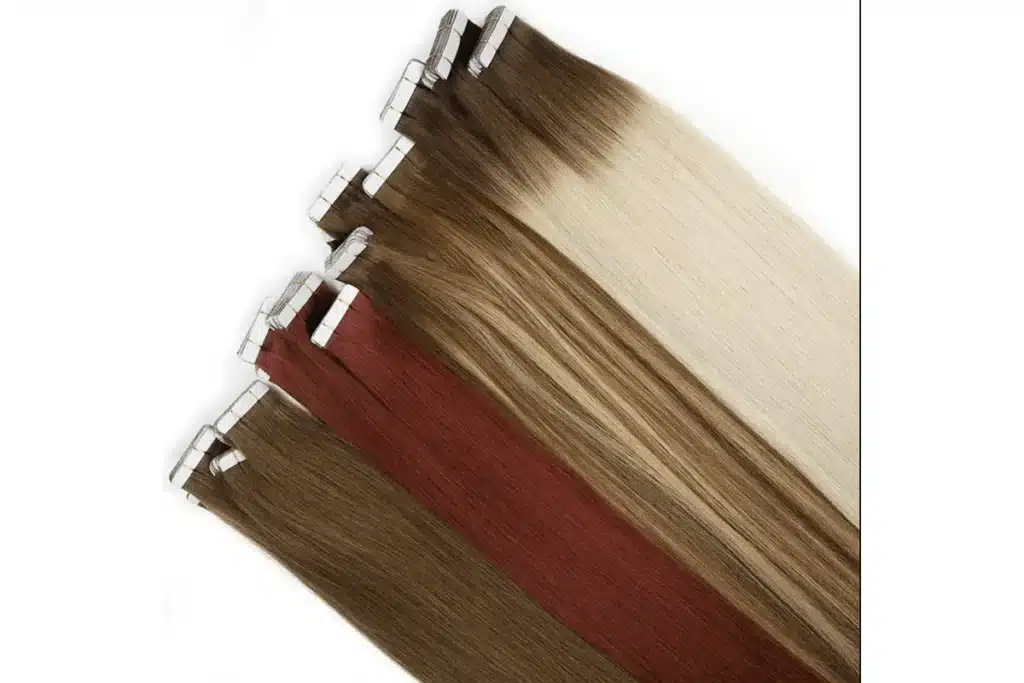
Tape in extensions can slip even when the hair initially looked secure. The salon may then face a quick complaint, a costly correction, and uncertainty about whether the problem came from tape, hair preparation, or aftercare.
Tape in extensions usually slip when oil, conditioner, moisture, uneven sections, weak tape, or early product buildup affects the bond. The first fix is to identify the cause before reapplying. A clean, dry section and compatible replacement tape can help, but the correct solution depends on the client’s hair and the original installation.
For salon buyers, slipping is a useful quality-control topic because it connects product specification with service process. A reliable response should separate tape failure from preparation, placement, and client-care issues.
What usually causes tape in extensions to slip?
The most common causes are residue on the natural hair, insufficient drying, uneven sandwich sections, and tape that does not match the client’s oil level or wear conditions.
The tape needs direct, even contact with a clean hair section. If a conditioner, oil, dry shampoo, or styling product remains near the root, the tape may not bond as intended. Very uneven sections can also weaken the hold because one part of the tab receives more pressure than another.
| Possible cause | What to check | Salon response |
|---|---|---|
| Product residue | Root area feels coated or oily | Clarify and dry the section fully before reapplication. |
| Uneven section | One side of the sandwich has more natural hair | Re-section the hair so the tabs meet evenly. |
| Early moisture exposure | Client washed, sweated heavily, or used steam soon after service | Review the first-day care guidance before judging the tape. |
| Tape mismatch | Repeat slipping occurs despite clean preparation | Test another compatible replacement tape on a controlled sample. |
Salons should record when the slip began. A tab that moves within a day needs a different investigation from a tab that begins to loosen after extended wear. This timing can help identify whether the issue is preparation, product buildup, or normal grow-out.
How should a stylist check the original installation?
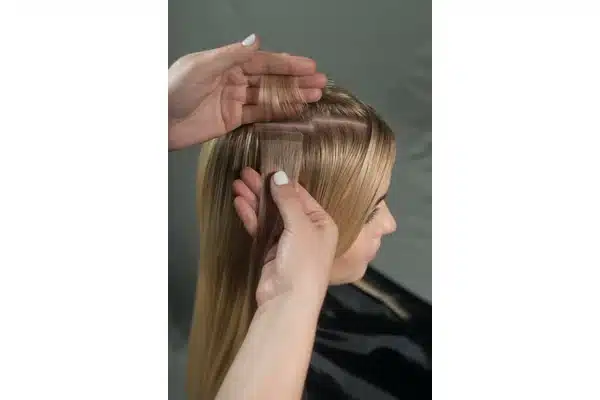
The stylist should check section cleanliness, tab alignment, natural hair thickness, and the client’s first-week routine before removing the remaining tabs.
Ask whether the client used oil near the scalp, washed the hair early, exercised heavily, or changed shampoo. Then inspect whether slipped tabs are concentrated in one area. If only one row slipped, placement or sectioning may be the more likely cause. If several rows slipped in the same way, the salon should check tape batch, preparation process, and aftercare instructions.
In after-sales communication, we usually ask for a clear photo of the slipped tab and the adjacent root area. This does not replace an in-person check, but it can show whether the tab has residue, a folded edge, or an uneven natural-hair section.
When should the salon change replacement tape?
A salon should consider a different replacement tape when clean preparation and correct sectioning have been confirmed, but the same client or client group still experiences repeated early loosening.
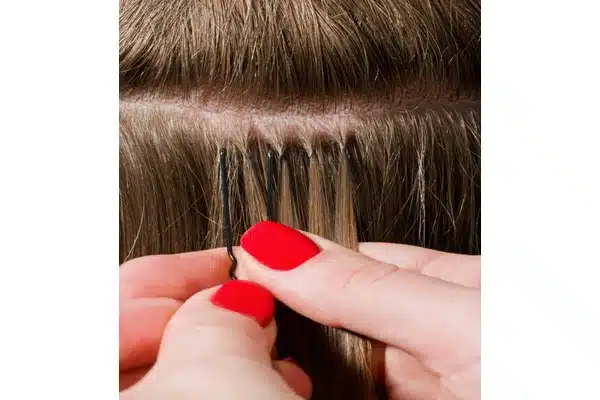
Replacement tape is not a universal product. Hold can change with hair texture, oil level, climate, exercise habits, and removal method. Buyers should test a new tape type on a small controlled group before changing a repeat-order specification.
This replacement tape guide can help buyers compare hold, residue, and reapplication needs. It should support, not replace, a sample test with the salon’s usual clients.
What mistakes make reapplication less reliable?
Reusing a tab without removing old residue, applying tape to damp hair, and rushing the pressure step can make the next installation less stable.
The old adhesive should be removed carefully from both the extension tab and the natural hair. The hair should be dry before new tape is applied. The stylist should also avoid applying a new sandwich on a section that is too thick or too fine for the tab size.
For wholesale buyers, tape quality should be tested with the intended hair construction. A tape may behave differently on a very smooth, heavily processed blonde extension than on a darker, less processed color. The exact result depends on the whole system, not only the adhesive label.
How can salons reduce future slipping complaints?
Clear preparation rules, consistent sectioning, a tested tape specification, and simple first-week client guidance can reduce slipping complaints.
The salon should use the same root-cleaning process across the team and keep a record of the replacement tape used for each service. Clients should receive direct guidance about washing, oil products, and high-moisture exposure during the early wear period.
For a fuller maintenance framework, salons can link clients to the tape in maintenance timeline. It helps explain that a stable install depends on more than the day of application.
My View
From our factory perspective, slipping should not be treated as proof that every tape or hair product is defective. We usually suggest a structured check: when did the slip start, where did it happen, what product was near the root, how was the section prepared, and what tape was used? This helps the salon correct the actual cause. For repeat orders, buyers should keep an approved tape specification and test any change in tape, hair processing, or client-care recommendation. A controlled process gives the salon better evidence and reduces the chance of repeating the same correction without learning from it.
Frequently Asked Questions
Can oily hair make tape in extensions slip?
Yes. Natural oil or product residue near the roots can reduce adhesive contact. The salon should clean and dry the section fully before installation or reapplication.
Can a client fix a slipped tape tab at home?
The safer choice is to have a trained stylist inspect the tab. Pulling or pressing it back without proper removal and preparation can create tangling or uneven tension.
Does slipping always mean the tape is poor quality?
No. It may be related to preparation, sectioning, moisture, product buildup, or aftercare. Repeated slips after controlled preparation are a stronger reason to review the tape specification.
Conclusion
Tape in extensions usually slip for a traceable reason. Check preparation, sectioning, timing, and client care before changing the product. A small controlled test can help salons choose a tape system that fits their normal service conditions.