Colorado does not treat every hair extension service the same way. The answer changes with the method. If the work falls under Colorado’s natural hair braiding exemption, the license question looks very different than it does for tape-ins, fusion bonds, or broader salon extension services.
In Colorado, you generally do need a license to do hair extensions if the service falls within “hairstyling,” because Colorado law defines hairstyling to include “applying hair extensions to” the hair. The main exception is natural hair braiding, which Colorado separately exempts from licensure. So braid-based extension work may be exempt, but many common salon extension methods are more safely treated as licensed hairstyling or cosmetology work. [1][2]
So the real question is not just whether you “do hair extensions.” The real question is whether your service is exempt natural hair braiding or a licensed hair service under Colorado’s barber and cosmetology law. [1][2]
The Fastest Way to Understand Colorado
Colorado gives you a very useful legal split.
On one side, Colorado says it is unlawful to practice barbering, hairstyling, or cosmetology without a license. [2]
On the other side, Colorado also says that nothing in the barber and cosmetology article prohibits a person who provides the service of natural hair braiding. [2]
That means Colorado is not really asking one broad question:
“Are hair extensions licensed?”
Colorado is asking a narrower question:
“Is this extension service licensed hairstyling or exempt natural hair braiding?” [1][2]
Why the Method Matters So Much in Colorado
Colorado’s statute is unusually helpful here because it defines both sides clearly.
Colorado defines “hairstyling” to include “cutting, arranging, applying hair extensions to, or styling the hair by any means.” [1]
Colorado also defines “natural hair braiding” as a service that results in tension on hair strands or roots by twisting, wrapping, weaving, extending, locking, or braiding by hand or with a mechanical device, as long as the service does not include hair cutting or the application of dyes, reactive chemicals, or other preparations to alter color or the structure of the hair. [1]
That is why method matters so much.
If the extension service is truly braid-based and stays inside that braiding definition, the exemption may apply. If the service is really a broader extension install that fits Colorado’s hairstyling language, then licensure is the more standard reading. [1][2]

When You May Not Need a License
Colorado’s main exemption for this topic is natural hair braiding.
That exemption can matter when the service is built around:
- twisting
- wrapping
- weaving
- extending
- locking
- braiding
and the service stays away from:
- hair cutting
- dyes
- reactive chemicals
- chemical straightening or curling
- other preparations that alter the structure of the hair [1]
So if your extension work is truly braid-based and remains inside that definition, Colorado law gives you a real exemption path.
But the word “truly” matters here.
A lot of people use the word “extensions” to describe many different services. Colorado is not using that broad everyday meaning. It is using legal categories. The exemption is not for every extension business. It is for natural hair braiding. [2]
When You Likely Do Need a License
If your service fits Colorado’s hairstyling definition, then the safer answer is yes, you need a license.
That matters because Colorado’s hairstyling definition specifically includes “applying hair extensions to” the hair. [1]
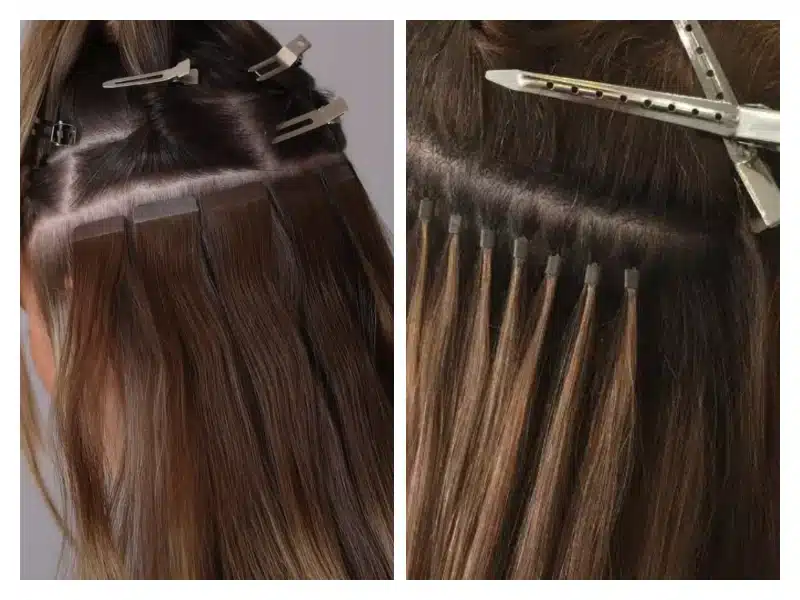
So if you offer methods such as:
- tape-in extensions
- fusion or keratin bond extensions
- non-braiding extension installs
- salon extension installs with broader styling work
you are much closer to licensed hairstyling than to exempt natural hair braiding. [1][2]
This is the practical takeaway:
Colorado’s braiding exemption is real, but it is not a blanket extension exemption.
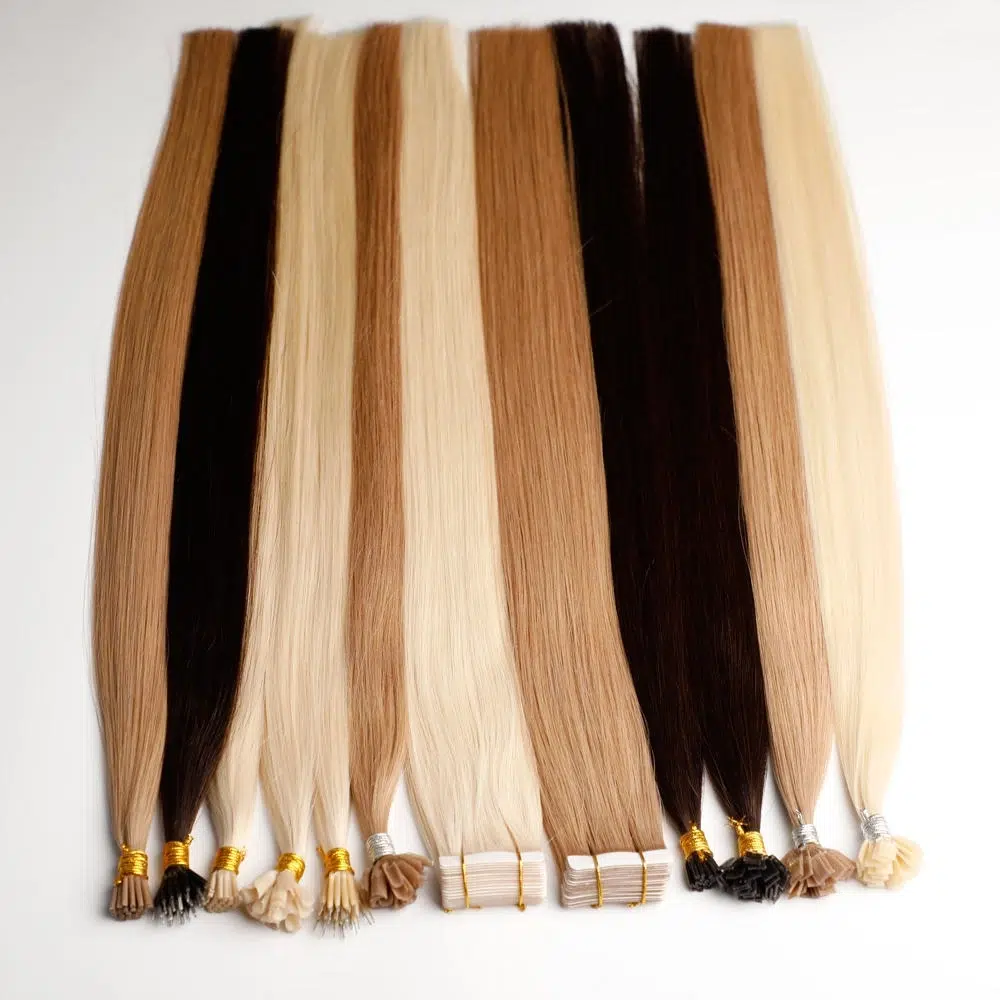
What About Tape-Ins, K-Tips, and Other Salon Extension Services?
This is where many professionals should slow down and think carefully.
Colorado’s natural hair braiding definition focuses on twisting, wrapping, weaving, extending, locking, or braiding by hand or with a mechanical device, without cutting or chemical alteration. [1]
But Colorado’s hairstyling definition separately includes “applying hair extensions to” the hair. [1]
That means methods like:
- tape-ins
- keratin bonds
- fusion systems
- many classic salon extension installs
fit more naturally under licensed hairstyling than under exempt braiding.
So if you want a broad extension menu in Colorado, especially one that looks and operates like a normal salon extension business, the stronger legal path is usually licensure.
Which License Is the Best Fit for a Colorado Extension Business?
For many extension professionals in Colorado, the most practical answer is a hairstylist license or a cosmetologist license, depending on the broader services they want to offer.
Colorado law requires licensure for barbering, hairstyling, and cosmetology unless an exemption applies. [2]
Colorado’s statute sets the education threshold at:
- 1,200 contact hours for a hairstylist
- 1,500 contact hours for a cosmetologist [3]
Colorado’s rules also reflect those same minimum training levels. [4]
In practical terms:
Hairstylist may fit better if:
- your business is mainly hair
- your work is strongly centered on hair extension installs, styling, and related hair services
- you do not need the broader cosmetology scope
Cosmetologist may fit better if:
- you want the broadest classic salon license path
- you plan to combine extension work with a wider menu of salon services
- you want more flexibility for long-term salon growth [3][4]
A Simple Legal Sorting Tool
If you are unsure where your service sits, use this quick test.
You may fall under the exemption if:
- the service is truly natural hair braiding
- the install is braid-based, twist-based, lock-based, wrap-based, or weave-based
- you are not cutting hair
- you are not using dyes or reactive chemicals
- you are not altering the color or structure of the hair [1][2]
You likely need a license if:
- you apply extensions as part of broader salon hairstyling
- you install non-braiding systems
- you combine extension work with cutting, color, or other licensed salon services
- your extension business is really functioning like a hairstyling or cosmetology practice [1][2]
That is the cleanest working distinction.
Why Colorado Is Different From Some Other States
Colorado is a good example of why extension advice should never be copied from one state to another.
Some states write their braid exemptions more narrowly. Some states regulate extensions more loosely. Colorado is distinctive because it does two things at once:
- it clearly exempts natural hair braiding
- it also clearly defines hairstyling to include applying hair extensions [1][2]
That is why Colorado professionals should not rely on what worked in Florida, Texas, or another market. Colorado has its own structure.
What a Smart Colorado Extension Professional Should Do
Before offering services, write down your actual menu.
That means listing:
- which extension methods you want to offer
- whether they are braid-based or not
- whether you also trim, cut, tone, or color
- whether you are operating like a full salon stylist or only an exempt braider
Then compare that service list to Colorado’s actual statute.
This step sounds simple, but it prevents a lot of confusion. A business often becomes clearer on paper than it does in casual conversation.
If the menu looks like a real hairstyling business, the safer path is usually licensure.

My View
If you are in Colorado and you want to build a serious extension business, the safest mindset is not “How much can I do without a license?” The safer mindset is “What kind of business am I actually building?”
If you are staying strictly inside natural hair braiding, Colorado gives you an exemption path. But if you want to offer tape-ins, keratin bonds, blending, salon styling, and broader extension services, then a license is usually the more stable foundation. Colorado’s law gives you enough clarity to make that decision early, and that is exactly what smart professionals should do.
FAQ
Can I do braid-in hair extensions in Colorado without a license?
Possibly yes, if the service is truly natural hair braiding and stays within Colorado’s exemption language. [1][2]
Does Colorado specifically mention hair extensions in its hairstyling definition?
Yes. Colorado’s hairstyling definition includes “applying hair extensions to” the hair. [1]
Are tape-in extensions likely exempt under Colorado’s braiding exemption?
Tape-ins fit much more naturally under licensed hairstyling than under exempt natural hair braiding. [1][2]
What training hours does Colorado require for a hairstylist license?
Colorado statute requires 1,200 contact hours for a hairstylist. [3]
What training hours does Colorado require for a cosmetologist license?
Colorado statute requires 1,500 contact hours for a cosmetologist. [3]
What happens if someone practices without a required Colorado license?
Colorado law says unlicensed practice of barbering, hairstyling, esthetics, manicuring, or cosmetology is subject to penalties, and fines can increase for later violations. [2]
Conclusion
In Colorado, the license question depends heavily on the method. Natural hair braiding has a real exemption, but Colorado also defines hairstyling to include applying hair extensions. That means braid-based work may be exempt, while many common salon extension services are more safely treated as licensed hairstyling or cosmetology work. [1][2]
where to wholesale high quality hair extensions
Hibiscus Hair Manufacturer has been dedicated to producing high-quality hair extensions for 25 years and is a recognized leader in the industry. If you are interested in finding a reliable hair extensions supplier and wholesale for your brand, please visit our website for more information:
- Colorado Revised Statutes 2024, Title 12, Article 105 definitions section ↩
- Colorado Revised Statutes 2024, Title 12, Article 105 license-required, exemptions, and penalties sections ↩
- Colorado Revised Statutes 2024, Section 12-105-111 qualifications and training hours ↩
- Colorado Barber and Cosmetology Licensure Rules, 4 CCR 731-1 ↩