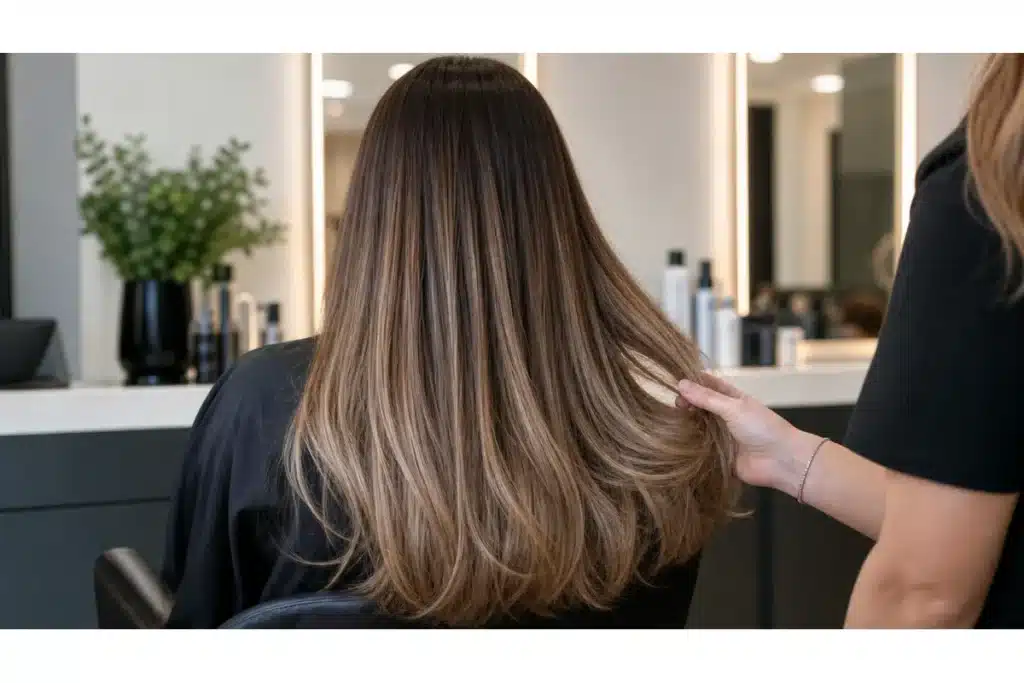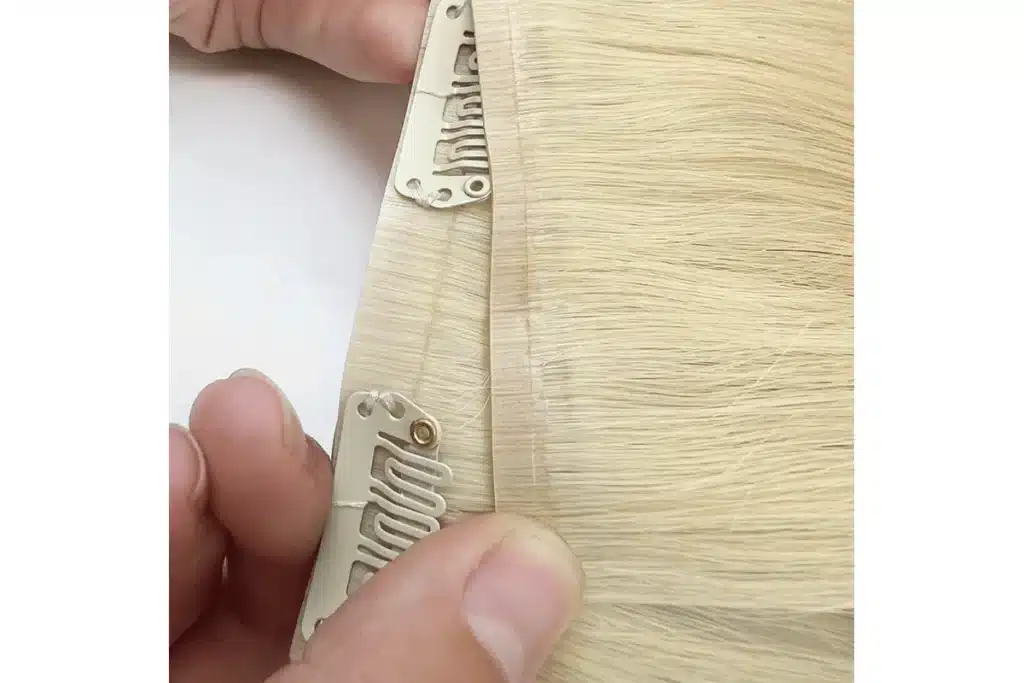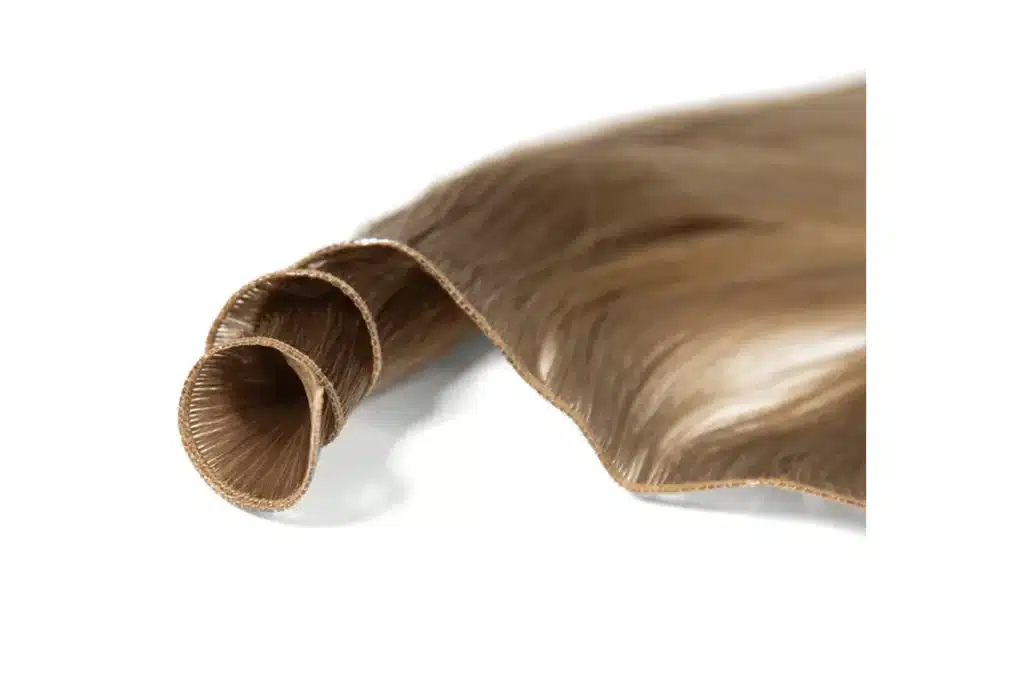
Have U ever wondered why some clients love microlink hair extensions for years, while others feel confused after the first install? Most problems start with misunderstanding of what microlinks really are.
Microlink hair extensions are individual or strand-based extensions attached using small beads or rings, without glue or heat. They offer flexibility, reuse, and long-term wear when installed and maintained correctly.

Many professionals talk about microlinks as if they are one single method. In reality, microlinks include several systems, each with different behavior, risks, and lifespan. Understanding these details helps salons and brands make better decisions.
What Are Microlink Hair Extensions?
Microlink hair extensions are often described in very simple terms, but the structure behind them is more technical than most people expect.
Microlink hair extensions use a small metal or aluminum ring to connect extension hair to natural hair. The ring is clamped shut to hold both together, creating a secure but removable connection.
How Microlinks Actually Work
The microlink system relies on pressure, not bonding. Natural hair and extension hair sit inside the ring, and the ring is closed using pliers. This creates friction and grip.
Because there is no glue or heat, the natural hair structure stays unchanged. This makes microlinks popular for clients who want long-term wear with repeated maintenance.
At the same time, pressure-based systems demand accuracy. Section size, ring size, and hair weight must match. When balance is wrong, slipping or breakage appears quickly.
Why Microlinks Are Considered Reusable
Microlinks allow removal without dissolvers or solvents. The ring can be opened, moved up, and closed again.
This makes microlinks attractive for salons and wholesale buyers who focus on value over time. High-quality hair benefits the most from this system.
Who Usually Chooses Microlinks
Microlinks are often chosen by:
- Clients who avoid glue or tape
- Clients who want adjustable placement
- Professionals who prefer modular systems
Microlinks are not beginner-friendly. They require training and discipline to perform well.
What Main Types of Microlink Hair Extensions?
The word “microlink” covers several extension types. Each behaves differently during wear and maintenance.
Microlink extensions vary by tip structure, ring size, and installation technique. Choosing the right type matters more than the name.
I-Tip Hair Extensions
I-Tip hair is one of the most common microlink systems. The hair tip is shaped like a thin stick.
I-Tips slide easily into rings and allow precise placement. They work well for adding targeted volume or length.
However, each strand carries weight on one point. Poor sectioning increases stress quickly.

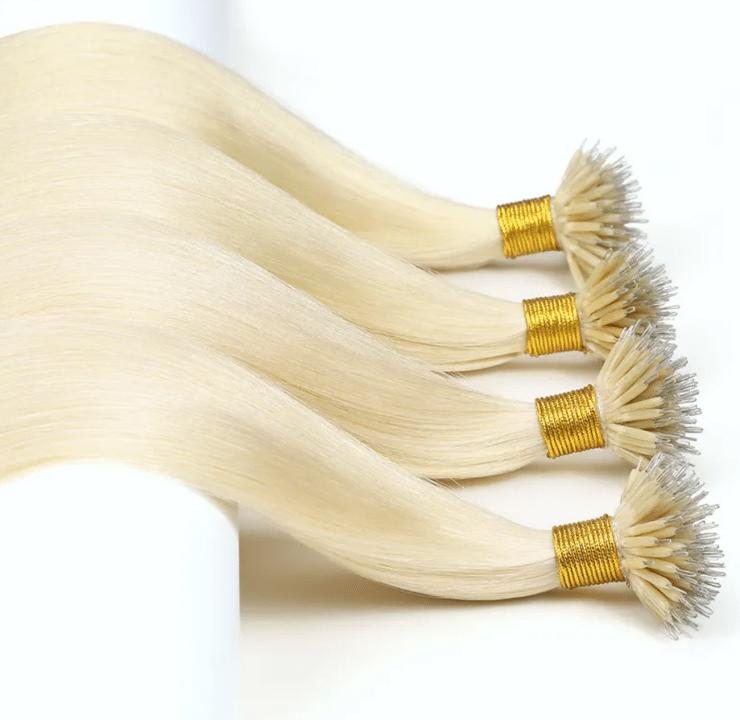
Nano Ring Hair Extensions
Nano ring hair uses a much smaller ring. The hair tip is also thinner.
Nano systems offer better invisibility, especially for fine hair. They require more skill and patience during installation.
Smaller rings mean less grip margin. Precision becomes even more important.
F Tips Hair Extensions
F tips use a flat plastic tip combined with a ring system. The flat shape spreads pressure inside the bead.
This design improves comfort and grip. Many professionals prefer F tips for clients who experience slipping with I-Tips.
F tips are still microlinks, even though the tip material is plastic.

Comparison Overview
| Type | Visibility | Skill Level | Stability |
|---|---|---|---|
| I-Tip | Medium | Medium | Medium |
| Nano Ring | Low | High | Medium |
| F Tip | Low | Medium | High |
Each type serves a different client profile.
Do Microlink Extensions Damage Hair?
This question comes up in almost every consultation.
Microlink extensions do not damage hair by default. Damage happens when pressure, weight, or maintenance is incorrect.
[Image Placeholder]
Where Damage Really Comes From
Microlink damage is mechanical. It comes from:
- Too much hair on one section
- Rings placed too close to the scalp
- Skipped move-up appointments
Pressure increases as hair grows. If the ring is not adjusted, tension builds.
How Proper Technique Reduces Risk
Correct sectioning spreads weight evenly. Proper ring size prevents slipping and over-tightening.
Routine maintenance resets tension before damage appears.
Long-Term Wear Reality
Many long-term wearers maintain healthy natural hair with microlinks for years. Discipline matters more than the method itself.
How Long Do Microlinks Last?
Microlink lifespan has two parts: install lifespan and hair lifespan.
Microlinks usually need maintenance every 6–8 weeks, while the hair itself can last months or even years.
[Image Placeholder]
Maintenance Cycle
Natural hair grows about 1–1.5 cm per month. As it grows, microlinks move down.
Most professionals recommend move-ups every 6–8 weeks. Waiting longer increases stress and tangling.
Hair Quality and Longevity
Hair quality defines reuse potential.
| Hair Quality | Usable Lifespan |
|---|---|
| Full cuticle hair | 1year with proper care |
| Standard Remy hair | 3–5months with proper care |
| Low-grade hair | 1–2 months with proper care |
Microlinks work best with high-grade hair because removal causes minimal wear.
Lifestyle Impact
Active lifestyles, frequent washing, and heavy styling shorten lifespan. Routine care extends it.
How to Do Microlink Hair Extensions?
Microlink installation follows a clear process. Each step affects long-term results.
Microlink installation focuses on clean sectioning, balanced weight, and controlled pressure.
Step 1: Sectioning and Preparation
Hair must be clean and dry. Oils reduce grip.
Sections should match ring size and extension weight. Uneven sections cause tension problems.
Step 2: Inserting Hair and Ring
Natural hair and extension hair are inserted into the ring together. Alignment matters.
The ring should sit flat and parallel to the scalp.
Step 3: Clamping the Ring
The ring is closed firmly but not crushed. Over-clamping weakens hair.
Correct pressure secures the extension while allowing future removal.
Step 4: Checking Balance
Each section is checked for comfort and movement. Adjustments are made before finishing.
Who Should Choose Microlink Hair Extensions?
Microlinks are not for everyone.
Microlinks suit clients who commit to maintenance and prefer flexibility over speed.
Ideal Candidates
Microlinks work well for clients who:
- Want reusable hair
- Avoid glue systems
- Accept regular upkeep
Less Suitable Cases
Clients who skip maintenance or want fast installs may struggle with microlinks.
When Microlinks Are Not the Best Option
Some situations call for other methods.
Microlinks may not suit very weak hairlines or clients who neglect aftercare.
Alternative Considerations
Tape-ins or wefts may suit low-maintenance clients better.
Choosing the right system protects both hair and reputation.
My Opinion
Microlink hair extensions reward patience and precision. They are not forgiving systems, but they offer long-term value when done right.
I have seen microlinks fail fast and also perform beautifully for years. The difference is always discipline, not luck.
FAQ
What are microlink hair extensions best used for?
They are best for reusable, adjustable long-term wear.
Do microlinks require heat or glue?
No, they rely only on rings.
How often should microlinks be moved up?
Every 6–8 weeks in most cases.
Can microlinks be reused?
Yes, especially with high-quality hair.
Are microlinks good for fine hair?
They can be, with small rings and light weight.
Do microlinks slip easily?
Slipping happens when sizing or care is wrong.
Conclusion
Microlink hair extensions offer flexibility and reuse. Their success depends on technique, hair quality, and disciplined maintenance.
Hibiscus Hair Manufacturer has been dedicated to producing high-quality hair extensions for 25 years and is a recognized leader in the industry. If you are interested in finding a reliable hair extensions supplier and wholesale for your brand, please visit our website for more information: